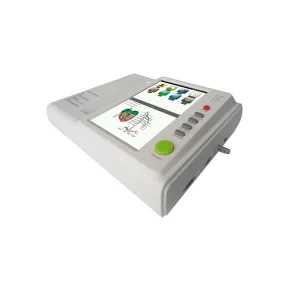
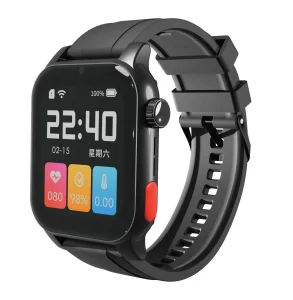
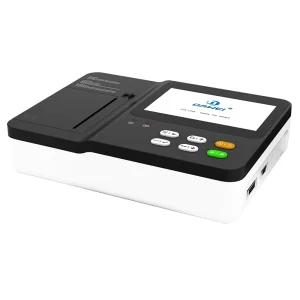
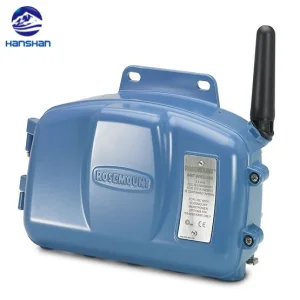
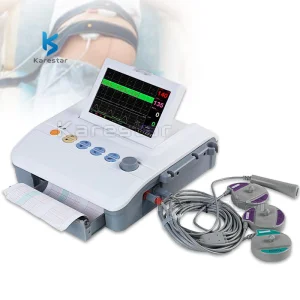
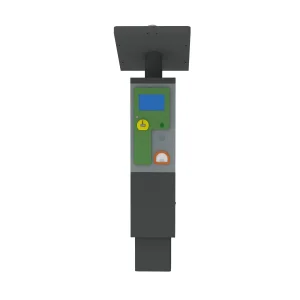
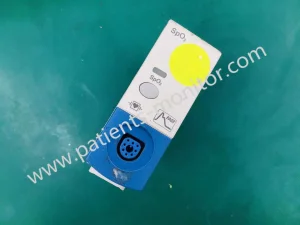
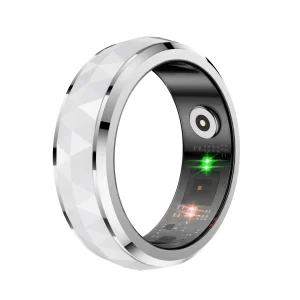
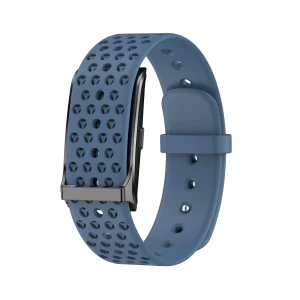
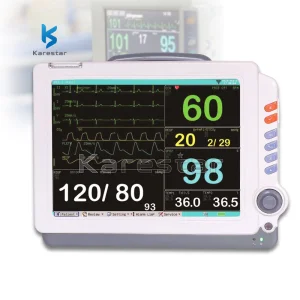
High-precision hardware engineered for professional clinical and home care environments.
Strategic Insights into the 2024-2030 Healthcare Evolution
The global healthcare landscape is undergoing a fundamental transformation. Driven by aging populations, a critical shortage of healthcare professionals, and the rising prevalence of chronic diseases, the demand for Remote Care Coordination (RCC) has transcended from a "nice-to-have" luxury to a clinical necessity. Remote Care Coordination involves the systematic synchronization of healthcare activities between patients and providers using digital technologies, ensuring that the right care is delivered at the right time, regardless of geography.
The RPM and Care Coordination market is projected to reach $175 billion by 2027. In regions like North America and Europe, reimbursement codes (such as CPT 99453/99454 in the US) have accelerated the adoption of medical-grade wearables.
The integration of 5G, Narrowband IoT (NB-IoT), and Edge Computing allows for real-time monitoring with ultra-low latency, crucial for acute post-operative recovery and neonatal care.
Top-tier Chinese factories are now prioritizing SOC2, HIPAA, and GDPR compliance, ensuring that sensitive patient data remains encrypted from the sensor to the cloud.
Shenzhen Ocent Monitor Co., Ltd.: A Benchmark for Medical IoT Manufacturing
Shenzhen Ocent Monitor Co., Ltd. stands as a premier technology-driven manufacturer in the heart of China's Silicon Valley. Specializing in remote patient monitoring (RPM) systems and digital healthcare technologies, the company has redefined the standard for China Top Remote Care Coordination Factories.
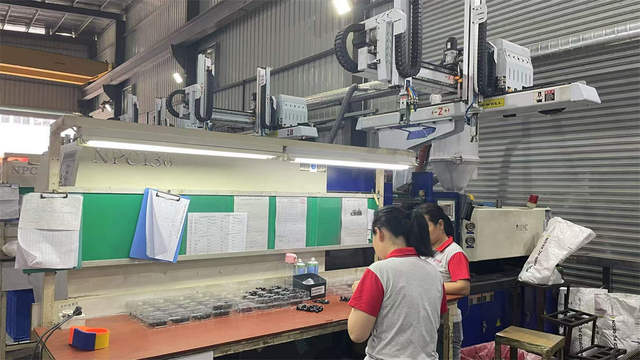
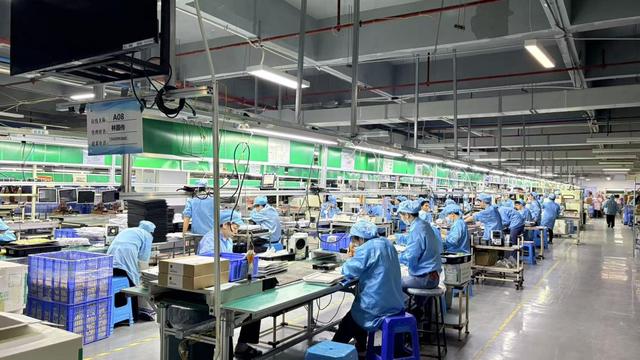
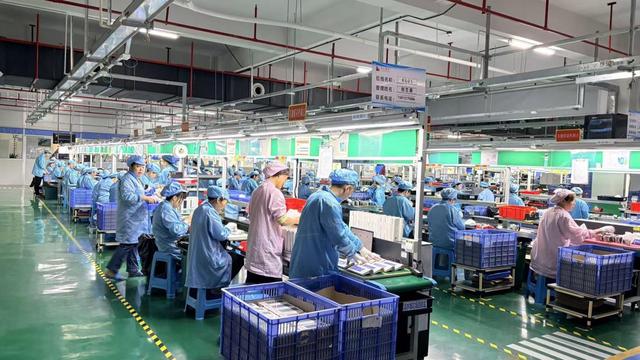
Established in 2016, Ocent Monitor has rapidly scaled its operations to meet the rigorous demands of the global medical community. Their facility in Shenzhen spans over 8,000 square meters, housing state-of-the-art production lines and a specialized workforce of over 180 professionals. This scale allows for a seamless transition from conceptual R&D to mass-market manufacturing, ensuring that innovation reaches the bedside faster than traditional competitors.
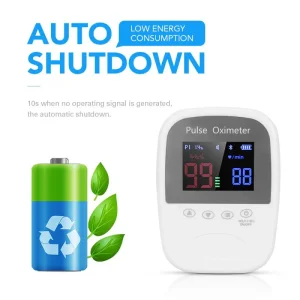
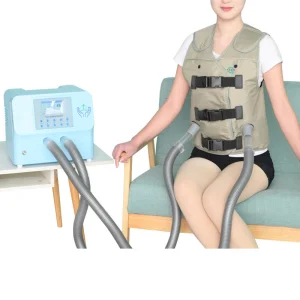
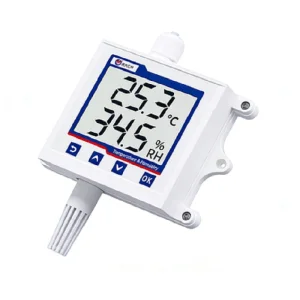
The company's product portfolio is comprehensive, encompassing remote patient monitoring systems, wireless vital sign monitoring devices, telehealth platforms, and healthcare IoT integration systems. By combining advanced sensor technology with cloud connectivity, Ocent Monitor enables healthcare organizations to improve patient engagement and support continuous health monitoring beyond traditional clinical walls.
Supported by an experienced engineering team and rigorous quality management, the company maintains strict production standards throughout the lifecycle of every device. This dedication to excellence allows Ocent Monitor to serve high-standard markets across North America, Europe, and the Middle East, providing both OEM and ODM services that are tailored to diverse local regulatory requirements.
Why Leading Healthcare Groups Source from China's Top Suppliers
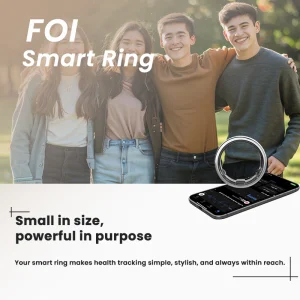
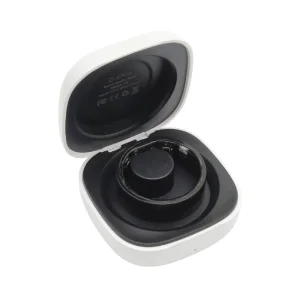
The trend is moving away from bulky monitors toward smart rings and ultra-thin patches. China's sophisticated electronics supply chain allows for the rapid miniaturization of medical-grade sensors without sacrificing battery life.
Factories are now embedding AI chips directly into wearable devices (Edge AI). This allows the device to filter noise and only transmit significant data, reducing server costs and clinician fatigue.
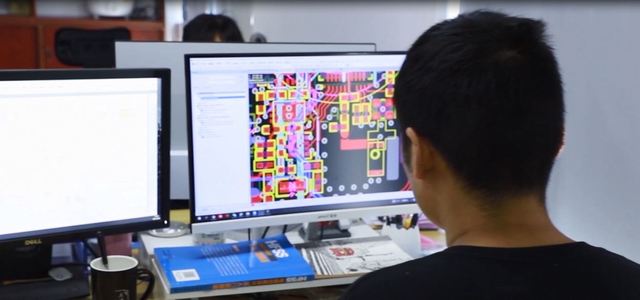
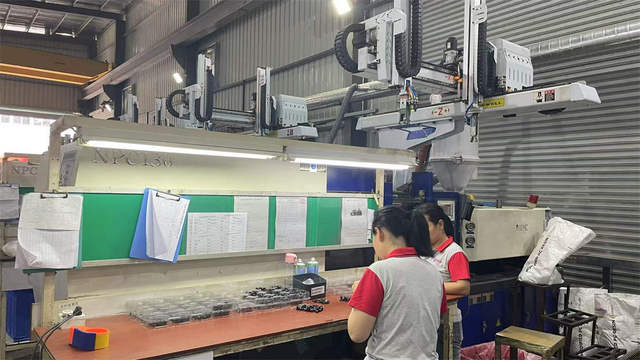
Shenzhen-based suppliers like Ocent Monitor offer a "One-Stop Shop" advantage. From PCB design to plastic injection molding and final assembly, the proximity of sub-suppliers ensures a lead time that is 40-60% faster than European or North American counterparts.
Expert answers for procurement and clinical managers.
Top factories utilize clinical-grade sensor modules (like those from Maxim Integrated or Texas Instruments) and subject every unit to multi-stage calibration using ISO 13485-certified equipment. At Ocent Monitor, rigorous quality control ensures clinical-level precision for ECG, SpO2, and BP readings.
Yes. Modern Remote Care Coordination devices support standard protocols such as HL7, FHIR, and BlueButton. Most suppliers provide SDKs and APIs to facilitate seamless data flow into platforms like Epic, Cerner, or custom telehealth portals.
Standard lead times for OEM orders are typically 4-6 weeks, while custom ODM projects (including new mold design) can take 3-6 months. China's integrated supply chain in Shenzhen significantly reduces these timelines compared to other regions.
Data privacy is handled through end-to-end encryption (AES-256) and by giving the client full control over the cloud hosting location (AWS, Azure, or local servers), ensuring compliance with GDPR, HIPAA, and other local regulations.
Empowering the next generation of connected healthcare.
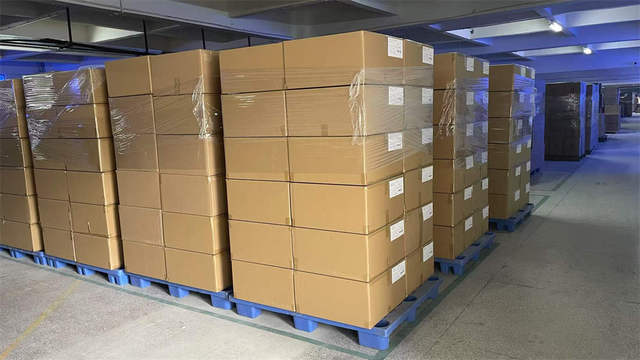
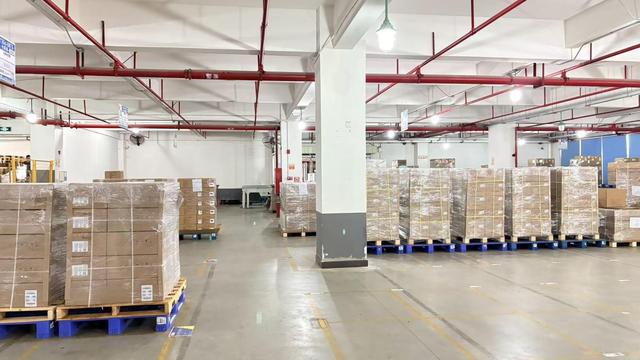
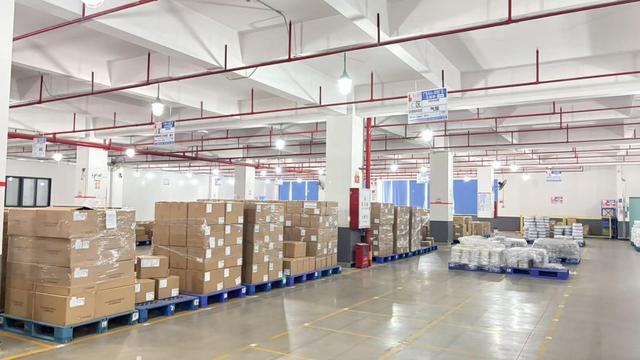
Advanced facilities ensuring reliability and scale for international healthcare partners.
 Ocent Monitor