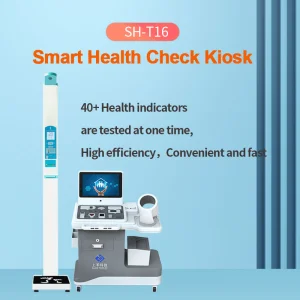
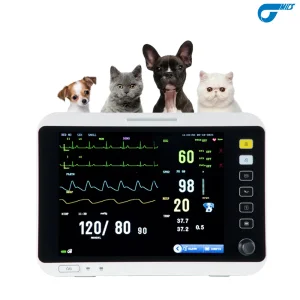
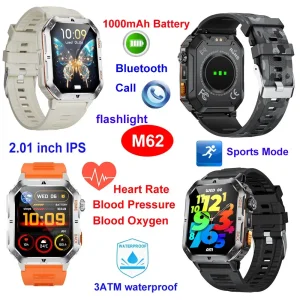
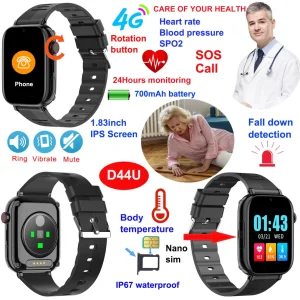
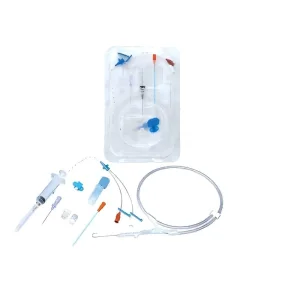
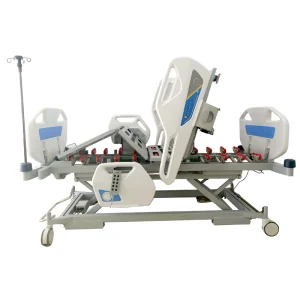
High-precision medical equipment for continuous clinical-grade monitoring.
The global healthcare industry is witnessing a seismic shift toward Post-Acute Care (PAC). As hospital costs soar and populations age, the demand for monitoring solutions outside traditional clinical settings has intensified. Factories and exporters in this sector are no longer just hardware providers; they are the architects of the "Hospital-at-Home" model.
Post-acute care refers to a range of medical care services that support the individual's continued recovery from illness or management of a chronic illness or disability. This includes rehabilitation, skilled nursing, and home health services. The Industrial IoT (IIoT) integration allows for real-time data streaming, ensuring that patients transitioning from intensive care to home environments remain under the watchful eye of medical professionals via smart sensors and AI-driven platforms.
Current industrial trends indicate a CAGR of over 12% in the remote monitoring sector. This growth is fueled by reimbursement policy changes in North America and Europe, which now incentivize telehealth and remote patient management to prevent expensive re-hospitalizations.
Market Growth Rate
RPM Market Value
Readmission Reduction
Continuous Monitoring
Standardization of 5G and Bluetooth Low Energy (BLE) to ensure seamless device-to-cloud data transmission with minimal latency.
Transitioning from data collection to predictive analytics. AI algorithms now identify early signs of sepsis or cardiac distress before they become critical.
The rise of "Invisible Monitoring"—flexible electronics and wearables that track vitals without obstructing the patient's daily lifestyle.
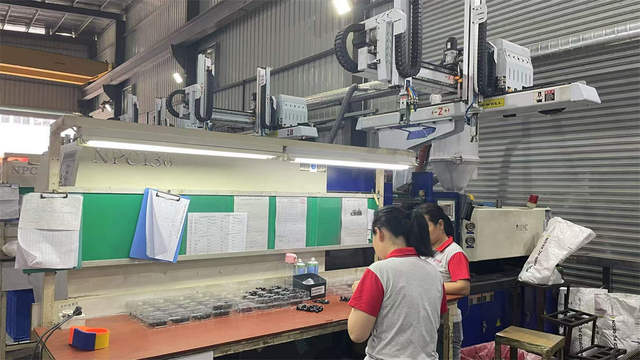
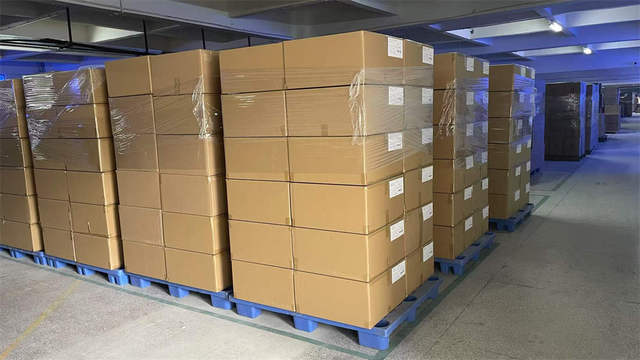
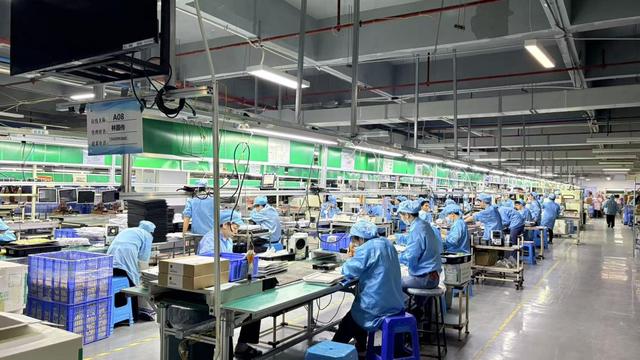
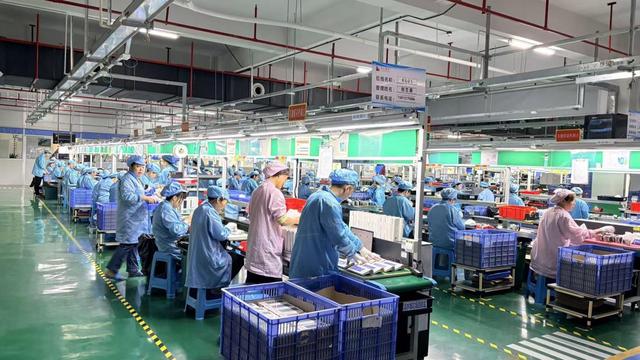
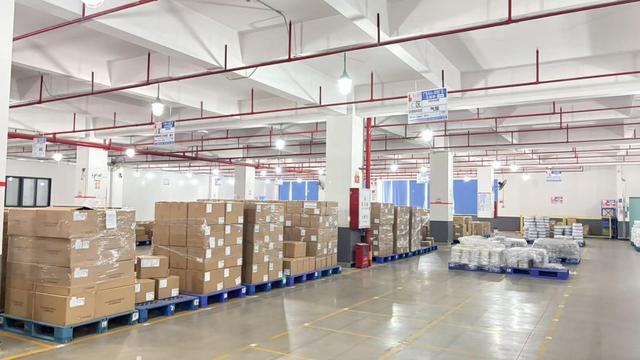
Shenzhen Ocent Monitor Co., Ltd. serves as a quintessential example of China's dominance in medical technology manufacturing. Located in Shenzhen, the "Silicon Valley of Hardware," the company leverages a massive ecosystem of electronic components and engineering talent.
The efficiency of the Chinese supply chain allows for rapid prototyping and mass production, providing global healthcare systems with affordable yet high-precision OEM and ODM services.



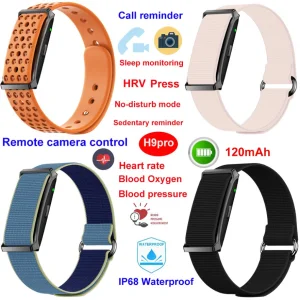
Continuous monitoring of SpO2, heart rate, and fall detection for the elderly, reducing the burden on on-site nursing staff and improving emergency response times.
Post-surgical monitoring for patients recovering from orthopedic or cardiac procedures, ensuring that vital signs remain stable during physical therapy.
Long-term management of COPD, hypertension, and diabetes using telehealth platforms that connect patients directly with their primary care physicians.
Navigating the complex world of medical device regulations is critical. Shenzhen Ocent Monitor Co., Ltd. ensures that all exported devices adhere to strict international standards:
CE, FDA, and ISO 13485 compliance to meet the legal requirements of diverse global markets.
Multi-language technical documentation and 24/7 remote troubleshooting for international distributors.
End-to-end encryption and HIPAA-compliant data handling for all telehealth cloud platforms.
Established in 2016, we combine an 8,000 sqm production facility with an experienced engineering team to deliver IoT-integrated healthcare solutions that support patient care beyond traditional settings.
Yes, our healthcare IoT integration systems are designed with API-first architectures, allowing for seamless data flow into most standard Electronic Health Records (EHR) and hospital platforms.
Absolutely. We serve customers across North America, Europe, and Asia with tailored OEM and ODM services, matching specific market requirements and local healthcare protocols.
By providing real-time vital sign data, clinicians can intervene early when a patient's condition deviates from the recovery path, preventing complications that would otherwise require a return to the hospital.
 Ocent Monitor