Ocent Monitor
1 / 5
As long as you inquire, we will give you half price discount of samples!!! Only 1 per person, limited number, first come first served!!!
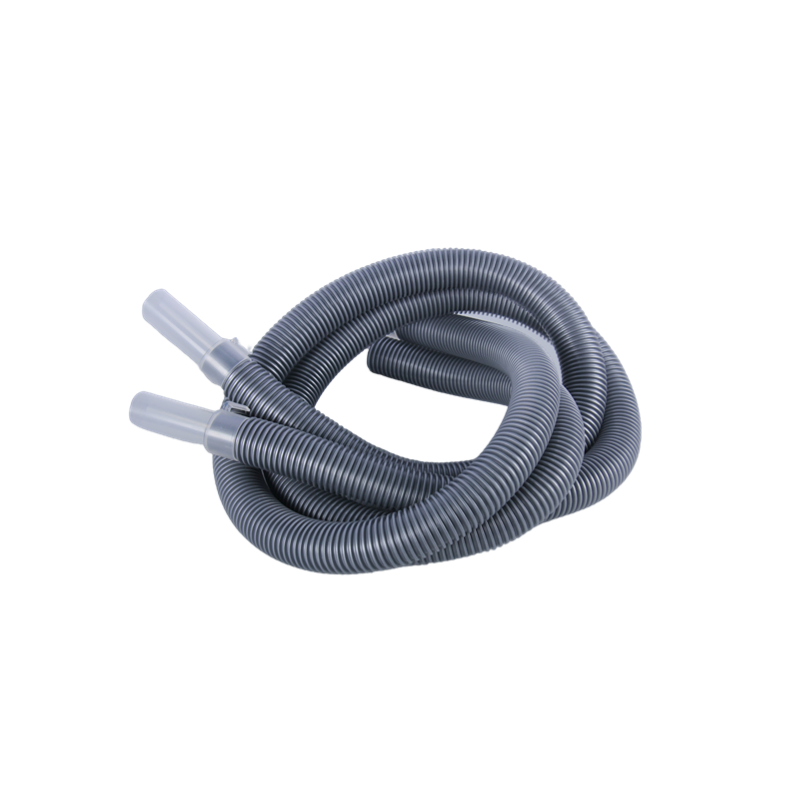
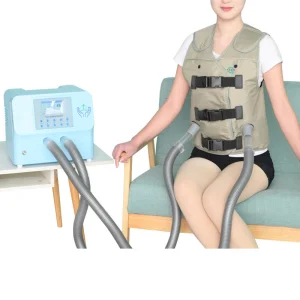
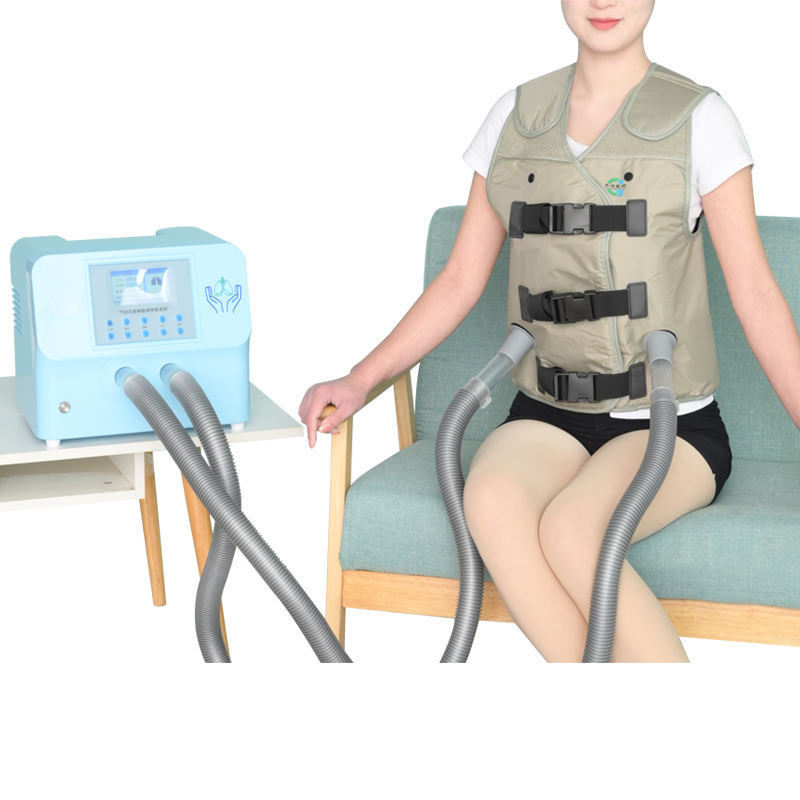
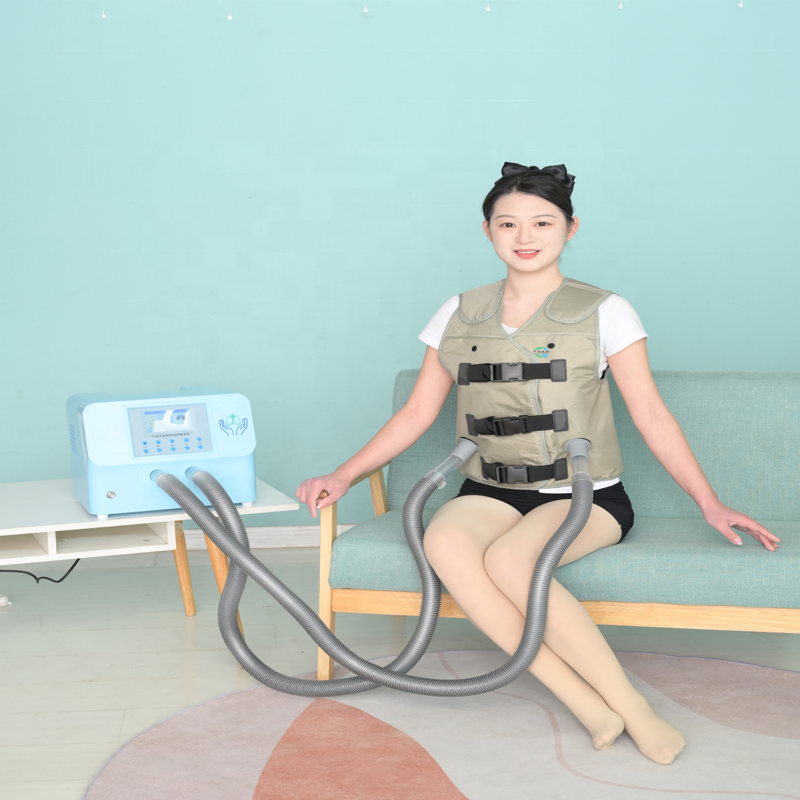
Pipeline
Connect the device to the vest's airway.
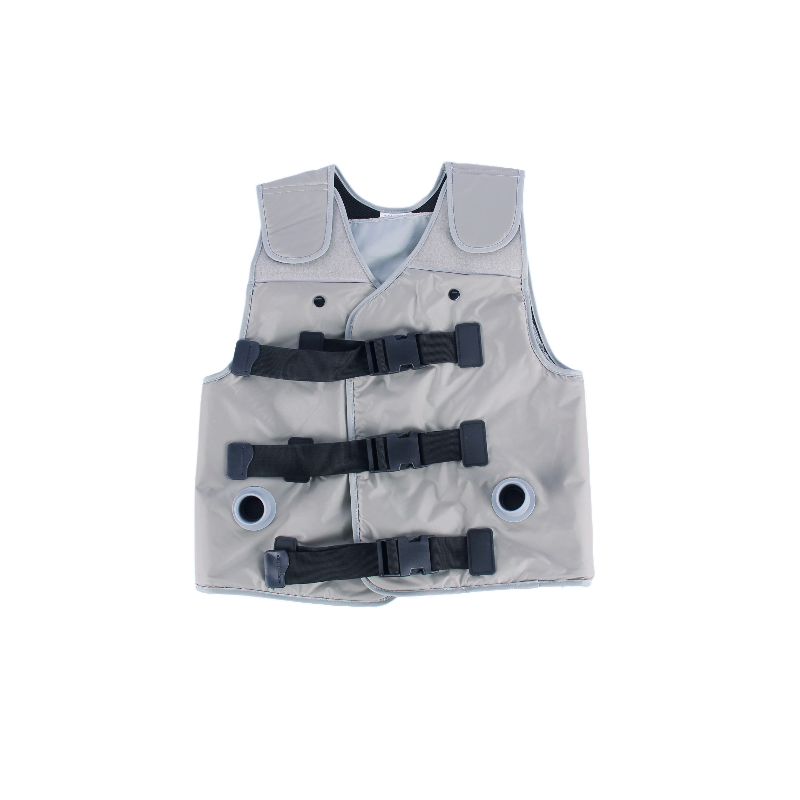
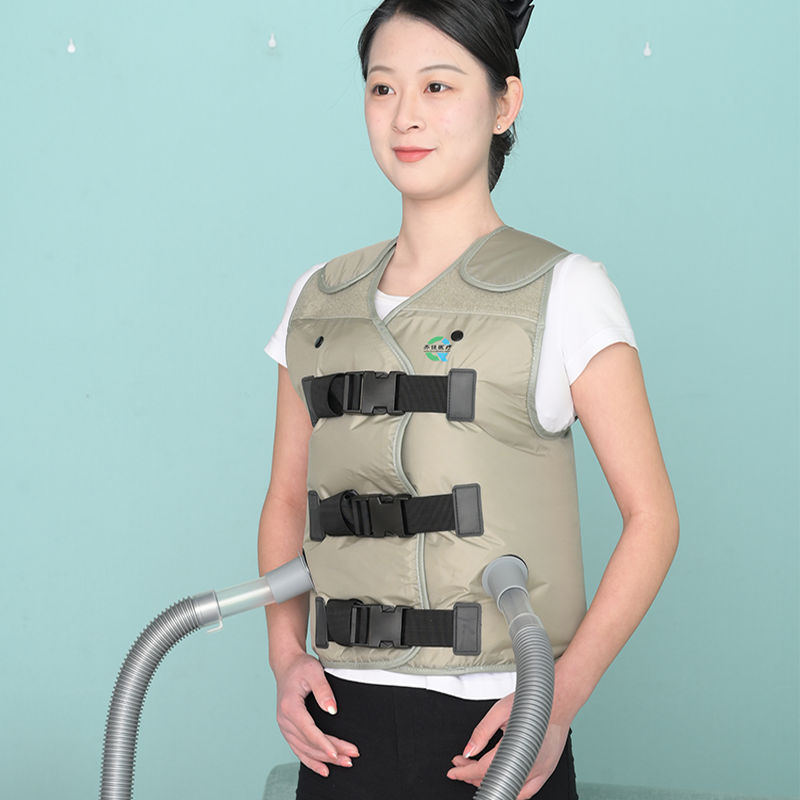
Waistcoat
Detachable vest, divided into different models, according to different body types.
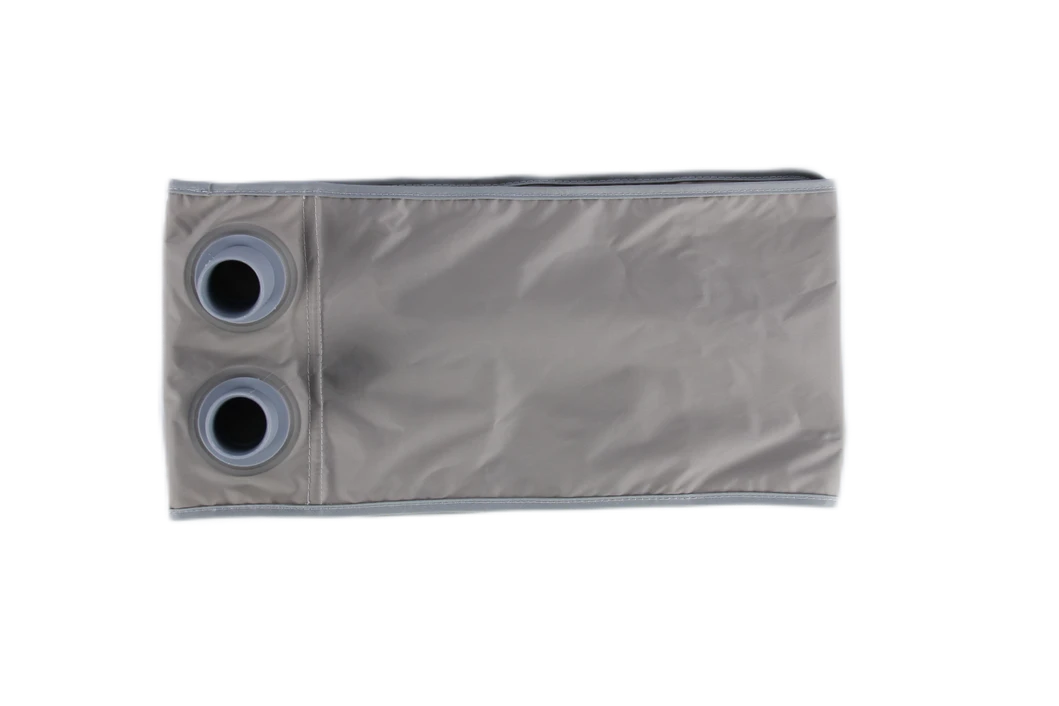
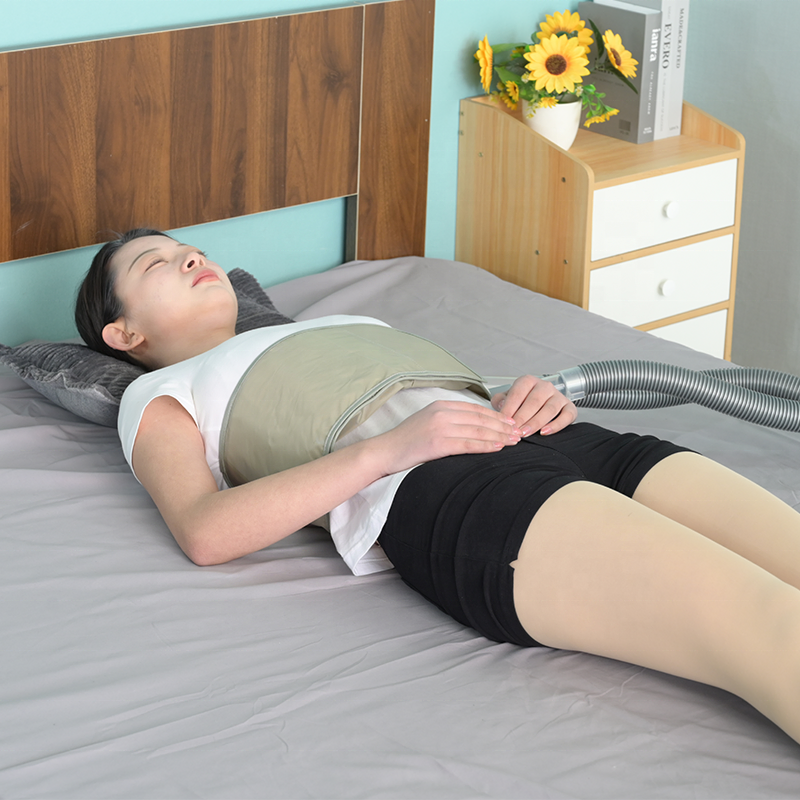
Lacing
Half chest inflatable band for long-term bedridden patients.
The pneumatic high-frequency oscillation expectoration system adopts high-frequency chest wall oscillation (HFCWO) technology. Through the pulse oscillation signal sent by the host machine, the inflatable vest or half chest band can produce high-frequency oscillation repeatedly at high speed.
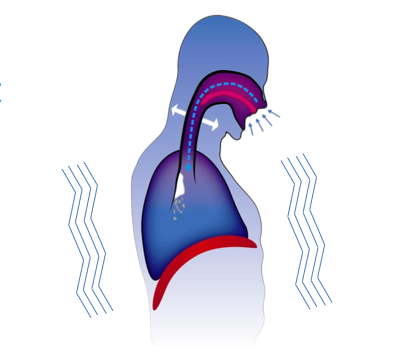
Indications: Excessive sputum, viscous secretions, mechanical ventilation requirements, COPD exacerbation, atelectasis, pulmonary infection, bronchiectasis, cystic fibrosis, elderly/infirm bedridden patients, post-surgery pain, pediatric pneumonia, coma, and occupational lung diseases.
Table 1: Amount of expectoration comparison (n=30)
| Group | Day 1 | Day 2 | Day 3 |
|---|---|---|---|
| HFCWO Group | 43.97±9.62 | 49.20±12.54 | 48.07±10.25 |
| Vibration Group | 34.70±10.56 | 36.93±11.02 | 36.63±11.62 |
Table 2: Comparison of SpO2 between groups
| Group | Pre-operation | After-operation % | Ratio |
|---|---|---|---|
| HFCWO Group | 92.30±1.02 | 97.46±0.97 | 1.05±0.01 |
| Vibration Group | 92.26±0.97 | 95.88±1.03 | 1.03±0.01 |
Conclusion: High frequency oscillation expectoration system is superior to vibration expectoration instruments. It significantly reduces the workload of nurses and is worthy of clinical promotion. (Source: West China Medical Journal)
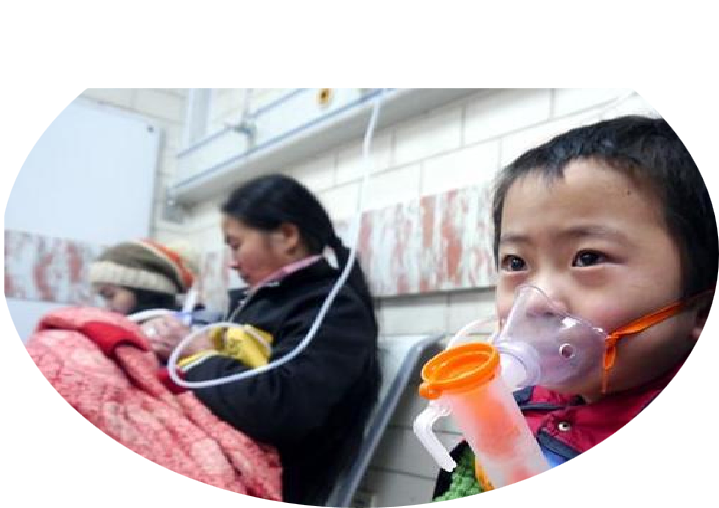
Cons: Long-term use can cause physical damage; still requires autonomous coughing which is difficult for weak patients.
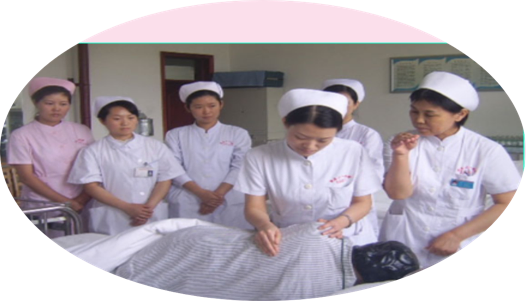
Cons: Requires specific positioning; only acts on the surface; inconsistent intensity depends on personnel physical strength.
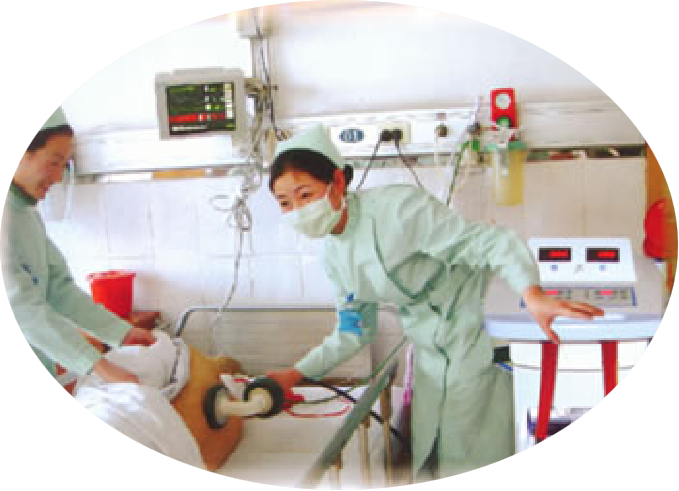
Cons: Does not free nursing workload; heavy percussion head can cause wrist injury during long-term use.
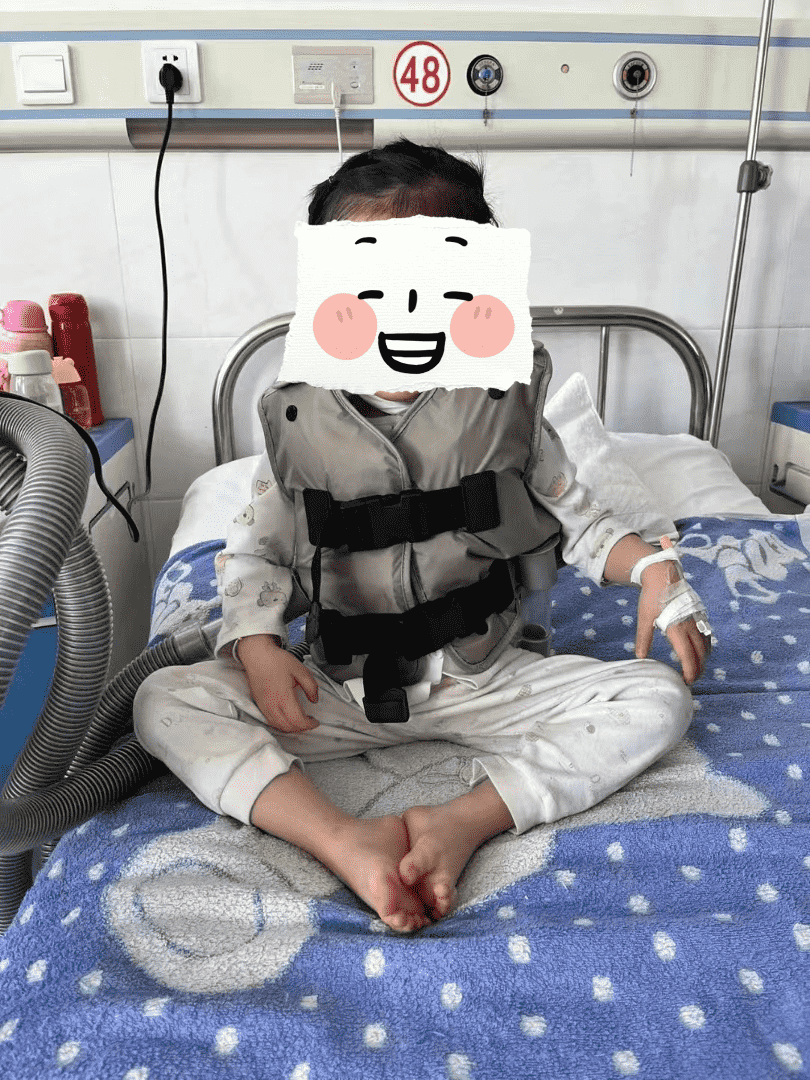
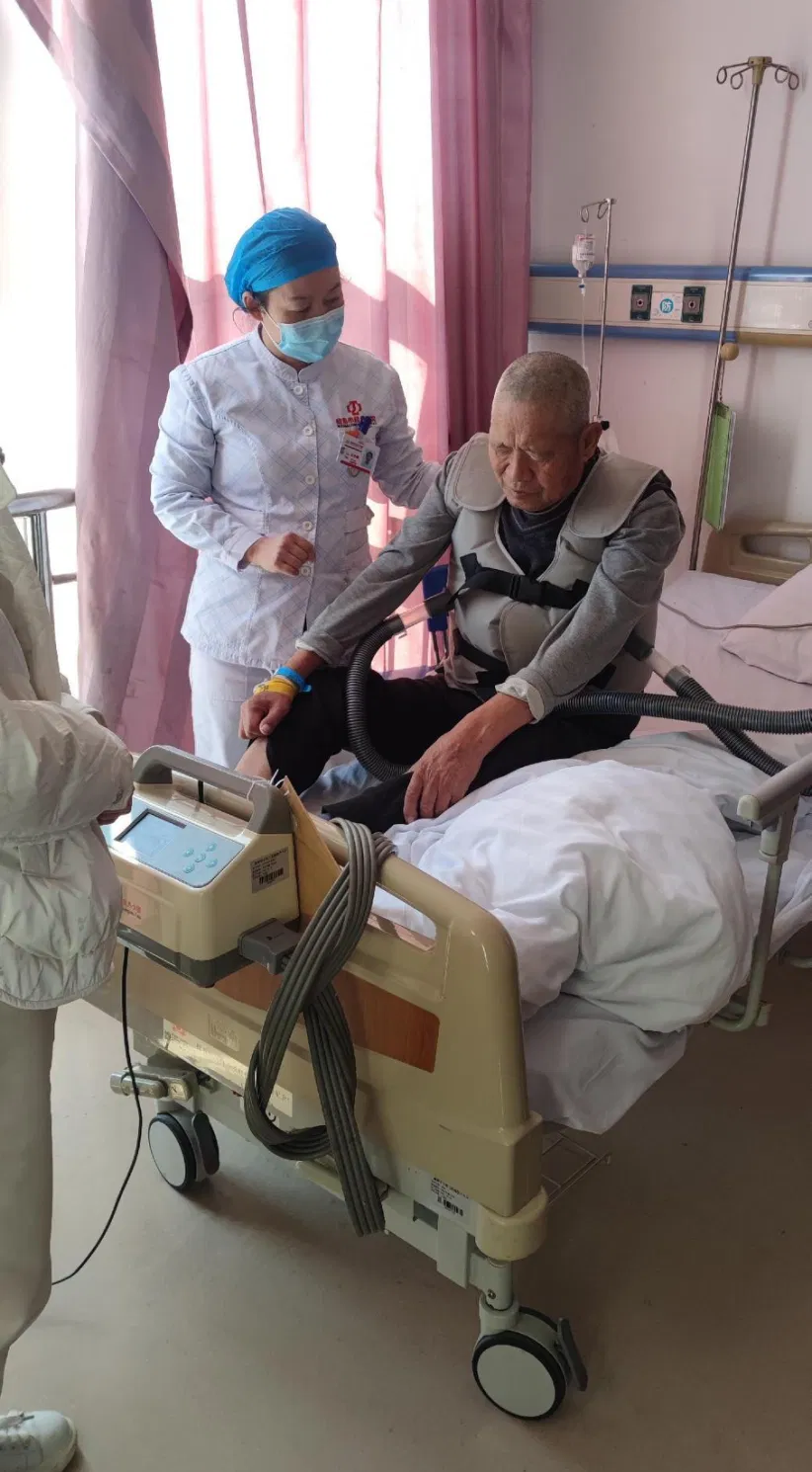
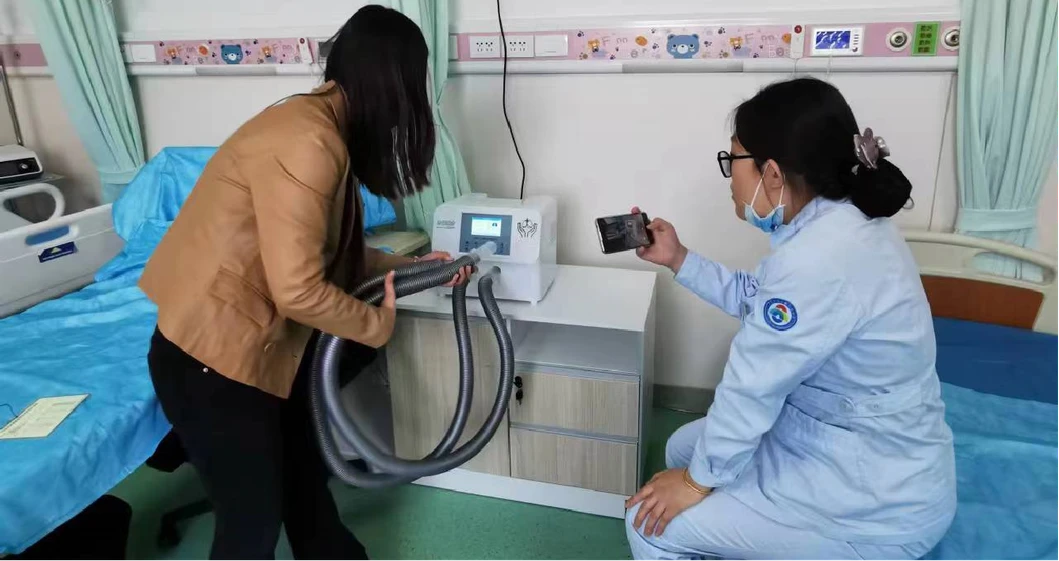
HFCWO is a non-invasive physical therapy that uses a specialized vest to generate high-frequency air pulses. These vibrations help loosen, thin, and move mucus from the smaller airways to the larger ones, where it can be coughed up or suctioned out.
Yes, while widely used in hospitals (ICU, Pediatrics, etc.), it is also designed for homecare for patients with chronic conditions like COPD, bronchiectasis, or those who are long-term bedridden.
Typically, treatment is performed twice a day for 20 to 30 minutes, but schedules can vary based on clinical needs. It is best done before meals or at least 2 hours after eating.
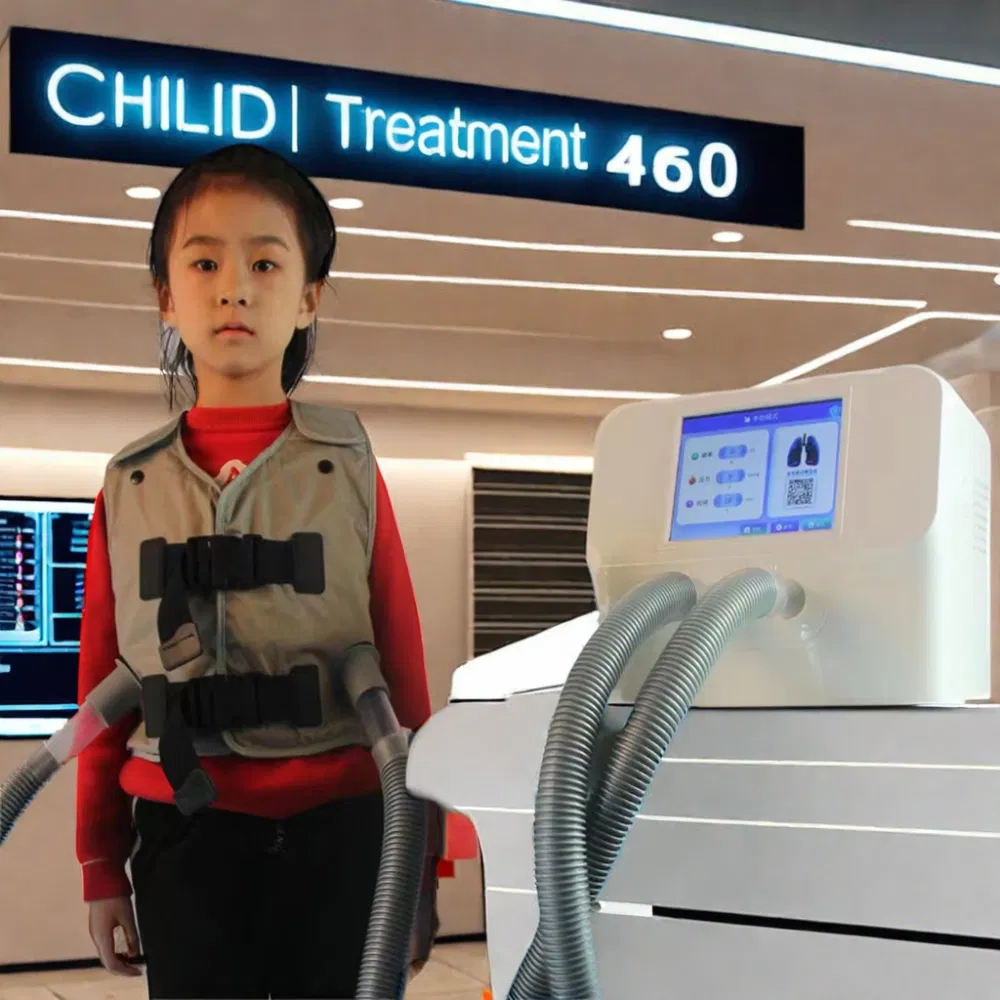
Yes, the system is well-tolerated by children and is highly effective for pediatric pneumonia and other respiratory conditions. We offer various vest sizes to accommodate different ages.
Unlike manual "clapping," HFCWO provides consistent, high-frequency vibration across the entire chest wall simultaneously, does not require a caregiver's physical labor, and allows the patient to breathe comfortably during the process.
It is recommended to wear one or two layers of light cotton T-shirts. This ensures comfort and allows the oscillations to be transmitted effectively through the chest wall.