The global healthcare paradigm is undergoing a fundamental shift from episodic, hospital-based care to continuous, home-based monitoring. "Hospital-at-Home" (HaH) is not just a trend; it is a clinical necessity driven by aging demographics, rising chronic disease prevalence, and the need for hospital cost containment. Leading Hospital-at-Home Monitoring Factories are now at the center of this transformation, producing the medical-grade hardware required to keep patients safe outside traditional clinical walls.
Modern HaH infrastructure relies on the seamless integration of IoT sensors, AI-driven predictive analytics, and robust cloud data security. A top-tier factory must ensure that every device—from blood pressure monitors to specialized smart gateways—meets rigorous international standards for data integrity and clinical accuracy.
As governments globally incentivize remote patient monitoring (RPM) programs, the demand for high-volume manufacturing increases. Factories today must balance rapid production with customized ODM/OEM capabilities to meet the diverse regulatory requirements of different sovereign healthcare systems.
Shenzhen Ocent Monitor Co., Ltd. is a technology-driven manufacturer specializing in remote patient monitoring systems, telehealth monitoring solutions, and digital healthcare technologies. Established in 2016, the company is headquartered in Shenzhen, China, one of the world's leading innovation and electronics manufacturing hubs.
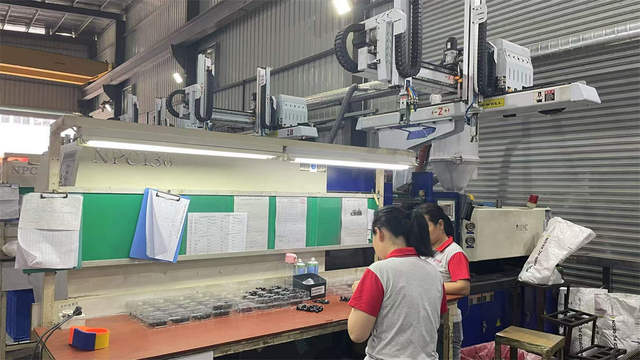
With a modern production facility and a dedicated workforce, Ocent Monitor focuses on the design, development, and manufacturing of intelligent healthcare monitoring solutions for hospitals, clinics, long-term care facilities, and home healthcare providers worldwide. The company's product portfolio includes remote patient monitoring systems, wireless vital sign monitoring devices, telehealth platforms, chronic disease management solutions, wearable health monitoring technologies, and healthcare IoT integration systems.
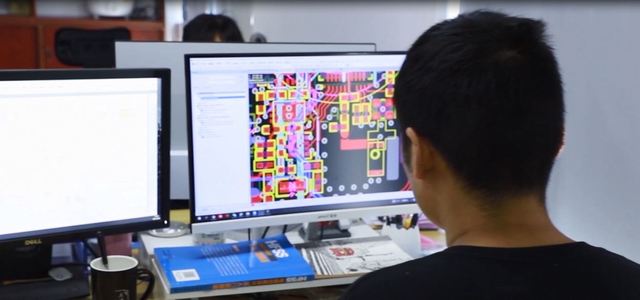
Supported by an experienced engineering team and rigorous quality management processes, Ocent Monitor is committed to continuous innovation in connected healthcare technologies, enabling healthcare professionals to access real-time patient information and make informed clinical decisions. Serving customers across North America, Europe, Asia, and the Middle East, they provide OEM and ODM services tailored to diverse healthcare applications.
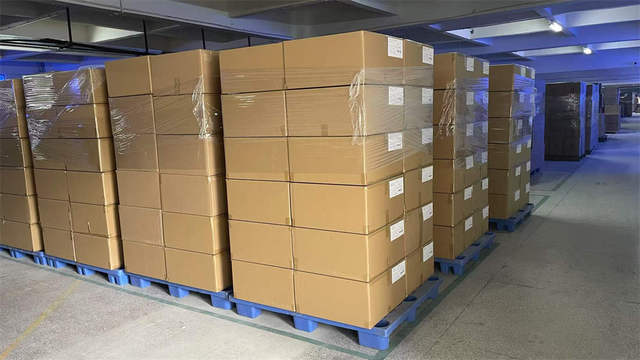
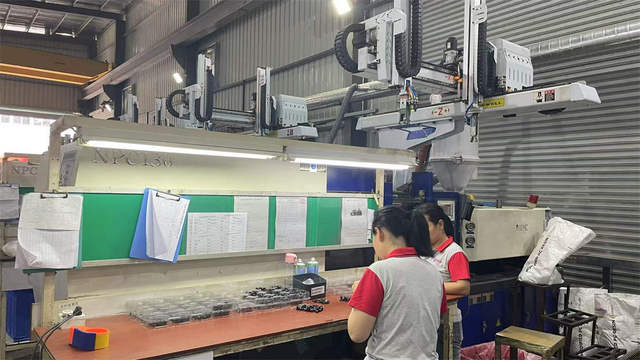
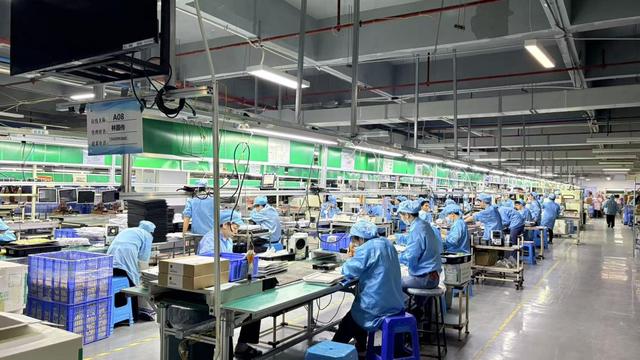
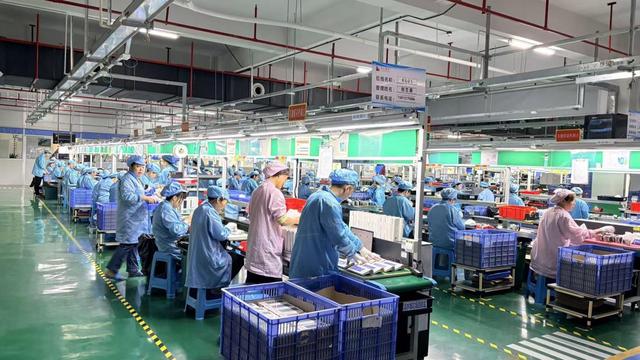
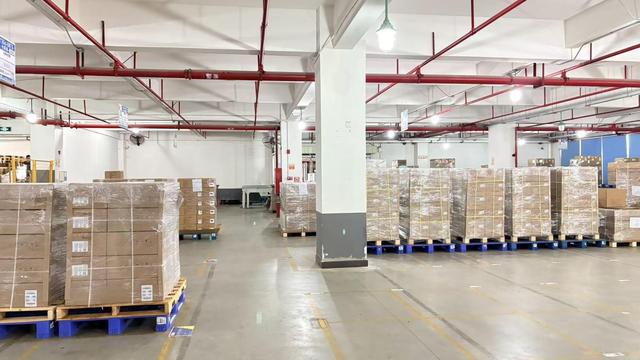
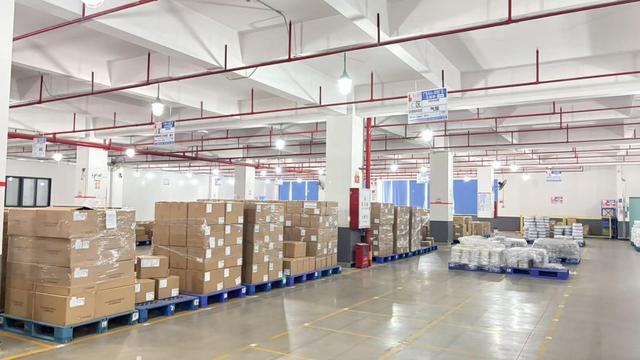
Industrial-scale production enables hospitals to deploy "Virtual Wards" where patients with acute conditions are treated at home. This requires high-reliability gateways and continuous pulse oximetry or ECG monitoring.
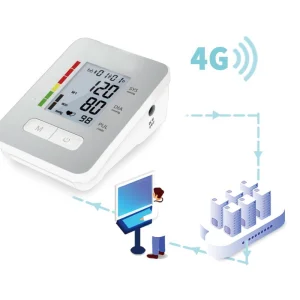
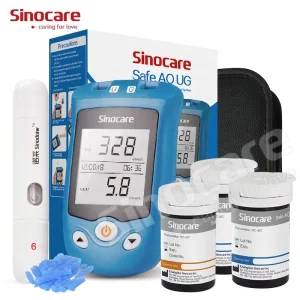
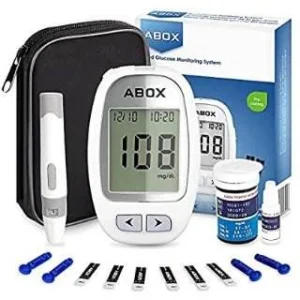
Large-scale factory outputs support millions of patients managing hypertension, diabetes, and COPD. Integration with 4G/5G ensures data reaches clinicians without patient intervention.
The "Factory" approach ensures that different sensors—whether for blood glucose or air quality—speak the same language (HL7, FHIR), allowing for a unified patient dashboard.
Ensuring patient safety means adhering to the strictest global standards. Our manufacturing processes are designed to meet the rigorous demands of various international markets.
FDA Class II compliance, HIPAA data privacy, and Medicare/Medicaid reimbursement coding support.
MDR (Medical Device Regulation) certification and GDPR data protection compliance.
Adaptation to diverse telecommunication infrastructures and local language support for elderly users.
High-durability hardware designed for diverse climatic conditions and cloud localization requirements.
Phase 1: Reactive Monitoring (Current) - Capturing vital signs and alerting clinicians when thresholds are crossed.
Phase 2: Predictive Analytics (2024-2026) - Using AI models within the monitoring hardware to predict "patient deterioration" 24 hours before a crisis occurs.
Phase 3: Autonomous Care (2027+) - Closed-loop systems where monitoring devices can adjust therapy (e.g., automated insulin delivery or oxygen titration) based on real-time physiological data.
 Ocent Monitor