Industrial-Grade Connected Diagnostic and Rehabilitation Devices
Shenzhen Ocent Monitor Co., Ltd. is a technology-driven manufacturer specializing in remote patient monitoring systems, telehealth monitoring solutions, and digital healthcare technologies. Established in 2016, the company is headquartered in Shenzhen, China, one of the world's leading innovation and electronics manufacturing hubs.
With a modern production facility covering more than 8,000 square meters and a workforce of over 180 employees, Ocent Monitor focuses on the design, development, and manufacturing of intelligent healthcare monitoring solutions for hospitals, clinics, long-term care facilities, and home healthcare providers worldwide.
A Professional Whitepaper for Health Systems Sourcing Managers and Procurement Officers
The manufacturing cluster of Shenzhen provides a deep ecosystem for clinical technology. Ocent Monitor utilizes rapid access to raw semiconductor, high-precision biosensors (PPG, ECG, SpO2), and medical-grade plastics. This cluster advantage significantly lowers the bill of materials (BOM) cost and accelerates prototyping from proof-of-concept to pilot production, saving precious time in regulatory trials.
Deploying telehealth programs requires meeting diverse legal frameworks: HIPAA in the United States and GDPR in the European Union. Products engineered by Ocent Monitor feature end-to-end data encryption (AES-256), firmware-level secure boot systems, and support integrations with localized cloud database infrastructures to ensure clinical data compliance at every stage of patient transit.
Our solutions cross-pollinate raw biometric inputs with edge-computing capabilities. From cardiac monitoring through Holter analysis to wearable sensor data on watches and rings, firmware filters noise and alerts staff of anomalous vitals. This reduces alert fatigue for clinical personnel and increases telemetry accuracy outside the hospital walls.
Supported by an experienced engineering team and rigorous quality management processes, the company maintains strict production standards throughout product development and manufacturing. Ocent Monitor is committed to continuous innovation in connected healthcare technologies, enabling healthcare professionals to access real-time patient information and make informed clinical decisions.
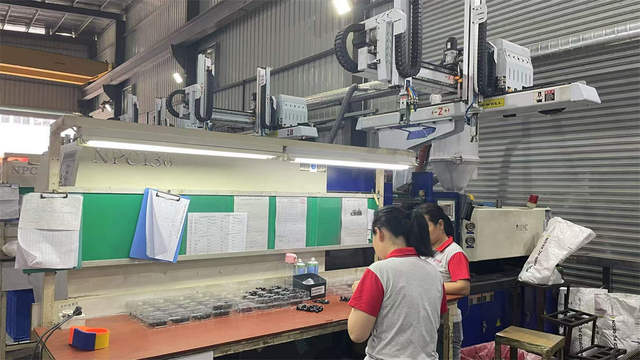
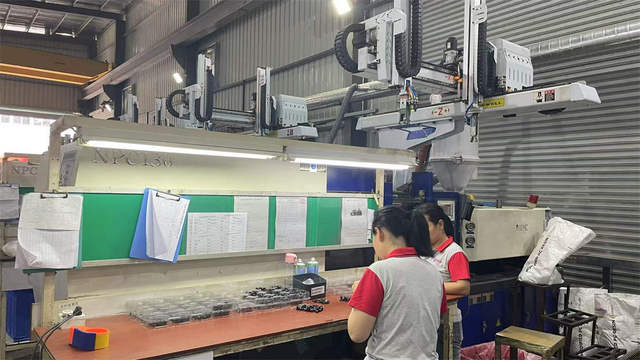
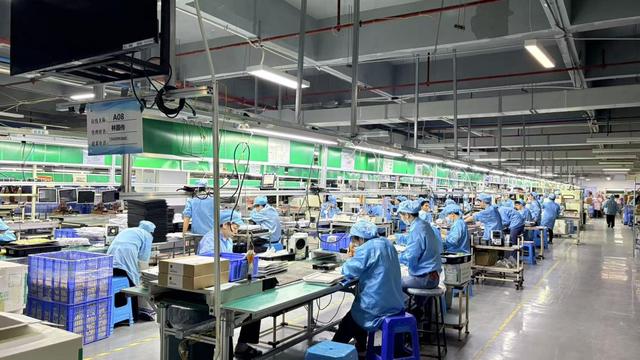
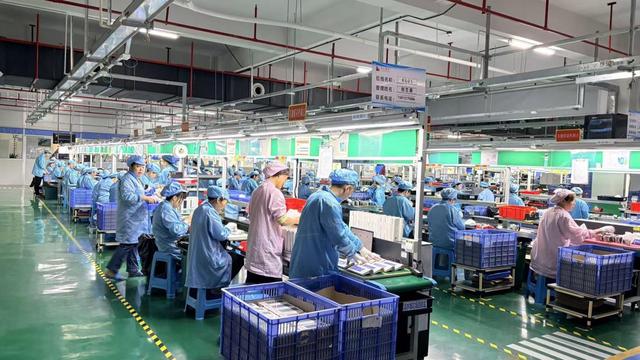
The enterprise has implemented comprehensive ISO 13485:2016 quality management systems, validating that all medical IoT devices undergo physical, chemical, and software testing. The factory features modern assembly lines, high-grade plastic injection molding, and automatic sensor calibration equipment to guarantee batch-to-batch repeatability and long service lifecycles.
Serving customers across North America, Europe, Asia, the Middle East, and other international markets, Shenzhen Ocent Monitor Co., Ltd. provides OEM and ODM services tailored to diverse healthcare applications and market requirements. Through ongoing investment in research and development, the company strives to deliver reliable, scalable, and future-oriented remote healthcare solutions that support the evolving needs of modern healthcare systems worldwide.
Why global medical device distributors choose Ocent Monitor as their manufacturing foundation:
*All internal data undergoes third-party audits annually to maintain medical device supplier eligibility in European and North American hospital buying groups.
The Evolution of Decentralized Care & Remote Therapeutic Intelligence
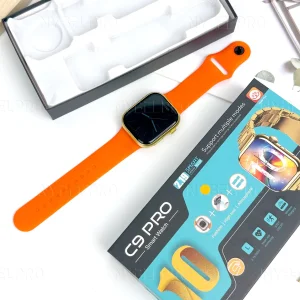
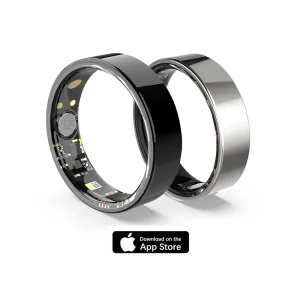
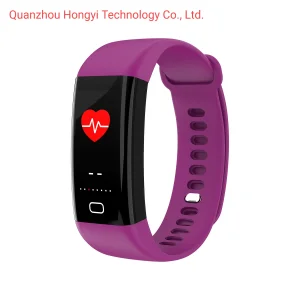
Standard heart-rate trackers are being replaced by multi-functional medical wearables. Devices like the 2026 Smart Ring and the C9 PRO Smart Watch consolidate photoplethysmography (PPG), body temperature monitors, sleep metrics, and blood oxygen saturation (SpO2) readings into unified datasets. This integration gives clinical care providers a comprehensive physiological baseline, reducing the false alarm rate in patient homes.
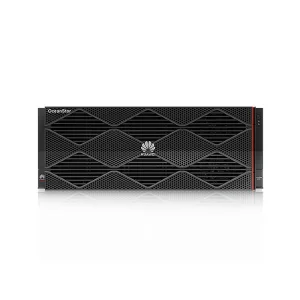
To comply with data payload regulations and save precious cellular bandwidth, telehealth architectures are shifting processing to local hardware gateways. Utilizing high-efficiency localized network appliances, such as the Computational Storage Oceanstor 2910, health networks can securely process patient telemetry data locally within their facility, executing predictive AI models without sending sensitive raw streams offsite.
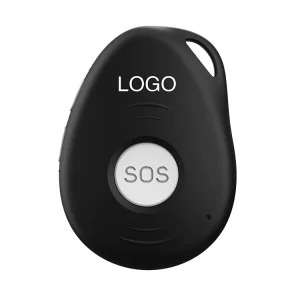
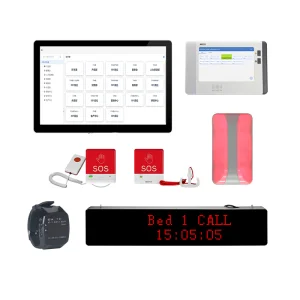
Deploying remote systems to patients without home Wi-Fi access has long been a significant barrier to health equity. Advanced technology, such as the LoRaWAN Medical Alert Bed Alarm and 4G LTE-M / NB-IoT children or elderly wearable trackers, allows devices to transmit alert flags across several kilometers directly to cellular towers, minimizing operational costs and ensuring connectivity for vulnerable populations.
Practical Cases Deployment Across Primary Clinical and Residential Scenarios
Nursing homes integrate the Elderly Safety EV07 Personal GPS Tracker with LoRaWAN wireless nurse call systems. In the event of a resident slipping from bed or falling during locomotion, the physical fall-down sensor algorithm alerts floor nurses immediately, while the GPS coordinates permit localization in open-air courtyards.
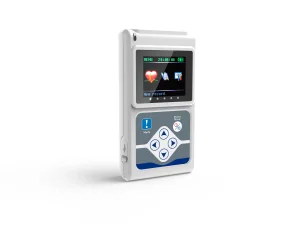
Post-discharge cardiac surgery patients wear the Wireless Holter Monitor Portable Cardiac Event Recorder. Through cloud-based cellular transmission, real-time electrocardiogram (ECG) data is sent directly to cardiac clinics, enabling the detection of intermittent arrhythmias while the patient performs their daily activities.
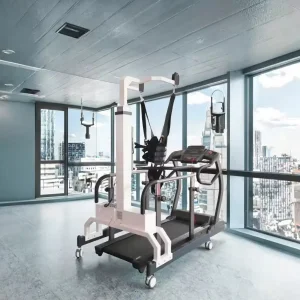
Physical therapy departments utilize the Walking Rehabilitation Patient Lifting Device Weight Loss Gait Trainer to facilitate mobility rehabilitation. Integrated sensors monitor patient weight shifts and foot pressure distributions, and export the telemetry directly to the clinician's workstation, documenting therapeutic milestones for insurance billing.
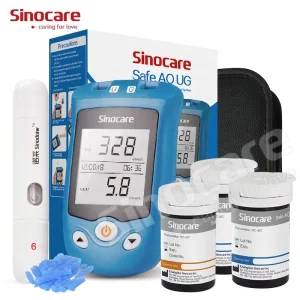
Clinics issue the Sinocare Safe Aq Ug 2-in-1 Blood Glucose and Uric Acid Test Meter to chronic outpatients. The dual-mode meter logs physiological parameters, allowing doctors to evaluate clinical diets, calibrate medication dosages, and track compliance via paired patient mobile applications.
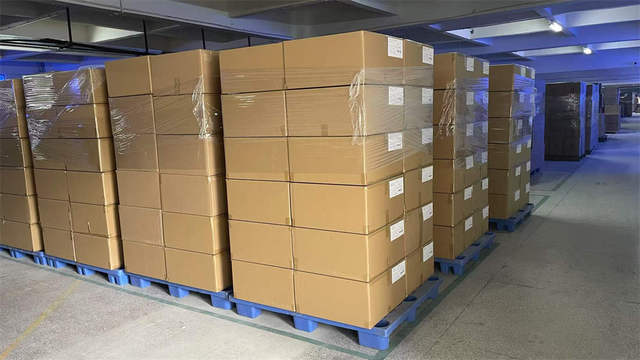
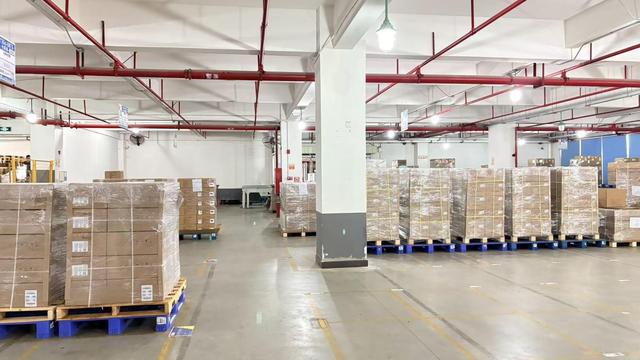
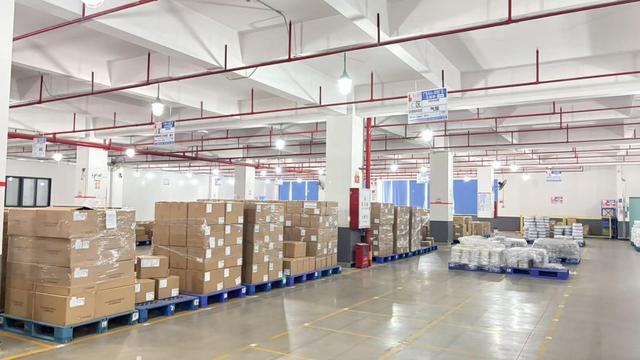
Touring Our High-Standard Medical Device Assembly and Quality Control Facilities

Essential Technical Answers for Clinical System Administrators & Sourcing Executives
Data security is built into our hardware lifecycle. At the hardware level, all biometric transmissions from our sensors use AES-256 standard encryption before sending via Bluetooth (BLE) or cellular protocols. Furthermore, our firmware includes secure boot modules that reject unauthorized modifications. For enterprise cloud integrations, we work with localized instances of hosting services like AWS, ensuring all patient database records stay in their respective legal jurisdictions.
Yes. We supply open APIs and SDK documentation for developers, allowing smooth integration. Our platform databases support HL7 and FHIR standards, enabling you to link parameters from devices like our Holter monitors, blood glucose meters, and biometric smart rings directly to electronic health record systems without proprietary software lock-in.
Standard white-label OEM orders generally have a minimum order quantity (MOQ) of 1,000 units with a lead time of 30-45 days. For complex custom ODM requests, which involve industrial design modifications, plastic injection tool making, and PCB layout adjustments, the timeline runs 90-120 days. These custom orders depend on the complexity of the device and regulatory pathways.
Absolutely. Our smart rings and clinical smartwatches employ photoplethysmography (PPG) sensor arrays and red-light absorption modules to track heart rate and blood oxygen levels. The sensor readings are calibrated against clinical gold-standard monitors to verify reliability and precision before the products are packaged and shipped from our facility.
Operating under ISO 13485:2016 certifications, our team implements a comprehensive multi-tier quality control process. This begins with incoming quality control (IQC) for electronics components and sensor chips. We follow this with in-process quality checks (IPQC) along the assembly lines, and conclude with outgoing quality control (OQC). OQC checks cover critical factors like drop testing, waterproof performance (IP67/IP68), thermal cycle limits, and battery charge-discharge stability.
Browse Our Complete Range of Wearable and Infrastructure Products
 Ocent Monitor