Shenzhen Ocent Monitor Co., Ltd. is a technology-driven manufacturer specializing in remote patient monitoring systems, telehealth monitoring solutions, and digital healthcare technologies. Established in 2016, the company is headquartered in Shenzhen, China, one of the world's leading innovation and electronics manufacturing hubs.
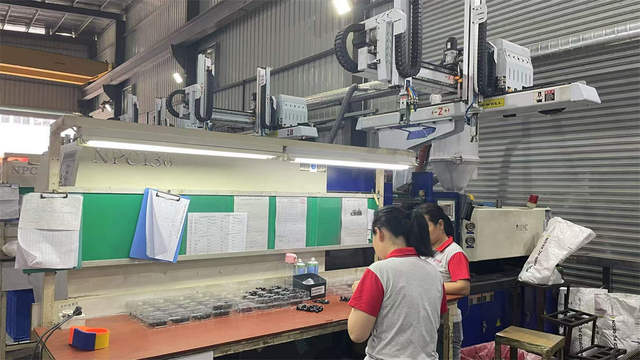
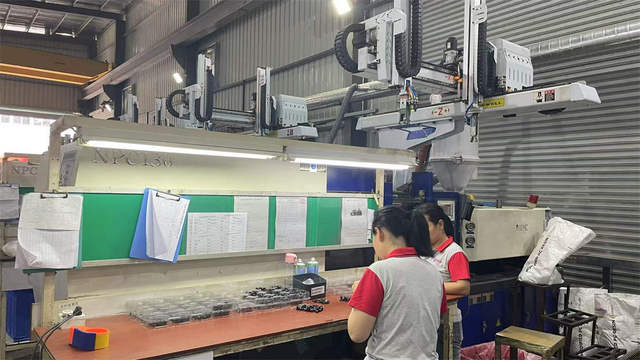
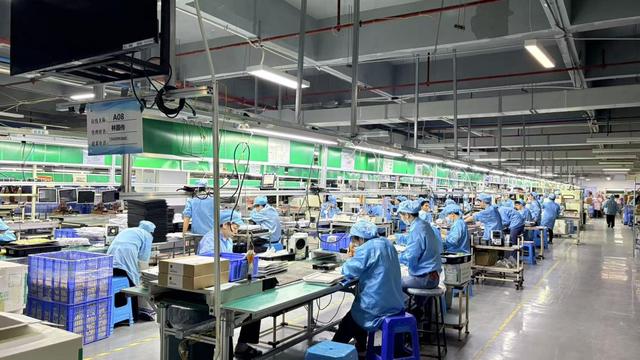
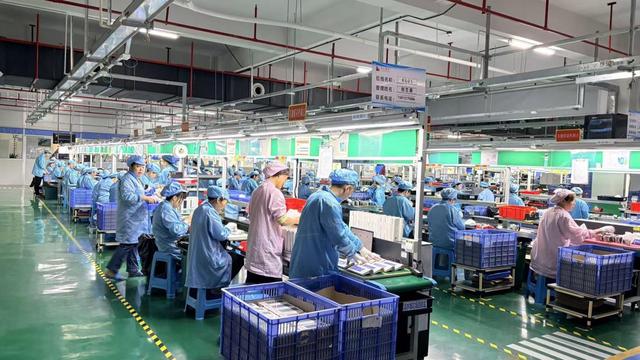
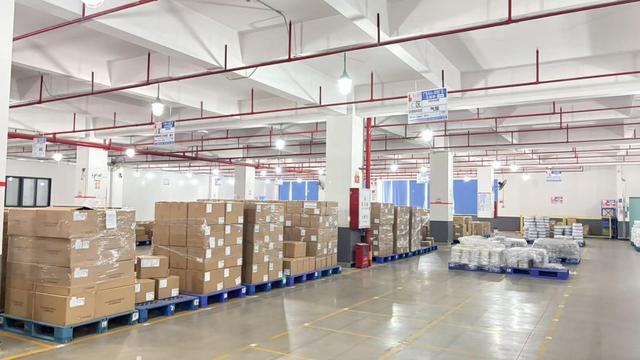
With a modern production facility covering more than 8,000 square meters and a workforce of over 180 employees, Ocent Monitor focuses on the design, development, and manufacturing of intelligent healthcare monitoring solutions for hospitals, clinics, long-term care facilities, and home healthcare providers worldwide.
Square Meters Factory
Professional Staff
International Standards
Exporting Countries
The global healthcare sector is undergoing a profound paradigm shift from reactive treatment to proactive, continuous monitoring. Mobile Health (mHealth) applications and connected wearable devices are at the heart of this transformation. As the burden of chronic diseases increases globally, healthcare systems are increasingly adopting Remote Patient Monitoring (RPM) to reduce hospital readmission rates and optimize resource allocation.
The mHealth market is projected to reach unprecedented heights as 5G connectivity and IoT sensors become ubiquitous. Exporting CE-certified medical apps is no longer just about software; it's about a holistic ecosystem of data and hardware.
With the transition from MDD to MDR in Europe, CE certification has become more stringent. Manufacturers like Ocent Monitor prioritize clinical validation and data security to meet these global compliance gold standards.
Machine Learning algorithms are now being integrated into health apps to provide predictive analytics, identifying potential health risks before they become emergency events.
Different markets have unique needs. In North America, the focus is often on insurance-reimbursable RPM solutions. In Europe, data privacy (GDPR) and chronic elderly care are paramount. Our technical roadmap is designed to address these nuances:
Ocent Monitor provides comprehensive solutions that span multiple healthcare verticals:
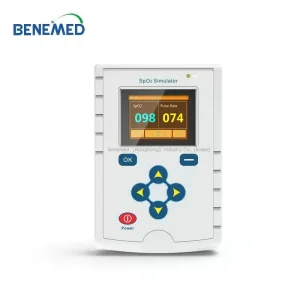
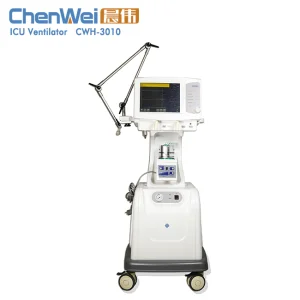
Advanced monitors and ventilators connected to a centralized dashboard for real-time critical care tracking.
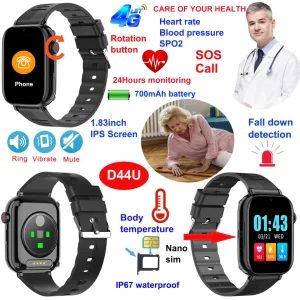
Wearable GPS trackers and fall detection sensors combined with vital sign monitoring for "Aging in Place" initiatives.
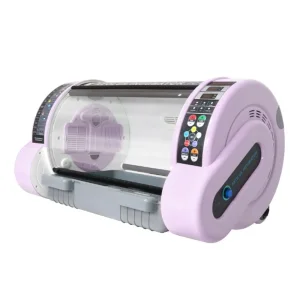
High-tech monitoring boxes and incubators tailored for the growing veterinary telehealth market.
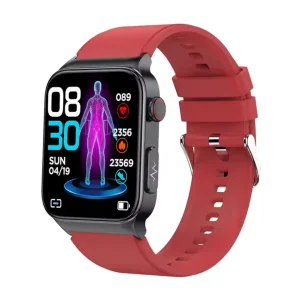
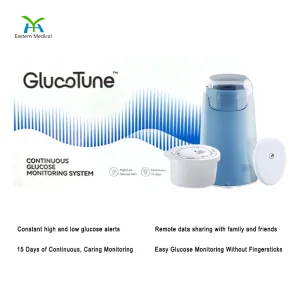
The company's product portfolio includes remote patient monitoring systems, wireless vital sign monitoring devices, telehealth platforms, chronic disease management solutions, wearable health monitoring technologies, and healthcare IoT integration systems. By combining advanced sensor technology, cloud connectivity, and data management capabilities, Ocent Monitor helps healthcare organizations improve patient engagement, enhance care efficiency, and support continuous health monitoring beyond traditional clinical settings.
Supported by an experienced engineering team and rigorous quality management processes, the company maintains strict production standards throughout product development and manufacturing. Ocent Monitor is committed to continuous innovation in connected healthcare technologies, enabling healthcare professionals to access real-time patient information and make informed clinical decisions.
Serving customers across North America, Europe, Asia, the Middle East, and other international markets, Shenzhen Ocent Monitor Co., Ltd. provides OEM and ODM services tailored to diverse healthcare applications and market requirements. Through ongoing investment in research and development, the company strives to deliver reliable, scalable, and future-oriented remote healthcare solutions that support the evolving needs of modern healthcare systems worldwide.

CE certification ensures that the device and its accompanying software meet the EU's rigorous safety, health, and environmental protection requirements. For mHealth, this often involves MDR (Medical Device Regulation) compliance, ensuring the app's diagnostic or monitoring outputs are clinically reliable.
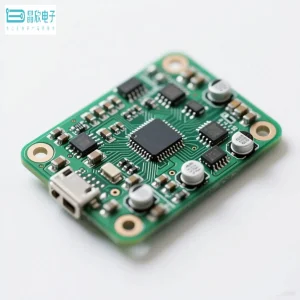
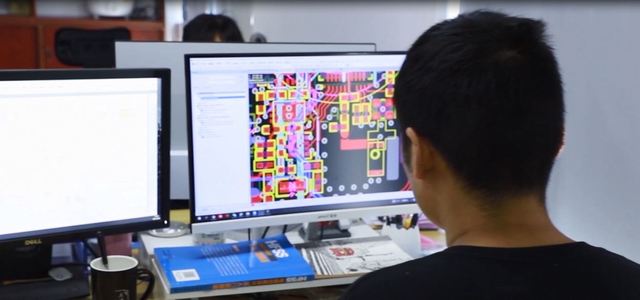
Yes, we specialize in end-to-end services from PCB/PCBA design to final product assembly. With our 8,000 sqm facility, we can handle custom firmware development, app integration, and hardware branding to meet specific market needs.
We implement end-to-end encryption for all data transmissions from the wearable device to the cloud. Our systems are designed to be compliant with global privacy standards, including GDPR and HIPAA, protecting sensitive patient health information.
Absolutely. Our telehealth platforms and IoT integration systems utilize standard API protocols, enabling seamless data flow into Electronic Health Records (EHR) and Hospital Information Systems (HIS).
 Ocent Monitor