Robust patient monitoring hardware feeding continuous real-time datasets into predictive medical cloud platforms.

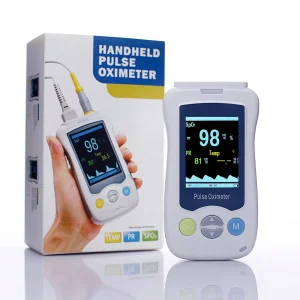
The global healthcare sector is undergoing a profound paradigm shift, transitioning rapidly from episodic reactive treatment paradigms to data-driven, continuous, and predictive healthcare models. At the epicenter of this transformation lies the field of healthcare analytics solutions. While software platforms, machine learning algorithms, and predictive AI models command significant market attention, the underlying success of these analytical layers rests entirely on the precision, fidelity, and reliability of the physical medical hardware—specifically the IoT edge monitoring devices, telemetry sensors, and digital interfaces that ingest physiological data at the source.
In modern hospital operations and remote patient management (RPM), clinical analytics solutions translate raw telemetry parameters (heart rate, blood oxygen levels, continuous ECG tracking, blood pressure, etc.) into actionable insights. According to recent market analysis, the global healthcare analytics market is projected to exceed USD 85 billion by 2028, expanding at a compound annual growth rate (CAGR) of over 21%. This massive expansion is fueled by the critical demand to optimize hospital workflows, minimize readmission rates under value-based care agreements, and manage clinical staff shortages through automated monitoring.
However, the major pain point for healthcare providers, clinical data systems integrators, and software vendors is the data extraction gap. Many medical hardware installations remain siloed, locking invaluable patient data behind proprietary, non-interoperable communication frameworks. This is why leading healthcare analytics solutions manufacturers are shifting their design focus towards open-architecture telehealth platforms, LoraWAN/NB-IoT wireless connectivity, and clinical HL7/FHIR (Fast Healthcare Interoperability Resources) compliance.
Within this global analytics framework, Shenzhen Ocent Monitor Co., Ltd. stands as a premier technology-driven manufacturer specializing in remote patient monitoring (RPM) systems, telehealth monitoring solutions, and integrated digital healthcare technologies. Founded in 2016 and headquartered in Shenzhen, China—a preeminent global crucible of advanced electronics engineering and supply chain consolidation—Ocent Monitor is uniquely positioned to deliver the high-precision clinical hardware required to feed modern analytic engines.
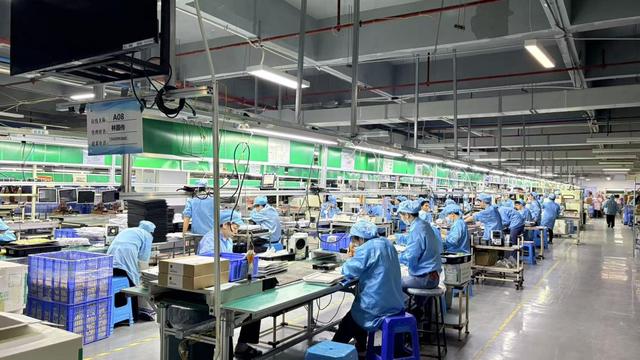
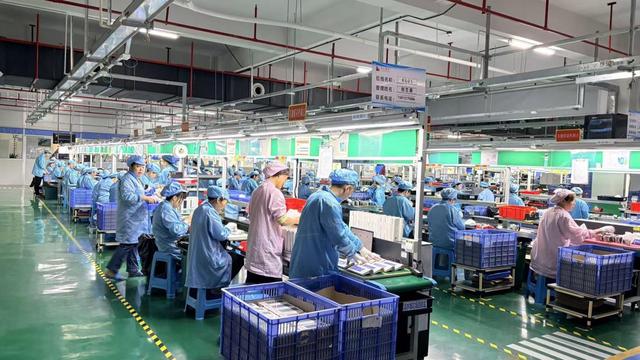
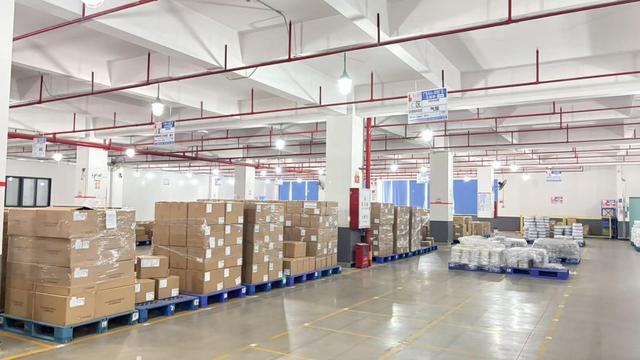
Operating a state-of-the-art production facility that spans more than 8,000 square meters and housing over 180 highly skilled professionals, the company maintains a dedicated focus on the research, development, and manufacturing of intelligent medical hardware. Ocent Monitor's engineering capability is custom-aligned to serve international hospitals, private clinics, regional long-term care facilities, and SaaS healthcare analytics providers.
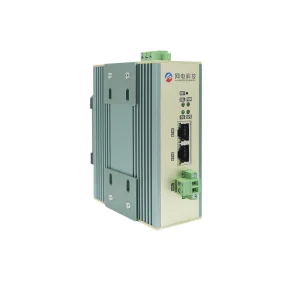
Over 180 engineers and technicians specializing in bio-sensors, embedded software, and wireless telemetry (4G/5G/NB-IoT).
Operating under ISO 13485 quality protocols, ensuring CE, MDR, and FDA compliance across all healthcare monitoring lines.
Standardized interfaces enabling seamless data integration into EMR/EHR suites via API and HL7 standard protocols.
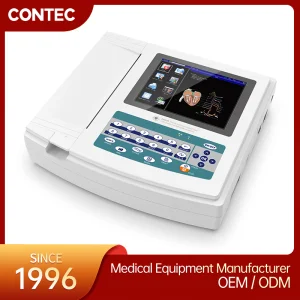
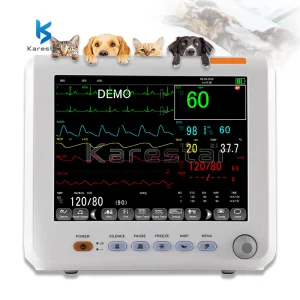
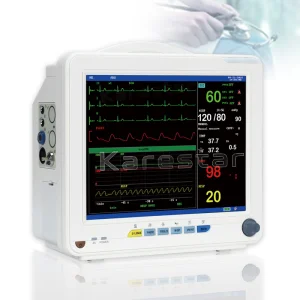
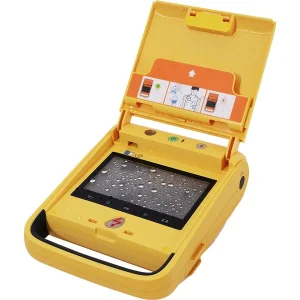
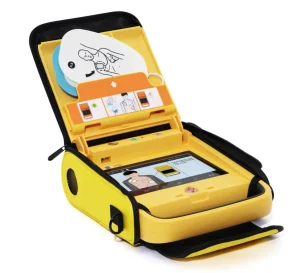
The company's product portfolio is meticulously engineered to support the entire spectrum of patient monitoring: from wireless vital sign monitors, digital 12-channel ECG systems, and telehealth blood pressure monitors, to critical emergency medical equipment such as biphasic cardiac defibrillators. By combining advanced, ultra-reliable biosensor technologies with robust cloud connectivity, Ocent Monitor empowers healthcare organizations to reduce data collection latencies and drive clinical efficiency beyond the borders of traditional facility walls.
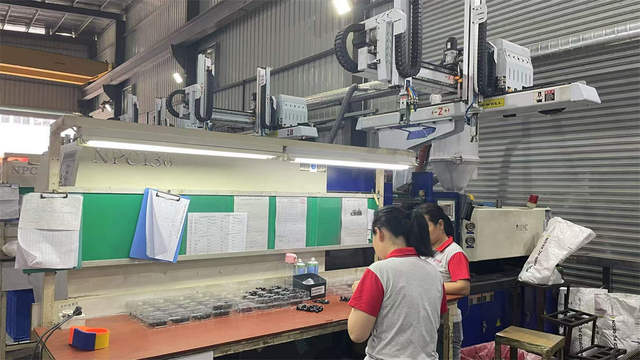

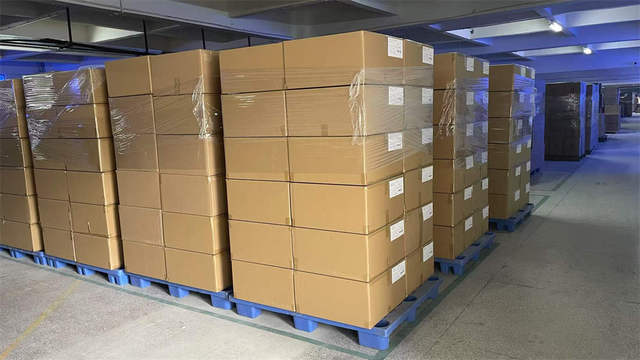
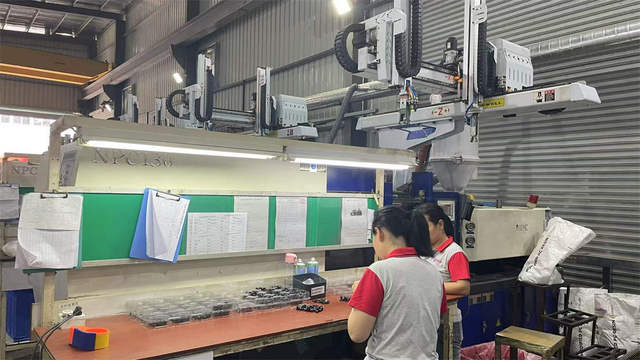

When considering the deployment of remote patient monitoring platforms or medical-grade IoT solutions at an enterprise scale, procurement executives must balance engineering quality with capital efficiency. Chinese medical manufacturing, specifically located within the high-technology clusters of Shenzhen, offers unique structural advantages that cannot be replicated easily in other regions:
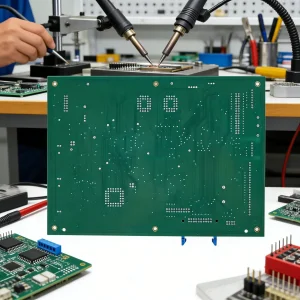
Shenzhen hosts a dense concentration of PCB fab facilities, precision plastics molders, chip packaging units, and bio-sensor developers. For Ocent Monitor, this proximity translates into exceptionally compressed prototyping timelines—compressing months of engineering iterations down to mere weeks.
With an 8,000 square meter factory, Ocent Monitor can effortlessly scale output from small customized trial batches (useful for localized clinical pilots) to high-volume commercial rollouts of hundreds of thousands of vital sign monitoring modules.
By leveraging advanced manufacturing automation and localized supply chains, production unit costs are optimized. This allows medical software suppliers and hospitals to obtain CE MDR-compliant, highly reliable hardware interfaces at a fraction of the cost of local assembly in North America or Western Europe, maximizing their ROI on hardware deployments.
Modern medical analytics systems demand diverse hardware topologies depending on the point-of-care setting. Below are critical localized application scenarios where Ocent Monitor’s hardware solutions form the structural foundation of data collection:
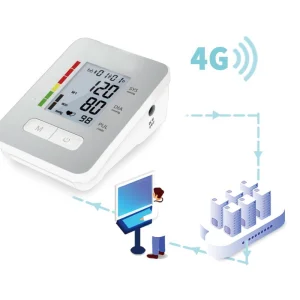
In home care settings, patients diagnosed with chronic heart disease or severe hypertension require consistent, daily monitoring. The Telehealth 4G Blood Pressure Monitor transmits systolic and diastolic pressure, along with pulse data, directly via integrated cellular connections (eliminating complex home Wi-Fi setup tasks for elderly patients). The data lands in the provider’s health analytics cloud, triggering automated alerts if clinical thresholds are breached.
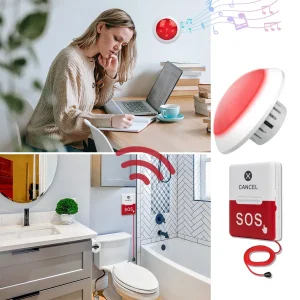
In nursing homes and long-term care environments, patient safety and immediate response are paramount. Ocent’s Senior Citizen Alarm Toilet Alarm & Bathroom Nurse Calling Bell with a pull cord design acts as a vital safety interface. Connected via sub-GHz wireless channels or local networks, it logs safety response analytics—allowing administrators to evaluate emergency response latencies and staff resource allocation.
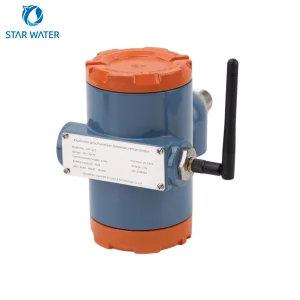
Healthcare monitoring extends beyond clinical facilities into industrial environments. The Customized Reverse Engineering PCB Solution for Mining Safety Monitoring Systems and the Explosion-Proof Digital Display Lora Nb-IoT Wireless Liquid Gas Temperature Monitoring Solution are designed for rugged, volatile environments. They monitor environmental risk metrics, ensuring worker safety and feeding industrial analytics systems with real-time site data.
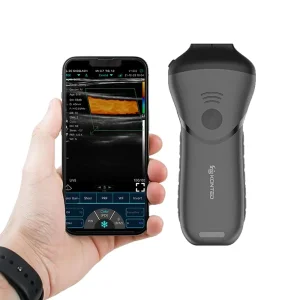
During emergency transport, continuous monitoring is vital. The Monitoring Ambulance with Rescue Service for Critical Patient Emergency Transfer incorporates multi-parameter telemetry units, portable defibrillators, and pocket ultrasound devices. These instruments feed real-time diagnostic parameters to receiving hospital ICUs, enabling trauma analytics software to guide receiving emergency physicians before the patient even arrives.
Several paradigm-shifting megatrends are defining the future of the medical analytics and hardware industries over the next five years:
High-fidelity medical telemetry interfaces, mobile cardiac emergency equipment, and vital sign monitoring accessories.
Procuring medical electronics from offshore manufacturers requires a stringent compliance checklist to mitigate regulatory, quality, and technical challenges:
Ensure the manufacturer possesses accredited certifications such as ISO 13485 (Medical Devices Quality Management Systems). For deployment in the European Union, products must carry CE marking under the Medical Device Regulation (MDR 2017/745). For US markets, FDA 510(k) clearance is standard for Class II monitoring hardware. Ocent Monitor maintains rigorous adherence to these global frameworks.
Edge monitoring hardware must protect Protected Health Information (PHI) under HIPAA (Health Insurance Portability and Accountability Act) and GDPR guidelines. Confirm that data transmitted over Wi-Fi, 4G, or NB-IoT is encrypted end-to-end using AES-256 standards.
A major criteria when selecting a supplier is their capability to modify the device's firmware. This ensures compatibility with custom transmission protocols, unique security handshakes, or regional telecommunication bands (e.g., customized cellular spectrum allocations in North America vs. Europe).
Medical hardware life cycles average 5 to 7 years. Your manufacturer must offer guarantees against component obsolescence, ensuring long-term availability of replacement components, probes, and diagnostic modules.
Essential technical answers for CIOs, medical device integrators, and international procurement managers.
 Ocent Monitor