Begin with four factory-direct platforms that address fingertip screening, handheld spot checks, overnight oximetry, and continuous remote monitoring requirements. All original product images and URLs are retained for sourcing teams, distributors, and clinical procurement review.
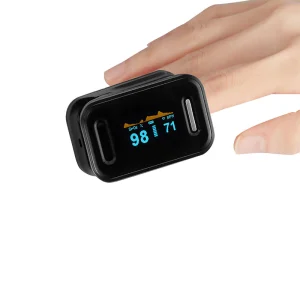
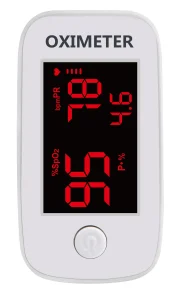
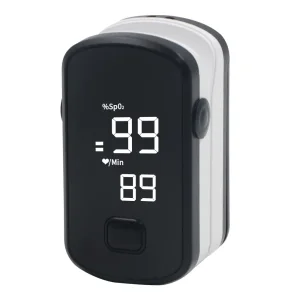
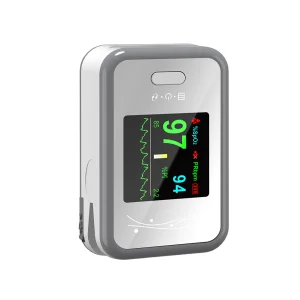
The production base combines engineering depth, scalable manufacturing, and OEM/ODM flexibility for healthcare buyers serving Novosibirsk and other international markets.
Novosibirsk is not only a major Siberian population center; it is also a scientific, clinical, educational, industrial, and logistics hub. That combination creates practical demand for connected SpO₂ monitoring across hospital referral networks, home care, occupational health, telehealth, and research-led care models.
Novosibirsk serves as a referral center for patients across Siberia. Hospitals and clinics can use remote pulse oximetry monitoring to support respiratory assessment, post-discharge follow-up, chronic disease reviews, and teleconsultation workflows where travel distances are significant.
Home-care agencies, family caregivers, and private clinics increasingly need simple SpO₂ devices with clear displays, reliable battery life, and Bluetooth or data-export options. Overnight and continuous wrist oximetry can help structure observation outside the hospital without overloading inpatient capacity.
Novosibirsk’s continental climate places practical demands on device handling, battery behavior, storage, and user instructions. Buyers should evaluate warm-up procedures, low-temperature transport documentation, robust sensor clips, and distributor service readiness rather than viewing the oximeter as a generic consumer accessory.
The Novosibirsk scientific and university ecosystem supports clinical research, physiology studies, digital health pilots, and device validation projects. OEM modules, Bluetooth oximeters, and simulator-test tools can be adapted for research procurement and integration projects.
Energy, transport, mining-support, manufacturing, logistics, and utilities operations require practical health monitoring in remote or shift-based environments. Pulse oximetry can be included in occupational health kits, first-response plans, and telemedicine programs for staff working in isolated locations.
Local distributors need repeatable product portfolios, Russian-language documentation support, packaging consistency, and clear lead times. A factory partner with OEM/ODM capability can help Novosibirsk suppliers serve public tenders, clinic chains, and e-commerce channels with differentiated configurations.
Procurement insight: Novosibirsk buyers often compare initial device price with total operational readiness, including documentation, service access, sensor durability, replacement parts, battery regulations, and compatibility with existing clinical or telehealth workflows.
For Novosibirsk buyers, supplier credibility depends on transparent manufacturing context, product breadth, quality process discipline, and export experience. The following company information is retained in full.
Shenzhen Ocent Monitor Co., Ltd. is a technology-driven manufacturer specializing in remote patient monitoring systems, telehealth monitoring solutions, and digital healthcare technologies. Established in 2016, the company is headquartered in Shenzhen, China, one of the world's leading innovation and electronics manufacturing hubs.
With a modern production facility covering more than 8,000 square meters and a workforce of over 180 employees, Ocent Monitor focuses on the design, development, and manufacturing of intelligent healthcare monitoring solutions for hospitals, clinics, long-term care facilities, and home healthcare providers worldwide.
The company's product portfolio includes remote patient monitoring systems, wireless vital sign monitoring devices, telehealth platforms, chronic disease management solutions, wearable health monitoring technologies, and healthcare IoT integration systems. By combining advanced sensor technology, cloud connectivity, and data management capabilities, Ocent Monitor helps healthcare organizations improve patient engagement, enhance care efficiency, and support continuous health monitoring beyond traditional clinical settings.
Supported by an experienced engineering team and rigorous quality management processes, the company maintains strict production standards throughout product development and manufacturing. Ocent Monitor is committed to continuous innovation in connected healthcare technologies, enabling healthcare professionals to access real-time patient information and make informed clinical decisions.
Serving customers across North America, Europe, Asia, the Middle East, and other international markets, Shenzhen Ocent Monitor Co., Ltd. provides OEM and ODM services tailored to diverse healthcare applications and market requirements. Through ongoing investment in research and development, the company strives to deliver reliable, scalable, and future-oriented remote healthcare solutions that support the evolving needs of modern healthcare systems worldwide.
For Novosibirsk distributors and healthcare groups, this manufacturing profile supports discussions around custom labeling, packaging, firmware configuration, device selection, accessory kits, and long-term supply planning. Buyers should confirm the exact regulatory documents, test reports, and product configurations required for their local channel before purchase.
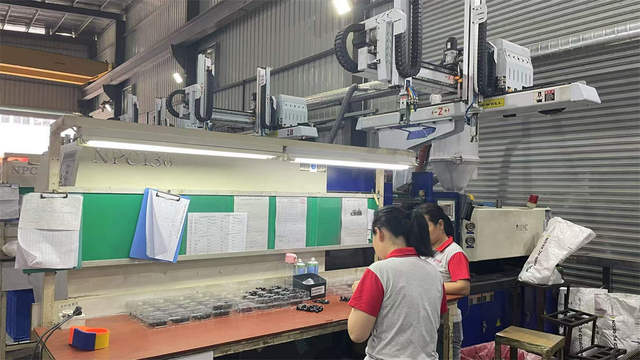
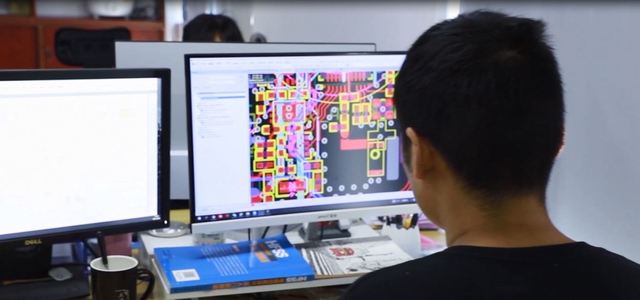
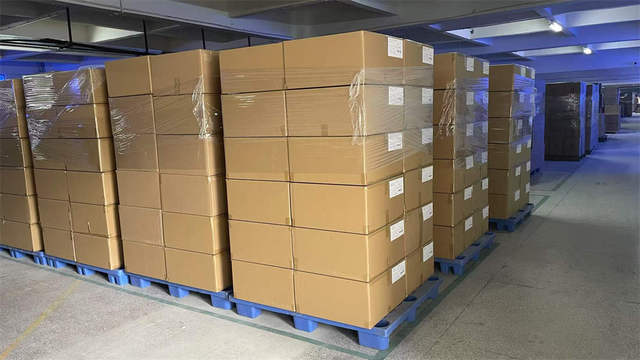
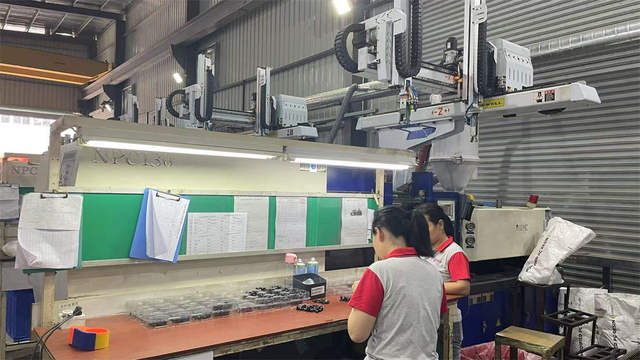
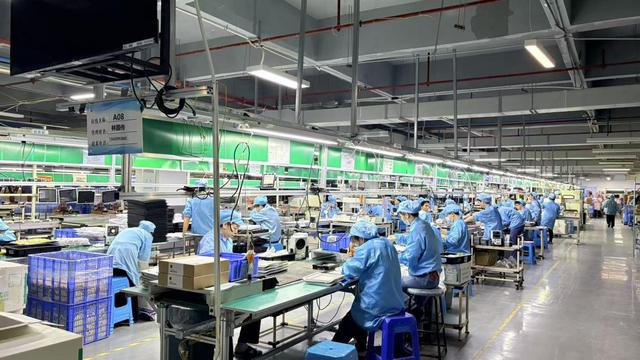
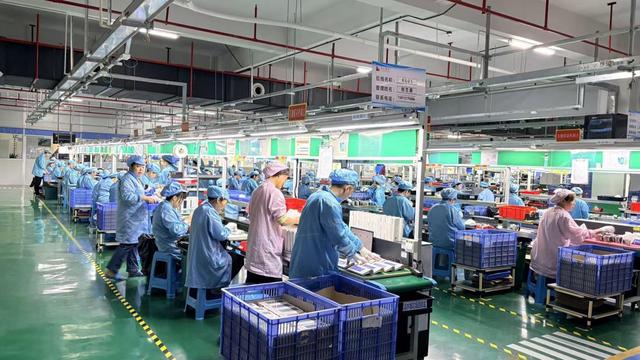

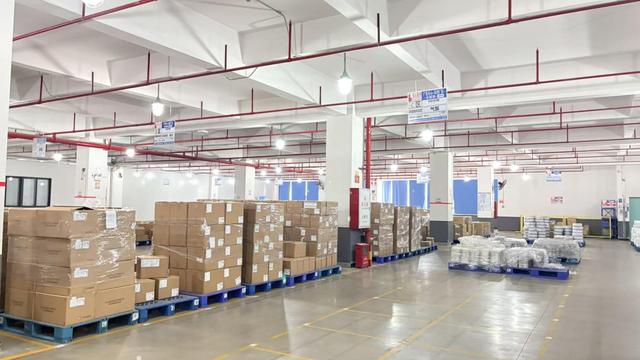
For distributors and healthcare suppliers serving Novosibirsk, a China-based OEM/ODM factory can create value beyond unit price by offering configuration control, component sourcing, documentation coordination, and scalable production planning.
Custom logo, packaging, language files, accessory kits, Bluetooth naming, and user-manual layout can help a Novosibirsk distributor build a locally relevant product line. Engineering support should be scoped early, because customization affects validation, labeling, and lead time.
Factories with mature electronics supply chains can plan consistent batches of fingertip oximeters, handheld monitors, wearable modules, and Bluetooth units. For tender-driven markets, the ability to reserve capacity and standardize bills of materials is often as important as initial pricing.
Remote pulse oximetry monitoring is a system — not just a sensor. OEM modules, firmware settings, data output protocols, alarm behavior, and enclosure design all influence how a device performs in hospital, home, or occupational health workflows.
Professional buyers commonly request product specifications, test reports, software notes, battery shipping information, packaging data, and regulatory declarations. A factory partner should help organize these documents so Novosibirsk importers can review compliance requirements efficiently.
Devices powered by lithium batteries or shipped with accessories need packaging and transport documentation aligned with air, rail, and road logistics. Novosibirsk’s position as a transport gateway makes shipment planning, barcode labeling, and carton configuration important for distributors.
Factory-direct sourcing can reduce unnecessary intermediary layers, but the best purchasing decision considers warranty, spare-parts planning, sensor replacement, software support, and user training. A total-cost model is more reliable than a lowest-price comparison.
The pulse oximetry market is moving from isolated fingertip measurements toward connected, longitudinal, and workflow-aware monitoring. For Novosibirsk, this shift creates opportunities in home care, telehealth, occupational health, and hospital-at-home models.
Wrist and wearable oximeters are increasingly used to capture trends during sleep, recovery, or daily activity. The clinical and procurement focus is shifting toward data quality, comfort, battery life, alarm logic, and data export rather than one-time spot readings alone.
Remote patient monitoring programs need devices that can transmit SpO₂ data to a phone, gateway, or clinical dashboard. Bluetooth pulse oximeters and OEM modules let distributors and healthcare IT teams integrate oximetry into broader telehealth and chronic-care platforms.
Analytics can help summarize oxygen saturation trends and flag meaningful changes, but clinical oversight remains essential. Procurement teams should ask how algorithms are validated, how alerts are communicated, and whether raw data remains accessible for clinicians.
OEM SpO₂ modules and wearable designs enable integration into wristbands, patch-style monitors, and multi-parameter vital-sign devices. This is particularly relevant for research institutions and developers in Novosibirsk’s scientific ecosystem.
Connected oximetry creates data flows that must be assessed for privacy, access control, device pairing, and retention. Healthcare organizations serving Novosibirsk should validate data-storage location, user authentication, and integration boundaries before deployment.
Long winters and indoor heating cycles can affect device storage, battery performance, and user behavior. Practical design choices — clear displays, tactile buttons, stable sensor clips, and robust charging methods — can improve adherence in home and field use.
Successful procurement is application-led. These scenarios show how Novosibirsk healthcare providers, distributors, and institutions can align pulse oximetry devices with real operational needs.
Handheld and fingertip oximeters support rapid SpO₂ checks during ward rounds, admission triage, and post-operative observation. For continuous data, wireless or wrist-worn devices can feed monitoring dashboards where clinical workflows permit.
First responders need quick, durable readings in cold or mobile environments. Clear displays, fast boot-up, protective cases, and simple operation are valuable. Documentation and training should address low-temperature use and battery management.
For patients recovering at home, fingertip oximeters with Bluetooth or memory functions can support structured follow-up. Providers can train caregivers to record readings and escalate based on approved clinical protocols.
Industrial and infrastructure operators can include pulse oximetry within wellness checks and remote-site health kits. The device should be positioned as a monitoring aid and integrated into an occupational health policy with trained staff oversight.
Bluetooth oximeters can feed oxygen saturation readings into telehealth sessions. This is relevant where patients are distant from Novosibirsk clinical centers or where follow-up visits can be conducted remotely with appropriate clinical governance.
Veterinary monitors, OEM modules, and simulator devices support research and training environments. The Novosibirsk scientific ecosystem may require flexible hardware configurations, data export, and technical documentation for experimental workflows.
Remote pulse oximetry monitoring becomes scalable when devices, connectivity, clinical workflows, and governance are designed together. The following model helps buyers evaluate a factory platform beyond a single product SKU.
Fingertip, handheld, wrist, Bluetooth, and OEM module options create a portfolio for screening, spot checking, overnight monitoring, and integration. Accessories and sensor durability should match the target care setting.
Bluetooth transmission, mobile apps, gateways, and data-export methods connect readings to telehealth or clinical platforms. Buyers should confirm interoperability requirements, pairing procedures, and data formats.
SpO₂ readings only create value when they support a defined pathway: who reviews the data, how alarms are handled, when a patient is contacted, and what documentation is required. Training and protocol design are essential.
Privacy, cybersecurity, regulatory status, consent, and clinical risk management must be planned before large-scale deployment. Local legal and regulatory review in Novosibirsk or the wider Russian market should precede procurement commitments.
Enterprise procurement teams, distributors, and tender suppliers rarely buy a device in isolation. They evaluate product portfolio fit, regulatory documentation, data capability, supply reliability, and total lifecycle support. The checklist below is especially relevant for Novosibirsk-focused purchasing programs.
Buyers commonly request CE, FDA, ISO-related quality documentation, test reports, and product declarations where applicable. The exact pathway depends on the destination market, product class, and intended use. Confirm the required documents before finalizing a Novosibirsk order.
Clinical and telehealth systems require clear data formats, Bluetooth profiles, app behavior, and export options. A factory partner should be able to explain how SpO₂ values, pulse rate, waveforms, and timestamps are transmitted or stored.
The appropriate evidence depends on product claims and intended use. Procurement teams should review specification limits, test conditions, sensor performance, and user instructions rather than relying only on marketing statements.
Battery-powered products require transport documentation and packaging consistency. For distribution to Novosibirsk, buyers should plan for air freight and regional road/rail movement, including carton labeling and storage conditions.
Connected devices can generate personal health data. Enterprise buyers should assess data-storage location, user authentication, device pairing, firmware update policy, and third-party app dependencies before integrating oximetry into a remote-care platform.
Unit price is only one part of the model. Spare sensors, warranty, distributor training, lead time, minimum order quantity, and replacement logistics all affect the true cost. A diversified product mix can reduce supply risk for Novosibirsk distributors.
Reliability note: This page is written for B2B procurement and healthcare operations planning. Device selection, clinical use, and regulatory approval must be reviewed by qualified local professionals and authorities in the target market.
This visual is an illustrative planning aid, not a statistical survey. It reflects common procurement themes for connected medical devices in regional healthcare markets.
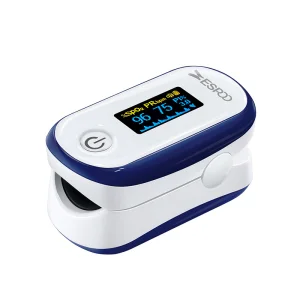
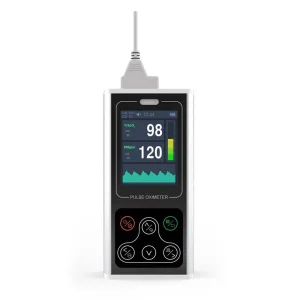
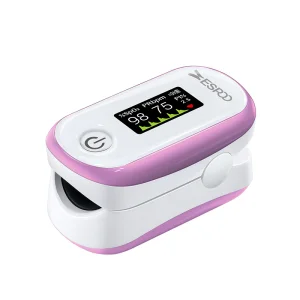
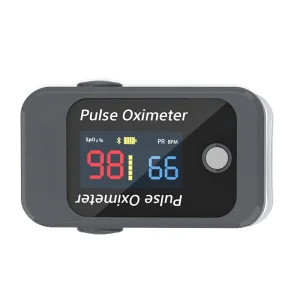
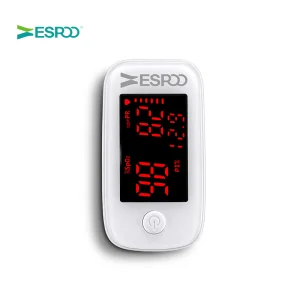
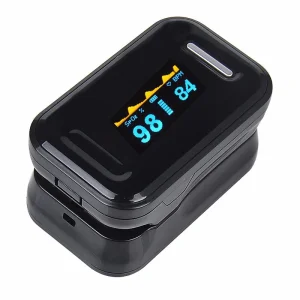
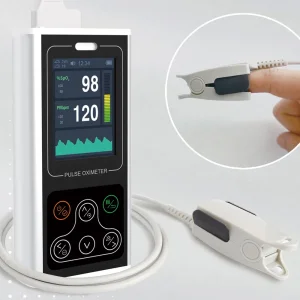
These four products broaden the sourcing matrix with multiple display formats, CE/FDA-oriented supply options, oxygen saturation monitors, and fingertip pulse oximeter configurations for clinics and distributors.
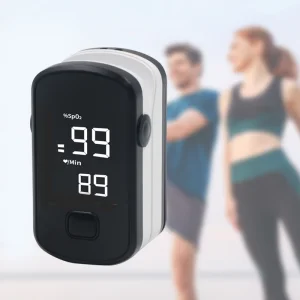
Move from product interest to a repeatable remote pulse oximetry program with a documented sequence that aligns clinical, technical, and commercial stakeholders.
Clarify whether the device is for hospital spot checks, overnight monitoring, home care, occupational health, or OEM integration. Define who reads the data, how often, and under what escalation protocol.
Match fingertip, handheld, wrist, Bluetooth, or module formats to the use case. Confirm accessories, language support, battery method, packaging, and data-output requirements.
Review product specifications, regulatory documents, labeling, warranty terms, and support responsibilities. Run sample evaluations where possible and document user feedback.
Confirm minimum order quantity, lead time, spare-parts strategy, shipping method to Novosibirsk, training materials, and a repeat-order schedule that protects distributor inventory.
These answers support distributor due diligence and B2B sourcing teams evaluating factory-direct pulse oximetry products for Novosibirsk.
Pulse oximeters are typically used as monitoring aids that provide oxygen saturation and pulse-rate information. They should be used according to the manufacturer’s intended-use statement, local clinical protocols, and professional judgment. Novosibirsk buyers should confirm the exact intended use and regulatory status for each model before clinical deployment.
Ocent Monitor provides OEM and ODM services tailored to diverse healthcare applications and market requirements. Project scope may include branding, packaging, language support, accessory configuration, and product selection. Buyers should define target specifications, documentation needs, volumes, and acceptance criteria before development begins.
Depending on the market and model, buyers may request CE-related documents, FDA-related documentation where applicable, quality-management information, product test reports, declarations, labeling, and battery transport information. Requirements vary by intended use and destination market, so Novosibirsk importers should confirm the local pathway with qualified regulatory specialists.
Cold-weather planning should cover storage, transport, warm-up time, battery behavior, and user instructions. Devices with clear displays, robust sensor clips, and predictable power management are easier to deploy. Distributors should maintain appropriate storage conditions and train users on operating procedures during winter months.
Bluetooth oximeters can transmit readings to compatible mobile apps or connected systems, but integration depends on the specific app, data protocol, and platform requirements. Buyers should test pairing behavior, data export, timestamp accuracy, and privacy controls before connecting devices to any Novosibirsk telehealth workflow.
MOQ and lead time depend on product type, customization, accessories, packaging, and order volume. For first orders, a distributor may prefer a mixed portfolio of fingertip, handheld, and Bluetooth models. For repeat orders, capacity planning and spare-sensor forecasting become more important.
Shipments may move by air, rail, or road depending on size, urgency, battery classification, and importer capabilities. Professional packing, barcode labeling, carton documentation, and coordination with the importer’s freight forwarder are important. The buyer remains responsible for local customs and regulatory clearance.
Factory-direct supply can support distributors with product documentation, customization discussions, and repeat-order planning. For tenders, buyers should provide clear technical specifications, required certificates, packaging rules, delivery terms, and after-sales obligations so that the correct configuration and documents can be prepared.
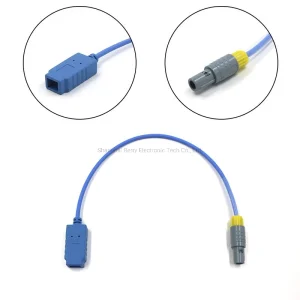
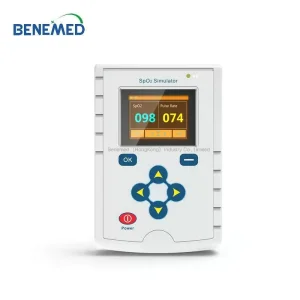
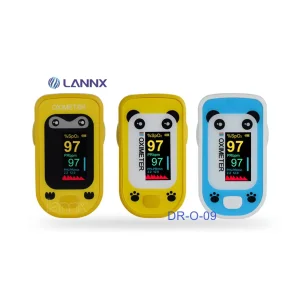
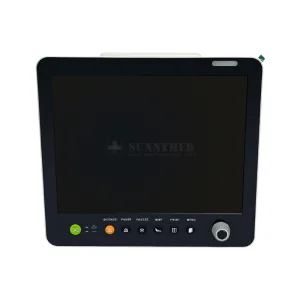
Complete the product review with OEM modules, Bluetooth monitoring, handheld oximetry, Amazon-ready fingertip devices, CE-marked saturation monitors, simulator testing tools, custom digital oximeters, and veterinary vital-sign monitoring. All original product URLs are preserved below.
 Ocent Monitor