Post-Acute Care Monitoring Supplier & Exporter for Lesotho

Pioneering Cloud-Connected Telehealth Systems, Patient Monitoring Infrastructure, and Specialized Post-Acute Care Solutions Tailored for Lesotho’s Healthcare Systems.

Send Inquiry Now

Primary Post-Acute & Specialty Monitoring Solutions

Explore our core medical systems, specially configured to support neonatal, ophthalmic, and post-emergency clinical monitoring requirements in Lesotho's hospital networks.
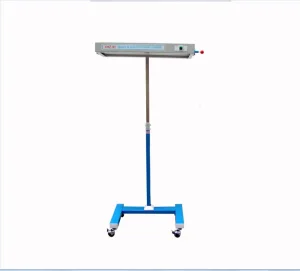
Lesotho Clinical Neonatal Phototherapy Unit for Post-Acute Infant Care

Lesotho Clinical Neonatal Phototherapy Unit for Post-Acute Infant Care

View Technical Details
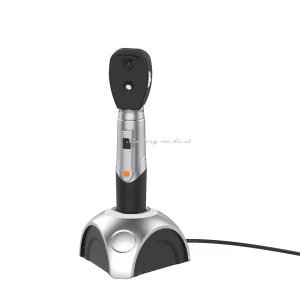
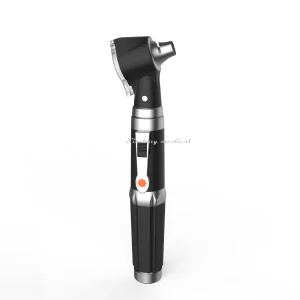
Professional Ophthalmology Diagnostic & Eye Care System for Lesotho Hospitals

Professional Ophthalmology Diagnostic & Eye Care System for Lesotho Hospitals

View Technical Details
High-Precision Ophthalmic Eye Care Unit for Lesotho Community Health Centers

High-Precision Ophthalmic Eye Care Unit for Lesotho Community Health Centers

View Technical Details
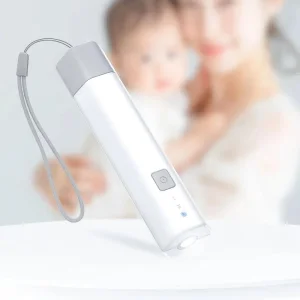
Insect Bite Relief and Skin Care Device for Lesotho Remote Field Clinics

Insect Bite Relief and Skin Care Device for Lesotho Remote Field Clinics

View Technical Details

1. Contextualizing Post-Acute Care (PAC) in the Kingdom of Lesotho

The Kingdom of Lesotho presents a unique medical and geographical landscape within Southern Africa. As a landlocked country characterized by rugged, high-altitude terrain—often called the "Kingdom in the Sky"—distributing healthcare is an intricate logistical challenge. Post-acute care (PAC)—the medical care and rehabilitation required following discharge from an acute-care hospital setting—is critical in mitigating readmission rates, especially for patients returning to remote rural settlements across the Maloti Mountains.

Currently, the central health network revolves around national and district-level referral hospitals, such as the Queen Mamohato Memorial Hospital in Maseru. However, once patients are discharged to remote districts like Thaba-Tseka, Mokhotlong, or Qacha's Nek, the continuity of vital-sign monitoring is frequently disrupted. The integration of robust post-acute care monitoring technologies offers a profound opportunity to bridge this geographical gap. By employing medical-grade IoT sensors, telehealth networks, and rugged, portable monitoring systems, clinicians in urban centers can supervise the recovery of high-risk outpatients in real-time, preventing secondary complications and optimizing the nation's healthcare resources.

Key clinical targets for post-acute monitoring within Lesotho include:

  • Post-operative Recovery: Remote monitoring of wound conditions, temperature, and mobility metrics to prevent surgical site infections in rural areas.
  • Chronic Respiratory & Cardiovascular Management: Continuous pulse oximetry and non-invasive blood pressure (NIBP) tracking for patients discharged after severe cardiopulmonary episodes.
  • Maternal & Neonatal Post-discharge Support: Close tracking of neonates requiring phototherapy or temperature regulation, ensuring premature infants thrive post-discharge.

2. Global Trends in Connected Post-Acute Care Systems

Worldwide, healthcare delivery models are shifting rapidly from static, hospital-centric care to decentralized, data-driven remote patient monitoring (RPM). In emerging economies, this transition bypasses costly legacy hospital construction, directly adopting mobile-cellular health technologies. By utilizing advanced algorithms and edge computing, modern patient monitors predict physiological decline before it becomes an emergency.

8,000+
Sqm Facility
180+
Specialized Staff
2016
Est. Year
4G/IoT
Connectivity

Innovations in battery chemistry, high-efficiency solar recharge systems, and low-power wide-area network (LPWAN) protocols mean that remote patient monitoring can now be deployed in off-grid environments. Lesotho’s health sector is uniquely positioned to benefit from these advancements, optimizing the delivery of critical therapies while ensuring patient safety far outside urban clinical centers.

3. Strategic Macro Solutions: From Ambulance to Community Triage

A comprehensive post-acute monitoring architecture for Lesotho requires a multi-tiered technological system. Patients transitioning from acute care to outpatient home-care must be supported by a continuous clinical safety net.

Phase 1: Transit & Stabilization
Mobile Intensive Care & Transport

Utilizing high-end 4x4 ambulance vehicles equipped with integrated multi-parameter telemetry systems to stabilize and monitor patients across challenging mountain passes.

Phase 2: Decentralized Diagnostics
Self-Service Health Kiosks

Deploying automated health kiosks at rural community outposts so patients can perform guided vital check-ups without traveling to Maseru.

Phase 3: Continuous RPM
Wearable Bio-Sensors & IoT

Equipping patients with long-lasting 4G smart watches and telemetry patches that continuously transmit critical cardiac and oximetry data to remote clinical teams.

Through this integrated three-phase framework, Shenzhen Ocent Monitor provides Lesotho's healthcare providers with the tools to reduce preventable readmissions, monitor vulnerable populations, and systematically track patient recovery profiles.

4. Localized Support & Compliance for Southern African Procurement

Deploying medical devices in Lesotho requires a rigorous focus on compliance, reliability, and local support. Shenzhen Ocent Monitor Co., Ltd. ensures that all exported health technologies meet strict global quality baselines, including CE, FDA, and ISO 13485 certifications. We recognize that hardware is only as good as the infrastructure that supports it; therefore, we implement comprehensive local localization programs:

  • Telecommunication Compliance: Telemetry systems are calibrated to work seamlessly with Southern African mobile networks, including Vodacom Lesotho and Econet Telecom Lesotho (ETL), utilizing optimized APN routing and low-power 4G/LTE fallback protocols.
  • Power Grid Resilience: Devices feature integrated high-capacity backup batteries and support solar-panel charging inputs to handle load-shedding and off-grid scenarios in remote rural clinics.
  • Clinical User Interfaces: Our self-service health kiosks and patient-facing applications can be configured with clear, visual guidance in both English and Sesotho, ensuring high adoption rates among diverse rural communities.
  • Local Maintenance Capacity: Ocent Monitor provides specialized training modules and comprehensive diagnostic tools for local biomedical technicians in Maseru, enabling rapid on-site maintenance and minimizes clinical downtime.

5. Technological Roadmap & Future Outlook (2025–2030)

The future of post-acute care in Lesotho will see a deeper integration of Artificial Intelligence at the edge. By running localized AI model parameters directly on portable patient monitors and smartwatches, these systems can generate predictive diagnostic alerts without relying on a persistent, high-bandwidth connection to the cloud.

Our research and development pipeline is dedicated to creating wearable biosensors with ultra-low-power demands, alongside diagnostic platforms that integrate with national EHR systems (like DHIS2). This technical trajectory will empower the Lesotho Ministry of Health and global NGOs to gather population-wide epidemiological insights, enabling preventative interventions and optimizing healthcare resource allocation across the nation.

Comprehensive Patient Monitoring & Specialized Health Systems

Explore our complete diagnostic portfolio, spanning telemedicine kiosks, wearable consumer-grade healthcare trackers, multi-functional medical transport systems, and specialized veterinary monitoring solutions for agricultural support in Lesotho.
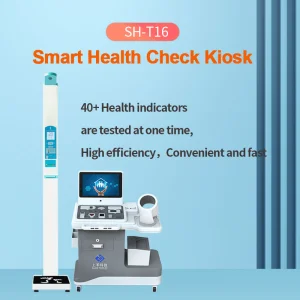
Lesotho Self-Service Telehealth Kiosk for Rural Post-Acute Triage

Lesotho Self-Service Telehealth Kiosk for Rural Post-Acute Triage

View Technical Details
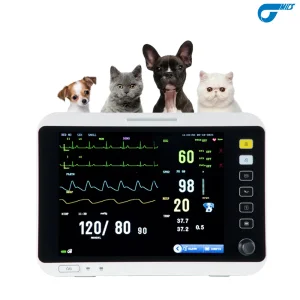
Portable Veterinary Multi-Parameter Monitor for Lesotho Livestock & Wildlife Care

Portable Veterinary Multi-Parameter Monitor for Lesotho Livestock & Wildlife Care

View Technical Details
Smart 3-4 Person HBOT Hyperbaric Chamber with Remote Monitoring for Maseru Wellness Centers

Smart 3-4 Person HBOT Hyperbaric Chamber with Remote Monitoring for Maseru Wellness Centers

View Technical Details
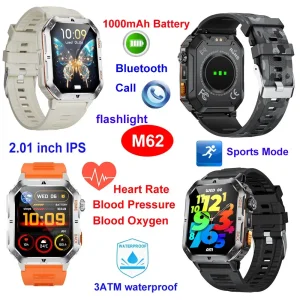
Waterproof Health Monitoring Smart Watch (HR/BP) for Lesotho Outpatient Remote Care

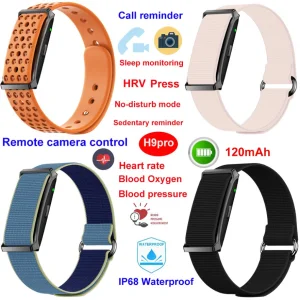
Waterproof Health Monitoring Smart Watch (HR/BP) for Lesotho Outpatient Remote Care

View Technical Details
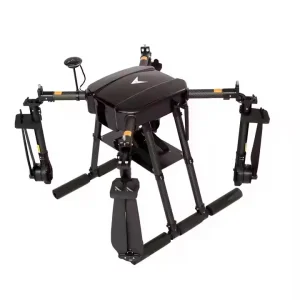
Agricultural Drone for Crop Health Monitoring & Environmental Care in Lesotho Highlands

Agricultural Drone for Crop Health Monitoring & Environmental Care in Lesotho Highlands

View Technical Details
Interactive Companion and Health Monitoring Robot for Lesotho Elderly Care Facilities

Interactive Companion and Health Monitoring Robot for Lesotho Elderly Care Facilities

View Technical Details
Sleep Health & Stress Monitoring Smart Watch for Lesotho Workforce Wellness

Sleep Health & Stress Monitoring Smart Watch for Lesotho Workforce Wellness

View Technical Details
4x4 Emergency ICU Ambulance with Integrated Patient Monitoring for Lesotho Mountainous Terrain

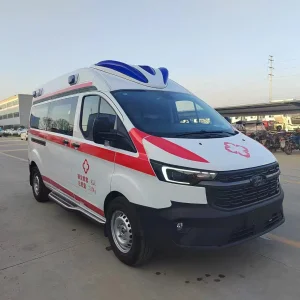
4x4 Emergency ICU Ambulance with Integrated Patient Monitoring for Lesotho Mountainous Terrain

View Technical Details
Mobile Medical Care Clinic Vehicle with Advanced Monitoring for Lesotho Rural Outreach

Mobile Medical Care Clinic Vehicle with Advanced Monitoring for Lesotho Rural Outreach

View Technical Details
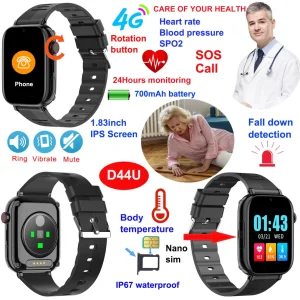
4G Waterproof GPS Senior Health Tracking Band with Vital Monitoring for Lesotho Remote Patients

4G Waterproof GPS Senior Health Tracking Band with Vital Monitoring for Lesotho Remote Patients

View Technical Details
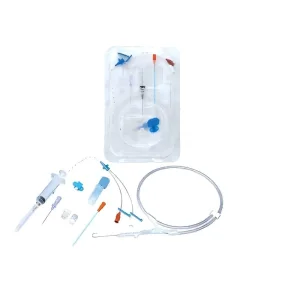
Veterinary Central Venous Catheter Kit for Lesotho Animal Critical Care

Veterinary Central Venous Catheter Kit for Lesotho Animal Critical Care

View Technical Details
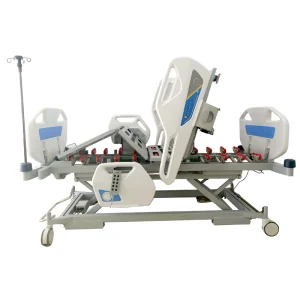
Adjustable ICU & Long-Term Care Medical Bed with Integrated Patient Monitoring for Lesotho Hospitals

Adjustable ICU & Long-Term Care Medical Bed with Integrated Patient Monitoring for Lesotho Hospitals

View Technical Details

6. Manufacturing Infrastructure & OEM/ODM Excellence

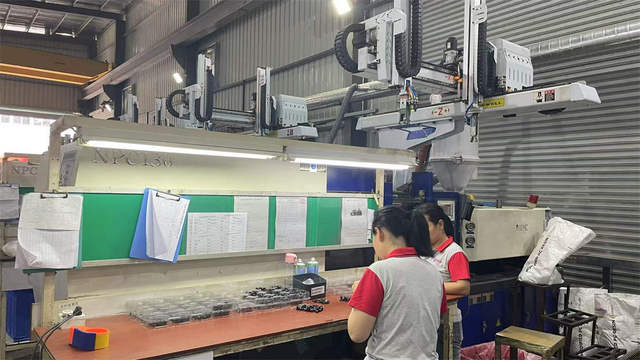
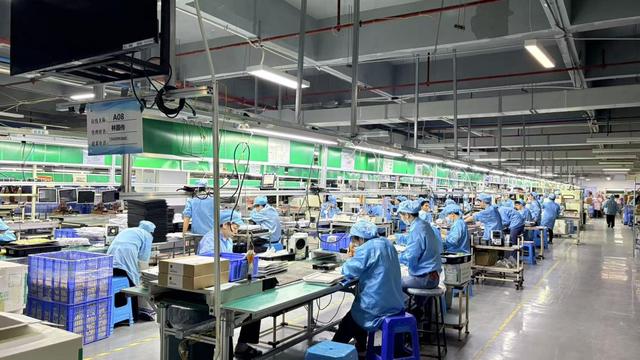
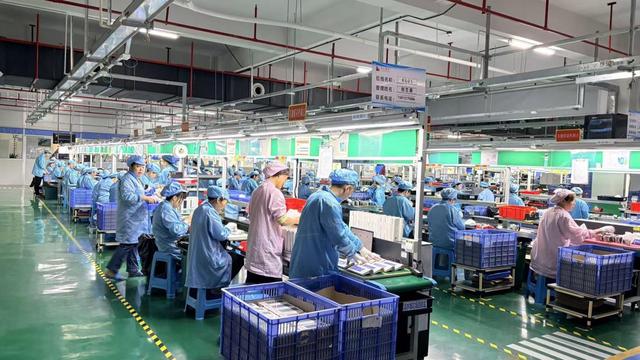
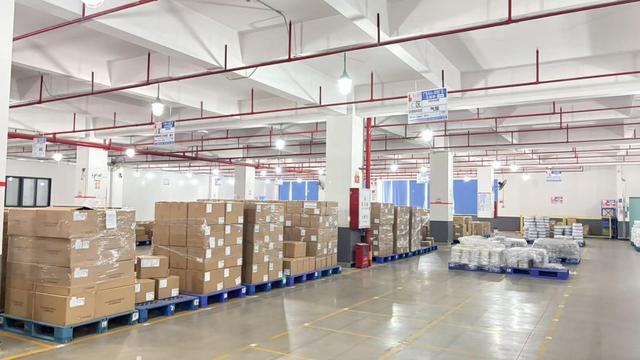
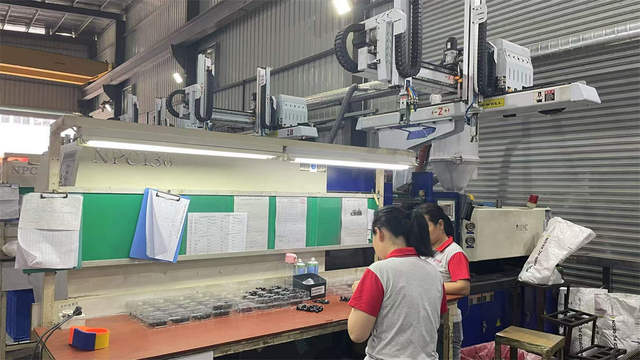
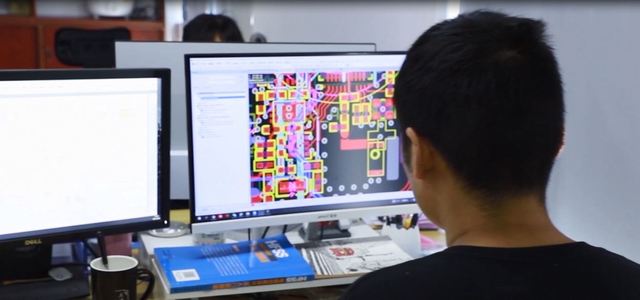
Shenzhen Ocent Monitor Co., Ltd. is a technology-driven manufacturer specializing in remote patient monitoring systems, telehealth monitoring solutions, and digital healthcare technologies. Established in 2016, the company is headquartered in Shenzhen, China, one of the world's leading innovation and electronics manufacturing hubs.

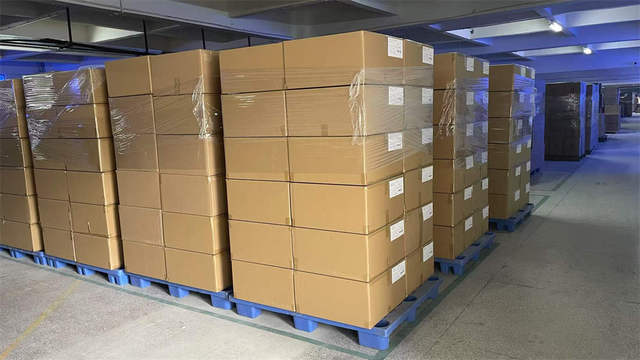
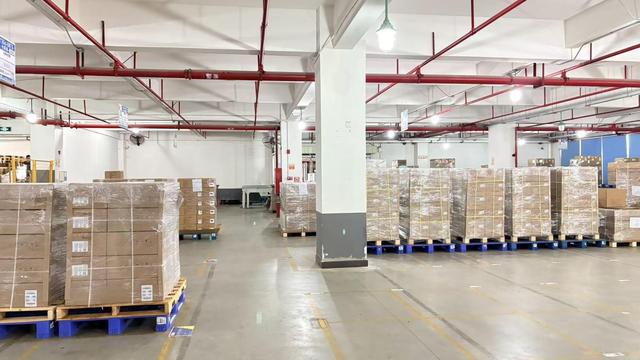
With a modern production facility covering more than 8,000 square meters and a workforce of over 180 employees, Ocent Monitor focuses on the design, development, and manufacturing of intelligent healthcare monitoring solutions for hospitals, clinics, long-term care facilities, and home healthcare providers worldwide.

Our product portfolio includes remote patient monitoring systems, wireless vital sign monitoring devices, telehealth platforms, chronic disease management solutions, wearable health monitoring technologies, and healthcare IoT integration systems. By combining advanced sensor technology, cloud connectivity, and data management capabilities, Ocent Monitor helps healthcare organizations improve patient engagement, enhance care efficiency, and support continuous health monitoring beyond traditional clinical settings.

Supported by an experienced engineering team and rigorous quality management processes, the company maintains strict production standards throughout product development and manufacturing. Ocent Monitor is committed to continuous innovation in connected healthcare technologies, enabling healthcare professionals to access real-time patient information and make informed clinical decisions.

Serving customers across North America, Europe, Asia, the Middle East, and other international markets, Shenzhen Ocent Monitor Co., Ltd. provides OEM and ODM services tailored to diverse healthcare applications and market requirements. Through ongoing investment in research and development, the company strives to deliver reliable, scalable, and future-oriented remote healthcare solutions that support the evolving needs of modern healthcare systems worldwide.
7. Frequently Asked Questions (FAQ)

Q1: How do Ocent Monitor devices maintain operation during Lesotho's power outages?
Our remote patient monitoring (RPM) hardware is equipped with high-capacity rechargeable lithium-ion backup batteries, offering up to 24-48 hours of continuous operation on a single charge. Select diagnostic equipment, such as our telehealth kiosks, can be integrated directly with localized 12V/24V solar power setups to support off-grid community health posts.
Q2: Can the telemetry systems integrate with the existing DHIS2 software used by the Lesotho Ministry of Health?
Yes. Our software solutions feature robust API endpoints and support HL7/FHIR protocols. This allows seamless data aggregation and export capabilities to match national health information databases, facilitating centralized clinical review.
Q3: How are telemetry signals transmitted from remote areas like Mokhotlong to central clinical facilities?
Our IoT-enabled devices, including our wearable monitoring smartwatches and health kiosks, support multi-band 4G LTE communication with backward compatibility to 2G/3G networks. They are designed to compress data packets, ensuring reliable transmission even over low-bandwidth cellular connections.
Q4: What OEM/ODM customization options are available for health systems in Lesotho?
Shenzhen Ocent Monitor provides extensive OEM and ODM customization. We can modify firmware interfaces, integrate local language support (such as Sesotho prompts), adapt custom casing designs to withstand rugged environmental conditions, and pre-configure communication profiles matching specific telecommunication networks in Southern Africa.
Q5: How is technical support and training managed for local biomedical engineers in Maseru?
We provide comprehensive technical documentation, video tutorials, and direct remote engineering support. For large-scale procurement programs, we facilitate virtual training workshops for local biomedical personnel, ensuring local capacity for hardware maintenance, sensor calibration, and module replacements.