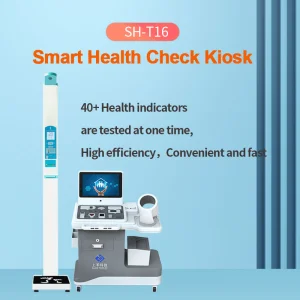
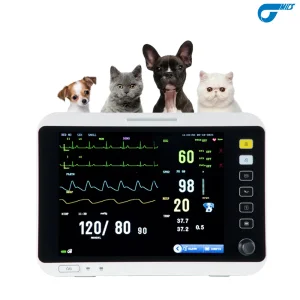
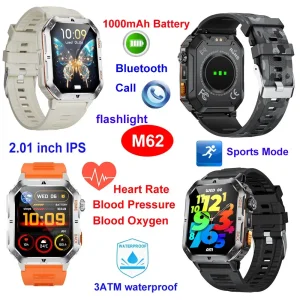
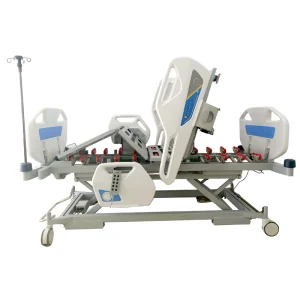
The South African healthcare landscape is currently undergoing a transformative shift. With the impending implementation of the National Health Insurance (NHI) and a growing emphasis on cost-effective care delivery, the demand for Post-Acute Care (PAC) monitoring has never been higher. PAC monitoring refers to the continuous observation and data collection of patients after they have been discharged from acute care settings, such as surgical wards or intensive care units (ICUs), but still require specialized clinical oversight.
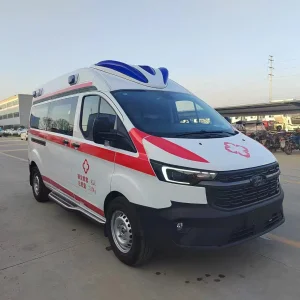
In regions like Gauteng, Western Cape, and KwaZulu-Natal, private hospital groups and public health departments are increasingly looking toward "Hospital-at-Home" models. This shift is driven by a critical shortage of hospital beds and the high cost of inpatient rehabilitation. By leveraging Shenzhen-manufactured monitoring technologies, South African healthcare providers can bridge the gap between clinical discharge and full recovery, ensuring patient safety in the comfort of their homes.
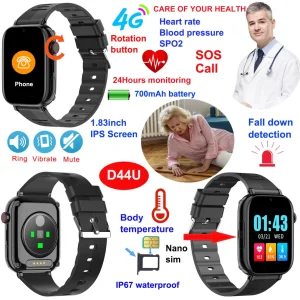
Global procurement trends indicate a massive surge in the adoption of wearable medical devices and IoT-integrated health kiosks. For South Africa, the challenge has always been "connectivity" and "accessibility." Recent technological advancements have introduced 4G/5G enabled devices that operate seamlessly across South Africa's mobile networks (Vodacom, MTN, Telkom), enabling real-time biometric data streaming even in semi-rural areas.
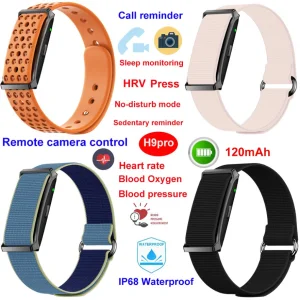
Macro-Industry Solutions: Modern PAC monitoring is no longer just about heart rate. It encompasses a holistic view of the patient, including sleep patterns, stress levels, oxygen saturation (SpO2), and mobility. As a leading factory serving the South African market, Shenzhen Ocent Monitor Co., Ltd. provides customized firmware that complies with local data privacy standards (POPIA) while maintaining high-speed data transmission to centralized clinical dashboards.
Dual-band Wi-Fi and 4G LTE fallback ensures patient data is never lost during load shedding or network fluctuations.
Full alignment with SAHPRA (South African Health Products Regulatory Authority) and POPIA data protection requirements.
High-capacity battery backups designed for the African context, ensuring 48-72 hours of operation during power outages.
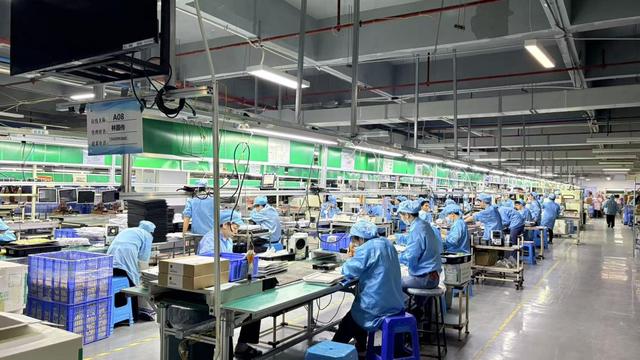
Shenzhen Ocent Monitor Co., Ltd. is a technology-driven manufacturer specializing in remote patient monitoring systems, telehealth monitoring solutions, and digital healthcare technologies. Established in 2016, the company is headquartered in Shenzhen, China, one of the world's leading innovation and electronics manufacturing hubs.
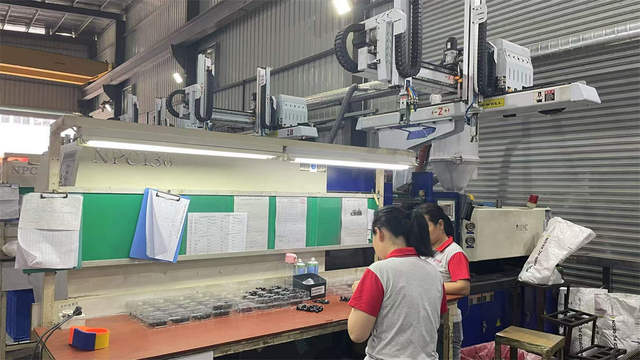
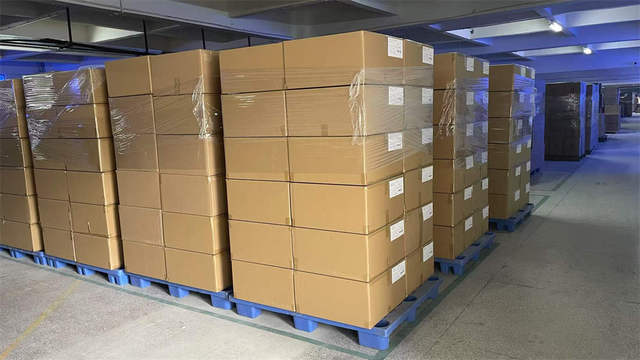
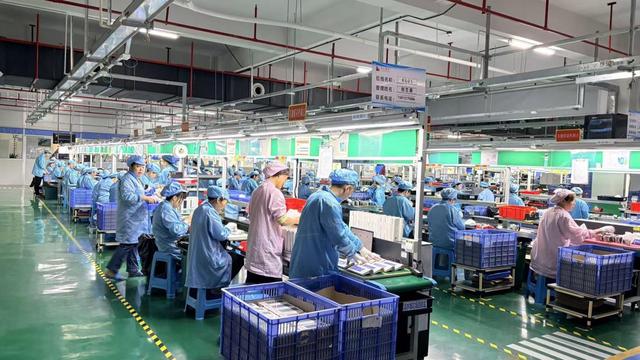
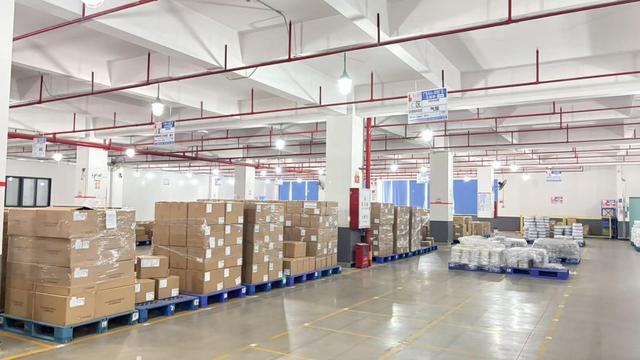
With a modern production facility covering more than 8,000 square meters and a workforce of over 180 employees, Ocent Monitor focuses on the design, development, and manufacturing of intelligent healthcare monitoring solutions for hospitals, clinics, long-term care facilities, and home healthcare providers worldwide.
The company's product portfolio includes remote patient monitoring systems, wireless vital sign monitoring devices, telehealth platforms, chronic disease management solutions, wearable health monitoring technologies, and healthcare IoT integration systems. By combining advanced sensor technology, cloud connectivity, and data management capabilities, Ocent Monitor helps healthcare organizations improve patient engagement, enhance care efficiency, and support continuous health monitoring beyond traditional clinical settings.
Supported by an experienced engineering team and rigorous quality management processes, the company maintains strict production standards throughout product development and manufacturing. Ocent Monitor is committed to continuous innovation in connected healthcare technologies, enabling healthcare professionals to access real-time patient information and make informed clinical decisions.
Serving customers across North America, Europe, Asia, the Middle East, and other international markets, Shenzhen Ocent Monitor Co., Ltd. provides OEM and ODM services tailored to diverse healthcare applications and market requirements. Through ongoing investment in research and development, the company strives to deliver reliable, scalable, and future-oriented remote healthcare solutions that support the evolving needs of modern healthcare systems worldwide.


Our vision for 2025 and beyond involves the integration of edge computing and federated learning into post-acute devices. For the South African market, this means devices can process critical health alerts locally without needing a constant high-speed internet connection, vital for rural clinics in Limpopo or the Eastern Cape.
We are currently developing "Zero-Touch" configuration protocols, allowing medical staff to ship a monitoring device directly to a patient's home. Once turned on, it automatically connects to the hospital's cloud network via pre-configured cellular protocols, eliminating the need for technical setup by the elderly or non-tech-savvy users.
It reduces hospital readmission rates and lowers the cost of care by allowing patients to be monitored safely in their homes. This is particularly critical in South Africa, where hospital beds are in high demand and private healthcare costs are significant.
Yes, our products are designed to meet international standards such as CE, ISO 13485, and we work closely with local importers to ensure alignment with SAHPRA and ICASA requirements for wireless medical devices.
Our monitoring solutions are equipped with high-capacity rechargeable lithium batteries and internal memory to store data locally during power or network outages, syncing automatically once the connection is restored.
Our telehealth platforms support API integration and common protocols like HL7 and FHIR, allowing them to interface with many electronic medical record systems used in the South African private and public health sectors.
Join the growing network of South African healthcare providers utilizing our advanced monitoring factory solutions.
Send Inquiry Now Ocent Monitor