High-precision clinical instrumentation optimized for continuous remote patient assessment, cellular health tracking, and local clinic dispatching.
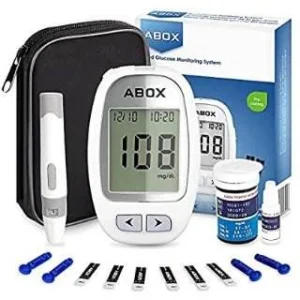
Sudan presents a unique landscape for medical deployment. Spanning vast territories with highly centralized tertiary healthcare infrastructure concentrated primarily in the Khartoum state, the nation faces a compelling requirement for decentralized healthcare technology. Long-term medical treatments, chronic disease tracking, and post-acute therapy place immense strain on metropolitan hospitals. Hospital-at-Home (HaH) models offer a sustainable path to alleviate clinical workloads and reach under-served communities across the Red Sea, Darfur, Kordofan, and Blue Nile provinces.
The industrial and commercial market in Sudan is undergoing a significant transition. While the public sector, represented by the Federal Ministry of Health (FMoH), strives to expand healthcare access via public-private partnerships, commercial entities and medical distributors are looking to scale telehealth solutions. Local hospitals and NGOs operating in remote sectors represent a major purchasing demographic. By importing reliable Hospital-at-Home equipment, importers can help build modular, off-grid monitoring ecosystems that function independently of heavy local hospital facilities.
Globally, the Hospital-at-Home model has moved from a conceptual framework to a mainstream clinical strategy. Spurred by regulatory approvals, advancements in cloud technologies, and the rise of IoT-enabled biosensors, hospitals worldwide are prescribing virtual beds. The economic benefits are stark: home-based acute care reduces total cost of care by up to 30%, decreases 30-day readmissions, and dramatically boosts patient satisfaction rates.
Many remote monitoring systems fail in rural developing markets because they rely on continuous broadband connections. Our R&D roadmap focuses on:
• Asynchronous Data Transmission: Devices queue data on-board and transmit automatically once cellular connection is established.
• Low-Energy Consumption: Built-in rechargeable batteries with extended cycles, compatible with regional solar micro-grids.
• Unified Dashboard Systems: Standardized APIs that pipe blood pressure, glucose levels, oxygen saturation, and environmental data directly to clinical decision support systems (CDSS) for global or local medical staff.
Shenzhen Ocent Monitor Co., Ltd. is a technology-driven manufacturer specializing in remote patient monitoring systems, telehealth monitoring solutions, and digital healthcare technologies. Established in 2016, the company is headquartered in Shenzhen, China, one of the world's leading innovation and electronics manufacturing hubs.
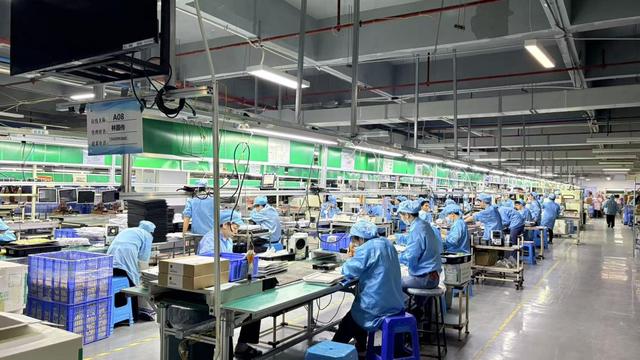
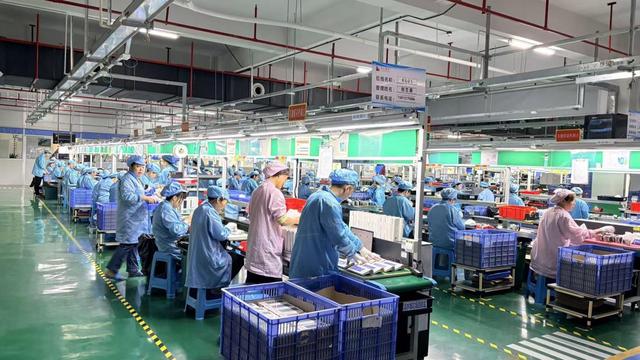
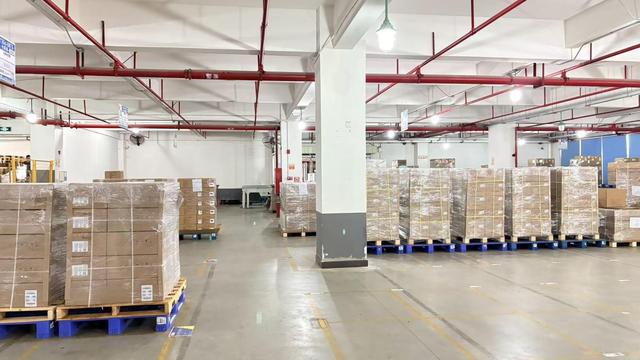
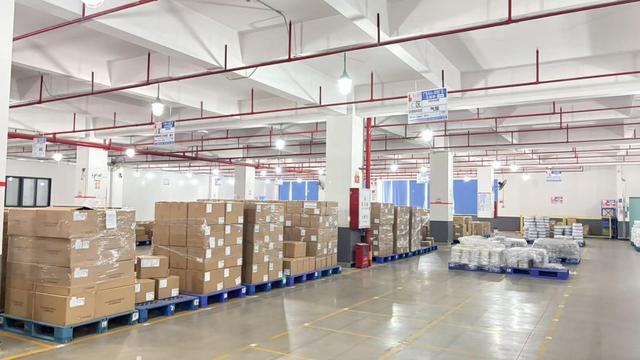
With a modern production facility covering more than 8,000 square meters and a workforce of over 180 employees, Ocent Monitor focuses on the design, development, and manufacturing of intelligent healthcare monitoring solutions for hospitals, clinics, long-term care facilities, and home healthcare providers worldwide.
The company's product portfolio includes remote patient monitoring systems, wireless vital sign monitoring devices, telehealth platforms, chronic disease management solutions, wearable health monitoring technologies, and healthcare IoT integration systems. By combining advanced sensor technology, cloud connectivity, and data management capabilities, Ocent Monitor helps healthcare organizations improve patient engagement, enhance care efficiency, and support continuous health monitoring beyond traditional clinical settings.
Supported by an experienced engineering team and rigorous quality management processes, the company maintains strict production standards throughout product development and manufacturing. Ocent Monitor is committed to continuous innovation in connected healthcare technologies, enabling healthcare professionals to access real-time patient information and make informed clinical decisions.
Serving customers across North America, Europe, Asia, the Middle East, and other international markets, Shenzhen Ocent Monitor Co., Ltd. provides OEM and ODM services tailored to diverse healthcare applications and market requirements. Through ongoing investment in research and development, the company strives to deliver reliable, scalable, and future-oriented remote healthcare solutions that support the evolving needs of modern healthcare systems worldwide.
Implementing Hospital-at-Home systems in Sudan requires a design philosophy adapted to the local context. Key application scenarios where Ocent Monitor's technology plays a pivotal role include:
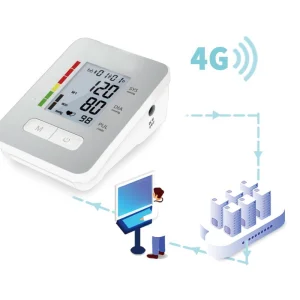
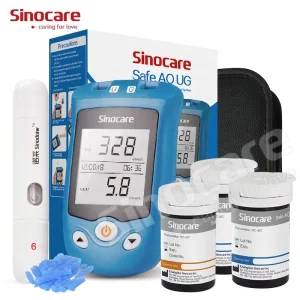
In highly populated areas like Khartoum, North Khartoum, and Omdurman, public hospitals frequently reach maximum patient capacity. By providing discharged patients with cellular blood pressure and glucose monitors, clinical staff can remotely track recovery, reducing length of stay and freeing up vital ICU beds.
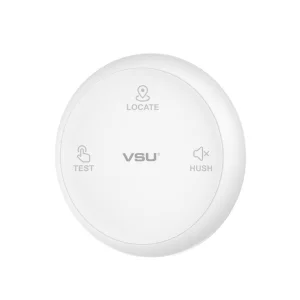
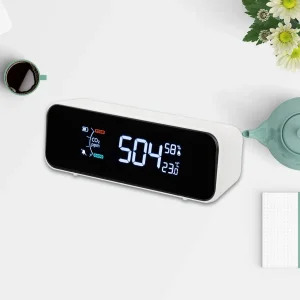
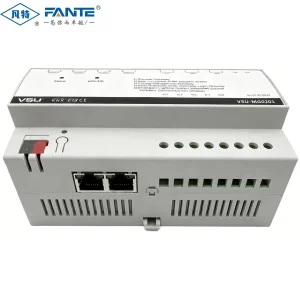
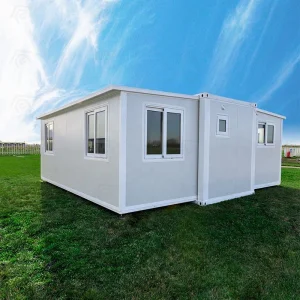
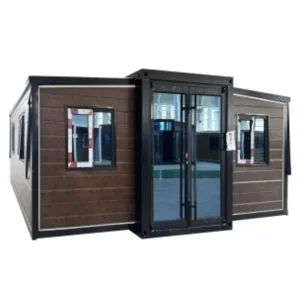
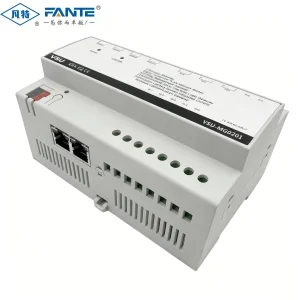
In decentralized locations, healthcare is often delivered via prefabricated clinics and mobile community stations. Integrating wireless pager systems and air-quality micro-sensors ensures that patients waiting in remote tents can be called in an orderly fashion, while clinical spaces are monitored for optimal humidity, temperature, and clean air.
Maternal mortality and diabetes control remain high priorities for the local health departments. A 4G-enabled vital sign terminal allows pregnant mothers or diabetic patients residing far from regional capitals to upload daily blood pressure and glucose metrics without undergoing long, arduous journeys.
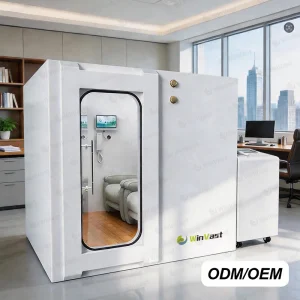
From smart environmental controls for clinical rooms to modular prefab spaces and specialized therapeutic units, these solutions form the foundational infrastructure for Hospital-at-Home setups.
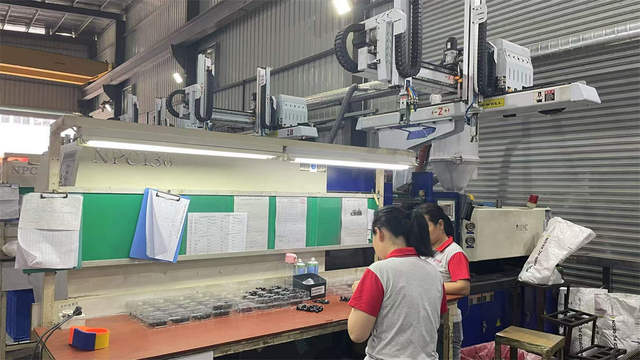
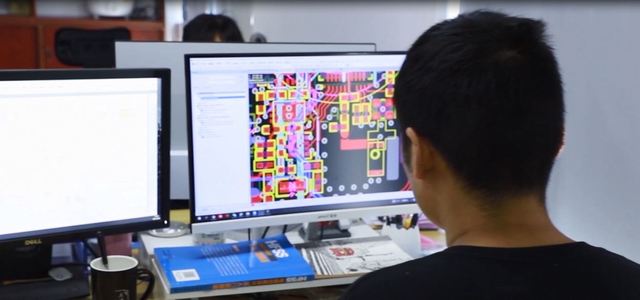
When selecting healthcare equipment, reliability is non-negotiable. Ocent Monitor relies on high-grade manufacturing infrastructure and design frameworks. Operating out of our advanced 8,000 square meter factory in Shenzhen, we deploy strict multi-layer testing regimes. From raw components inspection (IQC) to automated PCB testing and final performance validation under extreme temperatures, every step is built to support critical care.
Our OEM and ODM processes allow local healthcare ministries and private distributors in Sudan to customize software languages, branding, telemetry frequencies, and server endpoints. This ensures that when the data is transmitted, it lands in the secure database selected by the local medical authorities, ensuring complete digital sovereignty and patient privacy.
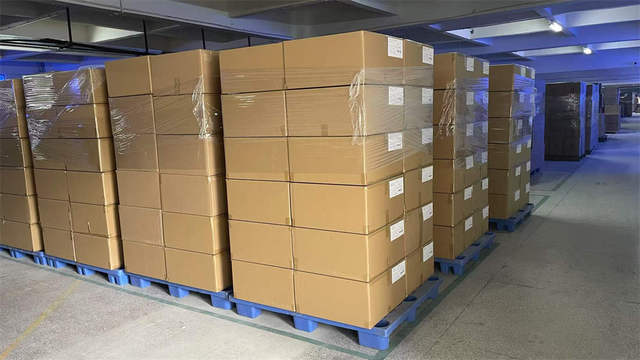
A look inside our 8,000 square meter Shenzhen facility, displaying our production assembly lines, testing chambers, and quality control systems.
 Ocent Monitor