Ethiopia is currently undergoing one of the fastest healthcare transformations in East Africa. With the government's "Digital Ethiopia 2025" strategy, the integration of Hospital-at-Home (HaH) monitoring systems is no longer a luxury but a necessity to alleviate the burden on tertiary hospitals in cities like Addis Ababa, Dire Dawa, and Mekelle. The shift toward decentralized care is driven by a growing population and the need to provide specialized monitoring to rural communities where clinical infrastructure is still developing.
The industrial landscape for medical devices in Ethiopia is moving toward a hybrid model. While local assembly is encouraged, the demand for high-tech Remote Patient Monitoring (RPM) hardware relies heavily on established global innovation hubs like Shenzhen. Current trends indicate a 35% year-on-year increase in the adoption of IoT-enabled medical devices within private Ethiopian healthcare networks. This creates a massive opportunity for distributors to bridge the gap between Chinese manufacturing excellence and Ethiopian clinical needs.
Shenzhen Ocent Monitor Co., Ltd. is a technology-driven manufacturer specializing in remote patient monitoring systems, telehealth monitoring solutions, and digital healthcare technologies. Established in 2016, the company is headquartered in Shenzhen, China, one of the world's leading innovation and electronics manufacturing hubs.
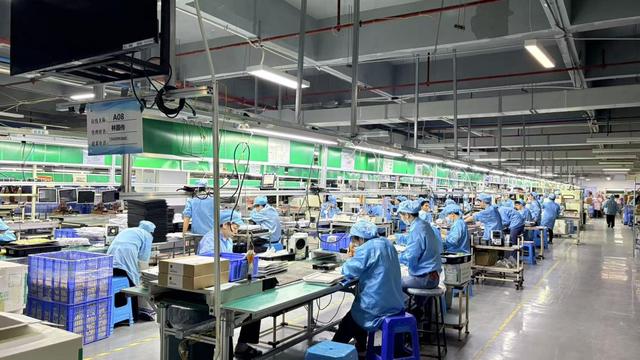
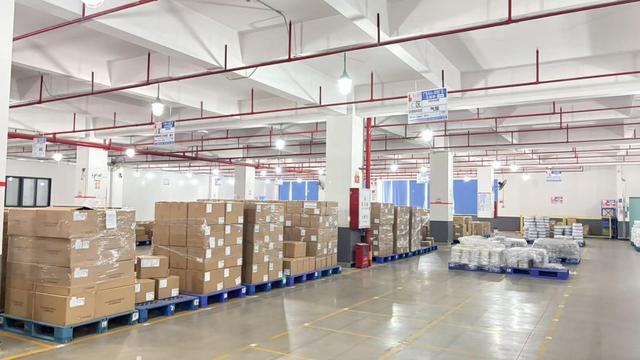
With a modern production facility covering more than 8,000 square meters and a workforce of over 180 employees, Ocent Monitor focuses on the design, development, and manufacturing of intelligent healthcare monitoring solutions for hospitals, clinics, long-term care facilities, and home healthcare providers worldwide.
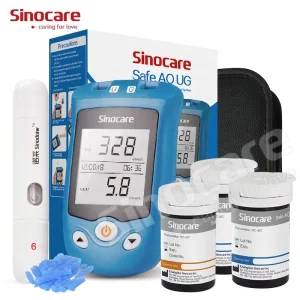
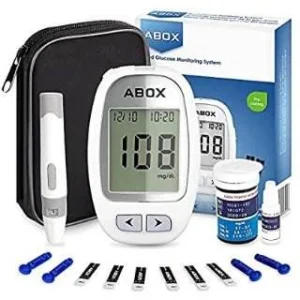
The company's product portfolio includes remote patient monitoring systems, wireless vital sign monitoring devices, telehealth platforms, chronic disease management solutions, wearable health monitoring technologies, and healthcare IoT integration systems. By combining advanced sensor technology, cloud connectivity, and data management capabilities, Ocent Monitor helps healthcare organizations improve patient engagement, enhance care efficiency, and support continuous health monitoring beyond traditional clinical settings.
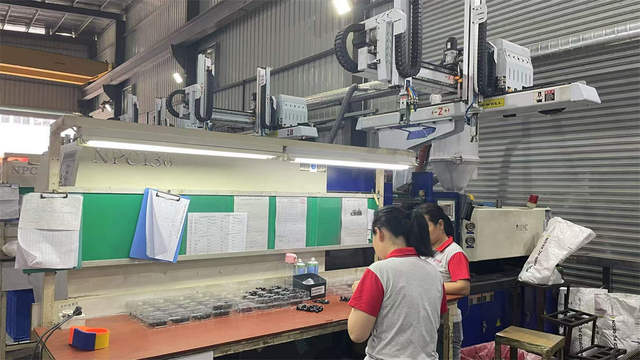

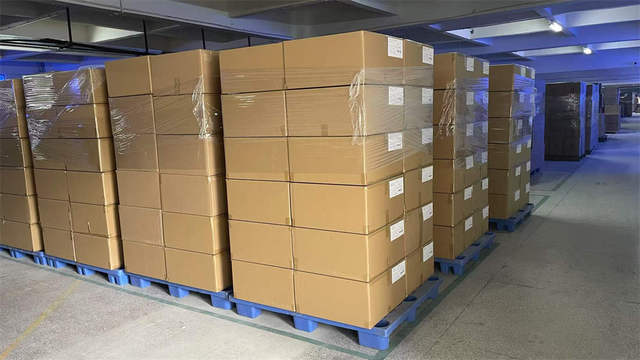
Navigating the Ethiopian regulatory environment requires more than just high-quality hardware. It requires a partner who understands the Ethiopian Food and Drug Authority (EFDA) standards and the local infrastructure challenges.
Why source from Ocent Monitor in Shenzhen? The answer lies in the "Shenzhen Speed" combined with medical-grade precision. For Ethiopian healthcare providers, this means:
Direct factory pricing with no middleman margins.
Tailored branding for Ethiopian health ministries.
From concept to sample in as little as 14 days.
Capacity to support nationwide Ethiopia health rollouts.
The next frontier for Ethiopia is AI-assisted predictive diagnostics. By using our sensors, hospitals can detect early signs of sepsis or cardiac distress in home-based patients before a crisis occurs. This proactive approach reduces readmission rates by up to 40%.
Q: Do your products support the specific frequency bands used in Ethiopia?
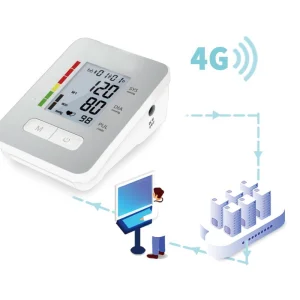
A: Yes, our 4G and IoT-enabled devices are configured to support the B1/B3/B7/B8/B20/B40 bands used by Ethiopian telecommunications providers.
Q: Can we brand the monitoring software with our hospital's logo?
A: Absolutely. We offer comprehensive OEM/ODM services, including white-label software platforms and customized hardware casing for Ethiopian medical groups.
Q: What is the typical lead time for an order to Addis Ababa?
A: For standard products, production takes 15-20 days. Shipping via air freight to Bole International Airport usually takes 5-7 days.
Q: How is technical support handled for Ethiopia-based users?
A: We provide 24/7 technical support via video conferencing and can train your local engineering teams to perform first-level maintenance.
 Ocent Monitor