Tailored monitoring equipment optimized for Uruguay's national digital health infrastructure.
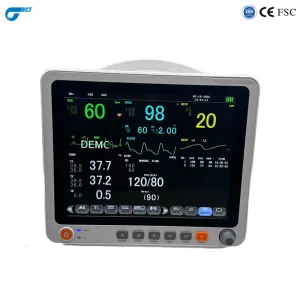
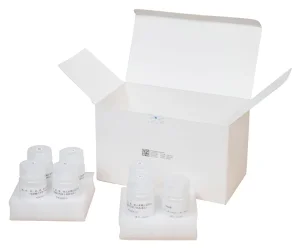
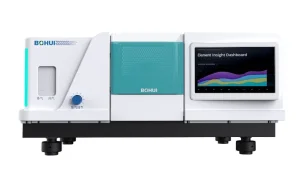
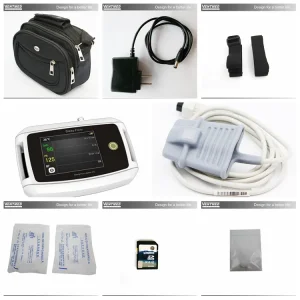
Uruguay stands as a beacon of digital transformation in Latin America. With the Historia Clínica Electrónica Nacional (HCEN) reaching near-universal coverage, the demand for integrated Chronic Disease Monitoring (CDM) systems has reached a critical inflection point. As the country faces an aging demographic—with over 15% of the population over 65—non-communicable diseases (NCDs) such as hypertension, diabetes, and COPD represent the primary healthcare burden.
Globally, the chronic disease monitoring market is pivoting from hospital-centric reactive care to home-based proactive monitoring. This shift is driven by the Internet of Medical Things (IoMT) and Edge AI. Suppliers are no longer just hardware manufacturers; they are data partners. In Uruguay, this aligns perfectly with the "AGESIC" initiatives to promote Telemedicine (Ley N° 19.869), allowing patients in rural areas like Artigas or Rivera to receive specialist consultation from Montevideo without travel.
1. AI-Integrated Diagnostics: Modern monitors now incorporate automated arrhythmia detection and predictive analytics for diabetic ketoacidosis.
2. Multi-Parametric Wearables: Single-lead ECGs are being replaced by multi-modal vests and patches that track SpO2, heart rate variability, and respiratory rate simultaneously.
3. Interoperability Standards: Integration with HL7 FHIR standards is no longer optional for exporters targeting the Uruguayan market, ensuring data flows seamlessly into national registries.
To succeed as a supplier in Uruguay, localization goes beyond Spanish language interfaces. It requires Cloud Server Residency options within the region (to comply with Ley de Protección de Datos Personales), local maintenance partnerships in the Zonamerica free trade zone, and power supply compatibility with Uruguay's 220V/50Hz grid using Type L/F plugs.
Our solution for Uruguay involves a three-tier macro architecture:
Shenzhen Ocent Monitor Co., Ltd. is a technology-driven manufacturer specializing in remote patient monitoring systems, telehealth monitoring solutions, and digital healthcare technologies. Established in 2016, the company is headquartered in Shenzhen, China, one of the world's leading innovation and electronics manufacturing hubs.
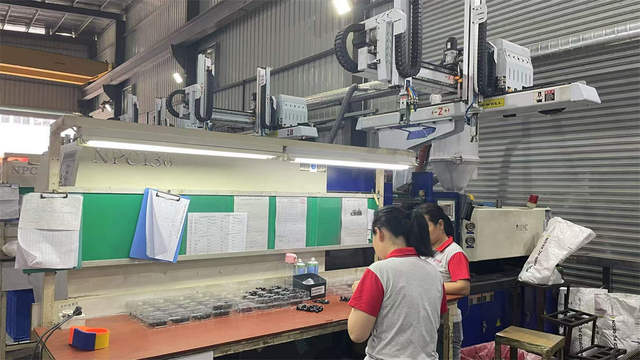
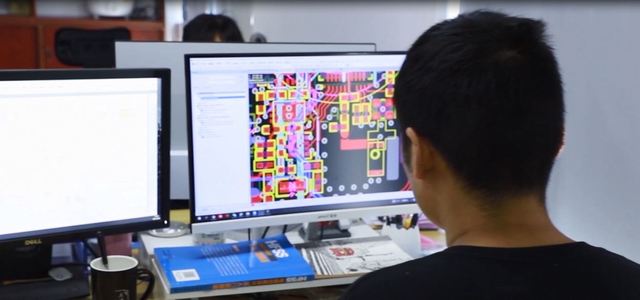
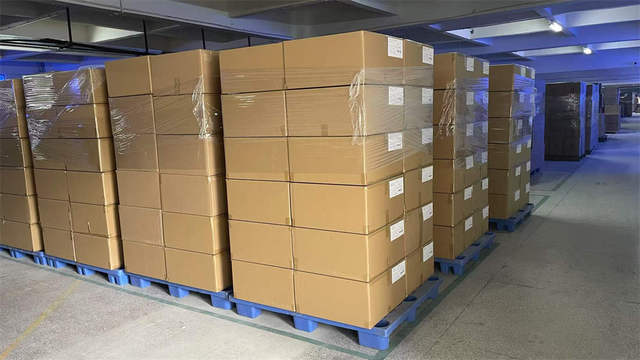
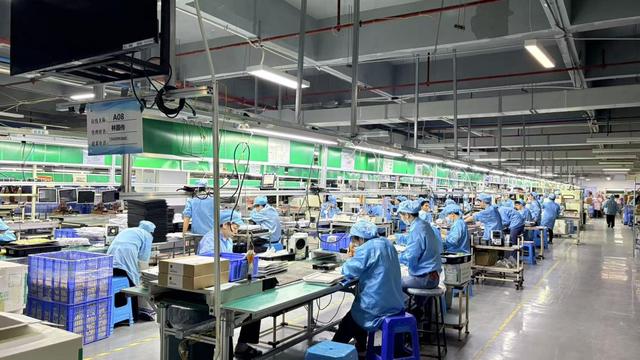
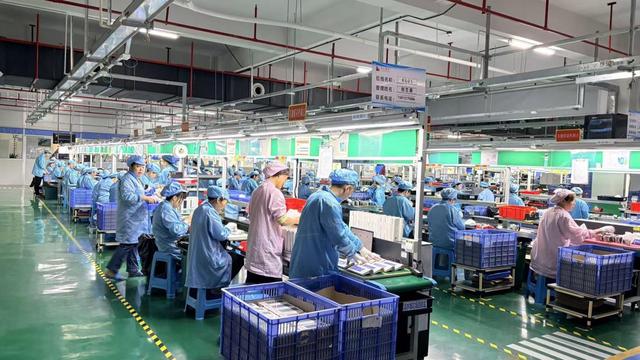
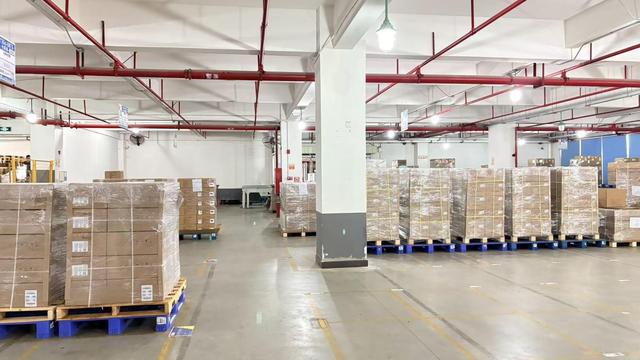
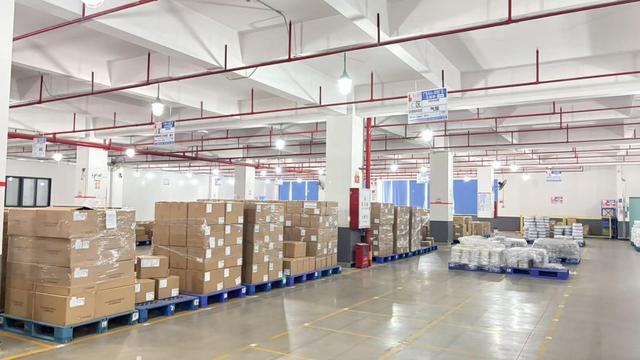
With a modern production facility covering more than 8,000 square meters and a workforce of over 180 employees, Ocent Monitor focuses on the design, development, and manufacturing of intelligent healthcare monitoring solutions for hospitals, clinics, long-term care facilities, and home healthcare providers worldwide.
The company's product portfolio includes remote patient monitoring systems, wireless vital sign monitoring devices, telehealth platforms, chronic disease management solutions, wearable health monitoring technologies, and healthcare IoT integration systems. By combining advanced sensor technology, cloud connectivity, and data management capabilities, Ocent Monitor helps healthcare organizations improve patient engagement, enhance care efficiency, and support continuous health monitoring beyond traditional clinical settings.
Focus on API-first architecture for direct synchronization with Uruguay’s ASSE (Administración de los Servicios de Salud del Estado) systems.
Implementing machine learning models on-device to predict exacerbations in COPD and Heart Failure patients 48 hours before clinical symptoms appear.
Transitioning from video calls to 3D spatial health monitoring, allowing specialists in Montevideo to virtually "examine" patients in remote northern departments.
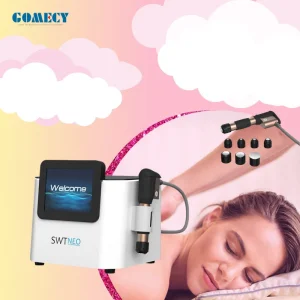
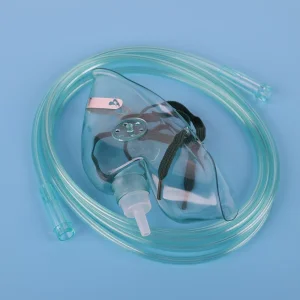
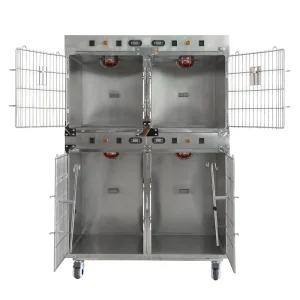
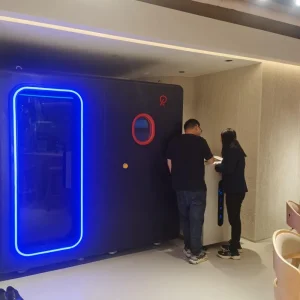
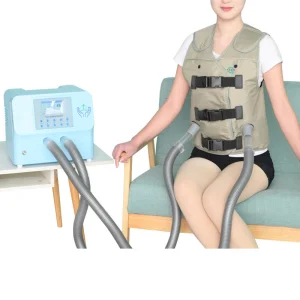
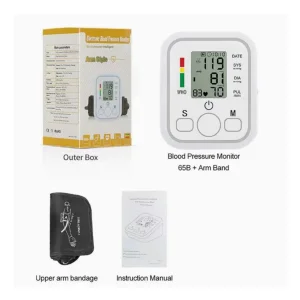
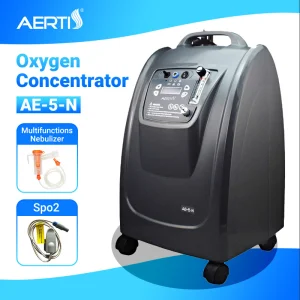
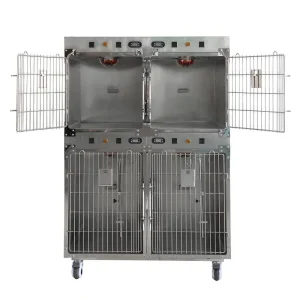
Advanced equipment for chronic pain, respiratory therapy, and long-term care facilities in the Southern Cone.
Yes, all our devices are manufactured under ISO 13485 standards and we provide the necessary documentation (CE, FDA, FSC) required for registration with the MSP in Uruguay.
We offer CIF and DDP shipping options to Montevideo. Our team is experienced with Uruguayan customs clearance, particularly for medical equipment destined for Free Trade Zones like Aguada Park or Zonamerica.
Absolutely. All our telehealth platforms and device interfaces are fully localized in Spanish, specifically adapted for Latin American terminology.
Our systems support API integration and follow HL7 standards, making them compatible with Uruguay's national electronic health record infrastructure for seamless data synchronization.
For custom-branded devices tailored for the Uruguayan market, our MOQ typically starts at 100 units, depending on the complexity of the customization.
 Ocent Monitor