High-fidelity biometric diagnostic solutions and safety devices optimized for next-generation clinical decision integration.
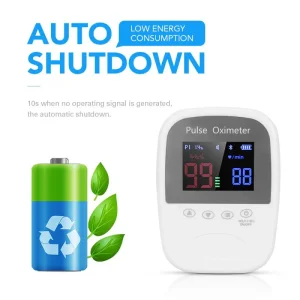
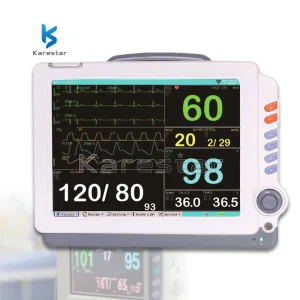
The global healthcare industry is witnessing an unprecedented transition from episodic treatment models to continuous, data-driven preventive diagnostics. In this paradigm, Clinical Decision Support Systems (CDSS) act as the central nervous system of clinical operations, aggregating streams of biophysical data to provide real-time recommendations, flag life-threatening anomalies, and streamline patient flows.
However, the performance of any decision-support algorithm is strictly gated by the quality, consistency, and latency of its input data. Shenzhen Ocent Monitor Co., Ltd. fills this mission-critical gap by developing and manufacturing advanced, high-precision remote patient monitoring (RPM) hardware, medical-grade wearables, and sensor integration systems that serve as the definitive data telemetry layer for enterprise CDSS frameworks.
“Without medical-grade precision at the edge, even the most sophisticated cloud-based AI algorithms yield flawed outcomes. Real-time diagnostic data telemetry is the cornerstone of clinical efficacy.”
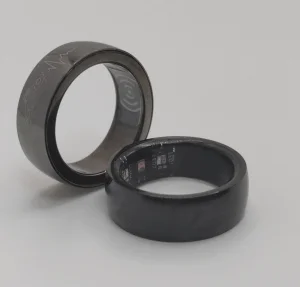
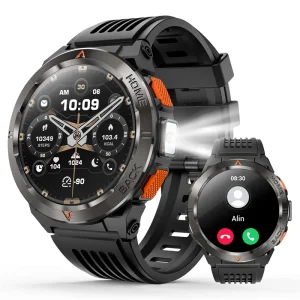
By pairing physical diagnostic systems—such as wearable PPG devices, smart rings, non-invasive radar modules, and digital sphygmomanometers—with HL7 and FHIR-compatible cloud interfaces, we guarantee that clinical providers have access to error-free, continuous vital datasets. This seamless integration enables predictive analytics tools to detect signs of decompensation hours before physical symptoms manifest, directly reducing re-hospitalization rates and optimizing patient triage.
Engineered with proprietary Bluetooth/4G/Wi-Fi array transmitters ensuring real-time ECG, SpO2, and blood pressure routing directly to hospital EHR systems.
Built with chip-level AES-256 encryption ensuring compliance with HIPAA, GDPR, and global medical device cybersecurity guidelines.
FDA-cleared and CE-approved hardware that mitigates the risk of diagnostic errors, false alarms, and sensor drift over long-term usage.
Year Established
Production Facility
Medical Engineering Experts
Global Export Markets
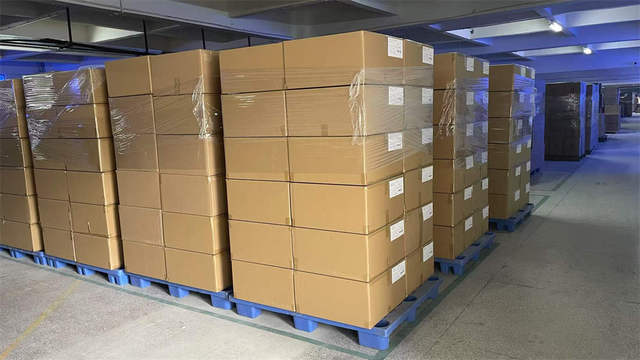
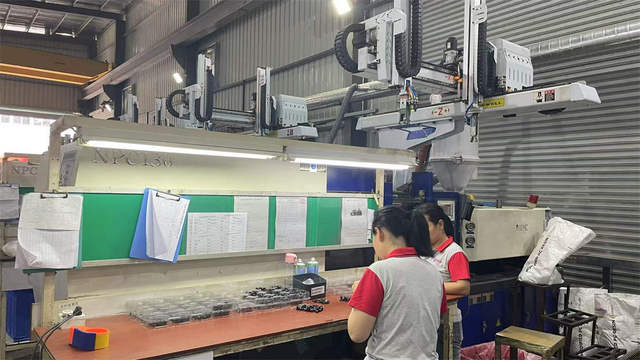
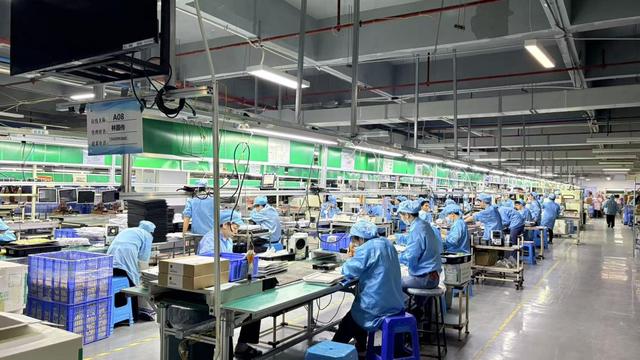
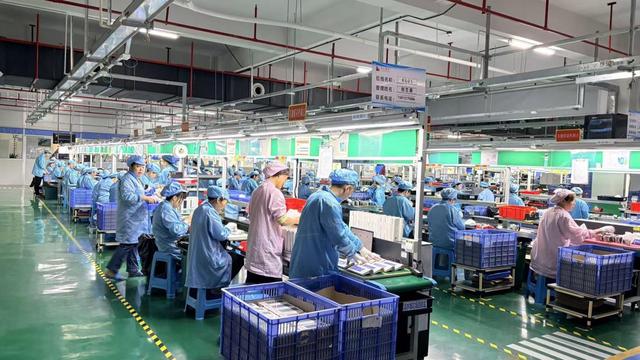
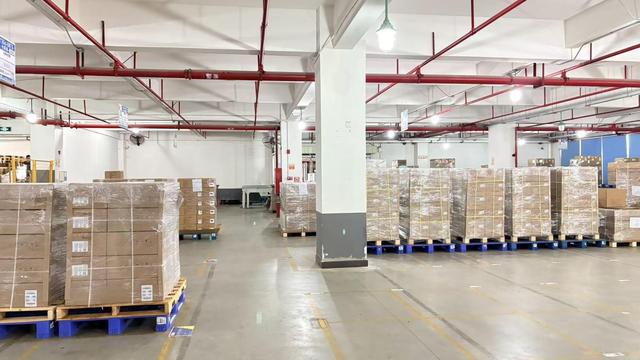
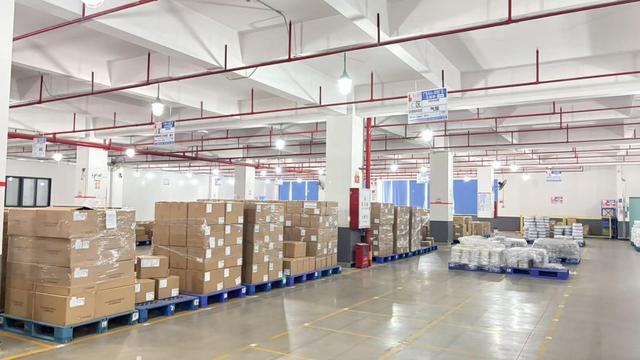
Shenzhen Ocent Monitor Co., Ltd. is a technology-driven manufacturer specializing in remote patient monitoring systems, telehealth monitoring solutions, and digital healthcare technologies. Established in 2016, the company is headquartered in Shenzhen, China, one of the world's leading innovation and electronics manufacturing hubs.
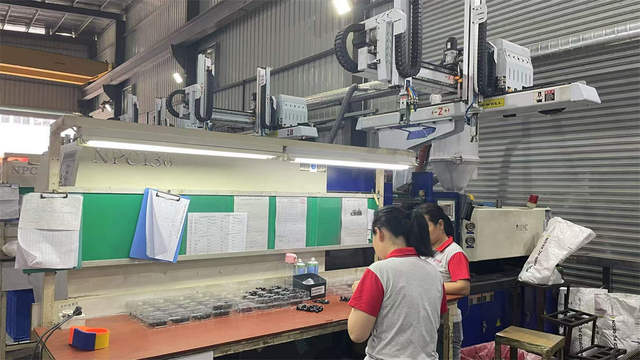
With a modern production facility covering more than 8,000 square meters and a workforce of over 180 employees, Ocent Monitor focuses on the design, development, and manufacturing of intelligent healthcare monitoring solutions for hospitals, clinics, long-term care facilities, and home healthcare providers worldwide.
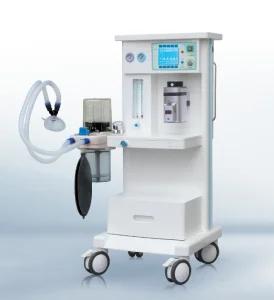
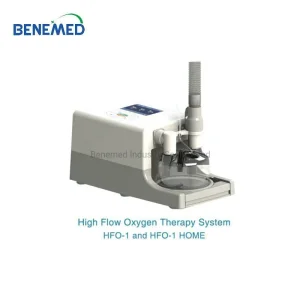
Our facility houses high-precision Surface Mount Technology (SMT) lines, cleanroom assembly zones, and rigorous environmental stress chambers to guarantee medical-grade quality. We maintain strict compliance with global quality management systems, including ISO 13485 certification, ensuring that every vital sign monitor, medical smartwatch, and anesthesia machine leaves our facility with absolute consistency.
The company's product portfolio includes remote patient monitoring systems, wireless vital sign monitoring devices, telehealth platforms, chronic disease management solutions, wearable health monitoring technologies, and healthcare IoT integration systems. By combining advanced sensor technology, cloud connectivity, and data management capabilities, Ocent Monitor helps healthcare organizations improve patient engagement, enhance care efficiency, and support continuous health monitoring beyond traditional clinical settings.
Bridging the gap between physical health telemetry and clinical actionable insight across five major global industries.
We provide full-scale OEM/ODM telehealth kits and bedside vital sign monitors that plug directly into EHR databases. By consolidating parameters such as blood oxygen, ECG, and core temperature, hospital chains can operate unified virtual wards, expanding their critical-care capacity.
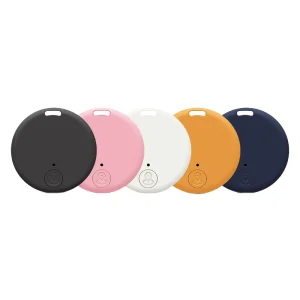
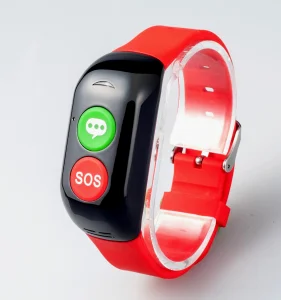
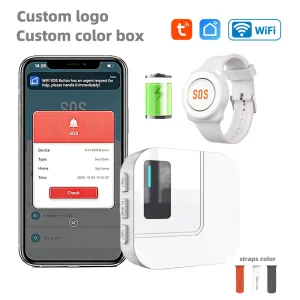
Integrating 4G fall-detection smartwatches, SOS call buttons, and panic alarm pagers into unified residential dashboards. Eldercare facilities leverage these systems to track location data, detect sudden heart fluctuations, and automate emergency dispatches securely.
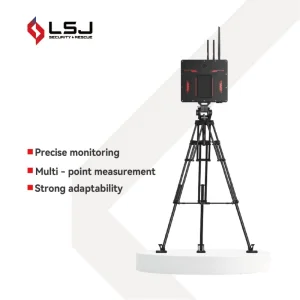
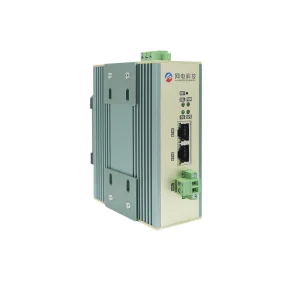
Pioneering wireless radar monitors and long-distance connectivity options for railways, mines, and infrastructure pipelines. Our non-invasive structural monitoring equipment detects microscopic shifting while simultaneously keeping personnel safe with wearable telemetry.
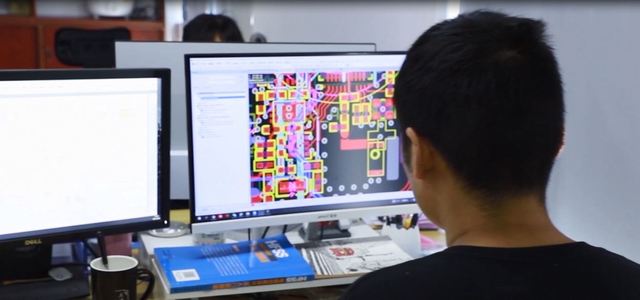
Supported by an experienced engineering team and rigorous quality management processes, the company maintains strict production standards throughout product development and manufacturing. Ocent Monitor is committed to continuous innovation in connected healthcare technologies, enabling healthcare professionals to access real-time patient information and make informed clinical decisions.
Serving customers across North America, Europe, Asia, the Middle East, and other international markets, Shenzhen Ocent Monitor Co., Ltd. provides OEM and ODM services tailored to diverse healthcare applications and market requirements. Through ongoing investment in research and development, the company strives to deliver reliable, scalable, and future-oriented remote healthcare solutions that support the evolving needs of modern healthcare systems worldwide.
An engineering blueprint outlining our shift toward edge AI, non-contact radar biometrics, and multi-sensor fusion algorithms.
Navigating global healthcare regulations is a major bottleneck for system integrators. At Ocent Monitor, we ensure that our manufactured hardware comes pre-certified and localized for key strategic regions.
We specialize in matching corporate telemetry hardware with your brand's unique software ecosystem. Our customization scope covers:
Detailed professional answers relating to telemetry integration, custom engineering, and compliance.
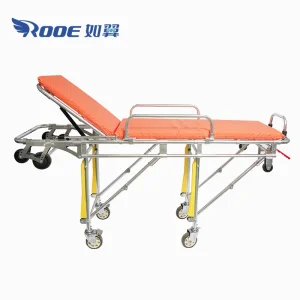
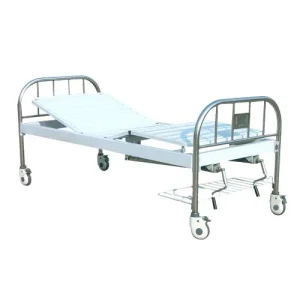
Explore our specialized anesthesia systems, patient beds, and specialized wearable diagnostic arrays.
 Ocent Monitor