Pioneering precision medical IoT hardware, smart home care devices, and high-performance patient monitoring platforms for B2B procurement globally.
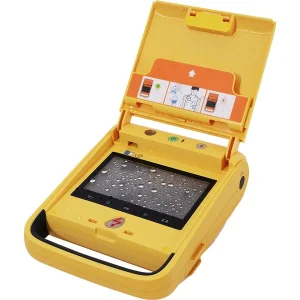
The global connected health devices market is undergoing a seismic shift. Driven by aging demographics, rising chronic diseases, and a structural push toward decentralizing healthcare from intensive hospital care to continuous remote care, the demand for medical-grade Internet of Things (IoT) technologies has skyrocketed. Valued at over USD 50 billion and projected to grow at a Compound Annual Growth Rate (CAGR) exceeding 18% over the next decade, the industry is transitioning from a luxury telemedicine solution to the backbone of modern clinical workflows.
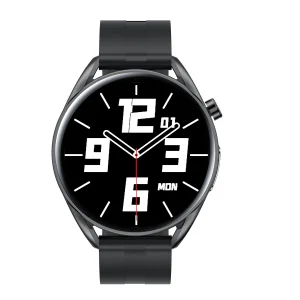
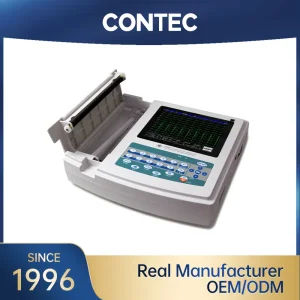
Connected health hardware including smart wearables, Bluetooth-enabled oximeters, electrocardiographs (ECG), vital sign monitors, and recovery therapeutics are no longer isolated diagnostic tools. Today, they represent integrated network edge devices. These tools capture rich, real-time longitudinal physiological datasets that are ingested by cloud platforms, enabling clinics and healthcare ecosystems to implement Remote Patient Monitoring (RPM) programs. These programs directly reduce readmission penalties and optimize patient-care ratios.
To succeed globally, manufacturers must navigate strict compliance landscapes. Regulatory compliance acts as the ultimate barrier to entry. Leading factories must implement complete quality management systems adhering to ISO 13485, alongside compiling comprehensive design history files (DHF) for Class II and Class III certifications under FDA 510(k), European Union Medical Device Regulation (MDR 2017/745), and China's NMPA standards. Data communication protocols must maintain strict end-to-end encryption under HIPAA and GDPR rules.
Square Meters Facility
Professional Employees
Year of Establishment
Traceable Quality Standards
Analyzing the technological and strategic shifts defining next-generation medical device supply chains.
Historically, medical devices provided discrete, point-in-time measurements. The current shift focuses on continuous vital tracking (photoplethysmography (PPG), bioimpedance, continuous ECG monitoring). These technologies feed machine learning algorithms that detect cardiac anomalies or respiratory distress prior to clinical deterioration, significantly improving early intervention success rates.
Heavy clinical equipment is shrinking into ultra-low-power consumer form factors. Smart health rings and ultra-thin adhesive patches utilize sub-micron PCB components and advanced power management ICs to record high-fidelity telemetry, allowing patients to go about their daily routines while remaining monitored.
To reduce transmission bandwidth and protect patient privacy, raw signal filtering and anomaly detection are increasingly handled directly on-device. Advanced digital signal processors (DSP) run localized neural networks to clean motion artifacts from ECG or PPG readings before sending the data to the cloud.
Real-world deployment paths of Ocent Monitor's integrated product hardware across modern ecosystems.
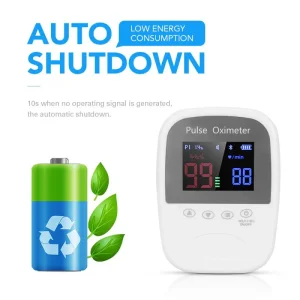
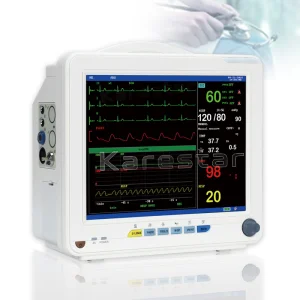
Clinics deploy Bluetooth-enabled handheld oximeters, portable ECG equipment, and multi-parameter vital sign monitors for patients recovering at home. These devices sync automatically with standard hospital EHR systems via secure BLE-to-Wi-Fi gateways, enabling real-time nursing dashboard alerts.
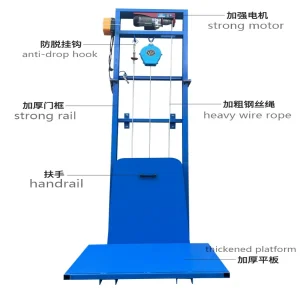
Integrated medical platforms require supportive structural solutions. Products like the Disable Patient Lift Platform and passenger/home lifts facilitate safe movement for physically restricted patients. This structural support, paired with vital monitoring via smart rings or wearables, creates a comprehensive assistive care environment.
Utilizing high-pressure oxygen chambers (such as the 2.0 ATA Hard Hyperbaric Chamber) facilitates accelerated cellular recovery and tissue repair. Monitoring blood oxygenation dynamically during hyperbaric sessions via clinical oximeters ensures safe, targeted treatment profiles for sports medicine and post-operative recovery.
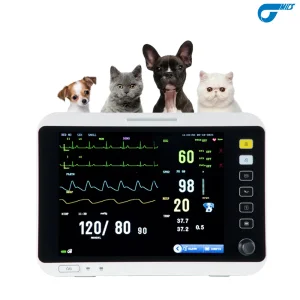
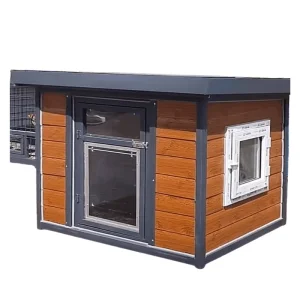
The veterinary industry requires specialized clinical tools. Portable Veterinary Multi-Parameter Monitors capture animal telemetry (SpO2, NIBP, Temperature, Respiration). Furthermore, smart climate-controlled homes with integrated monitoring extend the range of continuous care for domestic pets and clinical recovery environments.
A technology-driven manufacturer specializing in remote patient monitoring systems, telehealth solutions, and digital healthcare technologies.
Established in 2016, Shenzhen Ocent Monitor Co., Ltd. is headquartered in Shenzhen, China, one of the world's leading innovation and electronics manufacturing hubs. With a modern production facility covering more than 8,000 square meters and a workforce of over 180 employees, Ocent Monitor focuses on the design, development, and manufacturing of intelligent healthcare monitoring solutions for hospitals, clinics, long-term care facilities, and home healthcare providers worldwide.
The company's product portfolio includes remote patient monitoring systems, wireless vital sign monitoring devices, telehealth platforms, chronic disease management solutions, wearable health monitoring technologies, and healthcare IoT integration systems. By combining advanced sensor technology, cloud connectivity, and data management capabilities, Ocent Monitor helps healthcare organizations improve patient engagement, enhance care efficiency, and support continuous health monitoring beyond traditional clinical settings.
Supported by an experienced engineering team and rigorous quality management processes, the company maintains strict production standards throughout product development and manufacturing. Ocent Monitor is committed to continuous innovation in connected healthcare technologies, enabling healthcare professionals to access real-time patient information and make informed clinical decisions.
Serving customers across North America, Europe, Asia, the Middle East, and other international markets, Shenzhen Ocent Monitor Co., Ltd. provides OEM and ODM services tailored to diverse healthcare applications and market requirements. Through ongoing investment in research and development, the company strives to deliver reliable, scalable, and future-oriented remote healthcare solutions that support the evolving needs of modern healthcare systems worldwide.
We provide comprehensive turnkey manufacturing services for medical hardware design, firmware optimization, and electronic component manufacturing:
Inside our ISO 13485 certified factory in Shenzhen, highlighting automated assembly lines and cleanroom manufacturing.
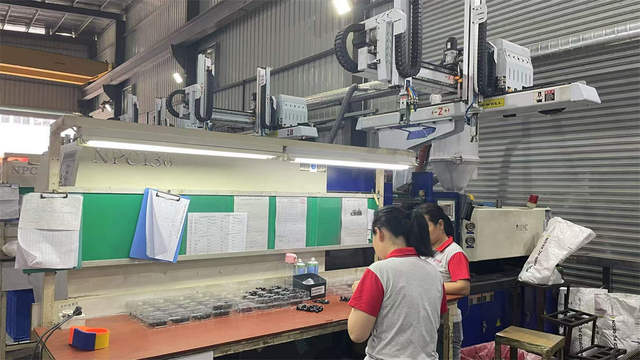

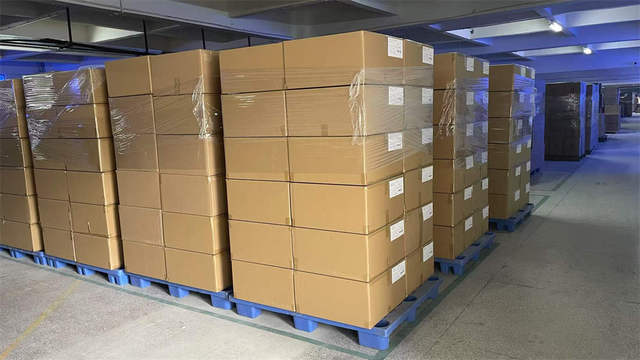
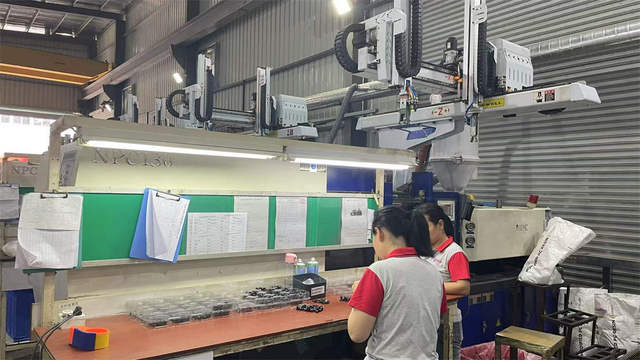




Ocent Monitor is targeting the integration of bioimpedance spectroscopy (BIS) and multi-wavelength optical sensors. These components enable non-invasive blood pressure estimation and continuous glucose monitoring. Developing proprietary DSP algorithms reduces signal distortion caused by physical movement, improving the reliability of wearable clinical telemetry.
We are transiting our hardware platforms to support hybrid networks. Leveraging NB-IoT alongside BLE 5.3 allows devices to transition from localized smartphone connections to direct-to-cloud cellular communication. This guarantees data delivery even in areas without local Wi-Fi or smartphone infrastructure.
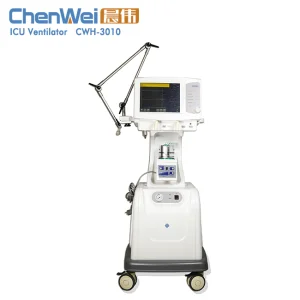
Further systems supporting comprehensive clinical operations, rehabilitation care, and smart, controlled health environments.

Crucial procurement, regulatory, and engineering questions answered by our technical design team.
Our production facility operates under an ISO 13485 Certified Quality Management System. We run testing routines covering electromagnetic compatibility (EMC - IEC 60601-1-2), electrical safety (IEC 60601-1), ingress protection, and environmental stress. Our clinical monitoring hardware is designed to support global regulatory compliance pathways, including FDA 510(k) and CE MDR.
Yes, we provide full contract manufacturing (OEM/ODM) services. Our team supports custom PCBA layouts, sensor firmware optimization, mechanical enclosure design, and cloud software API mapping. This allows you to integrate Ocent Monitor hardware into your proprietary Remote Patient Monitoring (RPM) platforms.
All wireless modules, including our Bluetooth oximeters, smart rings, and vital sign monitors, support AES-128/256 hardware encryption. Data payload packages transmitted over Bluetooth or cellular networks are encrypted before transfer. We also coordinate with client software developers to build secure, end-to-end systems that comply with HIPAA and GDPR regulations.
Yes. We manufacture veterinary-specific multi-parameter vital sign monitors. These devices feature targeted firmware and sensor configurations designed for animal physiology, allowing veterinary clinics to track critical stats during surgeries and recovery.
Standard lead times for wholesale shipments range from 30 to 45 days, depending on component availability and customization requirements. For high-volume projects, we use scheduled manufacturing pipelines to ensure a consistent, reliable supply of medical hardware.
 Ocent Monitor