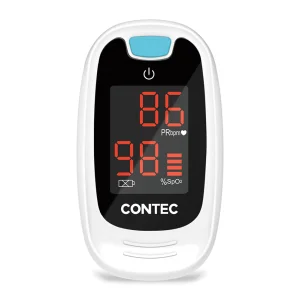
The transition from reactive to proactive healthcare through Semantic Data & IoT
The global personal health tracking market is no longer just about steps and calories. We are witnessing a surge in clinical-grade Remote Patient Monitoring (RPM). Global healthcare systems are integrating real-time data to reduce hospital readmission rates by up to 25%.
Modern manufacturers in China are now embedding AI algorithms directly into wearables. This allows for predictive analysis—detecting atrial fibrillation or respiratory distress before the patient even feels symptoms, creating significant Information Gain for clinicians.
Shenzhen, China, serves as the epicenter of this industry. The proximity of sensor laboratories, PCB assembly lines, and medical certification bodies allows for a 40% faster "concept-to-market" cycle compared to Western counterparts.
Shenzhen Ocent Monitor Co., Ltd. is a technology-driven manufacturer specializing in remote patient monitoring systems, telehealth monitoring solutions, and digital healthcare technologies. Established in 2016, the company is headquartered in Shenzhen, China, one of the world's leading innovation and electronics manufacturing hubs.
With a modern production facility covering more than 8,000 square meters and a workforce of over 180 employees, Ocent Monitor focuses on the design, development, and manufacturing of intelligent healthcare monitoring solutions for hospitals, clinics, long-term care facilities, and home healthcare providers worldwide.
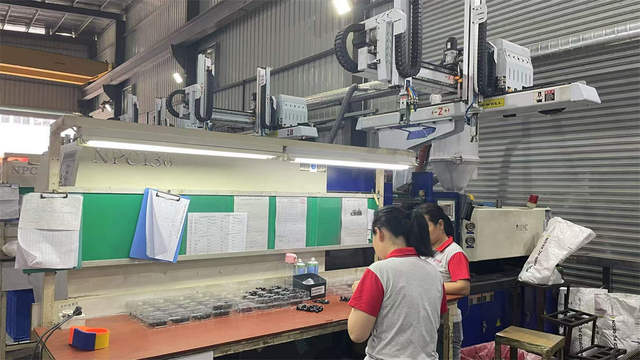
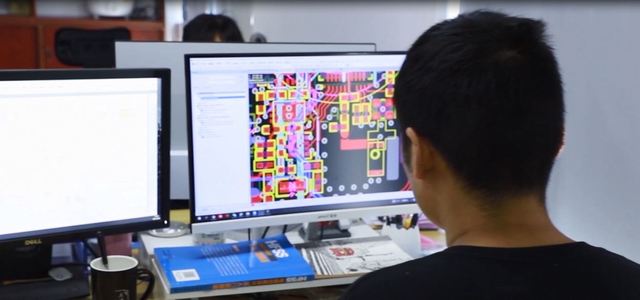
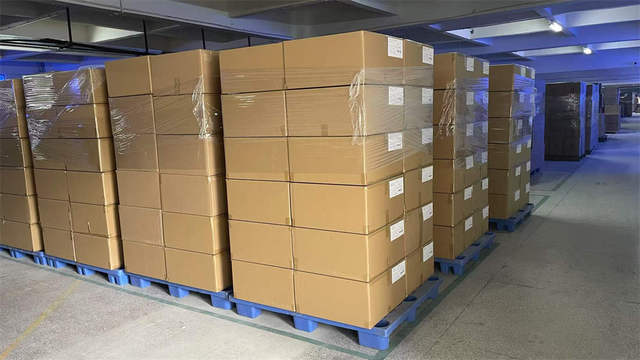
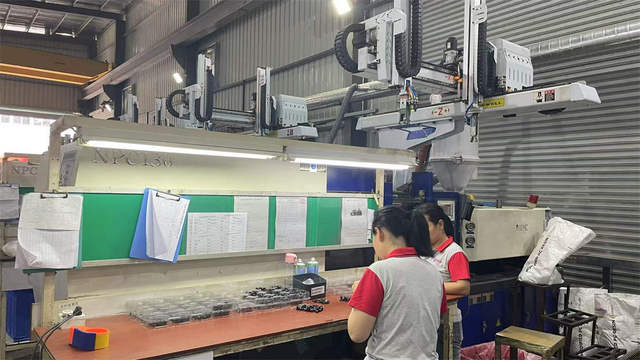
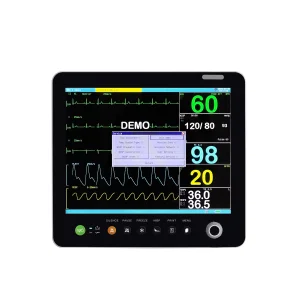
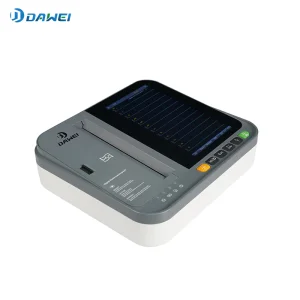
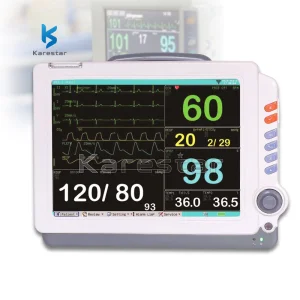
The company's product portfolio includes remote patient monitoring systems, wireless vital sign monitoring devices, telehealth platforms, chronic disease management solutions, wearable health monitoring technologies, and healthcare IoT integration systems. By combining advanced sensor technology, cloud connectivity, and data management capabilities, Ocent Monitor helps healthcare organizations improve patient engagement, enhance care efficiency, and support continuous health monitoring beyond traditional clinical settings.
Tailoring Health Tracking for Diverse Global Needs
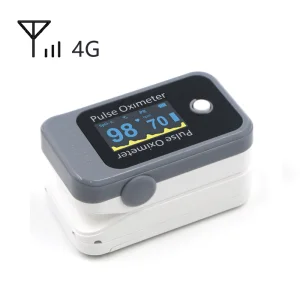
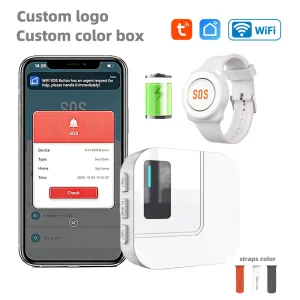
Utilizing SOS panic buttons and fall detection sensors to ensure safety for the elderly in North America and Europe. Integration with 4G/WIFI pulse oximeters allows for constant vigilance without invading privacy.
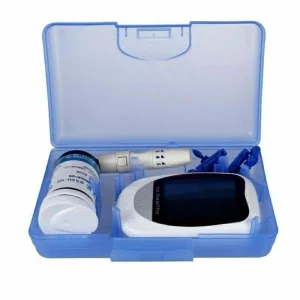
Remote monitoring for diabetes and hypertension. Constant glucose meters and sphygmomanometers transmit data to cloud platforms, allowing doctors in Asia and the Middle East to adjust medications remotely.
Global enterprises are purchasing tracking fleets to monitor employee health metrics, reducing insurance premiums and improving workplace productivity through preventative health insights.
The next decade of personal health tracking will be defined by Interoperability. Currently, many devices operate in "data silos." The trend is shifting towards HL7/FHIR standards, ensuring that a device manufactured in Shenzhen can seamlessly talk to a hospital system in Berlin or New York.
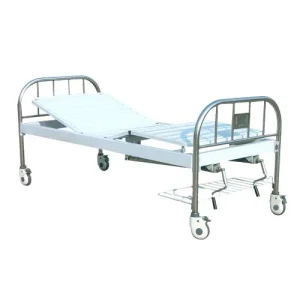
Furthermore, Passive Sensing is gaining traction. Instead of wearable bands, sensors are being integrated into furniture (like hospital beds) and home environments. Ocent Monitor is at the forefront of this, developing "invisible" monitoring solutions that collect vital signs without requiring active user participation.
Data security is another critical pillar. With GDPR and HIPAA regulations, manufacturers are now implementing end-to-end encryption and blockchain-based data ledger systems to ensure that personal health information (PHI) remains immutable and private.
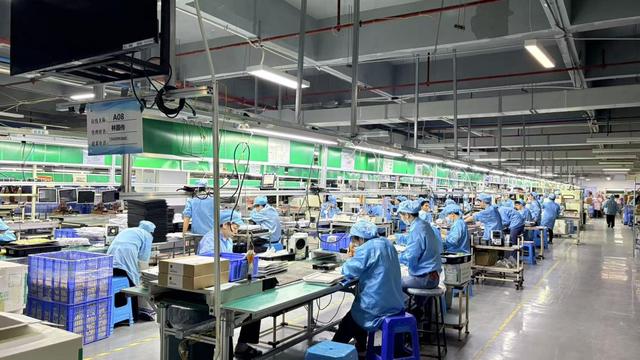
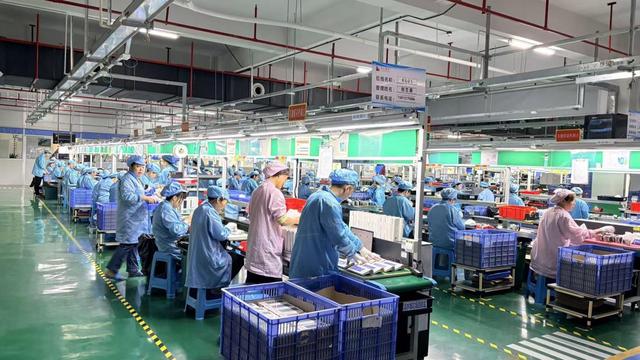

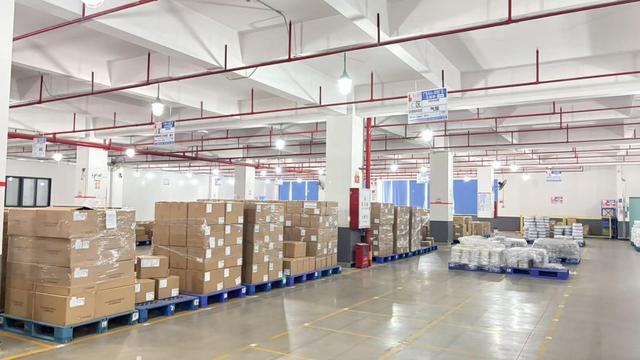
Supported by an experienced engineering team and rigorous quality management processes, Shenzhen Ocent Monitor Co., Ltd. maintains strict production standards throughout product development and manufacturing. Committed to continuous innovation in connected healthcare technologies, we enable healthcare professionals to access real-time patient information and make informed clinical decisions across North America, Europe, Asia, and the Middle East.
 Ocent Monitor