In the era of 5G, AI, and the Internet of Medical Things (IoMT), Health Informatics has transcended basic data entry to become the backbone of modern clinical efficacy. China, led by innovation hubs like Shenzhen, has emerged as the premier destination for high-end health informatics manufacturing. This shift is driven by a unique convergence of massive data sets, sophisticated hardware ecosystems, and a rapid transition toward semantic search capabilities in medical databases.
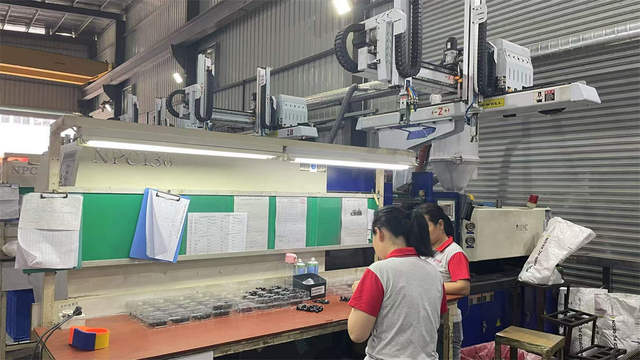
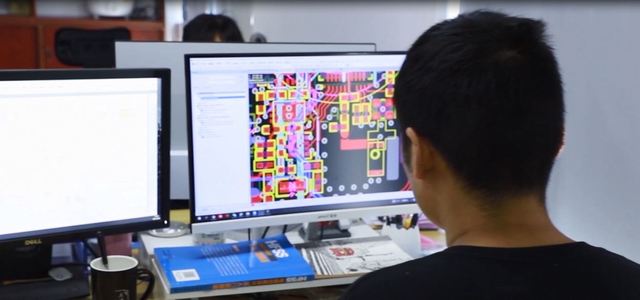
As a global epicenter of electronics, Shenzhen offers a manufacturing speed and technical depth unparalleled in other markets. Manufacturers like Shenzhen Ocent Monitor Co., Ltd. leverage this ecosystem to integrate medical-grade sensors with advanced cloud computing. The primary advantage lies in the Vertical Integration of the supply chain—from PCBA design to housing injection and final software calibration—all within a 50-mile radius. This reduces "Time-to-Market" for complex telehealth systems while maintaining rigorous quality standards like CE, ISO13485, and FDA compliance.
The global health informatics market is shifting from reactive care to Predictive Health Analytics. Key trends include:
Shenzhen Ocent Monitor Co., Ltd. is a technology-driven manufacturer specializing in remote patient monitoring systems, telehealth monitoring solutions, and digital healthcare technologies. Established in 2016, the company is headquartered in Shenzhen, China, one of the world's leading innovation and electronics manufacturing hubs.
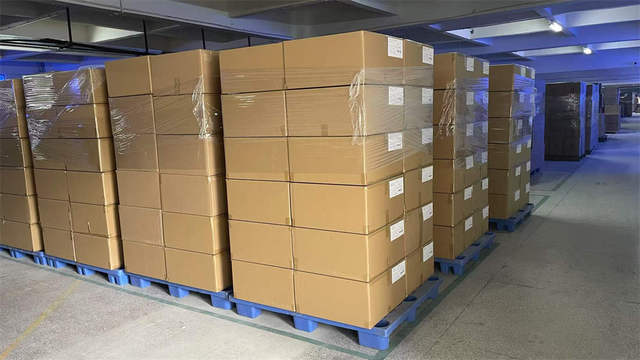
With a modern production facility covering more than 8,000 square meters and a workforce of over 180 employees, Ocent Monitor focuses on the design, development, and manufacturing of intelligent healthcare monitoring solutions for hospitals, clinics, long-term care facilities, and home healthcare providers worldwide.
Remote patient monitoring systems, wireless vital sign monitors, telehealth platforms, and healthcare IoT integration systems.
Combining sensor technology, cloud connectivity, and data management to support continuous health monitoring beyond traditional settings.
Tailored solutions for North America, Europe, Asia, and the Middle East, supporting diverse healthcare applications.
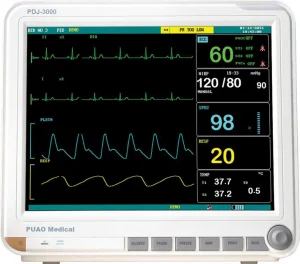
Integrating ICU beds, nurse call systems, and central monitoring stations into a unified digital dashboard for real-time decision support.
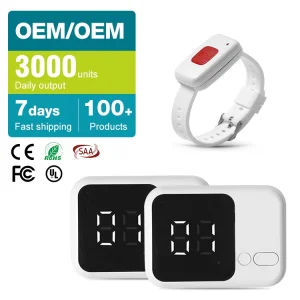
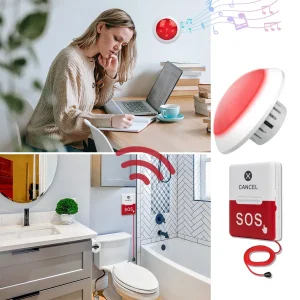
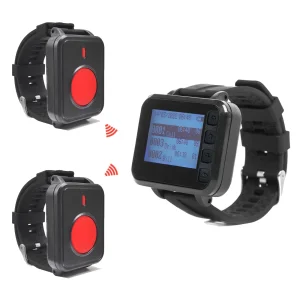
Utilizing wireless pagers, toilet alarms, and fall detection sensors to provide safety nets for senior living facilities and private residences.
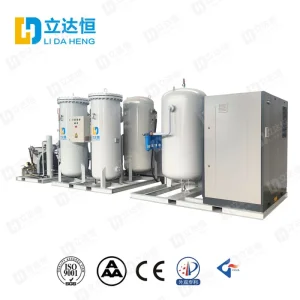
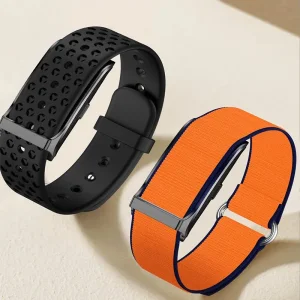
Enabling doctors in urban centers to monitor patients in remote areas using IoT-enabled oxygen generators and vital sign trackers.
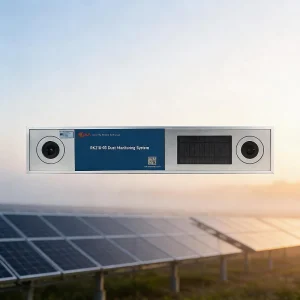
Deploying modular housing and dust monitoring solutions for labor-intensive industries like mining, ensuring worker safety and environmental health.
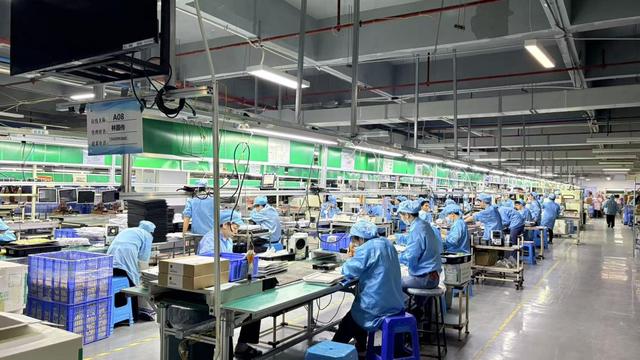
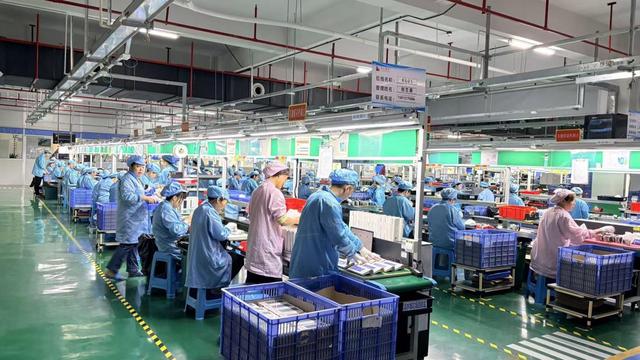
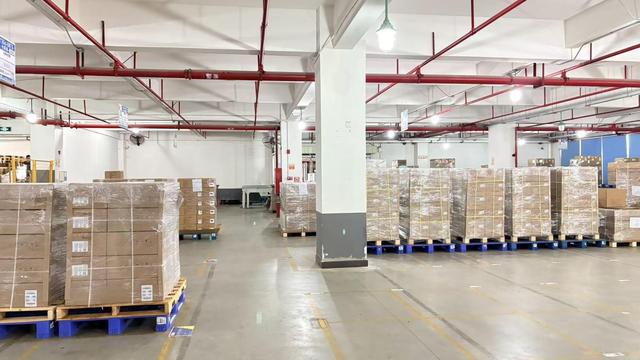
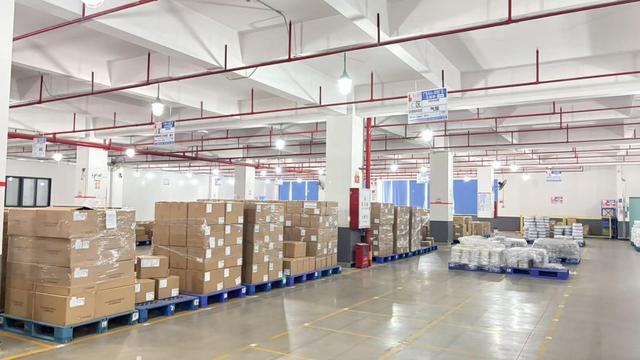
For international buyers, sourcing Health Informatics from China requires a focus on Compliance, Scalability, and Technical Support. Global enterprises are no longer just looking for products; they are looking for partners who provide "Information Gain"—data insights that reduce operational costs.
A: Our focus on integrating high-precision medical sensors with robust cloud data management. Since 2016, we have combined Shenzhen's tech innovation with global medical standards (ISO 13485) to deliver scalable solutions.
A: Yes. Many of our products, such as the Smart IoT Oxygen Generator and ICU Monitoring Systems, support RS485, Wireless Multi-parameter protocols, and custom SDKs for seamless EMR/EHR integration.
A: Absolutely. We serve North American, European, and Asian markets with tailored OEM/ODM services, adapting our hardware and software to meet specific local regulatory and clinical requirements.
A: We utilize advanced error-correction algorithms and redundant connectivity (Bluetooth, WiFi, IoT bands) to ensure that vital signs are tracked accurately and alerts are delivered without latency.
 Ocent Monitor