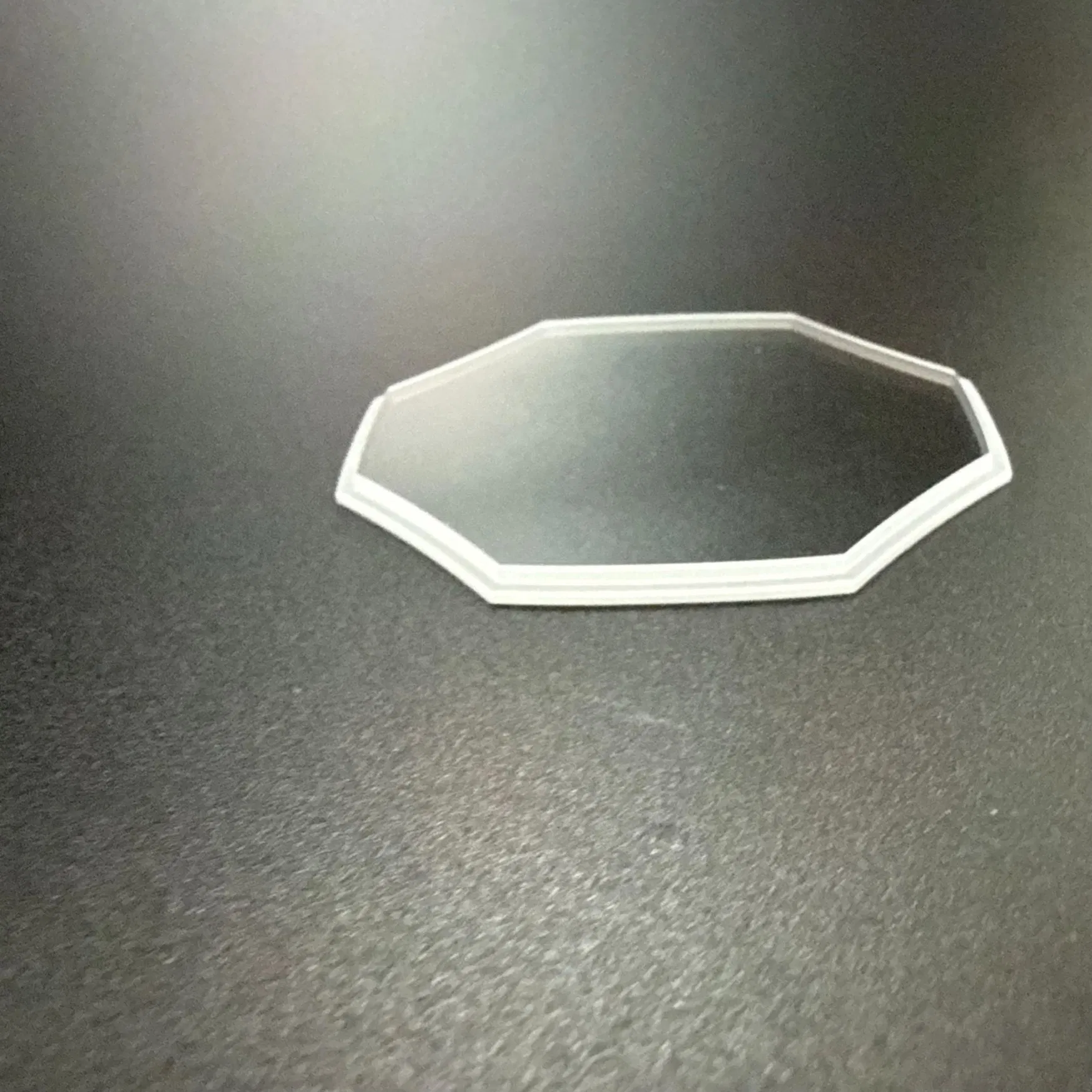
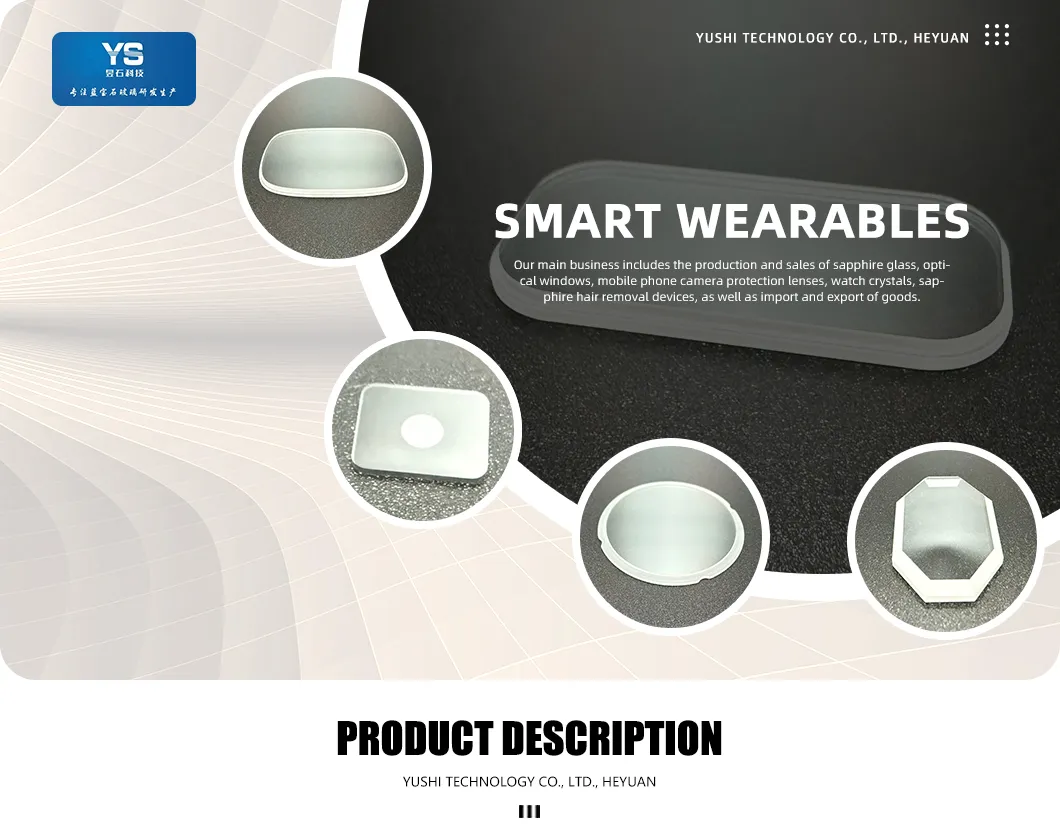
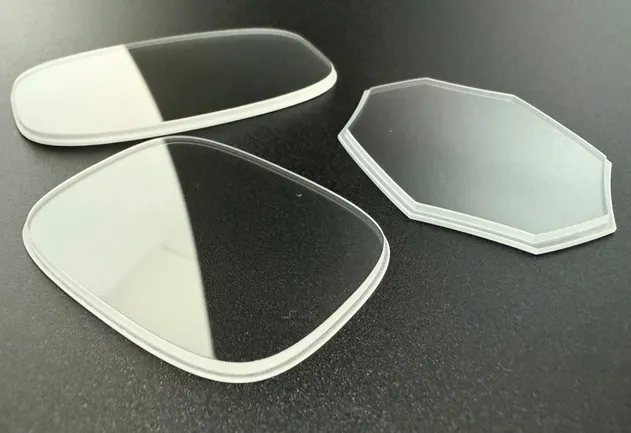
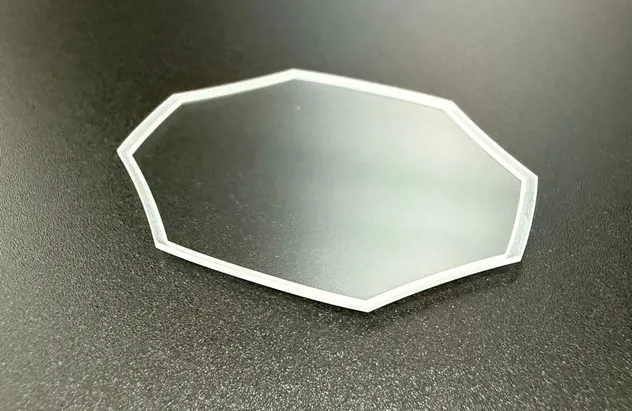
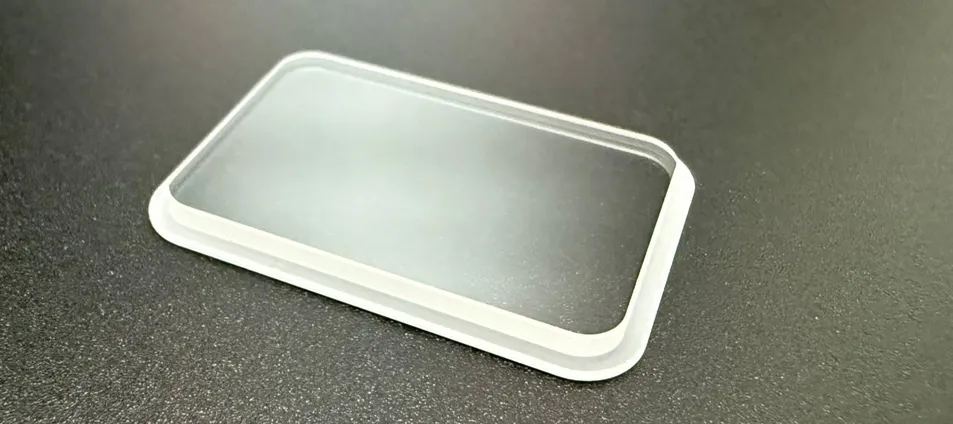
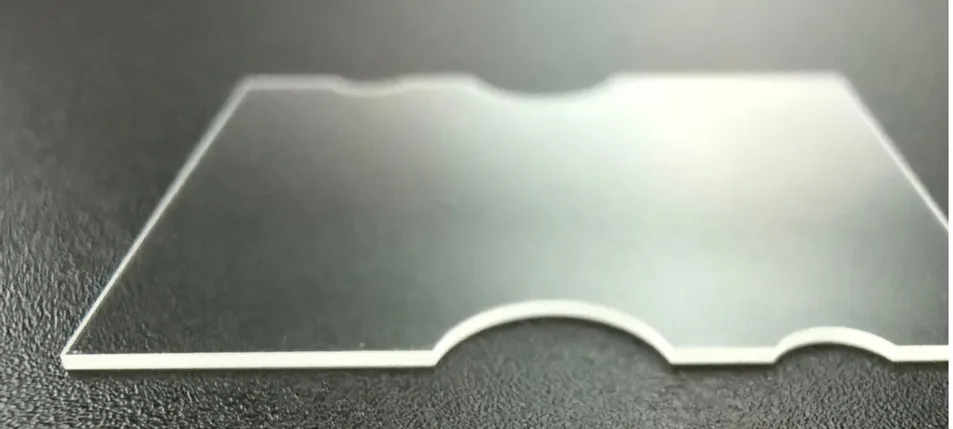
🟦 Product Overview
🟦 Technical Specifications
| Parameter Category |
Parameter Name |
Value / Description |
Notes |
| Basic Information |
Product Name |
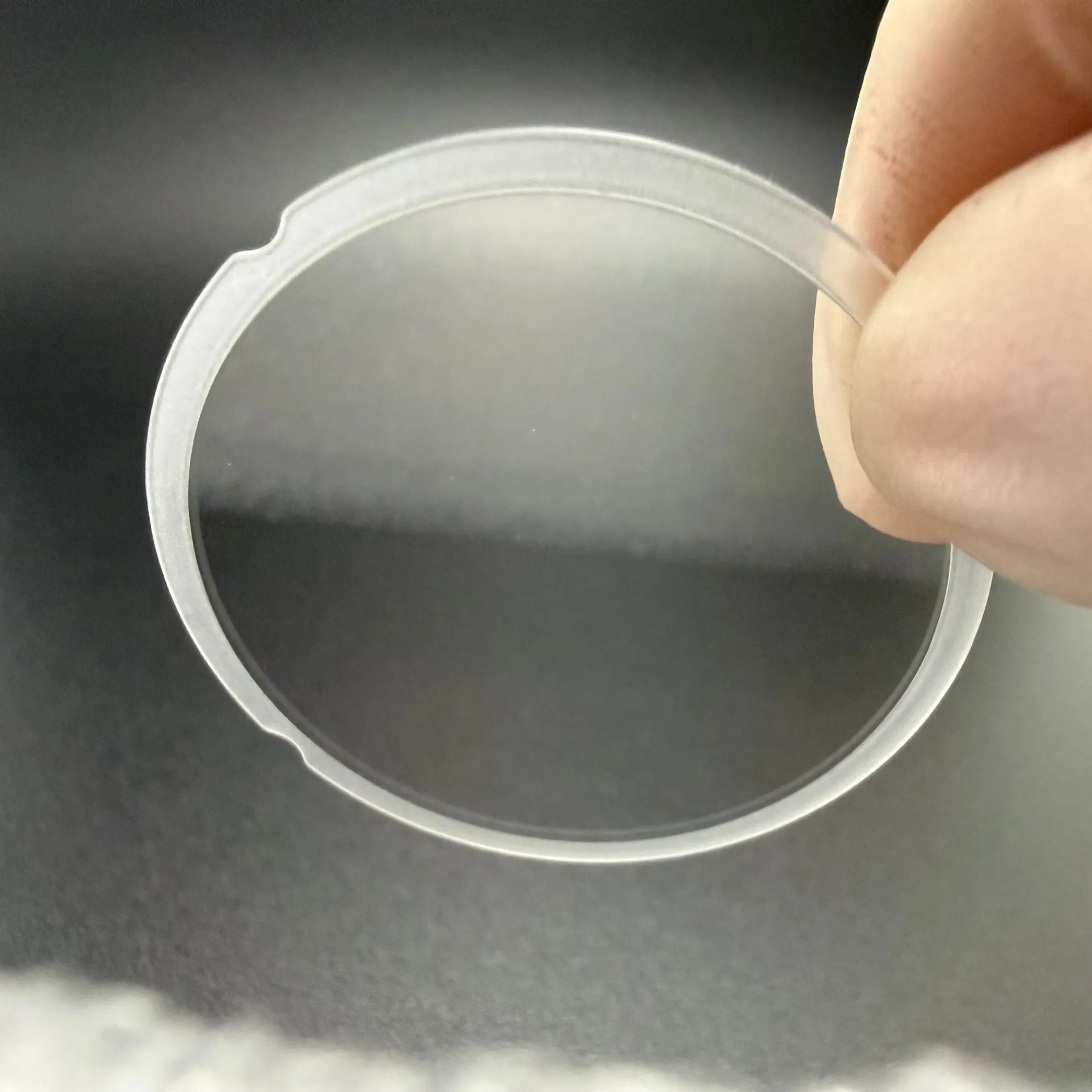
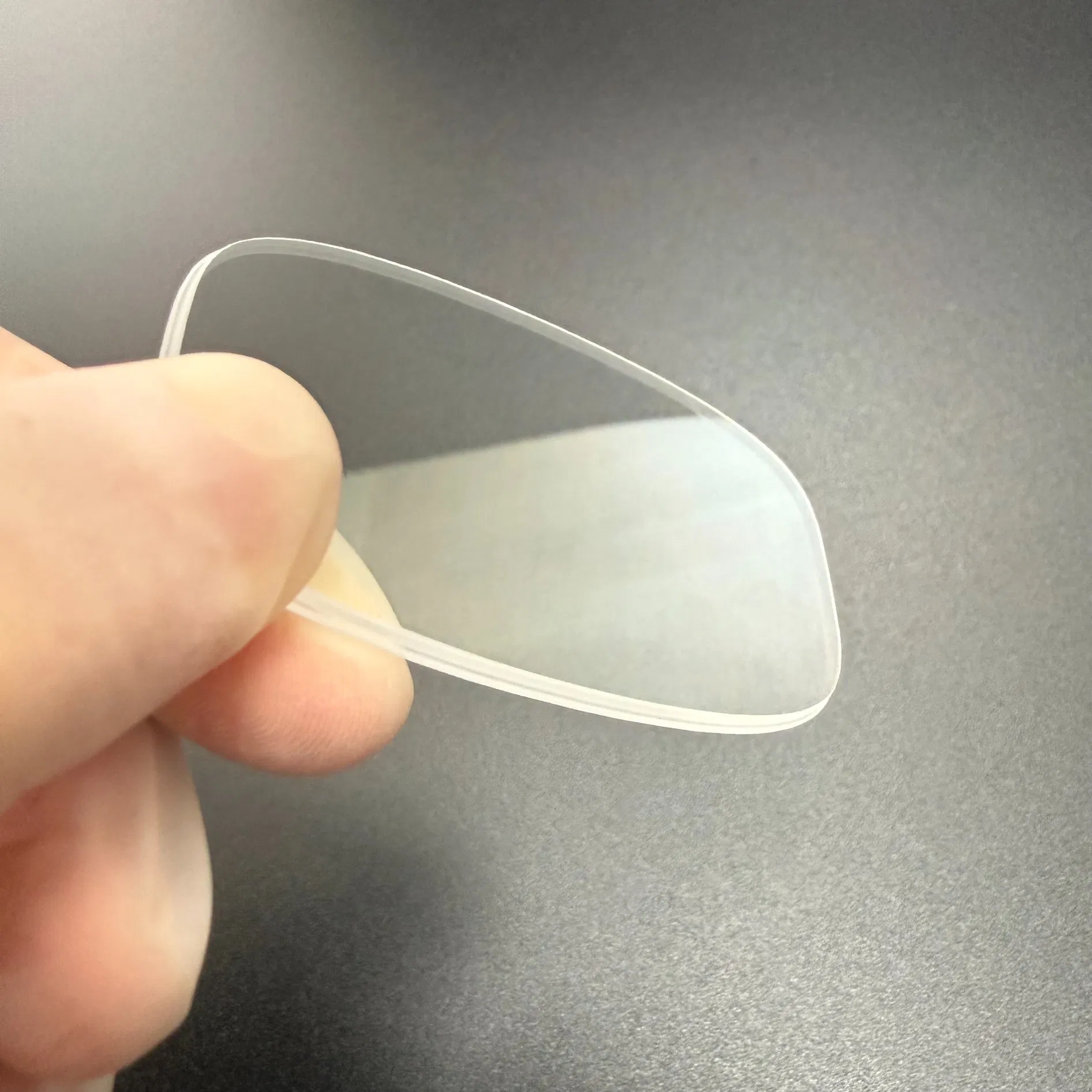
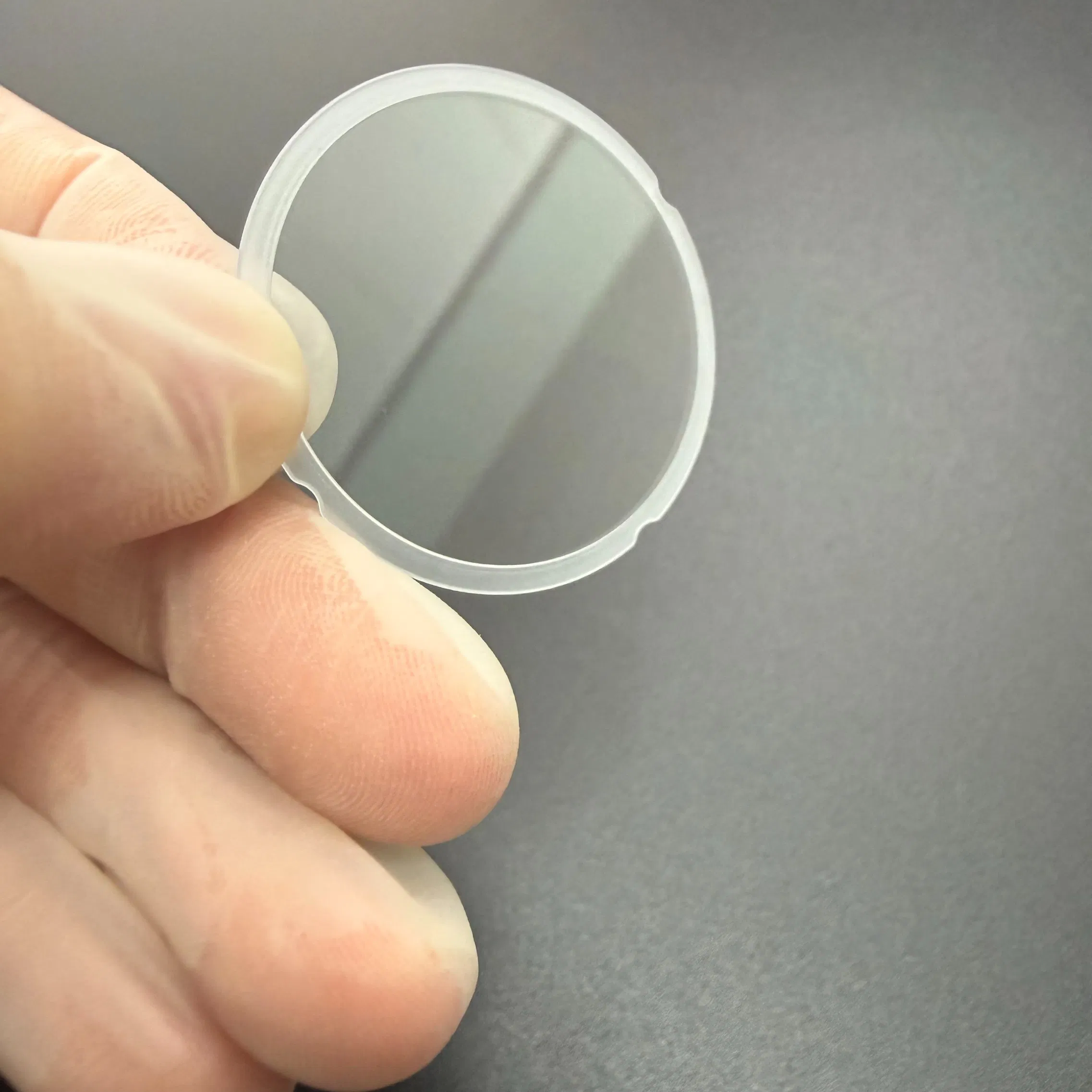
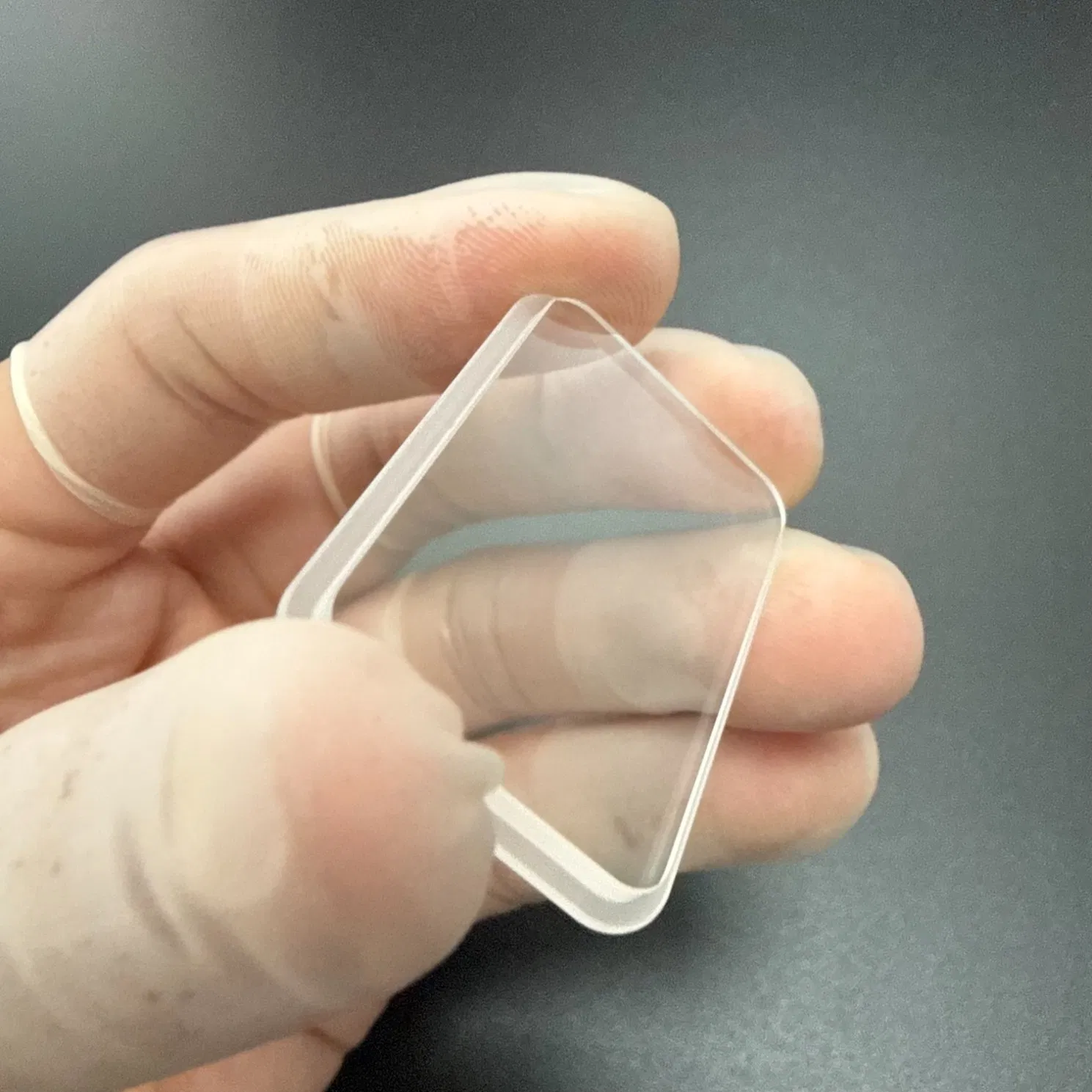
Sapphire Glass Optical Window |
- |
| Material |
Material Composition |
Single Crystal α-Aluminium Oxide |
- |
| Structure |
Crystal Structure |
Hexagonal Crystal System |
Anisotropic Crystal |
| Production |
Growth Method |
Kyropoulos, HEM, EFG |
- |
| Physical |
Mohs Hardness |
9 |
Second only to diamond |
| Physical |
Density |
3.97 - 3.99 g/cm³ |
- |
| Thermal |
Melting Point |
2040 °C |
- |
| Optical |
Transmission Range |
0.15 μm - 5.5 μm |
Deep UV to Mid-IR |
| Optical |
Refractive Index |
no = 1.768 / ne = 1.760 |
@587.6 nm |
| Surface |
Surface Finish |
10-5 Scratch-Dig |
MIL-PRF-13830B |
🟦 Coating & Customization Options
▶
Anti-Reflection (AR): Increases transmission in specific bands like NIR and VIS.
▶
High Reflection (HR): For laser cavity applications with R>99.5%.
▶
Oleophobic: Anti-fingerprint and easy-to-clean surface protection.
▶
Conductive (ITO): Transparent conductivity for electromagnetic shielding.
🟦 Primary Application Fields
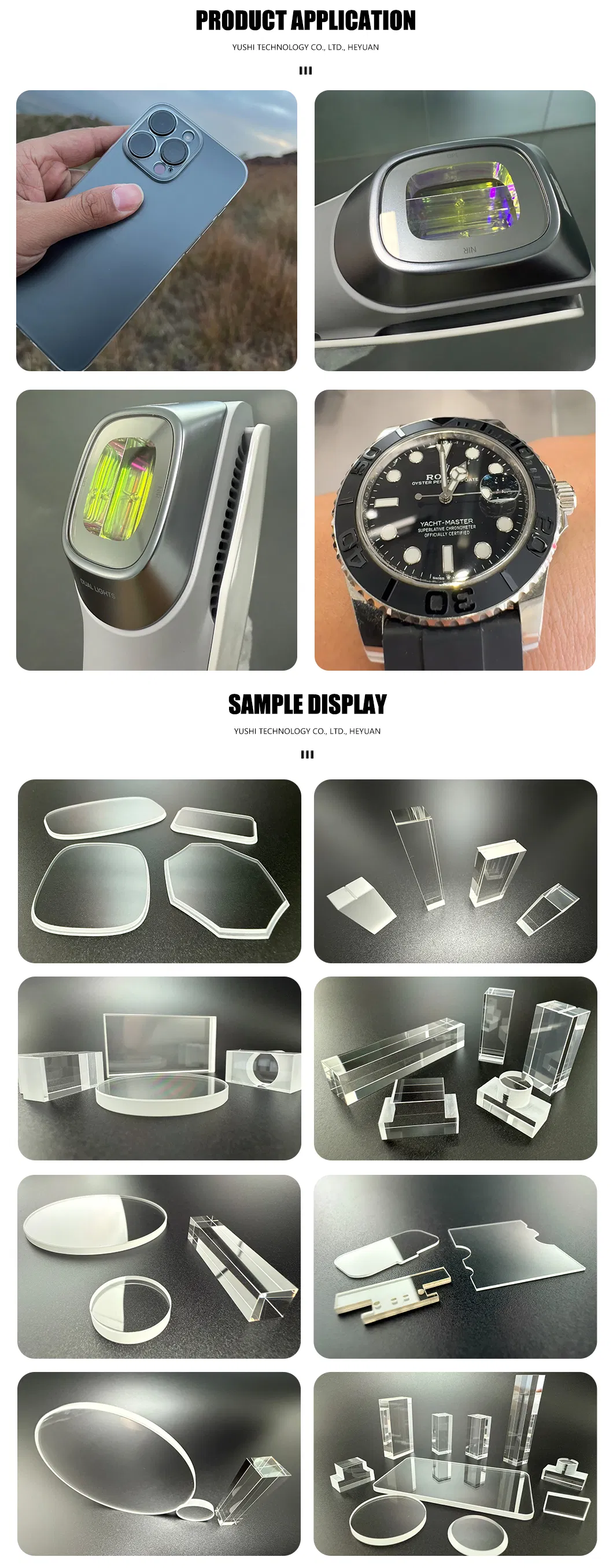
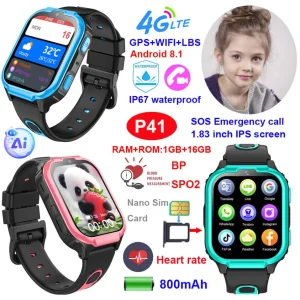
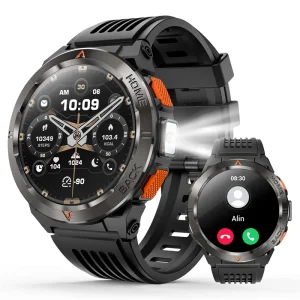
- Consumer Electronics: Smartwatch crystals, camera covers, and sensor windows.
- Industrial: High-power laser windows and vacuum viewports.
- Aerospace & Defense: Missile domes and EO/IR pod windows.
- Medical: Endoscope protection lenses and biosensors.
- Semiconductor: Wafer processing equipment viewports.
🟦 Certifications
🟦 Packing & Delivery
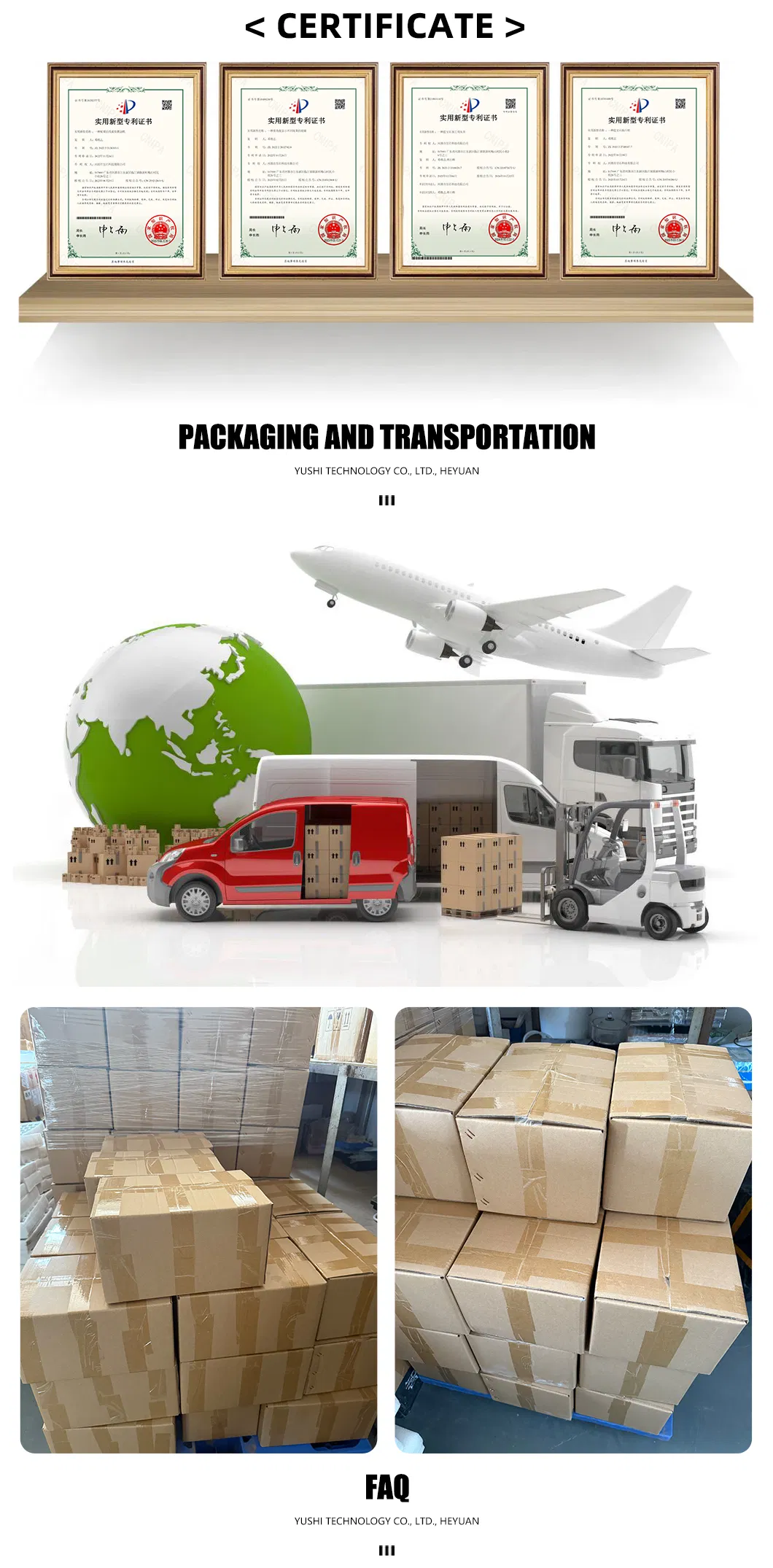
Professional vacuum packaging and secure logistics ensure the high-precision optical windows reach you in perfect condition.
Frequently Asked Questions
Q: What makes sapphire glass ideal for wearable sensors?
A: Its Mohs hardness of 9 provides extreme scratch resistance, while its high transmittance (0.15 μm - 5.5 μm) ensures accurate data monitoring for health sensors.
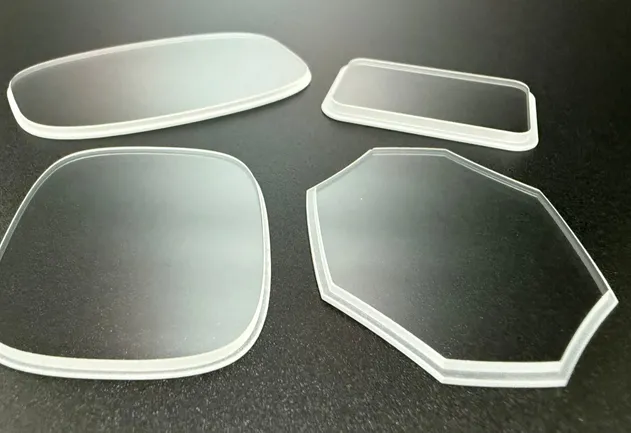
Q: Can the sapphire window be customized to specific shapes?
A: Yes, we offer customizable forms including Flat, Spherical, and Aspheric surfaces based on your technical requirements.
Q: What surface quality standards do you follow?
A: Our standard surface finish is 10-5 Scratch-Dig according to MIL-PRF-13830B, but we can provide up to high-grade 20-10 specifications.
Q: Does sapphire glass withstand high temperatures?
A: Yes, it has a melting point of 2040 °C and can operate up to 1000 °C in air or 1900 °C in vacuum/inert gas environments.
Q: What types of coatings can be applied?
A: We offer Anti-Reflection (AR), High Reflection (HR), Oleophobic/Hydrophobic, and Conductive (ITO) coatings to enhance optical performance and durability.
Q: How chemically stable is the sapphire material?
A: It is exceptionally stable, insoluble in water, and resistant to most strong acids and bases, making it suitable for harsh industrial and medical environments.
 Ocent Monitor