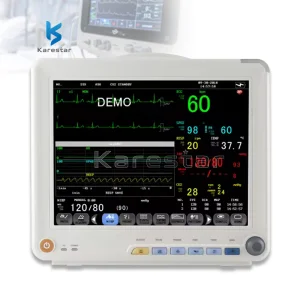
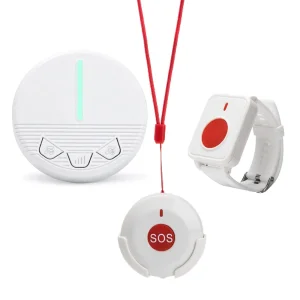
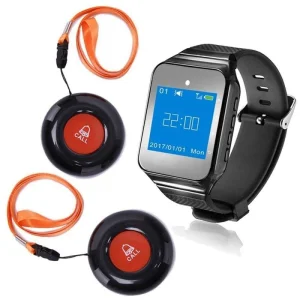
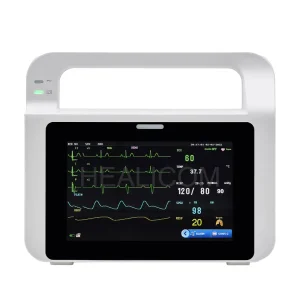
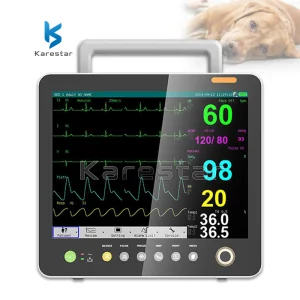
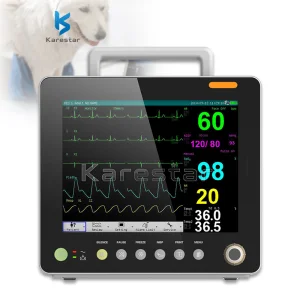
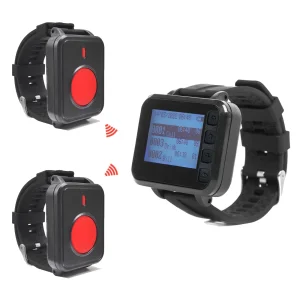
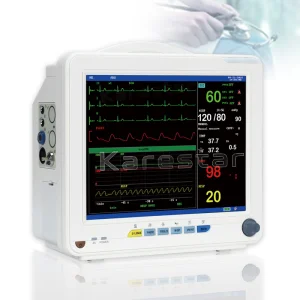
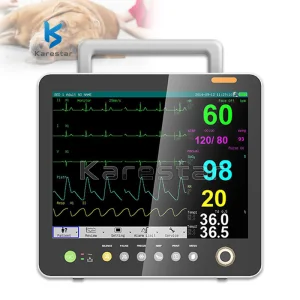
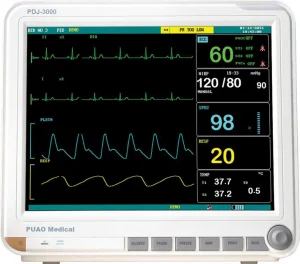
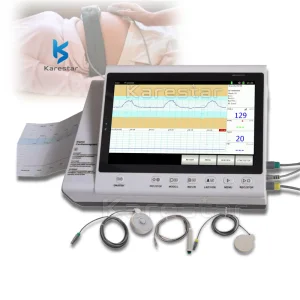
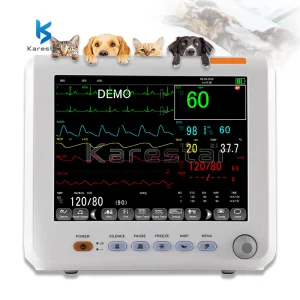
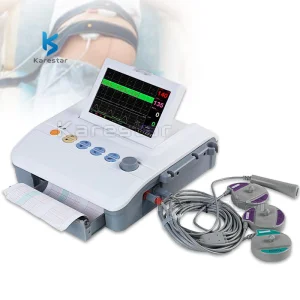
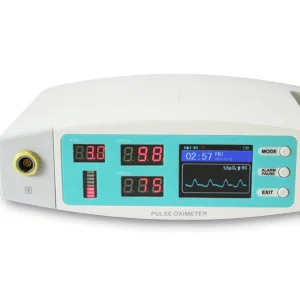
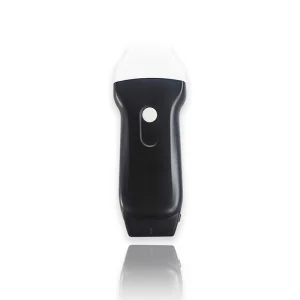
Fiji, an archipelago of more than 300 islands, presents a unique challenge for healthcare delivery. As the nation moves towards the Fiji Digital Health Strategy, the demand for "Wireless Patient Monitoring" has transitioned from a luxury to a critical necessity. For medical centers in Suva, Lautoka, and Nadi, as well as remote clinics in the Lau Islands, wireless technology bridges the gap between patient bedsides and specialist intervention.
Currently, Fiji's healthcare sector is undergoing significant modernization. The Ministry of Health and Medical Services (MHMS) is increasingly seeking centralized monitoring systems to reduce the workload on nursing staff. Locally, medical equipment distributors are shifting focus from standalone wired devices to integrated IoT (Internet of Things) platforms that allow data to be transmitted from a patient's home in Labasa directly to a specialist in the Colonial War Memorial (CWM) Hospital.
International procurement for the South Pacific market focuses on three pillars: Durability, Connectivity, and Support. Suppliers like Shenzhen Ocent Monitor are preferred due to their ability to provide ruggedized wireless monitors that withstand tropical humidity while offering seamless Wi-Fi and 4G/5G integration. Global NGOs and private healthcare groups operating in Fiji prioritize "Information Gain"—the ability of a device to not just record data, but to provide predictive analytics for cardiac and respiratory trends.
Shenzhen Ocent Monitor Co., Ltd. is a technology-driven manufacturer specializing in remote patient monitoring systems, telehealth monitoring solutions, and digital healthcare technologies. Established in 2016, the company is headquartered in Shenzhen, China, one of the world's leading innovation and electronics manufacturing hubs.
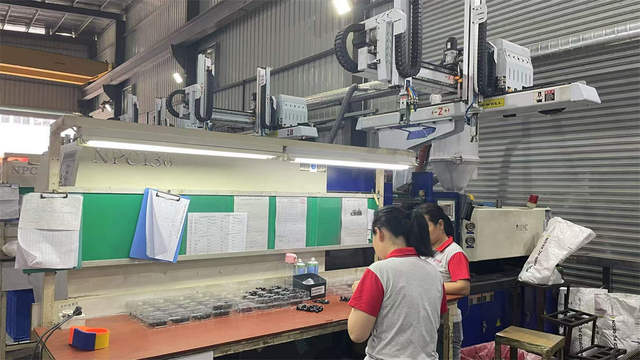
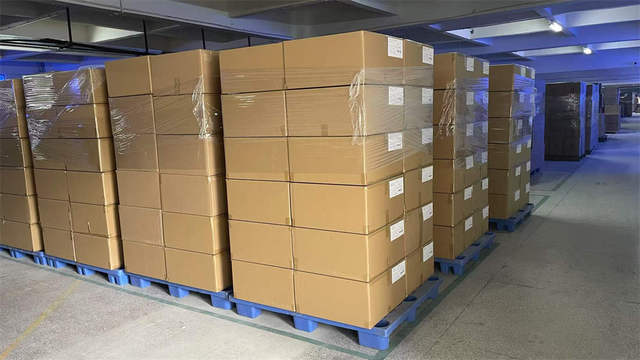
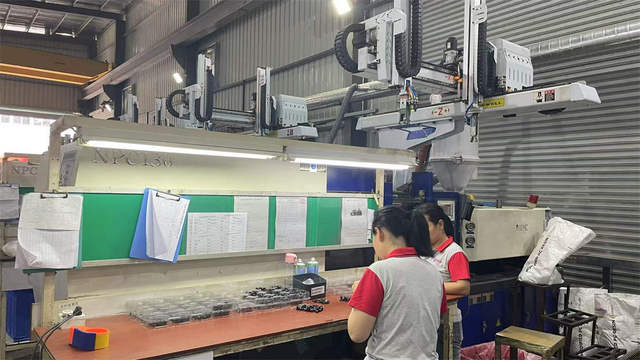
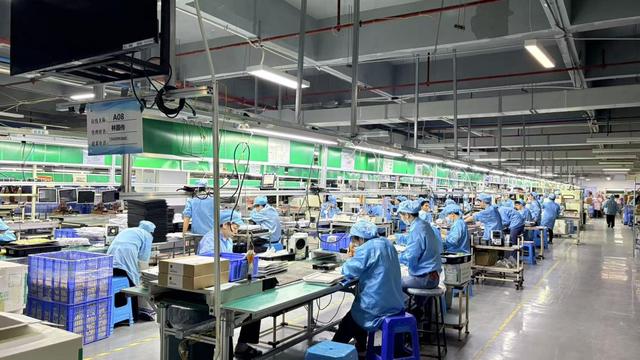
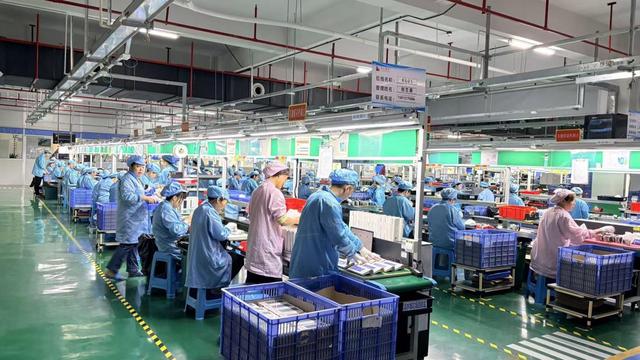
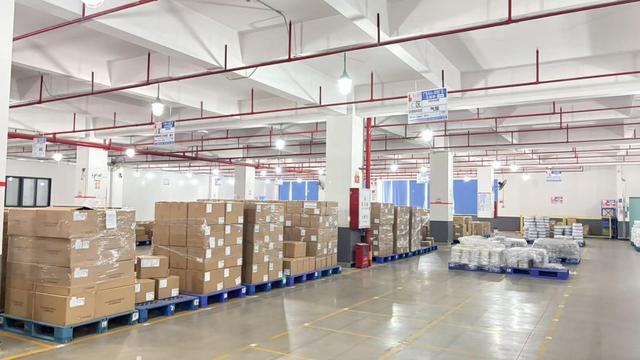
With a modern production facility covering more than 8,000 square meters and a workforce of over 180 employees, Ocent Monitor focuses on the design, development, and manufacturing of intelligent healthcare monitoring solutions for hospitals, clinics, long-term care facilities, and home healthcare providers worldwide. The company's product portfolio includes remote patient monitoring systems, wireless vital sign monitoring devices, telehealth platforms, chronic disease management solutions, wearable health monitoring technologies, and healthcare IoT integration systems.

The evolution of patient monitoring in Fiji is following a clear technological trajectory, moving from reactive monitoring to proactive AI-driven health management.
Modern wireless monitors are no longer simple sensors. They process data at the "edge"—within the device itself—to filter noise and identify critical alarms immediately. This reduces the bandwidth burden on Fiji's local networks.
As 5G rolls out in the South Pacific, Ocent's wireless monitoring systems are ready to utilize high-speed, low-latency channels, ensuring that a patient's vital signs in a rural clinic are mirrored in real-time at a central command center 500km away.
Future iterations will combine ECG, SpO2, NIBP, and body temperature with motion sensors and ambient environment data to provide a holistic view of patient recovery, particularly for Fiji's elderly population.
Our factory provides comprehensive solutions tailored for the specific economic landscape of Fiji:
At Shenzhen Ocent Monitor, we understand that medical devices in Fiji must adhere to strict international standards to ensure patient safety and reliability. Our manufacturing process follows:
All our wireless patient monitoring devices are CE certified and manufactured in ISO 13485:2016 compliant facilities. We provide the necessary documentation required by the Fiji Ministry of Health for medical device registration.
We have established logistics routes to Suva Port and Nadi International Airport, ensuring that supply chains for replacement sensors and new units remain uninterrupted, even during the peak cyclone season.

Q1: Do your wireless monitors work with Fiji’s local Wi-Fi frequencies?
A: Yes, our devices are configured for international standard frequencies (2.4GHz and 5GHz) and are tested for stability in varying network environments common in the South Pacific.
Q2: Can we integrate these monitors with our existing HIS (Hospital Information System)?
A: Absolutely. Our systems support HL7 protocols and offer SDK/API options for seamless integration with modern electronic health records used in Fiji’s major hospitals.
Q3: What is the lead time for shipping to Suva?
A: For standard orders, production takes 7-10 days, with air freight to Nadi taking approximately 5-7 working days. Sea freight to Suva takes roughly 20-25 days.
Q4: Do you offer local training for clinical staff in Fiji?
A: We provide comprehensive video training modules, 24/7 technical remote support, and can arrange for onsite technical training for large-scale hospital deployments.
 Ocent Monitor