High-precision sensor arrays and wireless modules optimized for telemetry networks in both industrial settings and remote health facilities across Namibia.
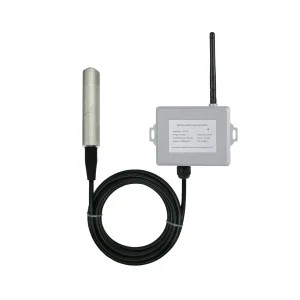
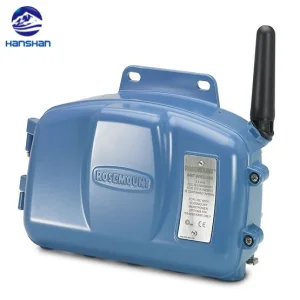
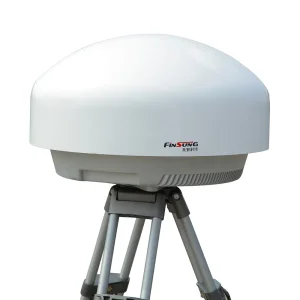
Bridging geographic isolation through advanced IoT integrations, medical sensor networks, and robust transmission platforms.
The global digital healthcare market is undergoing a seismic paradigm shift. The integration of 5G, Narrowband IoT (NB-IoT), and artificial intelligence has transitioned telehealth from basic video consultations into continuous, real-time physiological monitoring. Beyond typical outpatient care, hospitals and healthcare operators globally now depend on remote patient monitoring (RPM) algorithms to predict acute cardiac events, monitor respiratory failure, and automate triage protocols. Systems engineered with low energy footprints and multi-network compatibility are leading the sector, offering unmatched operational uptime.
Namibia exhibits a unique combination of highly developed urban centers like Windhoek, Swakopmund, and Walvis Bay alongside extremely remote, low-density rural settlements. Transporting critically ill patients over vast desert distances presents major logistical issues. Telehealth monitoring solutions engineered for Namibia must operate on highly resilient wireless links and feature long-lasting internal batteries. These systems allow community clinics to transmit patient vital signs directly to clinical specialists in Windhoek, minimizing unnecessary transport costs and improving response times.
In Namibia's robust mineral mining sector (uranium, diamonds, copper), occupational health monitoring is a regulatory mandate. Telehealth monitoring technologies are used for physical tracking and environmental monitoring inside deep shafts and open-pit mines. Industrial-grade sensors monitor ambient dust concentrations, toxic gases, and temperature fluctuations, while wearable health monitors assess the baseline vitals of field engineers, preventing heat exhaustion and exposure-related illnesses.
Shenzhen Ocent Monitor Co., Ltd. is a technology-driven manufacturer specializing in remote patient monitoring systems, telehealth monitoring solutions, and digital healthcare technologies. Established in 2016, the company is headquartered in Shenzhen, China, one of the world's leading innovation and electronics manufacturing hubs.
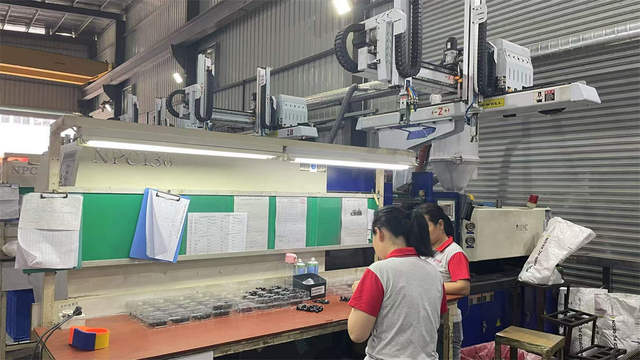
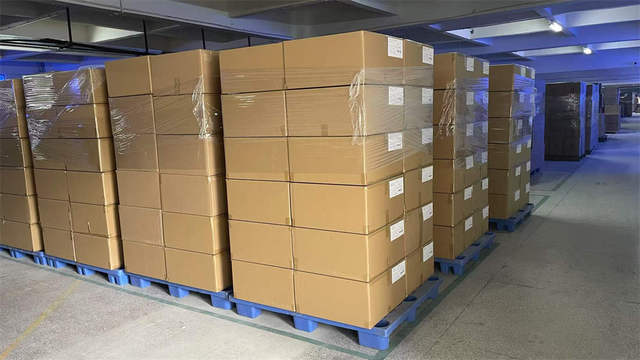
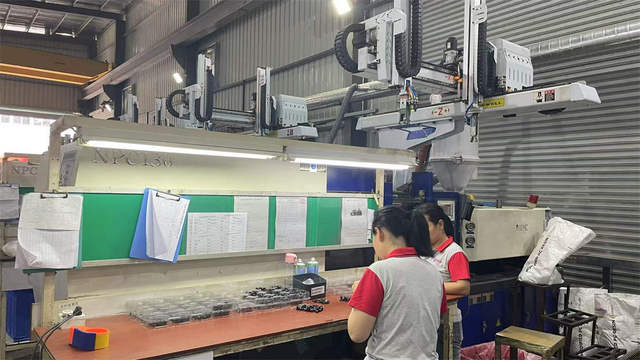
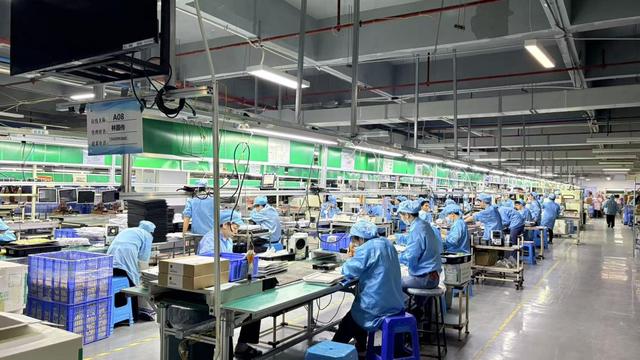
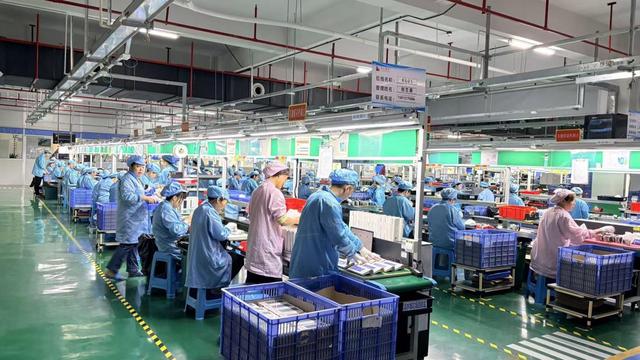
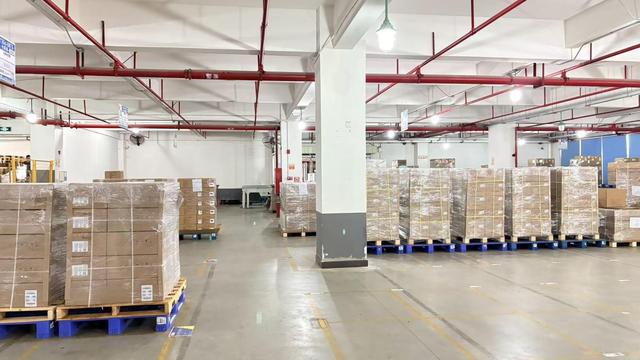
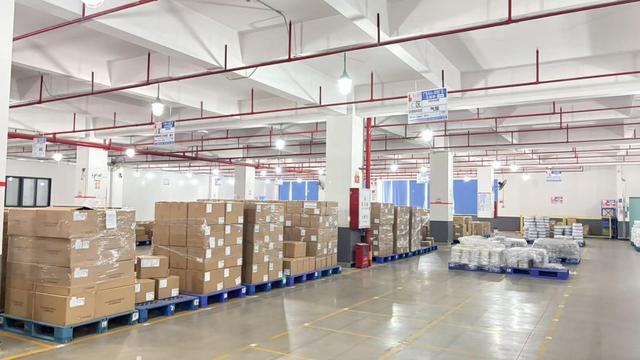
With a modern production facility covering more than 8,000 square meters and a workforce of over 180 employees, Ocent Monitor focuses on the design, development, and manufacturing of intelligent healthcare monitoring solutions for hospitals, clinics, long-term care facilities, and home healthcare providers worldwide.
The company's product portfolio includes remote patient monitoring systems, wireless vital sign monitoring devices, telehealth platforms, chronic disease management solutions, wearable health monitoring technologies, and healthcare IoT integration systems. By combining advanced sensor technology, cloud connectivity, and data management capabilities, Ocent Monitor helps healthcare organizations improve patient engagement, enhance care efficiency, and support continuous health monitoring beyond traditional clinical settings. Supported by an experienced engineering team and rigorous quality management processes, the company maintains strict production standards throughout product development and manufacturing.
From remote clinics in the Kunene region to heavy industries in Erongo, our systems provide reliable data transmission.
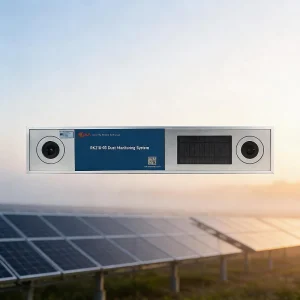
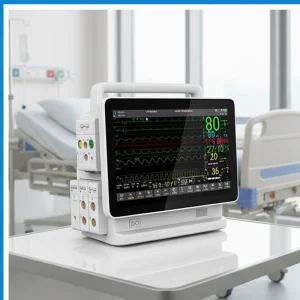
Deploying solar-powered vital sign stations with integrated NB-IoT modules allows community clinics to capture blood pressure, oxygen saturation, and ECG traces, transmitting them directly to city centers without requiring extensive localized server infrastructure.
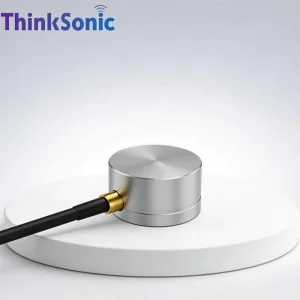
Integrating dust particle counters with RS485 interfaces allows industrial mines to track worker exposure levels in real-time. Automated alarm systems trigger immediate safety protocols if air quality drops below standard baselines.
In coastal facilities near Walvis Bay, IoT-connected water quality sensors protect aquaculture investments by constantly tracking salinity, pH, dissolved oxygen, and temperature fluctuations, delivering early warnings to prevent crop loss.
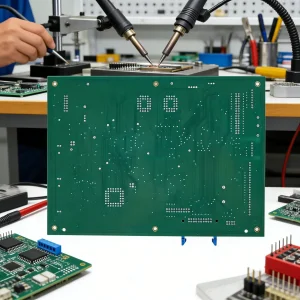
Shenzhen Ocent Monitor Co., Ltd. integrates state-of-the-art SMT assembly, optical quality control, and rigorous environmental stress testing to ensure every medical IoT module performs reliably under harsh field conditions.
Serving customers across North America, Europe, Asia, the Middle East, and other international markets, Shenzhen Ocent Monitor Co., Ltd. provides OEM and ODM services tailored to diverse healthcare applications and market requirements. Through ongoing investment in research and development, the company strives to deliver reliable, scalable, and future-oriented remote healthcare solutions that support the evolving needs of modern healthcare systems worldwide.

Over the next five years, the integration of Edge Artificial Intelligence (Edge AI) into wearable clinical sensors will define remote patient monitoring. Rather than transmitting massive streams of raw biological signals to the cloud, devices will analyze ECG and photoplethysmogram (PPG) waveforms directly on the chip. This will enable immediate detection of anomalies such as atrial fibrillation or oxygen drops, minimizing data usage and optimizing battery life—an essential feature for remote areas with high connectivity costs.
International procurement agents, municipal health ministries, and mining conglomerates look for specific standards in telehealth hardware: robust data encryption (such as TLS 1.3 and AES-256 protocols), certified manufacturing compliance (ISO 13485 medical device quality management standard), and uninterrupted battery life. Additionally, the option to white-label hardware (OEM) and adapt communication firmware (such as customizing frequency bands for local operators like MTC or Telecom Namibia) is a critical requirement for successful deployments.
Technical and logistical insights for telehealth deployments in Southern African territories.
A: Our systems are engineered to support multiple wireless standards, including NB-IoT, LTE-M (Cat-M1), and standard 2G/3G/4G networks, ensuring consistent connection stability even in remote areas. For off-grid industrial and agricultural sites, we also offer custom LoRa and LoRaWAN long-range configurations.
A: All medical data transmitted by our devices is encrypted using end-to-end industry standards (AES-256). Our production workflows and software integrations are fully aligned with HIPAA and GDPR requirements, providing secure data handling across all stages of care.
A: Yes. As an established OEM/ODM manufacturer with an 8,000+ sqm factory, we provide complete hardware and software customization, including customized enclosure branding, specialized sensor configurations, and custom firmware optimization to match local bandwidth needs.
A: Our industrial and remote water level monitoring products utilize high-temperature lithium-thionyl chloride (Li-SOCl2) batteries. These batteries feature minimal self-discharge and operate reliably in temperatures up to 85°C, ensuring consistent performance in hot, dry environments.
A: Standard OEM orders take 4 to 6 weeks from design approval to delivery at the port of shipment. We coordinate with major global freight forwarders to manage smooth shipping and customs clearance into Walvis Bay or Windhoek Hosea Kutako Airport.
Explore our full line of clinical diagnostic modules, industrial safety arrays, and environmental remote indicators.

 Ocent Monitor