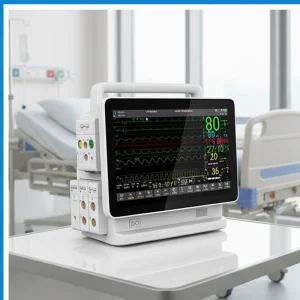
High-precision remote monitoring equipment optimized for Antananarivo and regional medical centers.
Shenzhen Ocent Monitor Co., Ltd. is a technology-driven manufacturer specializing in remote patient monitoring systems, telehealth monitoring solutions, and digital healthcare technologies. Established in 2016, the company is headquartered in Shenzhen, China, one of the world's leading innovation and electronics manufacturing hubs.
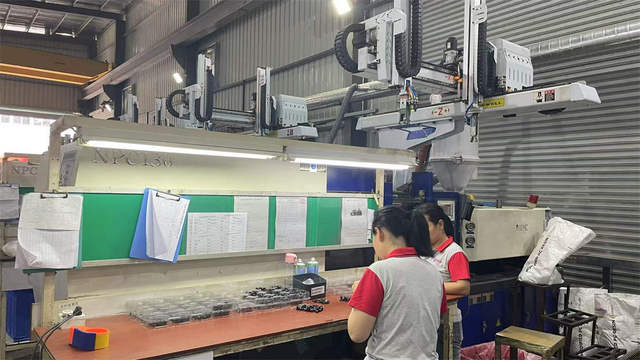
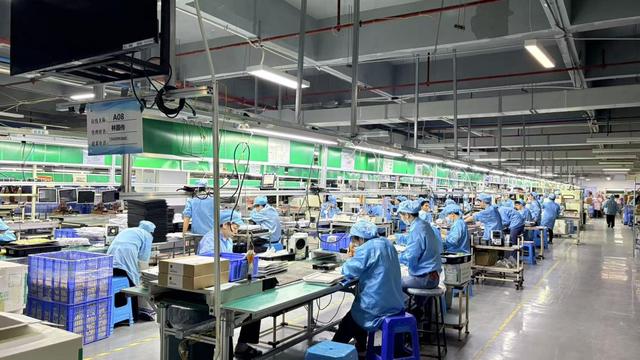
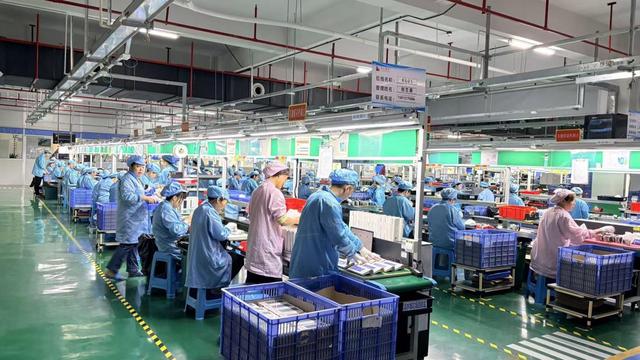
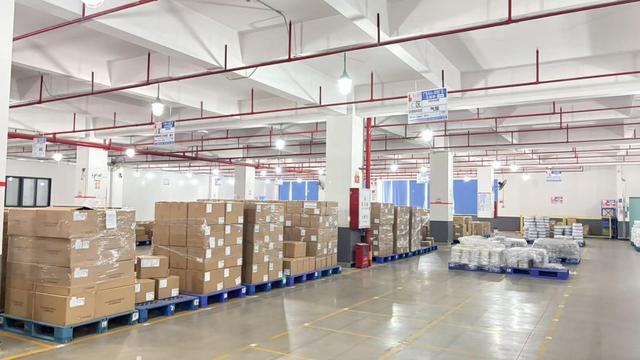
With a modern production facility covering more than 8,000 square meters and a workforce of over 180 employees, Ocent Monitor focuses on the design, development, and manufacturing of intelligent healthcare monitoring solutions for hospitals, clinics, long-term care facilities, and home healthcare providers worldwide.
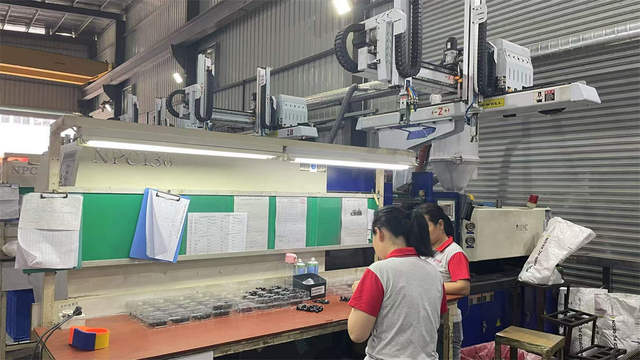
The company's product portfolio includes remote patient monitoring systems, wireless vital sign monitoring devices, telehealth platforms, chronic disease management solutions, wearable health monitoring technologies, and healthcare IoT integration systems. By combining advanced sensor technology, cloud connectivity, and data management capabilities, Ocent Monitor helps healthcare organizations improve patient engagement, enhance care efficiency, and support continuous health monitoring beyond traditional clinical settings.
Madagascar is currently at a pivotal crossroads of digital health transformation. With a population exceeding 28 million scattered across diverse terrains—from the high central plateaus to coastal rainforests—the traditional hospital-centric model faces significant logistical challenges. The Ministry of Public Health in Madagascar has prioritized "e-Santé" (e-health) as a pillar for improving universal health coverage.
Current industrial data indicates that while urban centers like Antananarivo and Toamasina are developing robust 4G/LTE networks, rural areas remain underserved. This creates a high demand for Nb-IoT (Narrowband IoT) and LoRaWAN telehealth solutions that can transmit vital medical data over long distances with minimal power consumption, a specialty of Shenzhen Ocent Monitor.
Purchasing entities in Madagascar, including government agencies, NGOs, and private clinics, focus on three critical factors:
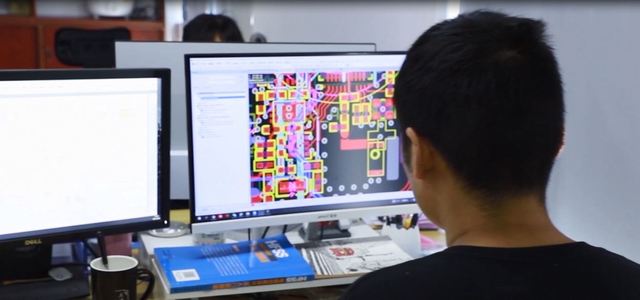
Our comprehensive technical approach for the Madagascar market involves a tiered architecture:
Shenzhen Ocent Monitor ensures that all telehealth solutions exported to Madagascar comply with both international standards (CE, ISO 13485) and local regulatory frameworks overseen by the Agence de Médicaments de Madagascar (DAM). We provide:
The future of telehealth in Madagascar lies in Predictive Healthcare. Ocent Monitor is currently developing next-generation AI algorithms that don't just monitor, but predict potential health crises such as early-onset sepsis or cardiac events, specifically tailored for the demographic profile of the SADC region. By 2026, we aim to integrate 5G-ready medical IoT modules across our entire product line, ensuring Madagascar stays at the forefront of African digital health.
Advanced medical and industrial sensors serving Madagascar's growing technological needs.

 Ocent Monitor