Ireland is currently witnessing a transformative shift in its healthcare delivery model. With the Sláintecare initiative driving a ten-year program to deliver a universal, single-tier health service, the demand for AI-Powered Remote Healthcare Monitoring (RPM) has reached an all-time high. The Health Service Executive (HSE) is actively seeking "digital first" solutions to alleviate the pressure on acute hospitals and support the transition toward community-based care.
The primary drivers for RPM adoption in Ireland include an aging demographic (with the population over 65 expected to double by 2040) and the geographical challenge of providing specialized care to rural areas in counties like Galway, Mayo, and Donegal. AI-driven technologies allow for early intervention in chronic conditions such as COPD, heart failure, and diabetes, significantly reducing hospital readmissions.
Leveraging Ireland's expanding 5G network, our IoT sensors provide real-time data transmission with zero latency, critical for emergency response and continuous monitoring in Dublin’s tech hubs and rural communities alike.
Our algorithms don't just collect data; they analyze trends. By predicting potential health crises before they occur, Irish clinicians can move from reactive to proactive care management.
As a leading manufacturer based in Shenzhen, China—the world's epicenter for electronics innovation—Shenzhen Ocent Monitor Co., Ltd. offers a unique blend of technological sophistication and manufacturing scale.
The global remote patient monitoring market is projected to grow at a CAGR of over 18%. The integration of Generative AI into healthcare platforms is the newest frontier, allowing for natural language processing (NLP) in patient-doctor communications and automated health reporting.
In Ireland, the trend is moving toward "Hospital-at-Home" models. AI-powered wearables and contactless sensors are becoming the standard for post-operative care, allowing patients to recover in the comfort of their homes while remaining under the constant "watchful eye" of medical professionals through our cloud-based dashboards.
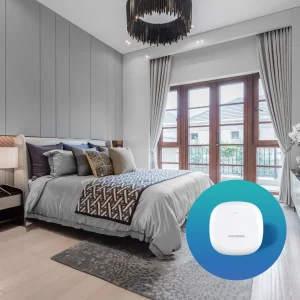
1. Elderly Care in Nursing Homes: Our contactless sleep radars and fall detection sensors are being deployed in care facilities in Cork and Limerick to ensure patient safety without infringing on privacy.
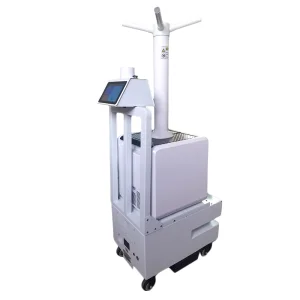
2. Urban Emergency Response: Our AI-powered ambulances, equipped with real-time data streaming, allow paramedics in Dublin to consult with specialists at St. James's Hospital while in transit.
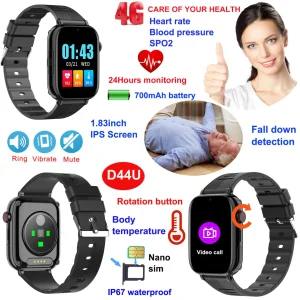
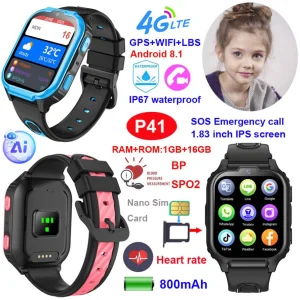
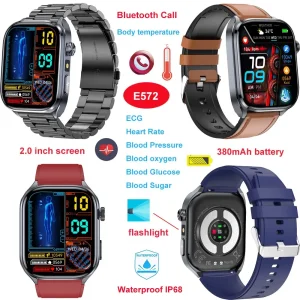
3. Pediatric Safety: 4G Smart AI watches with GPS tracking are increasingly used by parents across Ireland to ensure child safety and health monitoring in a connected world.
Shenzhen Ocent Monitor Co., Ltd. is a technology-driven manufacturer specializing in remote patient monitoring systems, telehealth monitoring solutions, and digital healthcare technologies. Established in 2016, the company is headquartered in Shenzhen, China, one of the world's leading innovation and electronics manufacturing hubs.
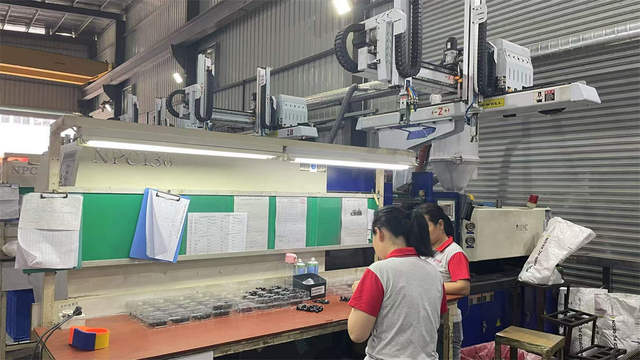
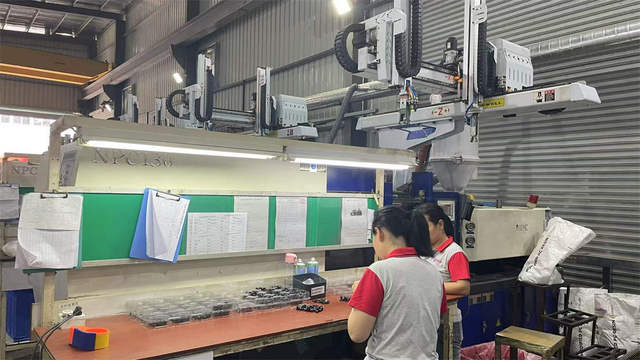
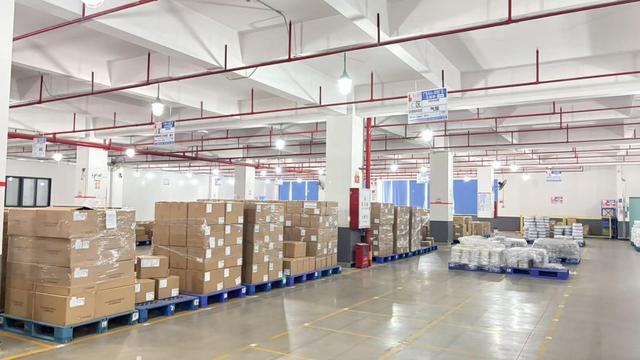
With a modern production facility covering more than 8,000 square meters and a workforce of over 180 employees, Ocent Monitor focuses on the design, development, and manufacturing of intelligent healthcare monitoring solutions for hospitals, clinics, long-term care facilities, and home healthcare providers worldwide.
The company's product portfolio includes remote patient monitoring systems, wireless vital sign monitoring devices, telehealth platforms, chronic disease management solutions, wearable health monitoring technologies, and healthcare IoT integration systems. By combining advanced sensor technology, cloud connectivity, and data management capabilities, Ocent Monitor helps healthcare organizations improve patient engagement, enhance care efficiency, and support continuous health monitoring beyond traditional clinical settings.
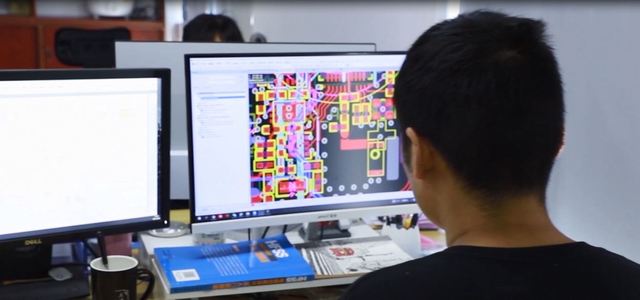



Need a specialized configuration for the Irish market? We provide full OEM/ODM services.
Request Custom QuoteContact Shenzhen Ocent Monitor Co., Ltd. today for expert consultation and wholesale pricing on AI-powered remote monitoring systems.
 Ocent Monitor