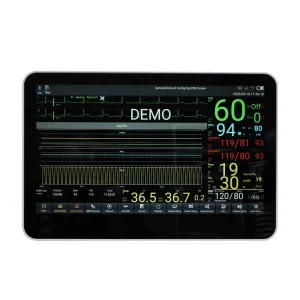
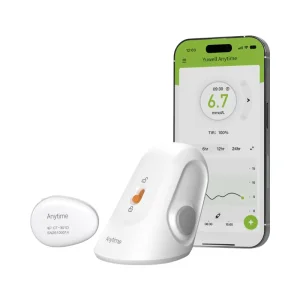
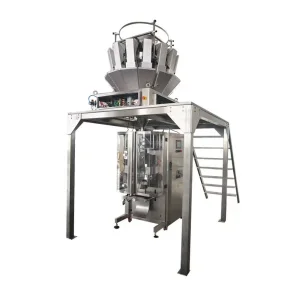
Deploying medical-grade precision sensors and secure Cloud-IoT protocols, our top catalog is engineered for high accuracy and reliable remote clinical monitoring.
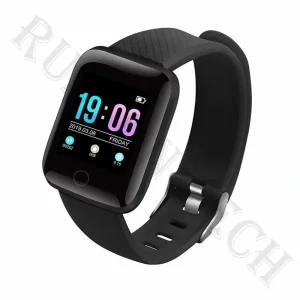
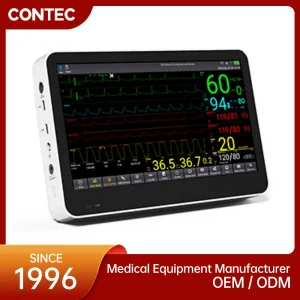
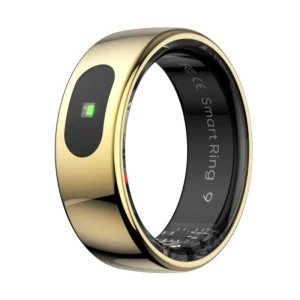

The convergence of advanced bio-sensors, cellular IoT connectivity, and predictive healthcare models has shifted the paradigm from reactive clinical intervention to proactive, continuous tracking. Globally, personalized health monitoring has evolved beyond fitness metrics. Modern devices now track cardiovascular anomalies, blood oxygenation index, interstitial fluid glucose levels, and micro-electrophysiological cardiac parameters in real time. Organizations like insurance groups, health systems, and occupational safety branches are deploying connected devices to prevent acute crises, manage chronic conditions, and lower inpatient readmission rates.
This massive digital health transition demands continuous calibration, high regulatory adherence, and optimized production systems. B2B buyers no longer seek basic consumer gadgets; they seek clinical-grade, biocompatible, and securely integrated IoT platforms that pass stringent FDA, CE, and HIPAA verification. The demand is driven by the global aging demographics, rising telemedicine adoption, and clinical reimbursement models (such as CPT codes for Remote Patient Monitoring in the United States) that incentivize health networks to monitor patients remotely.
Medical-grade sensors engineered for reliable diagnostics, matching hospital ECG and telemetry metrics.
Strict data privacy implementations conforming to HIPAA, GDPR, and localized digital sovereignty standards.
Seamless cellular, BLE, or WiFi pipelines pushing real-time health data to EHR/EMR clinical databases.
Global Telehealth & Medical-IoT Manufacturing Leader Since 2016
Shenzhen Ocent Monitor Co., Ltd. is a technology-driven manufacturer specializing in remote patient monitoring systems, telehealth monitoring solutions, and digital healthcare technologies. Established in 2016, the company is headquartered in Shenzhen, China, one of the world's leading innovation and electronics manufacturing hubs.
With a modern production facility covering more than 8,000 square meters and a workforce of over 180 employees, Ocent Monitor focuses on the design, development, and manufacturing of intelligent healthcare monitoring solutions for hospitals, clinics, long-term care facilities, and home healthcare providers worldwide.
The company's product portfolio includes remote patient monitoring systems, wireless vital sign monitoring devices, telehealth platforms, chronic disease management solutions, wearable health monitoring technologies, and healthcare IoT integration systems. By combining advanced sensor technology, cloud connectivity, and data management capabilities, Ocent Monitor helps healthcare organizations improve patient engagement, enhance care efficiency, and support continuous health monitoring beyond traditional clinical settings.
Supported by an experienced engineering team and rigorous quality management processes, the company maintains strict production standards throughout product development and manufacturing. Ocent Monitor is committed to continuous innovation in connected healthcare technologies, enabling healthcare professionals to access real-time patient information and make informed clinical decisions.
Serving customers across North America, Europe, Asia, the Middle East, and other international markets, Shenzhen Ocent Monitor Co., Ltd. provides OEM and ODM services tailored to diverse healthcare applications and market requirements. Through ongoing investment in research and development, the company strives to deliver reliable, scalable, and future-oriented remote healthcare solutions that support the evolving needs of modern healthcare systems worldwide.
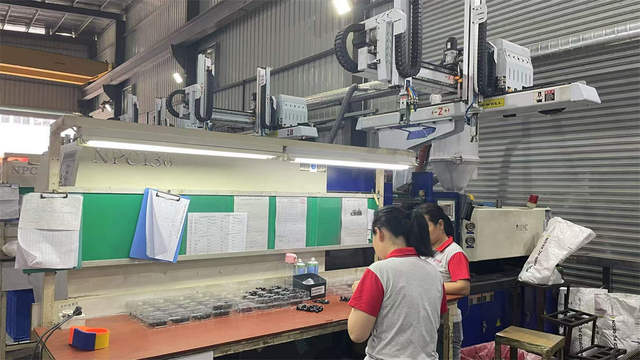

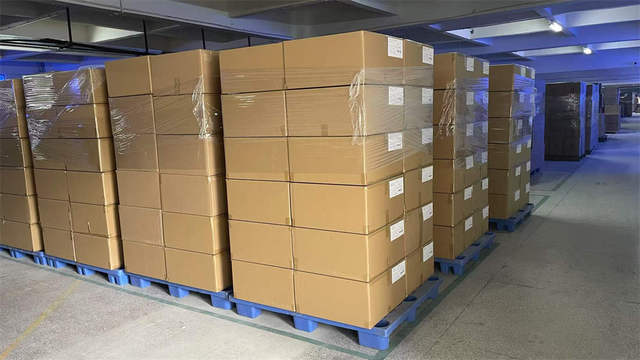
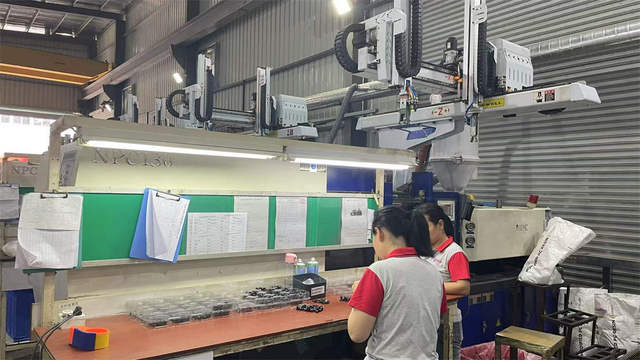
Shenzhen represents the epicentre of the global hardware ecosystem. For B2B healthcare companies, sourcing personalized health trackers directly from Shenzhen, and specifically from specialized factories like Ocent Monitor, offers unparalleled competitive advantages:
1. Integrated Supply Chain Cluster: Every component—from low-energy Bluetooth (BLE) system-on-chips (SoCs), micro-OLED screens, high-precision photoplethysmography (PPG) sensor arrays, to medical-grade biocompatible silicone straps—is sourced within a 15-mile radius. This geographical proximity reduces procurement latency, stabilizes pricing, and allows rapid iteration of custom PCB (Printed Circuit Board) designs.
2. Advanced Surface Mount Technology (SMT): Shenzhen factories leverage state-of-the-art high-speed SMT assembly lines capable of mounting micro-sized passive components (01005 packages) and advanced System-in-Package (SiP) modules. This enables the ultra-miniaturized forms required by modern wellness rings and high-performance bracelets.
3. Strict Regulatory Path Alignment: Leading manufacturers align their assembly protocols to ISO 13485:2016 medical device standards. This means every batch undergoes automated optical inspection (AOI), X-ray checking, wireless signal calibration via radio frequency (RF) chambers, and IP67/IP68 dust-and-water ingress tests. B2B buyers benefit from a product that is already prepared for CE and FDA registration.
Our facility operations operate under international quality systems to guarantee defect-free batches and trace-level engineering accountability.
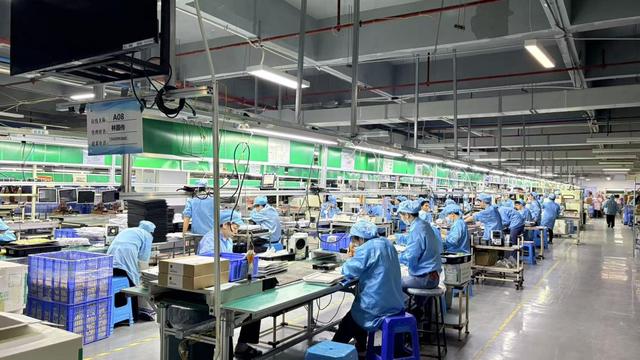
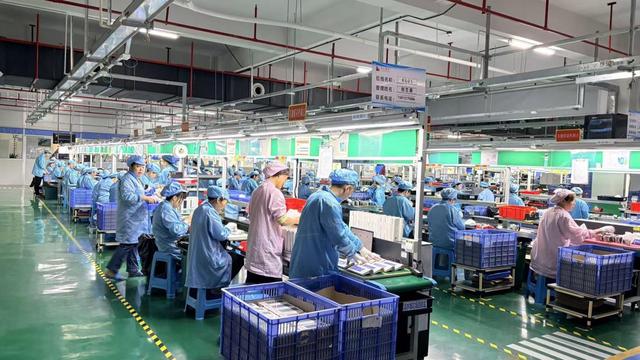

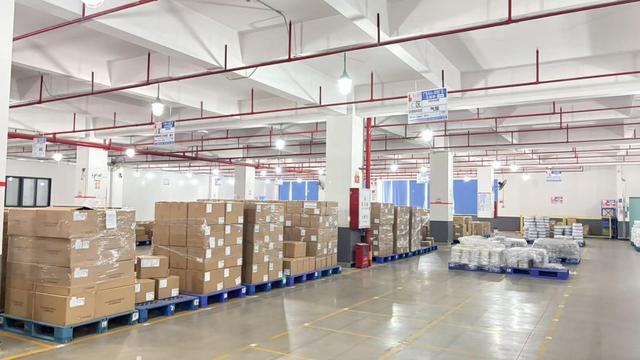
Personalized health tracking devices are no longer restricted to personal fitness dashboards. Industry verticals require specialized firmware, secure hardware configurations, and customized aesthetics to serve targeted populations:
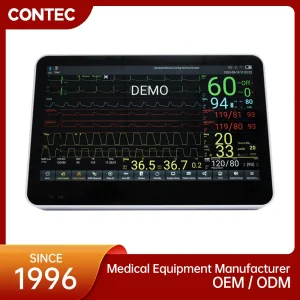
Clinical-Grade Remote Patient Monitoring (RPM): Hospitals and primary care providers deploy clinical monitors and tablet systems to post-operative or chronic heart failure patients. These devices record vitals, trigger automated emergency SMS or cloud warnings when arrhythmia is detected, and update EMR files without user intervention.
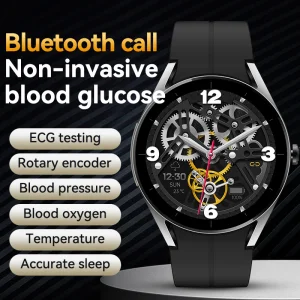
Elderly Care & Assisted Living Systems: Eldercare networks utilize low-energy wear bands and smart rings to monitor sleep efficiency, track resting heart rates, and detect falls. Biocompatible components guarantee zero skin irritation during continuous 24/7 wear, while long battery life limits the frequency of recharging cycles.
High-Stress Occupational Environments: Military, mining, and industrial logistics corporations use wearable rings and telemetry bracelets to detect real-time fatigue index, heat stroke indicators, and blood oxygen levels in extreme working conditions. Centralized safety dashboards receive warning pings to request rescue before systemic collapses occur.
Procuring medical-grade health monitoring electronics requires strict verification to avoid import blocks, user compliance friction, or data leak liabilities. Ensure your manufacturing partner provides the following assurances:
Get technical insights into engineering details, regulatory paths, API features, and manufacturing customization parameters.
We integrate premium optical PPG sensor matrices, medical-grade dry ECG electrodes, and custom high-resolution analog front ends (AFE). All hardware designs undergo strict physiological test loops utilizing standard patient simulators to guarantee that tracking metrics align with clinical benchmark expectations.
We offer comprehensive Android and iOS SDKs, along with RESTful Web APIs, allowing cloud telemetry data (such as SpO2, heart rate variability, temperature, and raw PPG curves) to route directly into proprietary EHR/EMR platforms, healthcare portals, or diagnostic databases.
Yes. Backed by our 8,000 square meter factory and in-house molding shop, we provide complete ODM/OEM services. This includes custom casing designs, silk-screened logos, customized gift boxes, unique firmware boot screens, and pre-configured wireless network settings.
Depending on order volume and component customization details, standard OEM order turnaround ranges from 25 to 45 business days. We maintain safety stock buffers for critical integrated circuits (ICs) to isolate our supply chain from sudden global component shortages.
Yes, our diagnostic devices, remote health modules, and telemetry systems undergo testing at certified laboratory facilities to secure CE, FCC, RoHS, and other localized medical device registrations.
Complementary hardware solutions engineered to cover veterinary diagnostics, intensive care interfaces, and digital domestic domotics.
 Ocent Monitor