Explore our elite selection of CE and FDA compliant medical devices, advanced remote sensing hardware, and localized telemetry equipment built for modern healthcare systems.
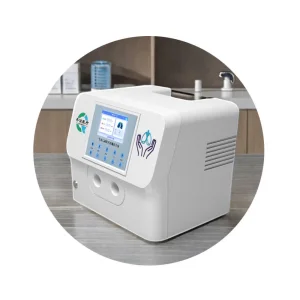
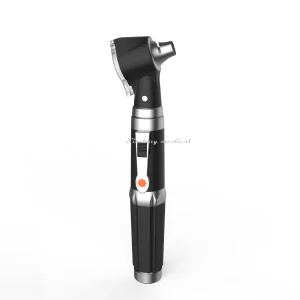
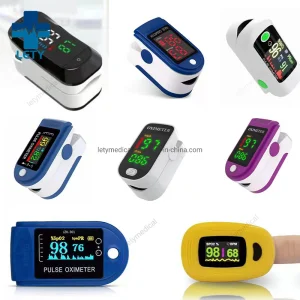

Established in 2016, Shenzhen Ocent Monitor Co., Ltd. stands as a premier technology-driven manufacturer and strategic global supplier. We specialize in engineering and producing remote patient monitoring (RPM) systems, advanced telehealth systems, clinical-grade medical diagnostics, and scalable healthcare IoT ecosystems. Headquartered in Shenzhen, China—the world’s epicenter for electronics development and manufacturing innovation—we bridge the gap between advanced microelectronics and clinical-grade diagnostic software.
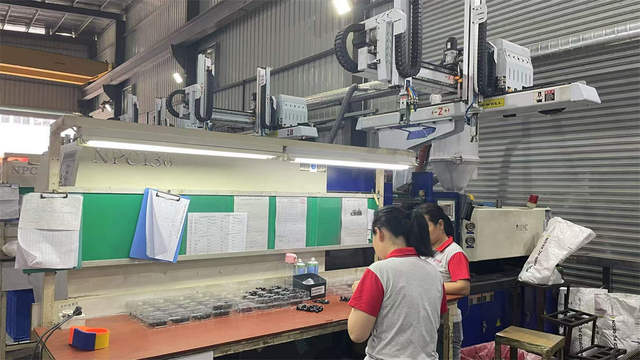
With an expansive state-of-the-art production facility encompassing more than 8,000 square meters and housing over 180 highly qualified employees, Ocent Monitor integrates advanced manufacturing lines, automated quality assurance bays, and dedicated R&D testing suites. We focus on developing robust telemetry and patient tracking systems tailored for modern hospital networks, long-term care organizations, private clinics, and global medical equipment distributors.
By blending ultra-precise sensor calibration, low-latency firmware designs, cloud databases, and interoperable data pipelines, we provide medical institutions with end-to-end monitoring stability. We support and streamline operations in North America, Europe, Asia, and the Middle East through our agile OEM/ODM partnerships.

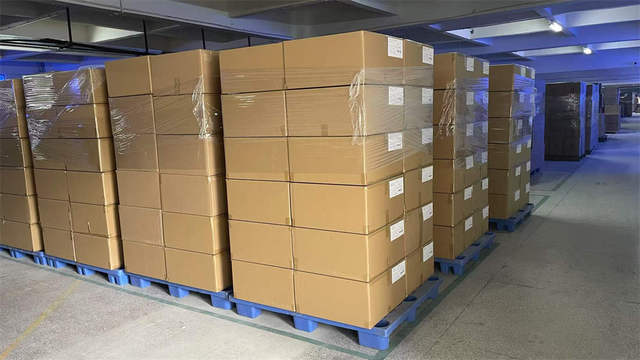
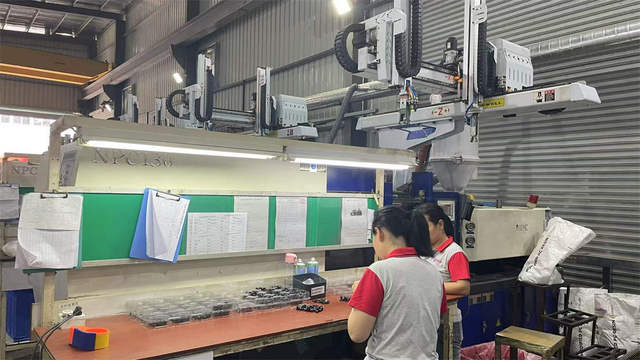
Our infrastructure is built to support the rigorous demands of municipal hospital systems, commercial healthcare chains, and global defense supply chains.
Addressing the logistical, economic, and technical mandates of modern healthcare logistics buyers.
Global procurement committees mandate that all connected medical hardware holds certified FDA 510(k), CE MDR, and ISO 13485 compliance. Ocent Monitor enforces strict, documented QA/QC controls. Every production batch undergoes extensive electromagnetic compatibility (EMC) and functional verification tests, ensuring clean clinical audits and rapid regional clearance.
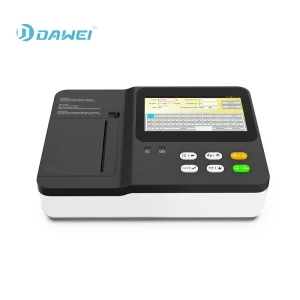
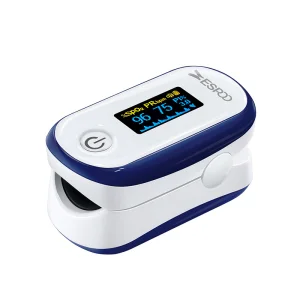
As telemetry software and hospital networks merge, hardware must integrate with existing electronic health record (EHR) platforms. Our smart health devices utilize open APIs, supporting HL7 and FHIR standards. This guarantees effortless synchronization between smart pulse oximeters, ECG platforms, and custom clinical monitoring dashboards.
Disruptions in microcomponent distribution present substantial risks for hospital networks and private medical device brands. By operating a highly consolidated manufacturing pipeline out of Shenzhen, Ocent Monitor secures direct component allocation, reducing production times and ensuring reliable long-term support for replacement components.
Providing reliable hardware and software systems tailored to specific medical, logistics, and infrastructure challenges.
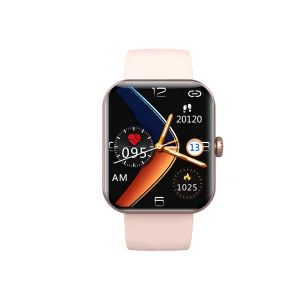
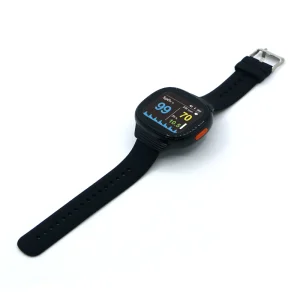
By connecting high-fidelity sensors (such as our clinical finger oximeters and wearable smart monitors) with telehealth frameworks, we support remote clinical tracking. Patient biometric trends are transmitted to central nurse stations in real-time, reducing readmission rates and optimizing ICU resource allocation.
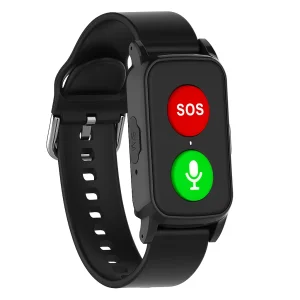
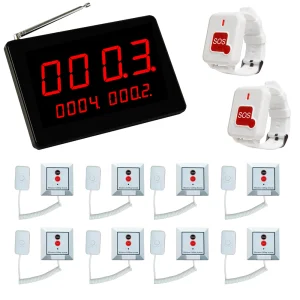
Addressing the challenges of aging demographics, Ocent Monitor delivers tailored hardware solutions including SOS paging systems, wearable fall detectors, and smart assistive technologies. Our systems operate on high-reliability sub-GHz RF and Wi-Fi networks to provide seamless communication throughout care facilities.
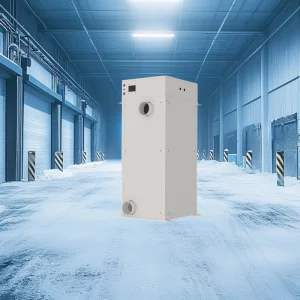
Maintaining temperature integrity is critical in medical supply chains. Our IoT-enabled frost-free storage and environmental monitoring platforms feature cellular backup and real-time alerts. This ensures delicate vaccines, biological agents, and fresh pharmaceuticals remain within tight thermal boundaries during transport and storage.
Our commitment to research shapes the future of medical diagnostics, wearable tracking systems, and patient safety.
Developing advanced firmware capable of separating noise from motion artifacts in wearable SpO2 and ECG sensors. Integrating Bluetooth Low Energy (BLE) 5.3 to reduce power consumption in continuous patient-monitoring smartwatches.
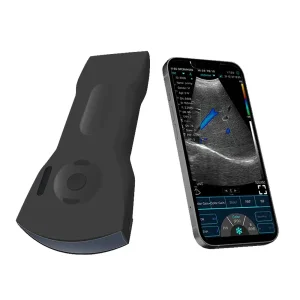
Integrating local machine learning algorithms onto handheld ultrasound and wearable patch devices. Enabling early detection of cardiac arrhythmias and abnormal sleep-apnea patterns directly on the device, reducing data transit loads and improving safety alerts.
Integrating end-to-end chip-level data encryption to protect patient vitals, ensuring compliance with future HIPAA, GDPR, and localized medical data regulations. Supporting automated cellular and satellite telemetry connections for remote environments.
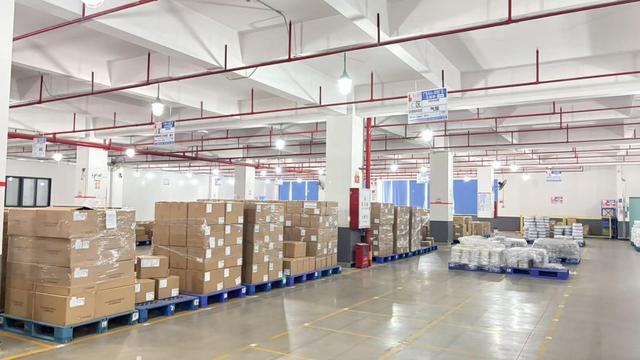
A glimpse inside our ISO-certified production floor, clean rooms, and quality control systems in Shenzhen.
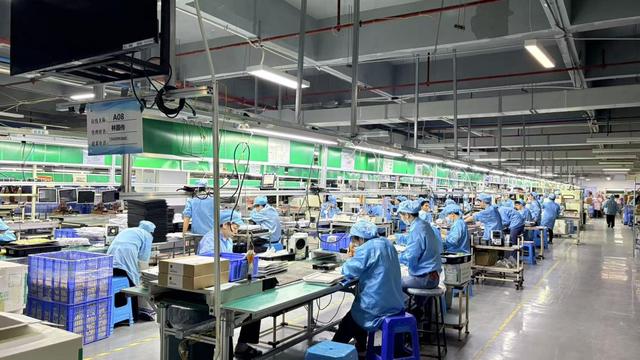
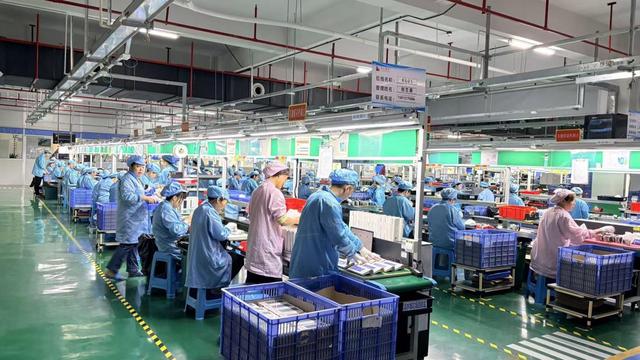

Providing localized deployment support and regulatory security across key markets.
Our vital monitoring systems, oximeters, and wireless senior care networks feature verified FCC Part 15 and FDA clearances. We work closely with US and Canadian technical partners to manage secure cellular data networks, providing HIPAA-compliant cloud storage.
To meet the EU's Medical Device Regulation (MDR 2017/745), we maintain updated technical documentation and risk assessments. Our cloud-connected gateways utilize end-to-end data encryption, aligning with strict GDPR privacy standards.
We supply diverse markets with flexible telemetry hardware, multi-lingual software platforms, and versatile accessories. Our localization program includes multi-band LTE modems, adaptive power grids, and local regulatory registration support.
Clear answers to technical, integration, and logistics questions for B2B healthcare buyers.
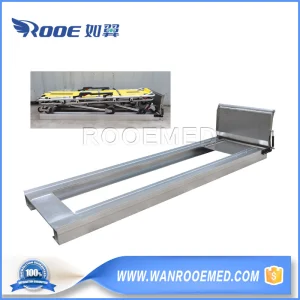
Discover our comprehensive range of specialized medical equipment, diagnostic tools, and modular structures.
 Ocent Monitor