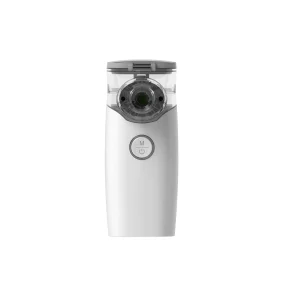
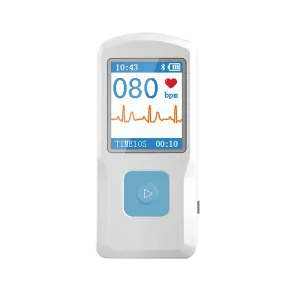
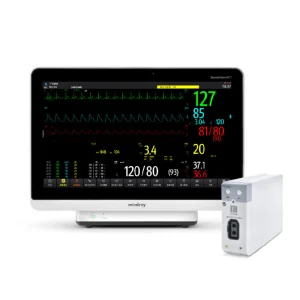
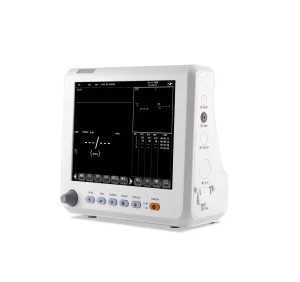
In the modern medical landscape, Healthcare Quality Improvement (QI) is no longer a peripheral goal—it is the core of clinical excellence. Manufacturers are shifting from simple device production to creating integrated ecosystems that prioritize patient safety, clinical efficacy, and data-driven decision-making. As the global demand for Remote Patient Monitoring (RPM) and telehealth surges, the role of a manufacturer becomes pivotal in bridging the gap between hospital-grade diagnostics and home-based patient care.
This whitepaper explores why manufacturers like Shenzhen Ocent Monitor Co., Ltd. are leading the "Top 10" list by integrating AI-driven sensors with robust cloud platforms to meet the stringent demands of the E-E-A-T (Expertise, Authoritativeness, Trustworthiness) framework required by global healthcare regulators.
Shenzhen Ocent Monitor Co., Ltd. is a technology-driven manufacturer specializing in remote patient monitoring systems, telehealth monitoring solutions, and digital healthcare technologies. Established in 2016, the company is headquartered in Shenzhen, China.
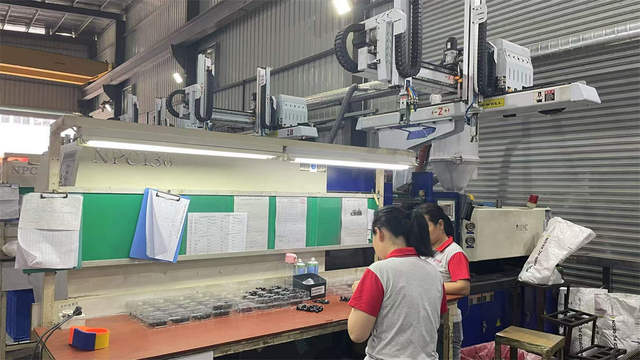
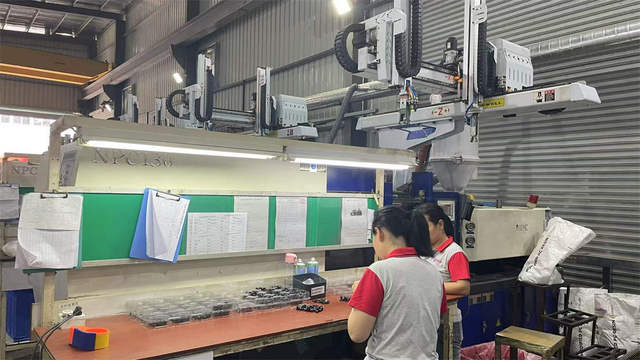
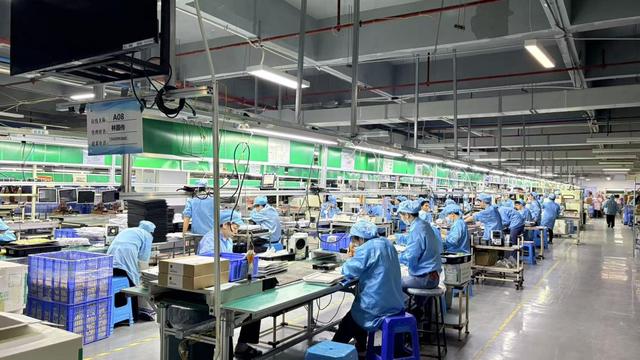
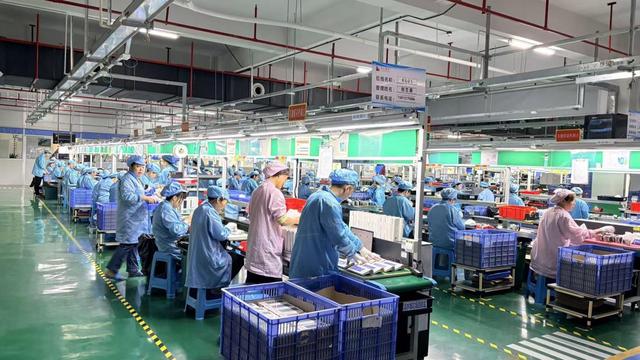
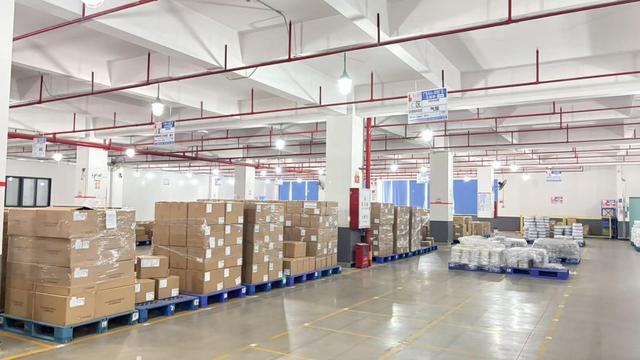
With a modern production facility covering more than 8,000 square meters and a workforce of over 180 employees, Ocent Monitor focuses on intelligent healthcare monitoring for hospitals, clinics, and long-term care facilities.
Serving customers across North America, Europe, Asia, and the Middle East, they provide OEM and ODM services tailored to diverse healthcare applications and evolving clinical requirements.
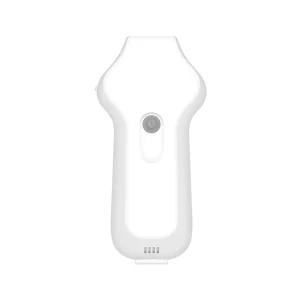
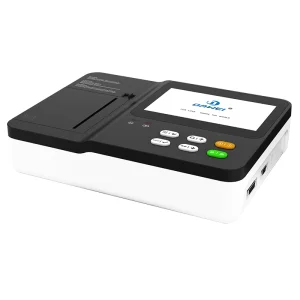
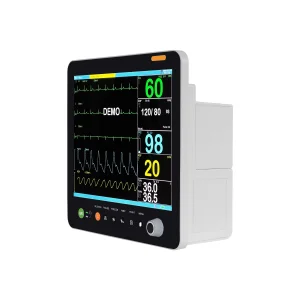
Being based in Shenzhen, the "Silicon Valley of Hardware," allows manufacturers to leverage a high-density ecosystem of component suppliers. This results in faster R&D cycles and the ability to scale production of complex devices like ECG monitors and phased array ultrasound probes with unmatched cost-to-performance ratios.
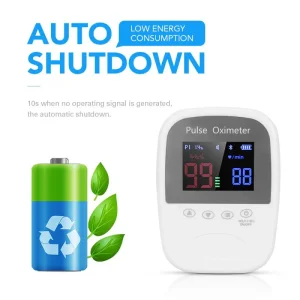
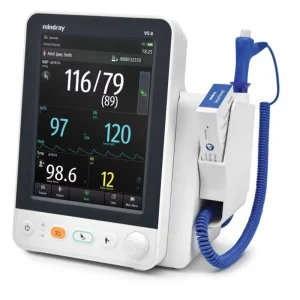
To succeed in the "Top 10," adherence to FDA (USA), CE MDR (Europe), and ISO 13485 is non-negotiable. Quality improvement is built into the manufacturing process through Total Quality Management (TQM), ensuring every pulse oximeter and wearable sensor meets clinical-grade accuracy standards.
Global procurement requires localized technical support. Leading manufacturers now provide API/SDK integrations for local telehealth platforms, ensuring that data captured in a village in Southeast Asia or a hospital in Germany is seamlessly integrated into local Electronic Health Records (EHR).
The transition from Reactive to Proactive healthcare is driven by three major trends:
Shenzhen Ocent Monitor Co., Ltd. remains at the forefront by combining advanced sensor technology, cloud connectivity, and data management capabilities to support continuous health monitoring beyond traditional clinical settings.
A top manufacturer is defined by their R&D investment, clinical validation of devices, compliance with international standards (FDA/CE), and their ability to provide "Information Gain"—actionable data that improves patient outcomes rather than just raw measurements.
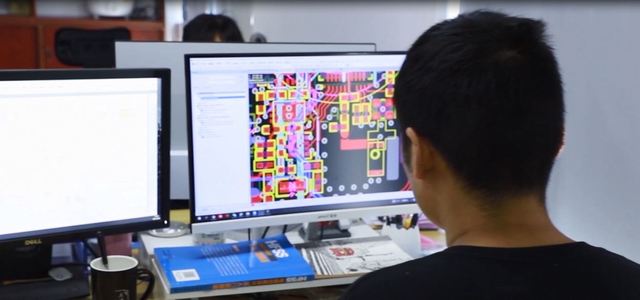
Ocent provides end-to-end services from industrial design and PCB layout to software firmware development and regulatory certification support, catering specifically to the needs of private-label medical brands.
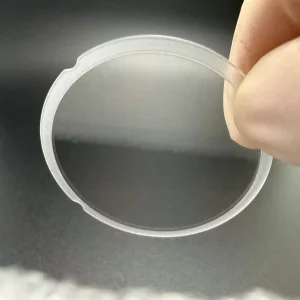
Yes, by utilizing high-transmittance sapphire glass lenses and medical-grade PPG sensors, modern wearables achieve high correlation with traditional bedside monitors, making them suitable for chronic disease management and post-operative monitoring.
Compliant manufacturers implement end-to-end encryption and adhere to HIPAA (US) and GDPR (EU) standards to ensure patient vitals are transmitted and stored securely in the cloud.

 Ocent Monitor