Explore our primary array of ISO 13485-compliant medical sensors, wearable monitors, continuous telemetry systems, and specialized clinical instrumentation.

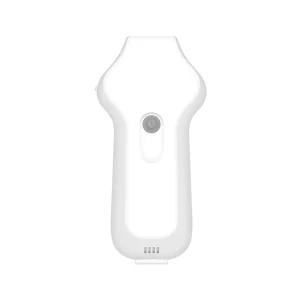
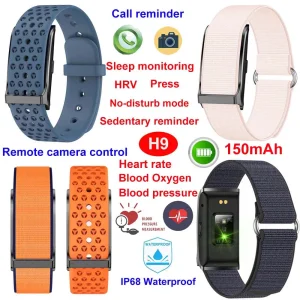
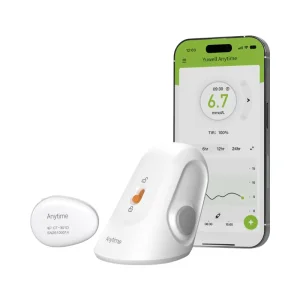
How continuous biometrics, edge computing AI, and connected hardware architecture are redefining global patient monitoring ecosystems.
Modern healthcare providers are accelerating the transition from episodic clinical visits to continuous hospital-at-home monitoring. Embedded micro-sensors capable of tracking multi-parameter physiological signals (12-lead ECG, SpO2, continuous NIBP, core body temperature) now require plug-and-play cellular connectivity (LTE-M/NB-IoT) to stream telemetry directly to cloud EHR systems without complex patient setup.
Traditional OEM wearable devices flooded networks with raw noise. The new paradigm demands on-device machine learning algorithms (Edge AI) that filter motion artifacts in real time, run automated arrhythmia detection (AFib, PVCs), and transmit only high-fidelity, actionable clinical data points, reducing cloud ingress costs while preserving battery lifespan up to 300%.
With strict regulatory mandates like HIPAA in North America and GDPR/MDR in the European Union, healthcare IoT endpoints are top targets for cyber threats. Next-gen OEM hardware integrates dedicated hardware Secure Elements (eSE), cryptographic coprocessors, secure boot firmware verification, and end-to-end payload encryption at the chip level.
Navigating compliance, cross-platform interoperability, and long-term supply chain durability in international medical equipment procurement.
Global medical device distributors and hospital network buyers require turnkey support for regional approvals. OEM manufacturing partners must not only deliver high-yield production but also maintain full traceability under ISO 13485:2016 quality management systems.
Siloed IoT devices present massive software integration bottlenecks. Enterprise buyers demand hardware solutions that communicate seamlessly across legacy hospital databases and modern cloud telehealth platforms.
| Evaluation Parameter | Standard Consumer Wearables | Enterprise Medical OEM IoT (Ocent Standard) |
|---|---|---|
| Sensor Accuracy Grade | Consumer General Wellness (±5-10% variance) | Clinical / Diagnostic Grade (±1-2% vital sign tolerance) |
| Data Telemetry Protocol | Proprietary Bluetooth App Sync | Direct Cellular (eSIM/NB-IoT) to Cloud / HL7 FHIR API |
| Ingress Protection | IP65 - Basic Splash Resistance | IP68 Waterproof / Hospital Sterilization Washdown Capable |
| Security Protocol | Basic App-level Password | Hardware Secure Element (eSE) + Chipset AES-256 Encryption |
| Manufacturing Quality System | ISO 9001 Standard Electronics | ISO 13485 Medical Device Quality Management System |
Why global healthcare brand leaders partner with Shenzhen Ocent Monitor Co., Ltd. for end-to-end turn-key hardware customization.
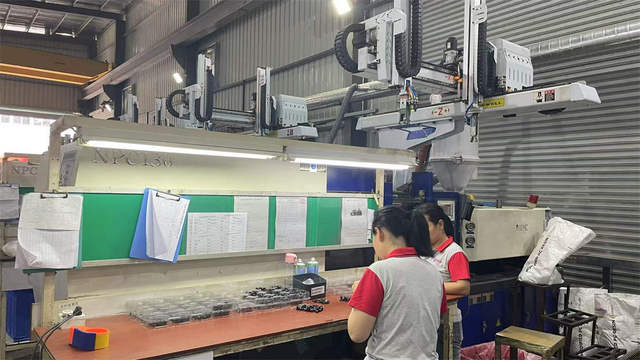
Shenzhen Ocent Monitor Co., Ltd. is a technology-driven manufacturer specializing in remote patient monitoring systems, telehealth monitoring solutions, and digital healthcare technologies. Established in 2016, the company is headquartered in Shenzhen, China—the undisputed global capital of hardware innovation and microelectronics manufacturing.
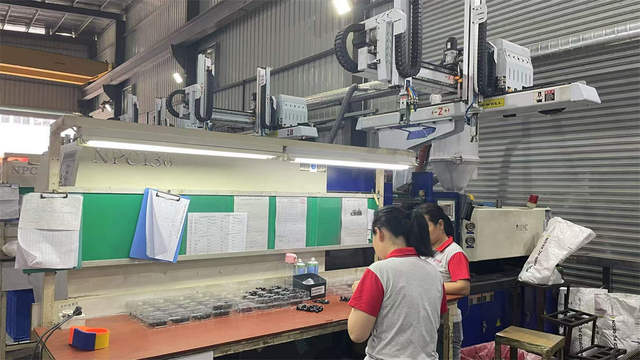
With a modern production facility covering more than 8,000 square meters and an expert workforce of over 180 employees, Ocent Monitor focuses on the design, development, and high-volume manufacturing of intelligent healthcare monitoring solutions for hospitals, clinics, long-term care facilities, and home healthcare providers worldwide.
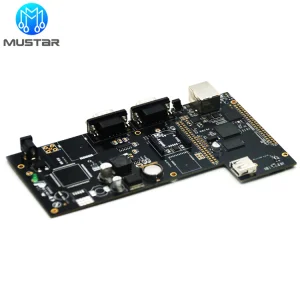
By unifying component sourcing, high-precision SMT assembly, automated optical inspection (AOI), algorithm tuning, and final enclosure molding under a single Industry 4.0 factory umbrella, Ocent provides unmatched cost efficiency, rapid engineering iteration, and supply chain resilience against global market disruptions.






From remote patient monitoring to automated emergency rescue, explore how custom IoT devices power modern clinical care networks.
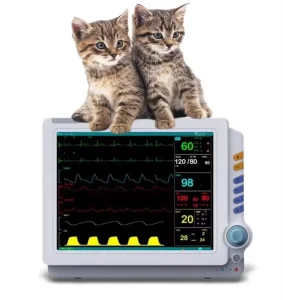
Enables hospital systems to discharge post-operative or cardiac patients safely. Cellular-connected multi-parameter monitors (ECG, SpO2, NIBP, Temperature) continuously transmit vital signs to centralized nursing dashboards, triggering dynamic alerts upon physiological decompensation.
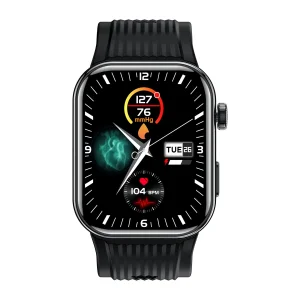
Screenless IP68 waterproof bands and airbag smartwatches provide non-intrusive monitoring for senior living communities. Built-in 6-axis motion sensors deliver instant SOS call out triggers and automated fall alert telemetry directly to caregivers.
Transforming standard rescue vehicles into mobile emergency rooms. Vehicle-integrated telemetry systems stream real-time ultrasound imaging, patient vitals, and video feeds to hospital trauma centers while the vehicle is en route, saving critical minutes during cardiac or stroke emergencies.
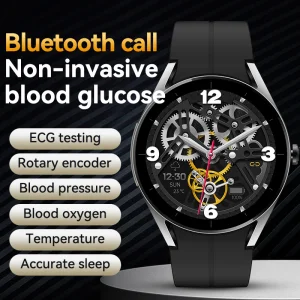
Advanced Wearable Continuous Glucose Monitoring (CGM) patches and non-invasive metabolic smartwatches allow patients to track blood glucose trends without daily finger pricks, storing continuous glycemic profiles in secure cloud platforms.
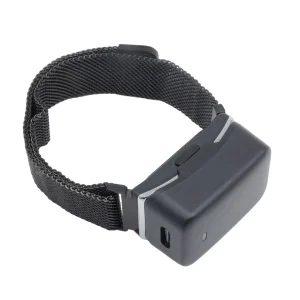
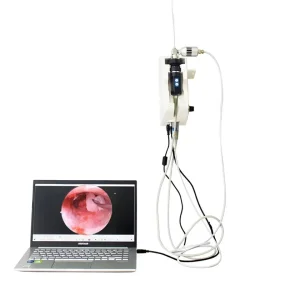
Adapting clinical human vital sign sensors into customized animal monitoring systems. Wall-mounted endoscope platforms and dedicated pet RPM devices enable veterinary clinics to monitor post-surgical surgical recovery in small and large animals.
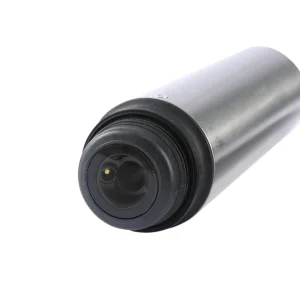
Extending IoT monitoring beyond patient bodies to hospital hygiene and chemical processing. Real-time water quality monitoring solutions ensure stringent fluid purity in pharmaceutical production, dialysis units, and industrial beverage processing.
Detailed technical insights regarding custom manufacturing processes, quality certifications, regulatory pathways, and firmware integration.
Explore additional continuous glucose monitoring devices, non-invasive biomarker wearables, smart home control switches, and specialty medical rescue equipment.

 Ocent Monitor