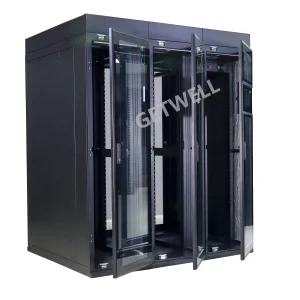
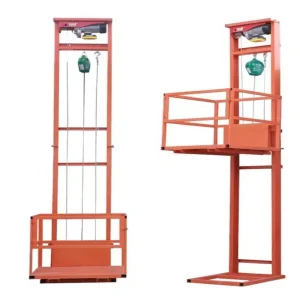
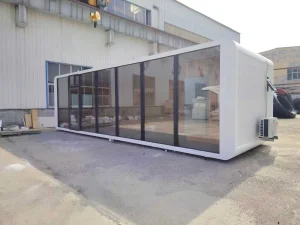
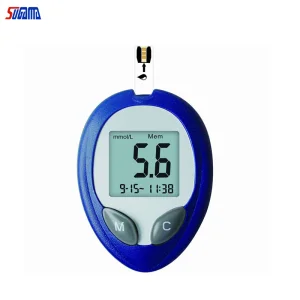
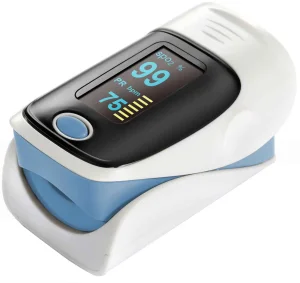
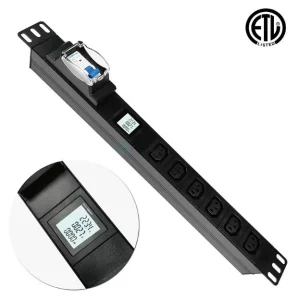
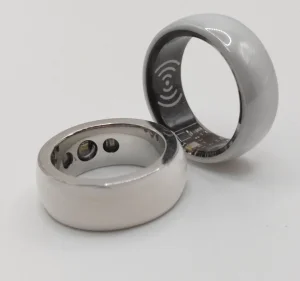
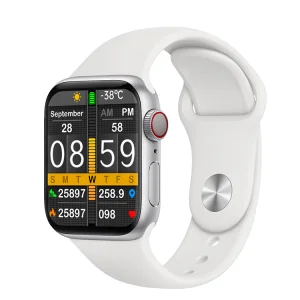
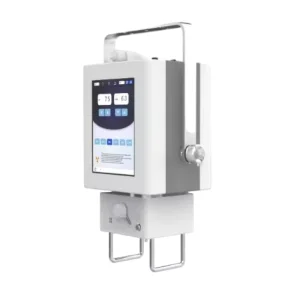
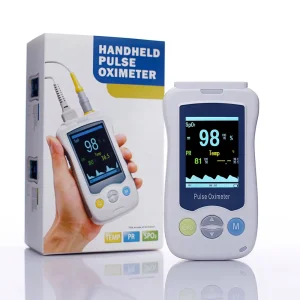
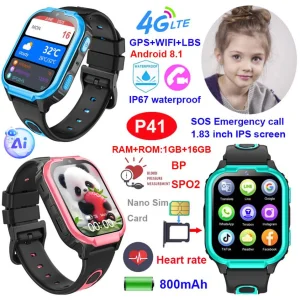
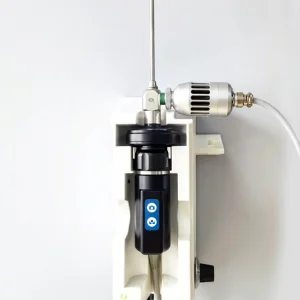
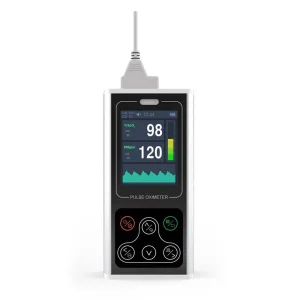
The first group of eight products appears directly below the banner. These cards preserve the original product images, titles and URLs. For seamless care coordination programs, buyers should treat this portfolio as a starting point for capability mapping: connected monitoring, diagnostic devices, power infrastructure, modular environments, wearables and specialized medical equipment must all be evaluated against clinical workflow, cybersecurity, regulatory and lifecycle requirements.
In Google Search Quality Rater terms, a query such as “China best seamless care coordination factories & suppliers” is not only a supplier-discovery query. It combines commercial investigation, technical due diligence, regulatory assurance and supply-chain risk assessment. The word “best” should be treated as a buyer-intent signal, not as a self-awarded badge.
Procurement teams want devices and platforms that reduce handoff friction between hospitals, clinics, long-term care facilities, home healthcare providers and telehealth teams. Seamless care coordination therefore depends on interoperable vital-sign data, role-based dashboards, alert escalation rules and patient engagement workflows.
Healthcare buyers need evidence of quality management, risk controls, cybersecurity practices and traceability. A supplier's ability to provide documentation, change notification, UDI support, complaint handling and post-market surveillance may matter as much as unit price.
China-based factories are evaluated not only for capacity but also for supply-chain resilience, component substitution planning, production traceability, flexible MOQs, OEM/ODM engineering support and export logistics. Factory 4.0 maturity is now part of the competitive argument.
For semantic search visibility, this page should answer related entity questions: remote patient monitoring systems, telehealth monitoring solutions, wireless vital sign monitoring devices, chronic disease management solutions, wearable health monitoring, healthcare IoT integration, OEM/ODM manufacturing, ISO 13485, IEC 60601, GDPR, HIPAA, UDI and local after-sales support. Information gain comes from explaining how these terms connect in real procurement decisions — not from repeating keyword variations without operational meaning.
A credible “China best” supplier claim should be supported by verifiable manufacturing assets, engineering depth, quality systems and supply-chain controls. In connected healthcare, efficiency without reliability is not an advantage; resilience without cost discipline is not sustainable.
Shenzhen, where Shenzhen Ocent Monitor Co., Ltd. is headquartered, sits inside one of the world's most concentrated electronics and innovation ecosystems. That ecosystem supports rapid access to sensors, communication modules, displays, power components, PCB assembly, tooling, packaging and test services. For seamless care coordination factories, this proximity can shorten engineering iterations, accelerate pilot production and reduce time-to-market for remote patient monitoring devices, telehealth platforms and wearable health monitoring technologies.
At Factory 4.0 maturity, the advantage is not simply automation. It is the digital thread connecting engineering bills of materials, supplier qualification, incoming inspection, production parameters, test records, serialization, packaging and after-sales feedback. For healthcare monitoring devices, this thread supports complaint investigation and change control. For global enterprise buyers, it creates a defensible answer to questions about supply-chain resilience, production consistency and regulatory traceability.
Seamless care coordination is a system-level outcome. It requires products and platforms that work across acute care, outpatient care, long-term care, home healthcare, chronic disease management and population health programs.
Continuous monitoring, wireless vital sign capture, central station integration and early-warning workflows help clinical teams prioritize deteriorating patients. Devices must fit infection-control routines, nurse workflows and biomedical engineering requirements.
Portable diagnostic devices, blood glucose meters, pulse oximeters and telehealth kits extend specialist oversight into community settings. Standardized onboarding and data validation reduce adoption risk.
Wearable health monitoring, remote patient monitoring and caregiver alerts support aging-in-place and chronic disease management. Reliable connectivity, battery performance and simple patient interfaces are critical.
Cloud connectivity, device management, role-based access and data integration transform isolated measurements into coordinated care signals. Interoperability and cybersecurity must be designed in from the start.
The next competitive frontier is not a single monitoring device. It is an interoperable, secure and serviceable care-coordination architecture spanning sensors, edge devices, cloud platforms, clinical workflows and post-market intelligence.
Prioritize reliable vital-sign sensing, Bluetooth/Wi-Fi/LTE connectivity, battery efficiency, device identity, secure boot, encrypted transmission and standardized onboarding. OEM/ODM programs should establish reusable hardware and firmware platforms to shorten regulatory and customer-specific iterations.
Expand FHIR/HL7 integration, role-based dashboards, remote configuration, alert escalation, EHR connectivity and multi-site device management. Seamless care coordination suppliers will be judged by integration speed and data quality, not only by device specifications.
Introduce edge analytics, predictive deterioration models, digital-twin simulation for care pathways, automated inventory forecasting and cybersecurity monitoring. Human clinical oversight remains essential; AI should augment, prioritize and explain rather than replace accountable care decisions.
Future-ready factories will need to support software lifecycle management, over-the-air update governance, vulnerability disclosure, post-market surveillance data flows and local documentation packages. For global enterprises, the most valuable supplier is one that can co-design a scalable platform, protect the data layer and provide continuity across product generations.
Compliance is not a certificate on a wall. It is an operating discipline: design controls, risk management, supplier controls, validation, traceability, cybersecurity and post-market response.
Medical device manufacturers should demonstrate a quality management system covering design, development, production, installation and servicing. Buyers should verify scope, certification body, expiry and surveillance audit status.
Electrical medical equipment and monitoring systems require appropriate safety testing, risk controls and documentation. For portable and home-use devices, battery, charging, isolation and environmental robustness deserve specific attention.
Regulatory strategy differs by market. Clarify intended use, classification, technical file ownership, authorized representative arrangements, UDI, labeling and post-market obligations before committing to volume production.
Connected monitoring platforms should define data minimization, encryption, access control, audit logs, breach response and vendor-risk controls. A Security Development Lifecycle and vulnerability handling process strengthen trust.
Language-specific labels, quick-start guides, training materials, spare-parts planning, RMA workflows and regional support channels reduce deployment friction for hospitals and home healthcare providers.
OEM buyers need advance notice of component changes, firmware updates and process changes. Serial-level traceability and controlled document distribution support audits, recalls and continuous improvement.
Global buyers comparing China seamless care coordination factories and suppliers should structure the RFQ around total lifecycle value. Unit price matters, but integration cost, regulatory risk, service response and supply continuity often determine program success.
Define forecast volume, MOQ, sample policy, tooling ownership, warranty, spare parts, payment terms, Incoterms, packaging, labeling and launch timeline. OEM/ODM scope should be explicit: industrial design, firmware, cloud, app, documentation and regulatory support.
Request specifications, validation reports, cybersecurity documentation, interface control documents, interoperability test plans, battery and environmental test data, and a clear change-control process.
Ask for critical-component mapping, second-source strategies, lead-time analysis, business continuity plans, capacity buffers and logistics contingency options. Resilience should be evidenced by data and scenario planning.
Confirm which languages, regulatory dossiers, local representatives, service partners and RMA processes are available for North America, Europe, Asia, the Middle East and other target markets.
For healthcare procurement, trust must be earned through evidence. Experience, expertise, authoritativeness and trustworthiness should be visible in the supplier's people, processes, documentation and references.
Look for real deployments in hospitals, clinics, long-term care or home healthcare, plus evidence of OEM/ODM programs, design iterations and post-market support. Case studies should describe constraints, not only successes.
Evaluate engineering capability across sensors, wireless communication, firmware, cloud, cybersecurity, human factors and regulatory affairs. The right partner can explain trade-offs rather than claim every feature is equally important.
Check certifications, audit history, patents, standards participation, technical documentation and the clarity of quality agreements. Authority is demonstrated through repeatable systems.
Transparent communication about limitations, lead times, change control, data ownership and support coverage is a positive signal. A trustworthy supplier will document commitments and escalate issues early.
The original company information is preserved below and positioned as a trust-building profile for remote patient monitoring, telehealth and connected healthcare manufacturing.
Shenzhen Ocent Monitor Co., Ltd. is a technology-driven manufacturer specializing in remote patient monitoring systems, telehealth monitoring solutions, and digital healthcare technologies. Established in 2016, the company is headquartered in Shenzhen, China, one of the world's leading innovation and electronics manufacturing hubs.
With a modern production facility covering more than 8,000 square meters and a workforce of over 180 employees, Ocent Monitor focuses on the design, development, and manufacturing of intelligent healthcare monitoring solutions for hospitals, clinics, long-term care facilities, and home healthcare providers worldwide.
The company's product portfolio includes remote patient monitoring systems, wireless vital sign monitoring devices, telehealth platforms, chronic disease management solutions, wearable health monitoring technologies, and healthcare IoT integration systems. By combining advanced sensor technology, cloud connectivity, and data management capabilities, Ocent Monitor helps healthcare organizations improve patient engagement, enhance care efficiency, and support continuous health monitoring beyond traditional clinical settings.
Supported by an experienced engineering team and rigorous quality management processes, the company maintains strict production standards throughout product development and manufacturing. Ocent Monitor is committed to continuous innovation in connected healthcare technologies, enabling healthcare professionals to access real-time patient information and make informed clinical decisions.
Serving customers across North America, Europe, Asia, the Middle East, and other international markets, Shenzhen Ocent Monitor Co., Ltd. provides OEM and ODM services tailored to diverse healthcare applications and market requirements. Through ongoing investment in research and development, the company strives to deliver reliable, scalable, and future-oriented remote healthcare solutions that support the evolving needs of modern healthcare systems worldwide.
These answers reflect search-intent mining, procurement due diligence and the practical requirements of connected healthcare deployments.
It means devices, platforms and services are designed to share appropriate patient data across care settings while preserving security, traceability and clinical accountability. A factory supports this by producing reliable connected devices, controlling quality, maintaining documentation and enabling software lifecycle management.
Compare manufacturing capability, regulatory readiness, cybersecurity maturity, interoperability, OEM/ODM engineering depth, service coverage, change control and supply-chain resilience. A weighted scorecard is more useful than comparing a single specification or price point.
Factory 4.0 improves consistency through digital production records, serialization, test data capture and supplier controls. It also strengthens traceability and change management, which are critical for regulated medical devices and long-term care programs.
Start with ISO 13485 scope and certificate, product-specific test reports, risk management documentation, IEC 60601 evidence where applicable, software and cybersecurity documentation, labeling samples, UDI strategy and post-market surveillance procedures.
Yes, but the scope must be defined. Regional labeling, language, packaging, documentation, authorized representative arrangements and regulatory dossiers should be agreed in writing. Buyers should confirm who owns technical files and how changes are notified.
Use phased pilots, interoperability testing, cybersecurity questionnaires, clinical workflow validation and service-level agreements. Ask for installation-and-training support, RMA processes and clear escalation paths before full rollout.
Relevant categories include remote patient monitoring systems, wireless vital sign devices, pulse oximeters, blood glucose meters, wearable health monitors, telehealth platforms, healthcare IoT integration systems, power infrastructure and modular care environments.
Information gain comes from evidence-based differentiation: actual test data, workflow analysis, compliance scope, traceability examples and support commitments. It helps buyers distinguish a marketing claim from a repeatable manufacturing and care-delivery capability.
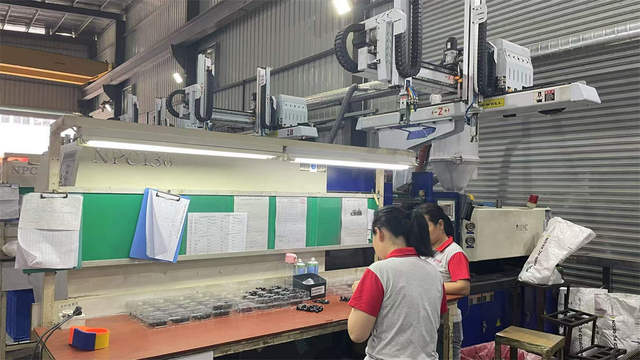
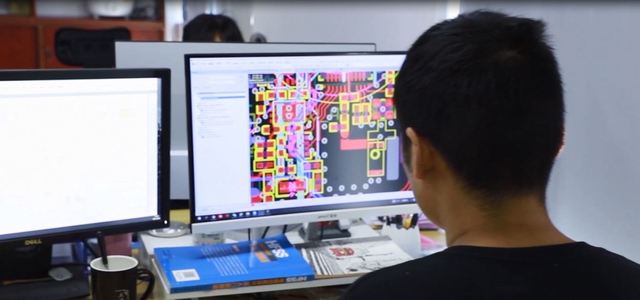
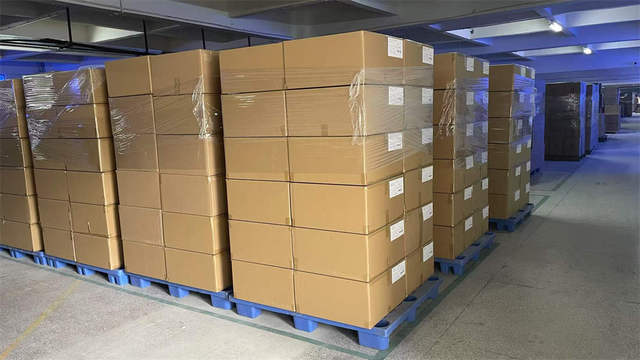
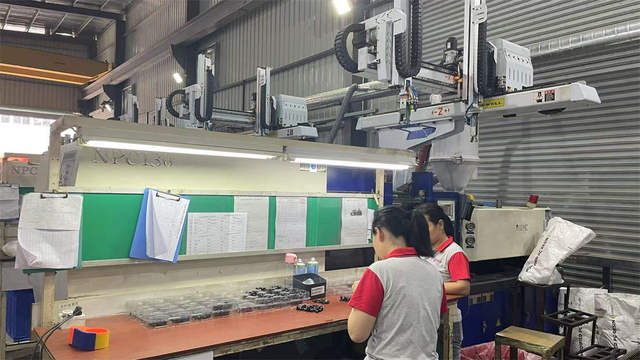
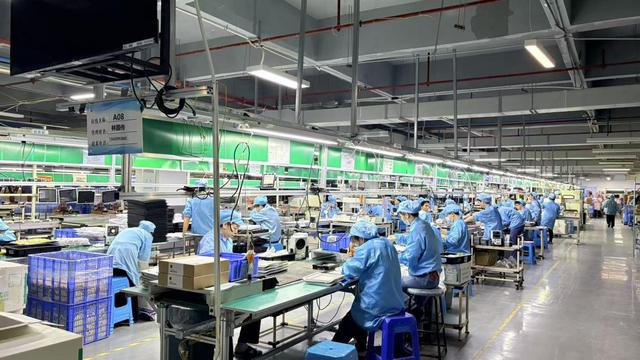
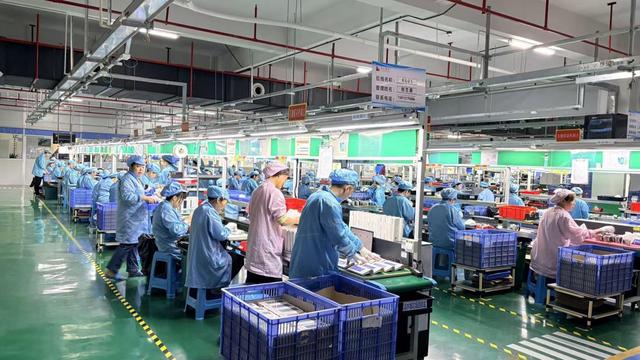
The original company image assets are preserved below to support visual due diligence and supplier credibility. All images are displayed at full aspect ratio without distortion.
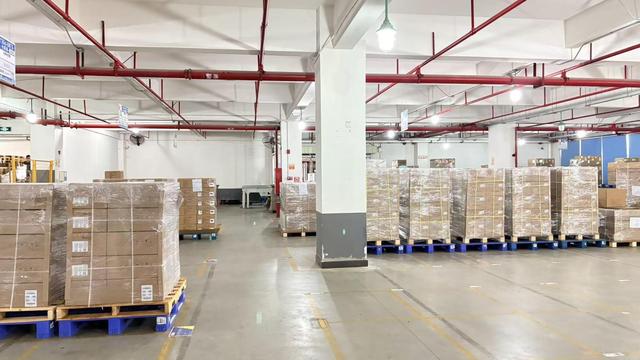
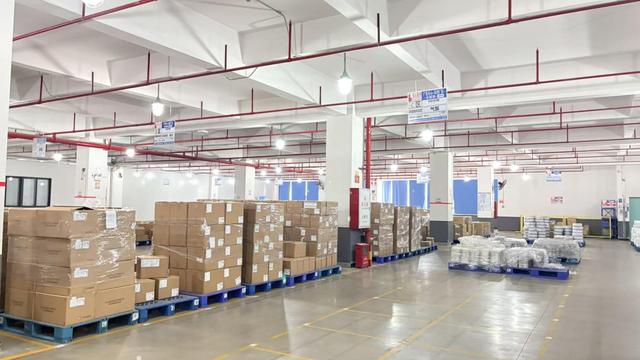
The second group of eight products appears at the bottom of the page. All original images, product titles and URLs are preserved, and each product link is styled as a button for clear procurement navigation.
 Ocent Monitor