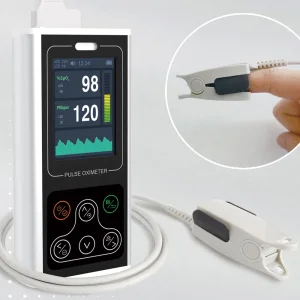
Discover our primary selection of medical grade IoT hardware designed for seamless integration with health management software portals.


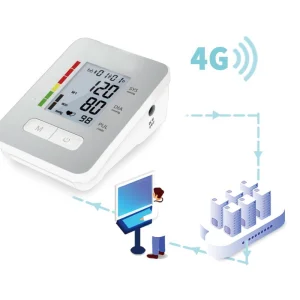

Shenzhen Ocent Monitor Co., Ltd. is a technology-driven manufacturer specializing in remote patient monitoring systems, telehealth monitoring solutions, and digital healthcare technologies. Established in 2016, the company is headquartered in Shenzhen, China, one of the world's leading innovation and electronics manufacturing hubs.
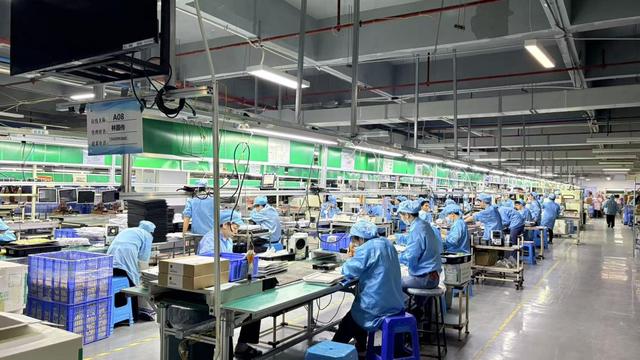
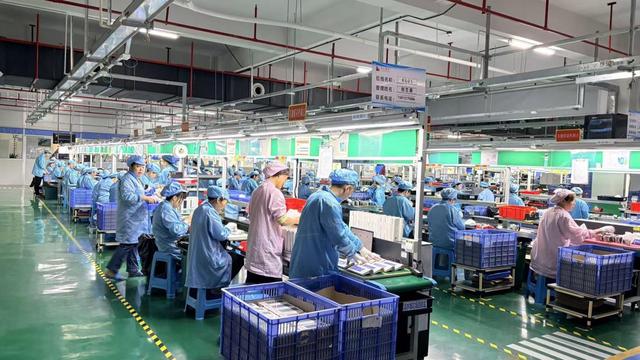
With a modern production facility covering more than 8,000 square meters and a workforce of over 180 employees, Ocent Monitor focuses on the design, development, and manufacturing of intelligent healthcare monitoring solutions for hospitals, clinics, long-term care facilities, and home healthcare providers worldwide.
The company's product portfolio includes remote patient monitoring systems, wireless vital sign monitoring devices, telehealth platforms, chronic disease management solutions, wearable health monitoring technologies, and healthcare IoT integration systems. By combining advanced sensor technology, cloud connectivity, and data management capabilities, Ocent Monitor helps healthcare organizations improve patient engagement, enhance care efficiency, and support continuous health monitoring beyond traditional clinical settings.
Supported by an experienced engineering team and rigorous quality management processes, the company maintains strict production standards throughout product development and manufacturing. Ocent Monitor is committed to continuous innovation in connected healthcare technologies, enabling healthcare professionals to access real-time patient information and make informed clinical decisions.
Providing structured Information Gain on how China's leading telehealth systems unify vital monitors with custom SaaS architectures.
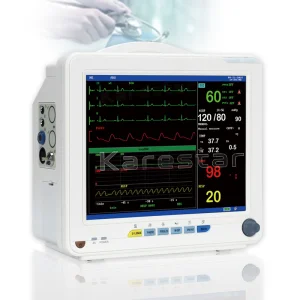
Our health management software interacts directly with medical devices via BLE, Wi-Fi, and 4G/LTE protocols. Edge computing modules filter signal anomalies, reducing transmission overhead while maintaining sensor precision.
Easily bridge data into external hospital Electronic Health Records (EHR) databases. Our customized APIs allow for swift, direct synchronization with systems like Epic, Cerner, and NHS legacy portals.
Protecting patient health information (PHI) is critical. Data transit utilizes AES-256 and HTTPS/TLS protocols, ensuring absolute reliability and meeting FDA 21 CFR Part 11 requirements.
The Shenzhen electronics ecosystem enables rapid iteration of health monitoring devices. From PCB assembly to medical-grade plastic enclosure injection, everything is contained within a 50km radius. This localized infrastructure provides Ocent Monitor with distinct advantages:
Large-scale distributors, nursing home networks, and governmental departments seek more than just hardware; they demand comprehensive system integrations, firmware adjustments, and supply chain transparency.
"Real-time tracking of patient vitals reduces ICU readmission rates by up to 28% while saving significant labor overhead."
— Clinical Operations Director, European Senior Care GroupOvercoming regional regulations to deploy secure medical software architectures on local cloud networks.
For our North American clientele, we implement strict audit trails, authorization parameters, and automatic timeouts to secure Protected Health Information (PHI) in compliance with US federal standards.
To comply with EU data regulations, Ocent Monitor supports local cloud server mapping (AWS/Azure European regions) so health tracking records never cross restricted borders without protocol permission.
Our software suites support dynamic localization. From localized app text configurations to backend physician portals, interfaces can be localized for local healthcare operators.
Understanding where the remote patient care industry is moving, and how our product engineering lines adjust to meet these shifts.
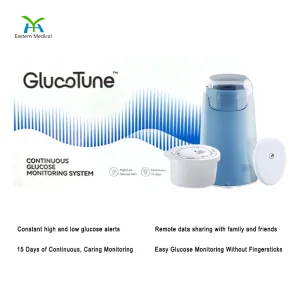
Modern systems do not just collect data; they look for trends. By analyzing patterns in blood glucose fluctuations and blood pressure anomalies, algorithms can warn caregivers of potential hypertensive crises before they happen.
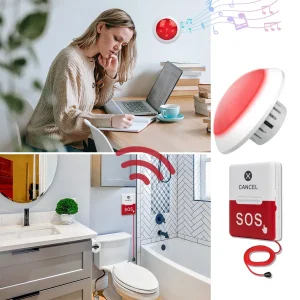
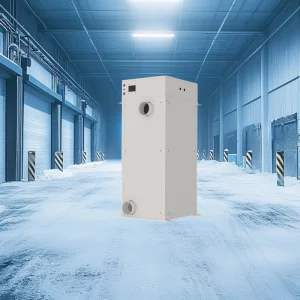
Passive monitoring in elderly care spaces is replacing intrusive wearables. Products like bathroom emergency pull-cords and ambient floor heating solutions integrate seamlessly into home ecosystems without disturbing daily living.
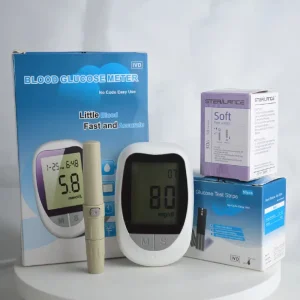
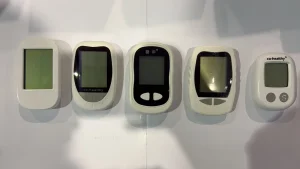
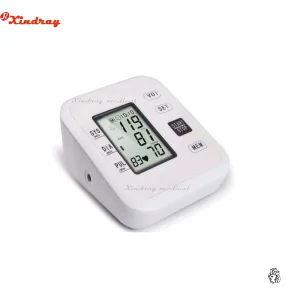
Traditional Bluetooth devices require complex pairing steps that elderly users struggle with. Cellular-enabled (4G/LTE-M) blood pressure cuffs and glucose meters sync immediately upon measurement, preventing user interface friction.
Compatibility with existing clinical workflows is mandatory. Software must translate custom payload values into standardized HL7 v2/v3, CCDA, or FHIR formats to secure long-term hospital procurement contracts.
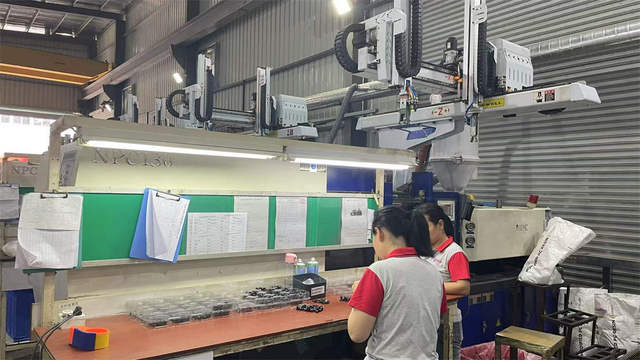
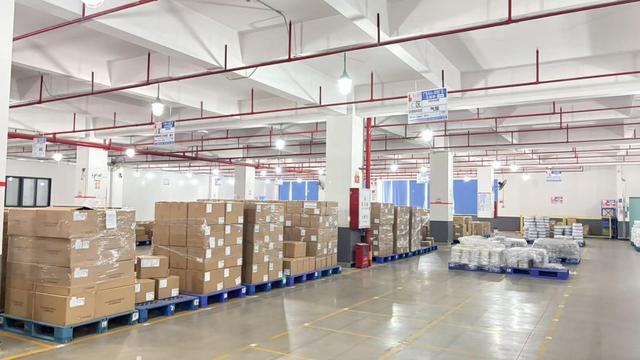
Inside Ocent Monitor: High-precision testing equipment, ISO 13485 manufacturing lines, and engineering centers in Shenzhen.
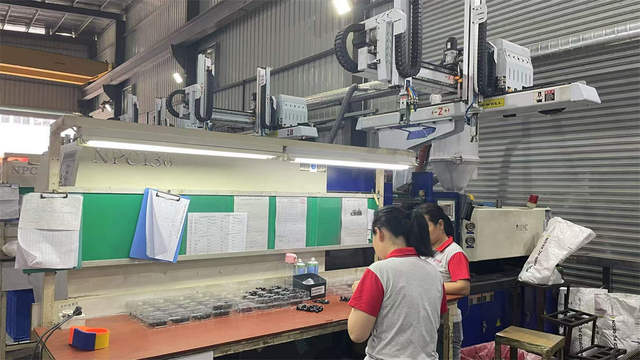

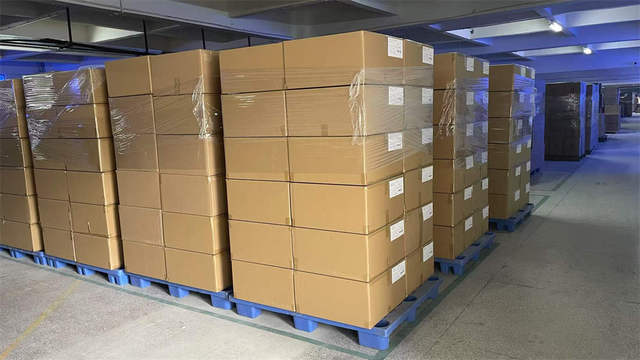

Answers to critical questions regarding hardware integration, OEM/ODM processes, and compliance.
We provide a complete API suite and comprehensive SDK development packages for iOS, Android, and web portal systems. Our devices send data via standard JSON structures, enabling your web design team or digital developers to map blood pressure, ECG, and blood glucose values directly into your existing health management databases. Custom Bluetooth GATT profiles can also be established upon request.
Yes. Our key remote patient monitoring items are manufactured under ISO 13485 quality systems and hold necessary CE (MDR) and FCC certifications. Depending on target regions, our engineering team assists with local registration and provides full hardware documentation, test reports, and component declarations to satisfy regulatory requirements.
For hardware modifications (housing designs, customized silk printing, and packaging), lead times are typically 4 to 6 weeks following design sign-off. For deep ODM integrations involving proprietary firmware development or sensor adjustments, timelines span 8 to 12 weeks. We conduct prototype validation and clinical-grade compliance testing throughout the development cycles.
Yes, our IoT systems can be configured to transmit data directly via Cellular (M2M eSIMs) or home gateways to your secure designated endpoints, without passing through intermediate servers. This setup ensures you maintain control over patient database structures and simplifies local privacy compliance.
Enhancing patient comfort, remote telemetry, and diagnostic security in clinical and domestic settings.

 Ocent Monitor