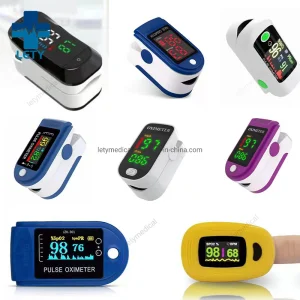
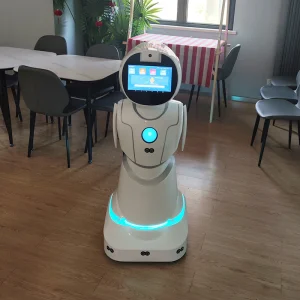
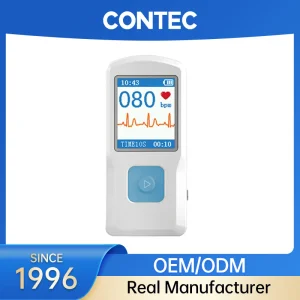
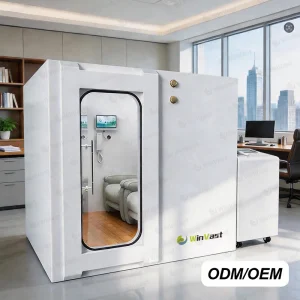
The global healthcare landscape is undergoing a seismic transformation, driven by the convergence of aging demographics, the rising prevalence of chronic diseases, and a critical need for clinical decentralization. Remote Consultation Platforms (RCP) and Remote Patient Monitoring (RPM) systems have transitioned from "luxury additions" to "essential infrastructure" for modern health systems. As medical providers strive to reduce readmission rates and optimize ICU bed turnover, the demand for CE-certified, high-fidelity monitoring solutions has skyrocketed.
According to recent industry data, the global telehealth market is projected to reach over $450 billion by 2030. This growth isn't just about video calls; it’s about the Information Gain derived from real-time physiological data. Today's platforms integrate AI-driven diagnostics, enabling physicians to monitor ECG, SpO2, and blood pressure from thousands of miles away with clinical-grade accuracy. This "Hospital at Home" model is solving the primary bottleneck of 21st-century medicine: the physical limitation of clinical space.
Utilizing low-latency 5G and edge computing to ensure vital signs are transmitted in milliseconds, preventing critical delays in emergency response.
Full compatibility with HL7 and FHIR protocols, allowing our devices to sync seamlessly with existing Hospital Information Systems (HIS).
Rigorous CE and ISO certifications ensure that our platforms meet the highest standards of safety, reliability, and clinical authority.
Shenzhen Ocent Monitor Co., Ltd. is a technology-driven manufacturer specializing in remote patient monitoring systems, telehealth monitoring solutions, and digital healthcare technologies. Established in 2016, the company is headquartered in Shenzhen, China, one of the world's leading innovation and electronics manufacturing hubs.
With a modern production facility covering more than 8,000 square meters and a workforce of over 180 employees, Ocent Monitor focuses on the design, development, and manufacturing of intelligent healthcare monitoring solutions for hospitals, clinics, long-term care facilities, and home healthcare providers worldwide.
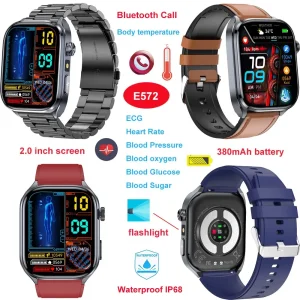
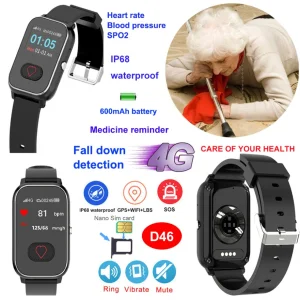
The company's product portfolio includes remote patient monitoring systems, wireless vital sign monitoring devices, telehealth platforms, chronic disease management solutions, wearable health monitoring technologies, and healthcare IoT integration systems. By combining advanced sensor technology, cloud connectivity, and data management capabilities, Ocent Monitor helps healthcare organizations improve patient engagement, enhance care efficiency, and support continuous health monitoring beyond traditional clinical settings.
Supported by an experienced engineering team and rigorous quality management processes, the company maintains strict production standards throughout product development and manufacturing. Ocent Monitor is committed to continuous innovation in connected healthcare technologies, enabling healthcare professionals to access real-time patient information and make informed clinical decisions.
Serving customers across North America, Europe, Asia, the Middle East, and other international markets, Shenzhen Ocent Monitor Co., Ltd. provides OEM and ODM services tailored to diverse healthcare applications and market requirements. Through ongoing investment in research and development, the company strives to deliver reliable, scalable, and future-oriented remote healthcare solutions that support the evolving needs of modern healthcare systems worldwide.
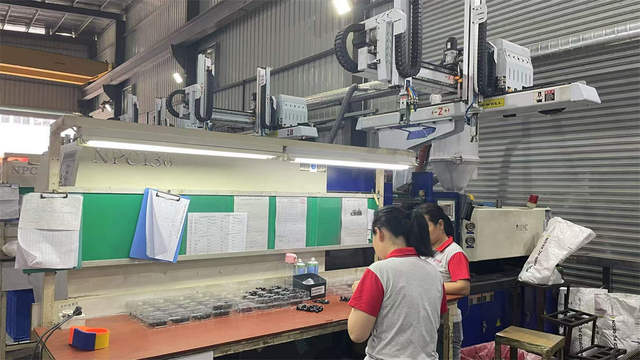
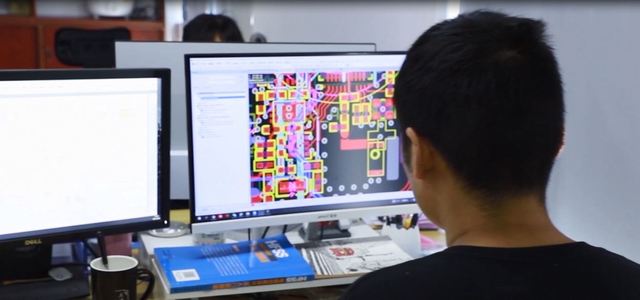
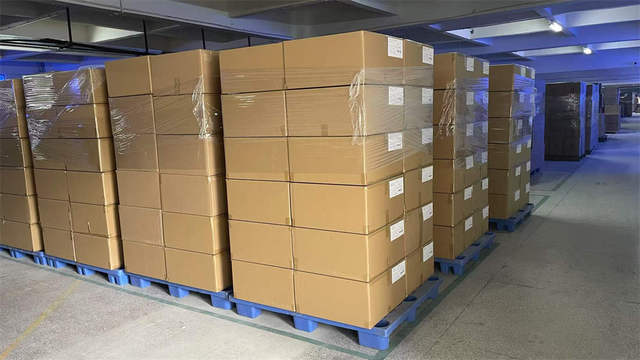
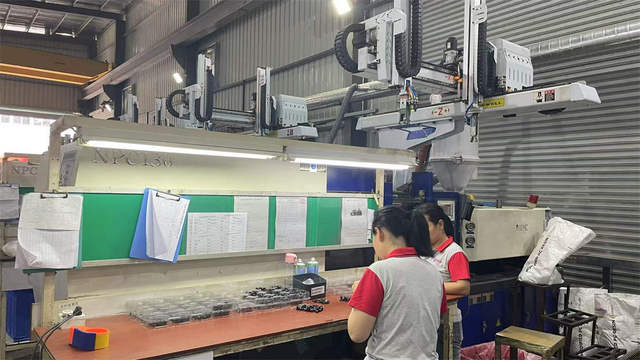

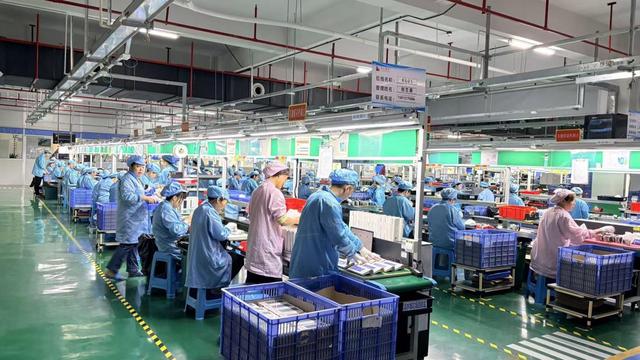

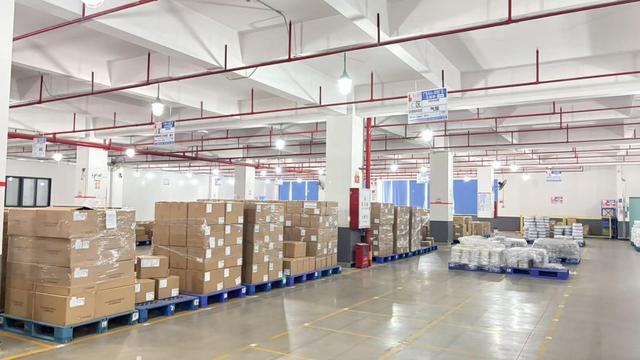
Why do global medical enterprises choose Shenzhen as their primary manufacturing base? The answer lies in the Vertical Supply Chain Integration. In Shenzhen, the distance between a raw material supplier and a high-precision PCB assembly line is often just a few blocks. This proximity allows for rapid iterative prototyping, reducing the time-to-market for complex remote consultation platforms from years to months.
At Ocent Monitor, we leverage this efficiency to provide unrivaled cost-to-performance ratios. Our manufacturing processes are optimized with automated optical inspection (AOI) and AI-driven quality gates, ensuring that every portable ECG or cardiac monitor leaving our facility meets the stringent "Zero-Failure" requirement of the medical industry. This isn't just about lower labor costs; it's about the density of engineering talent and the mature ecosystem of medical-grade component suppliers.
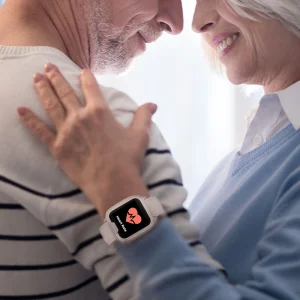
Continuous monitoring of vital signs for elderly residents, reducing the need for intrusive physical checks and enabling early detection of cardiac anomalies via smart wearables.
Bridging the urban-rural healthcare gap by allowing specialists in city hospitals to diagnose patients in remote areas using high-definition ECG and SpO2 data streams.
Shortening hospital stays by providing patients with clinical-grade home monitoring kits, ensuring their recovery parameters are tracked 24/7 by the surgical team.
The next decade of remote consultation will be defined by Biomedical Big Data and Predictive Analytics. We are moving away from reactive monitoring—where a doctor is alerted only when a threshold is breached—towards proactive AI models that can predict a hypertensive crisis or a cardiac event hours before symptoms occur.
Key trends include:
Yes. Data privacy is our top priority. Our remote consultation platforms employ end-to-end AES-256 encryption and follow strict HIPAA and GDPR guidelines for data storage and transmission.
Absolutely. We provide comprehensive OEM/ODM services, including white-label software solutions, custom firmware branding, and physical industrial design modifications.
Standard orders typically ship within 4-6 weeks. For custom ODM projects involving hardware modifications, the timeline varies between 12-16 weeks including clinical validation stages.
Our sensors undergo multi-stage calibration using Fluke medical simulators. Every batch is clinically validated against gold-standard hospital equipment to ensure ±1% accuracy.
Yes, our backend supports API integrations and HL7 standard protocols, allowing seamless data flow into major EMR/EHR systems like Epic, Cerner, and Allscripts.
We provide 24/7 technical assistance, comprehensive SDK documentation for local developers, and on-site training workshops for large-scale deployments.
 Ocent Monitor