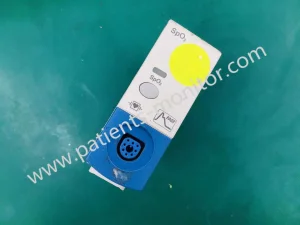
Explore our top-tier CE-certified medical hardware and primary diagnostic systems optimized for hospital workflows and real-time remote patient telemetry.

Shenzhen Ocent Monitor Co., Ltd. is a technology-driven manufacturer specializing in remote patient monitoring systems, telehealth monitoring solutions, and digital healthcare technologies. Established in 2016, the company is headquartered in Shenzhen, China, one of the world's leading innovation and electronics manufacturing hubs.
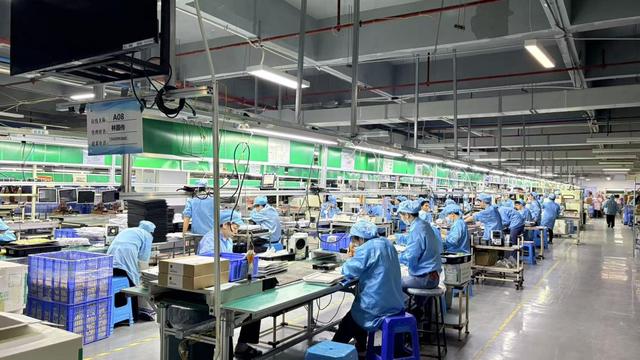
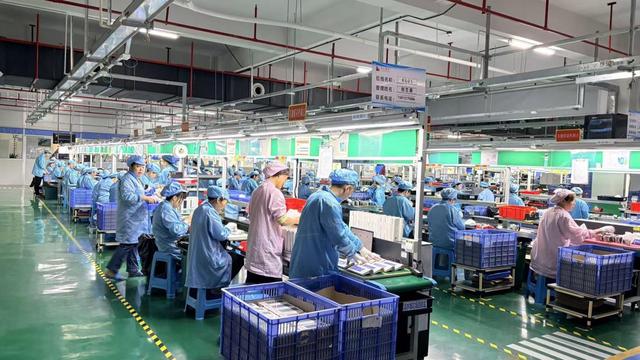
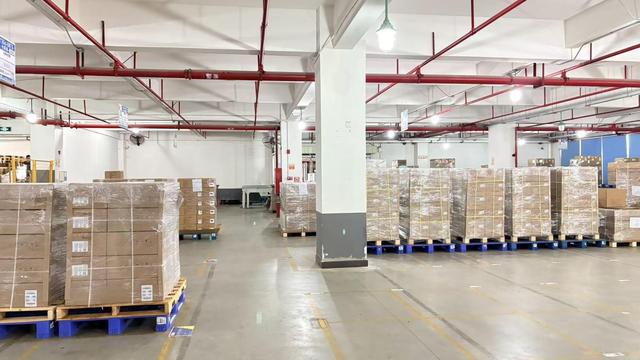
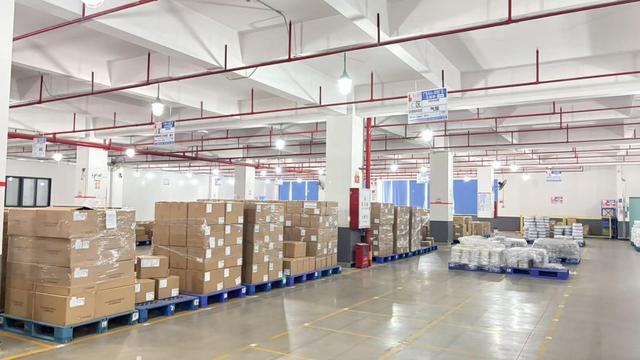
With a modern production facility covering more than 8,000 square meters and a workforce of over 180 skilled professionals, Ocent Monitor focuses on the design, development, and manufacturing of intelligent healthcare monitoring solutions for hospitals, clinics, long-term care facilities, and home healthcare providers worldwide.
The company's product portfolio includes remote patient monitoring systems, wireless vital sign monitoring devices, telehealth platforms, chronic disease management solutions, wearable health monitoring technologies, and healthcare IoT integration systems. By combining advanced sensor technology, cloud connectivity, and data management capabilities, Ocent Monitor helps healthcare organizations improve patient engagement, enhance care efficiency, and support continuous health monitoring beyond traditional clinical settings.
Supported by an experienced engineering team and rigorous quality management processes, the company maintains strict production standards throughout product development and manufacturing. Ocent Monitor is committed to continuous innovation in connected healthcare technologies, enabling healthcare professionals to access real-time patient information and make informed clinical decisions.
Serving customers across North America, Europe, Asia, the Middle East, and other international markets, Shenzhen Ocent Monitor Co., Ltd. provides comprehensive OEM and ODM services tailored to diverse healthcare applications and market requirements. Through ongoing investment in research and development, the company strives to deliver reliable, scalable, and future-oriented remote healthcare solutions that support the evolving needs of modern healthcare systems worldwide.
"Leveraging advanced sensor calibration and medical-grade IoT gateways to bridge the gap between primary clinical data collection and cloud-based algorithmic diagnostic platforms."
The paradigm shift in clinical monitoring: Transitioning from episodic in-hospital diagnostics to continuous, decentralized patient telemetry.
Global clinical practices are rapidly moving away from point-in-time checkups. The demand for continuous, medical-grade SpO2, ECG, and blood pressure logging is surging. Regulatory bodies now require high-frequency telemetry devices that maintain raw waveforms for offline AI analysis.
Global health authorities (e.g., NHS, European health authorities, and private insurers) prioritize medical technologies that lower readmission rates. Interconnected vital sign monitoring architectures directly correlate to shorter hospital stays and optimized intensive care transitions.
With strict requirements like GDPR in Europe and HIPAA in the United States, hardware manufacturers must implement end-to-end encryption protocols directly at the firmware layer (e.g., BLE/LTE-M link encryption) to secure patient health records (PHI).
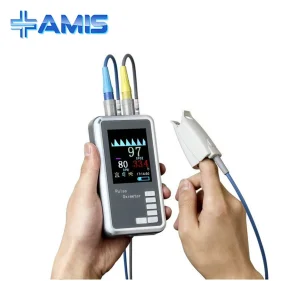
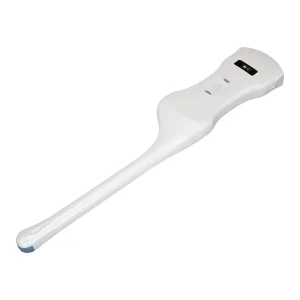
Modern healthcare systems are highly fragmented. At Shenzhen Ocent Monitor, we manufacture specialized telemetry pipelines that establish communication parity between distinct healthcare channels. From localized primary clinical equipment (portable pulse oximeters, handheld cardiac ultrasound probes) to transport solutions (emergency ambulance vehicles), raw medical data is collected and pre-processed before cloud transmission.
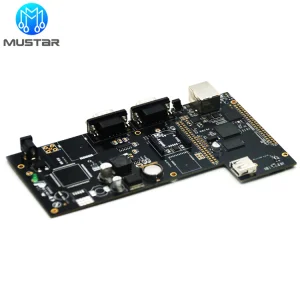
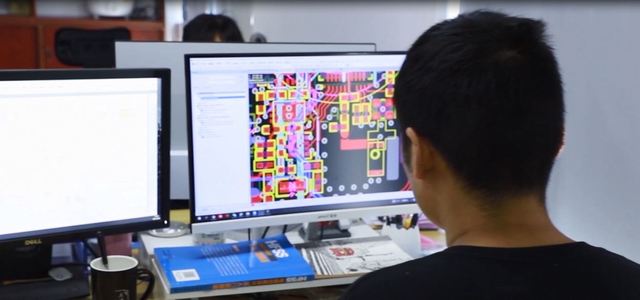
Our OEM/ODM manufacturing capability ensures that hospitals can source certified PCBA architectures directly, embedding EKG or photoplethysmography (PPG) sensors into their proprietary diagnostic instruments. By aligning our mechanical engineering with international interoperability standards, we bridge the hardware-to-software gap seamlessly.
Compatible with HL7, FHIR, and standard DICOM telemetry interfaces.
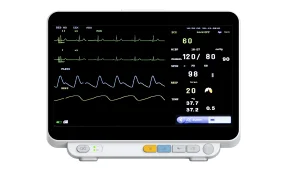
Interchangeable SpO2, NIBP, and Temperature modules for clinical monitors.
Our factory operates under a strict Quality Management System (QMS) compliant with ISO 13485:2016. All medical-grade items, including vital sign monitors and pulse oximeter modules, are designed to pass rigorous European Medical Device Regulation (CE MDR 2017/745) requirements. We ensure high trace-level document packages (Risk Analysis reports, Clinical Evaluation Reports) are ready to support your local registration files.
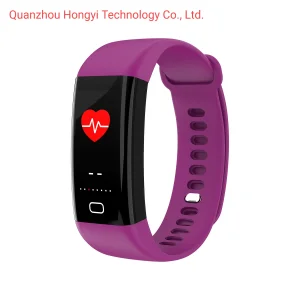
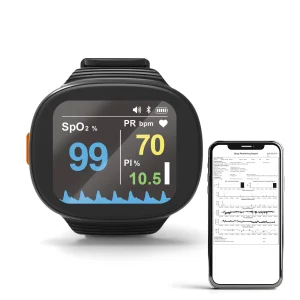
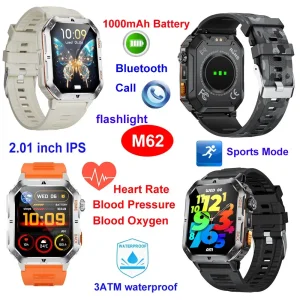
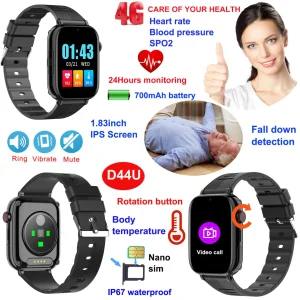
Patient-facing sensors (such as the SpO2 probes and wearable watch straps) utilize medical-grade, non-irritating polymers that have passed ISO 10993 cytotoxicity, sensitization, and intracutaneous reactivity tests.
For commercial projects, camp building integrations, and vehicle fleets (such as I-Veco 4x4 ambulance conversions), we offer on-site technical layout training and remote API alignment support.
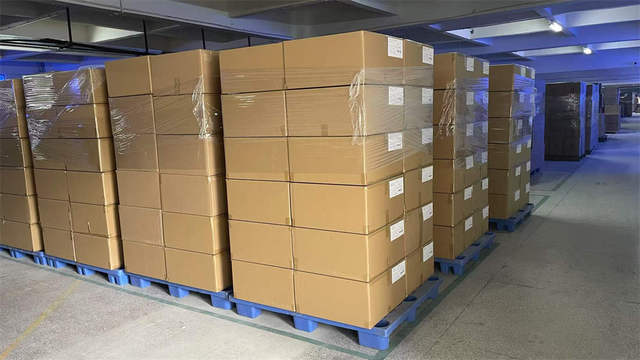
Our direct partnerships with global semiconductor fabricators shield our OEM clients from component obsolescence. Standard modular components are continuously maintained in inventory, securing regular supply lines for major hospital replenishment orders.
Driving the transition towards Edge-AI diagnostics and unified telemetry protocols between 2025 and 2030.
Implementing Bluetooth Low Energy (BLE) Mesh protocols to connect up to 50 wearable health sensors to a single room-gateway, maximizing battery lifecycle for home care.
Integrating compact neural networks inside wearable EKG PCB assemblies to flag cardiac anomalies (AFib, PVCs) directly on the device, minimizing cloud bandwidth costs.
Deploying native clinical APIs that directly sync real-time telemetry datasets into Epic, Cerner, and major global Hospital Information Systems (HIS) without middleware.
Optimizing wearable shell materials for recyclability and introducing sustainable container-based primary care medical units for rural clinics.
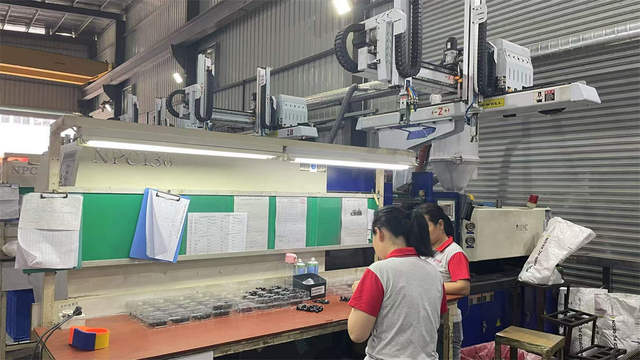
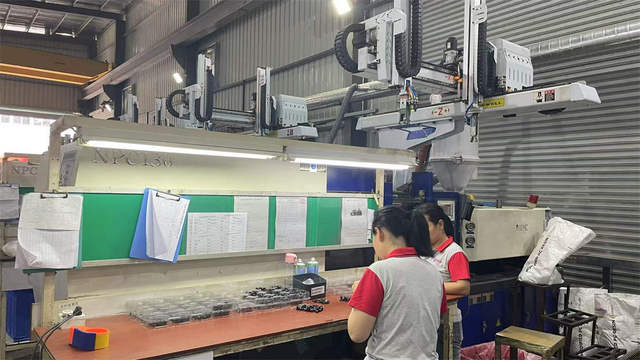
Our ISO 13485 certified facilities in Shenzhen utilize automated assembly systems and precision calibration equipment to deliver clinical reliability.
Technical, clinical, and logistical inquiries regarding our manufacturing practices and OEM telemetry services.
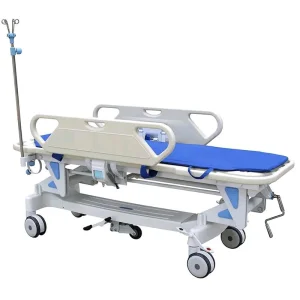
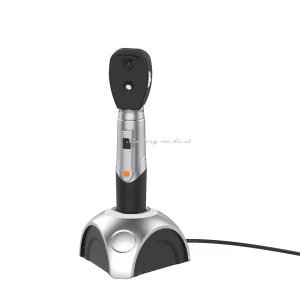
Explore our specialty clinical support units, vital modules, and integrated medical tracking systems for healthcare networks.
 Ocent Monitor