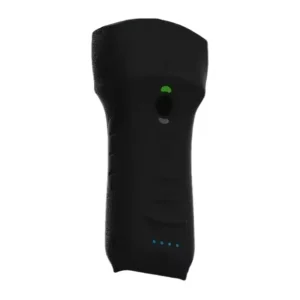
Providing real-time cardiac diagnostic systems designed to extend care capabilities from central clinics in Asunción to the farthest rural communities across the Chaco region.
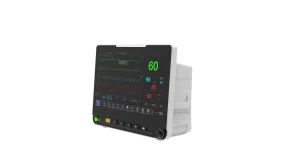
A comprehensive analysis of remote cardiac diagnostics, regulatory pathways, and technological deployment strategies across Paraguay.
Cardiovascular disease (CVD) remains one of the primary drivers of mortality in Paraguay. However, the domestic distribution of cardiologists is highly skewed, with over 80% of specialists concentrated in Asunción, Gran Asunción, and regional hubs like Ciudad del Este and Encarnación. For patients residing in distant territories, such as the departments of Boquerón, Alto Paraguay, or Presidente Hayes, obtaining a timely consultation with an ECG or Holter readout involves extensive travel times, high financial burden, and delays that can prove fatal in acute cardiac episodes.
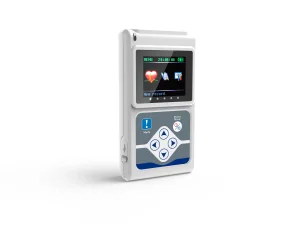
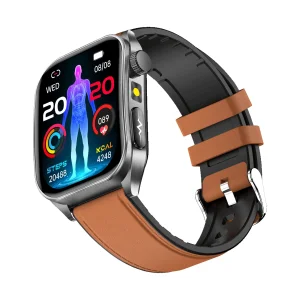
Under the guidance of the Paraguayan Ministry of Public Health and Social Welfare (Ministerio de Salud Pública y Bienestar Social - MSPBS), there is an urgent push to integrate remote patient monitoring (RPM) and telemetry platforms. By deploying wireless Holter monitors and connected vital sign systems at rural Primary Care Units (Unidades de Salud de la Familia - USF), local nurses and general practitioners can record clinical-grade ECG data and transmit it securely to centralized specialists for diagnosis.
A primary hurdle in implementing medical IoT in Paraguay is the uneven cellular infrastructure, particularly in deep Chaco zones. Wireless medical devices must be engineered with dynamic adaptive transmission capabilities. Our diagnostic systems utilize multi-mode wireless technologies:
Established Year
Shenzhen Production Facility
Expert Healthcare Engineers
Certified Medical Standards
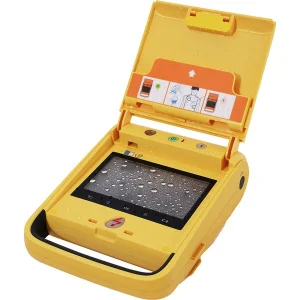
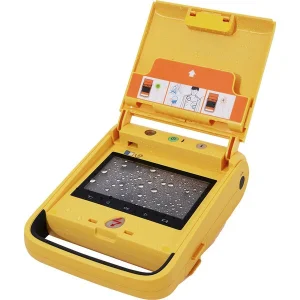
Ensuring immediate cardiac intervention capabilities for paramedic teams and emergency wards throughout Paraguay.

How remote telemetry and artificial intelligence are redefining clinical pathways for Paraguayan healthcare providers.
Our algorithms preprocess ECG signals directly on our cloud diagnostic servers, filtering out muscle artifact noise and tagging suspected episodes of AFib, bradycardia, or ventricular pauses for rapid cardiologist review.
Ensuring that telemetry devices do not exist in digital isolation. Developing open APIs that connect diagnostics directly into the EMR networks of the Instituto de Previsión Social (IPS) for centralized patient records.
Optimizing battery lifecycle using advanced microcontroller sleep cycles. Designed specifically for areas prone to electrical grid instabilities, keeping remote patient monitoring hubs fully operational during power outages.
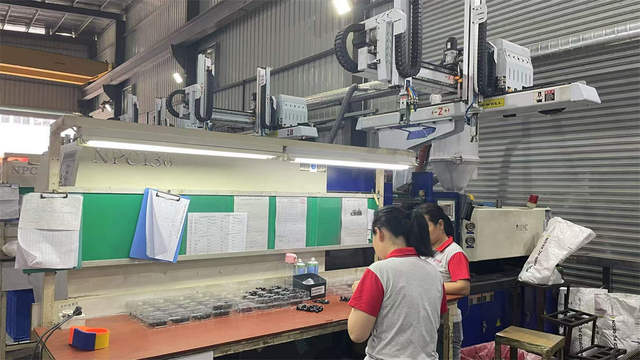
Shenzhen Ocent Monitor Co., Ltd. combines precision design, digital manufacturing, and rigorous international quality standards.
Shenzhen Ocent Monitor Co., Ltd. is a technology-driven manufacturer specializing in remote patient monitoring systems, telehealth monitoring solutions, and digital healthcare technologies. Established in 2016, the company is headquartered in Shenzhen, China, one of the world's leading innovation and electronics manufacturing hubs. With a modern production facility covering more than 8,000 square meters and a workforce of over 180 employees, Ocent Monitor focuses on the design, development, and manufacturing of intelligent healthcare monitoring solutions for hospitals, clinics, long-term care facilities, and home healthcare providers worldwide.
The company's product portfolio includes remote patient monitoring systems, wireless vital sign monitoring devices, telehealth platforms, chronic disease management solutions, wearable health monitoring technologies, and healthcare IoT integration systems. By combining advanced sensor technology, cloud connectivity, and data management capabilities, Ocent Monitor helps healthcare organizations improve patient engagement, enhance care efficiency, and support continuous health monitoring beyond traditional clinical settings. Supported by an experienced engineering team and rigorous quality management processes, the company maintains strict production standards throughout product development and manufacturing. Ocent Monitor is committed to continuous innovation in connected healthcare technologies, enabling healthcare professionals to access real-time patient information and make informed clinical decisions. Serving customers across North America, Europe, Asia, the Middle East, and other international markets, Shenzhen Ocent Monitor Co., Ltd. provides OEM and ODM services tailored to diverse healthcare applications and market requirements. Through ongoing investment in research and development, the company strives to deliver reliable, scalable, and future-oriented remote healthcare solutions that support the evolving needs of modern healthcare systems worldwide.


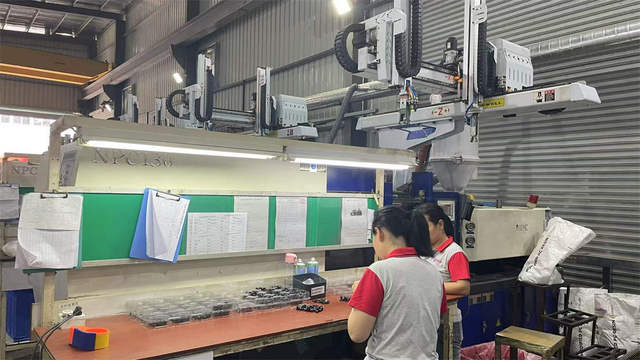




Streamlining DINAVISA clearances and technical compliance to guarantee quick entry and smooth operations in Paraguay.
Navigating the regulatory framework of Paraguay is critical for successful clinical adoption. Medical equipment imported into Paraguay must undergo registration with DINAVISA (Dirección Nacional de Vigilancia Sanitaria), a department under the MSPBS. Depending on device risk profiles, products are classified under Class I, II, III, or IV categories.
To support our distributors and institutional procurement offices in Asunción, we supply complete documentation packages to facilitate quick homologation:
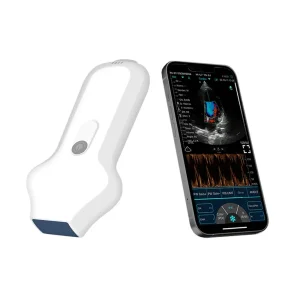
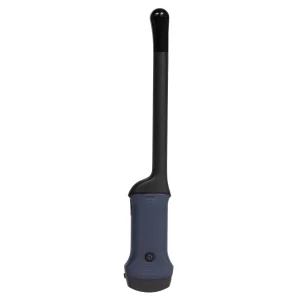
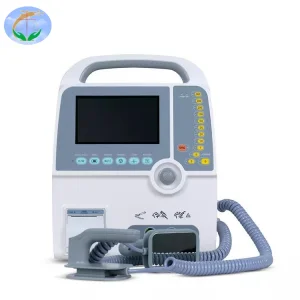
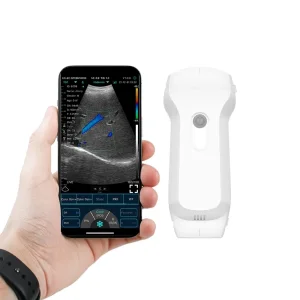
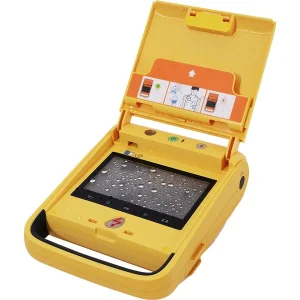
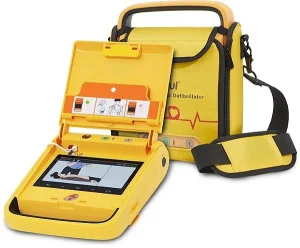
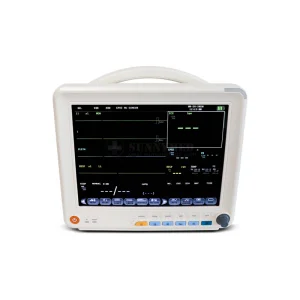
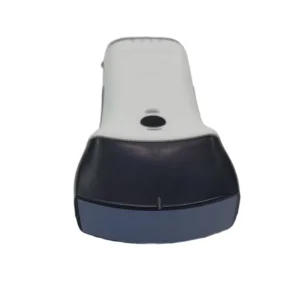
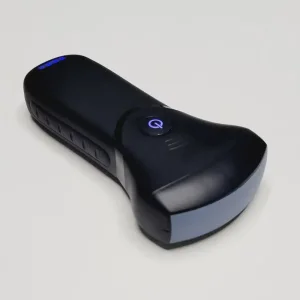
Explore our full range of medical monitors, defibrillators, and multi-depth diagnostic probes optimized for public and private clinics in Paraguay.
Answering vital hardware, network, regulatory, and integration questions for medical equipment importers and hospital managers.
 Ocent Monitor