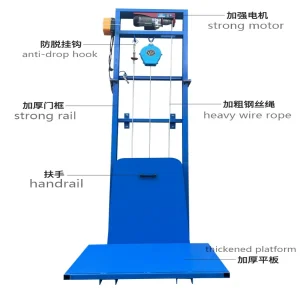
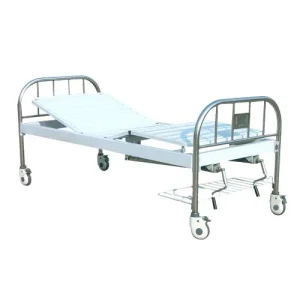
Engineered to match local clinical dynamics, from intensive care to targeted radiotherapy procedures in SP's premier medical centers.
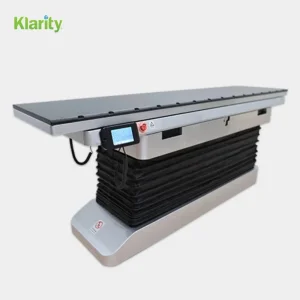
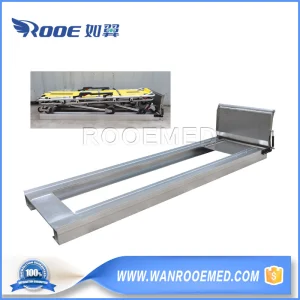
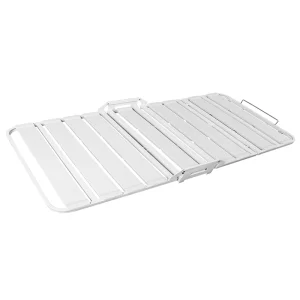
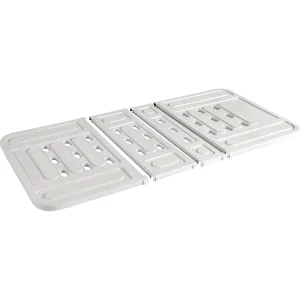
São Paulo is home to the most sophisticated healthcare hub in Latin America. From Avenida Paulista’s medical quarters to massive systems like the Hospital das Clínicas da FMUSP and private networks like Albert Einstein and Sírio-Libanês, the metropolitan area manages an overwhelming volume of patient transactions daily. In this fast-paced market, Patient Engagement Platforms represent more than just digital software portals; they are the combined physical-to-digital infrastructure systems—including smart mobility transfers, ergonomic bed platforms, automated rehabilitation, and wireless telemetry—that facilitate recovery, streamline nursing workflows, and ensure patient comfort.
The state of São Paulo generates roughly a third of Brazil's GDP, with medical services forming a crucial pillar. Distributors and procurement managers across São Paulo are facing growing pressure to upgrade clinical infrastructure. Traditional medical beds and manual transfer mechanisms are being rapidly phased out. In their place, hospitals are integrating smart wheelchair lifts, hydraulic ambulances, and functional rehabilitation platforms to reduce long-term hospital stays and satisfy strict standards set by the Brazilian Health Regulatory Agency (ANVISA).
Healthcare buyers are shifting from single-product transactional procurement to holistic supply chain partnerships. Enterprise buyers need assurance that the manufacturers they deal with can customize equipment (OEM/ODM) to meet local power, size, and material regulations. In São Paulo, buyers look closely at structural resilience due to high hospital turnover rates, choosing components made from medical-grade aluminum alloy, high-strength polypropylene (PP), and advanced hydraulic systems that survive round-the-clock shift cycles.
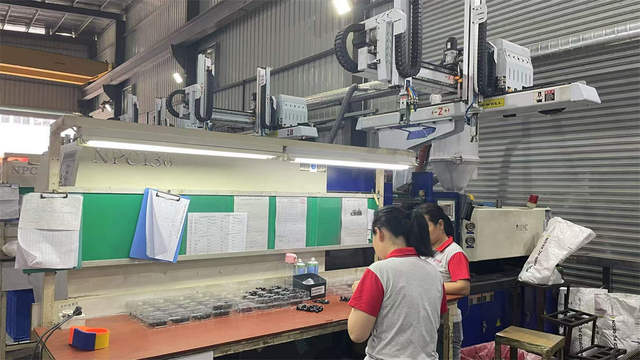
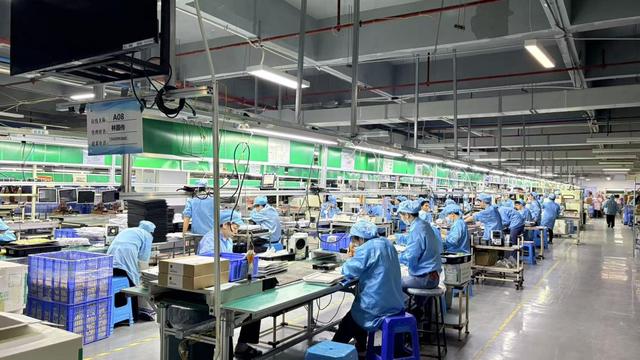
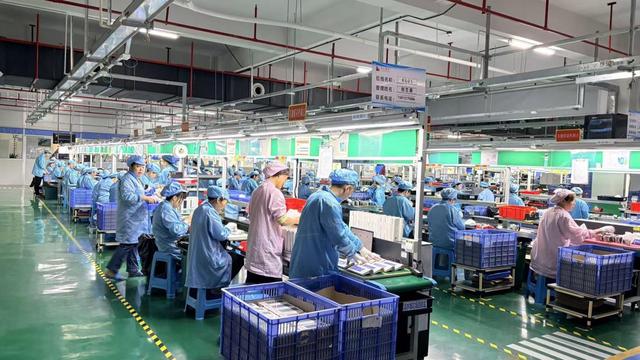
As a leader in medical monitoring and patient handling technology, Shenzhen Ocent Monitor Co., Ltd. leverages a highly automated Shenzhen-based Factory 4.0 ecosystem. By combining high-precision metal fabrication, robotic welding, and automated cleanroom electronic assembly, we maintain a production cycle that guarantees extreme batch consistency.
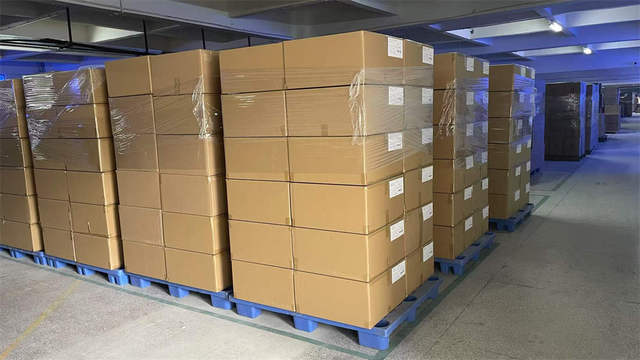
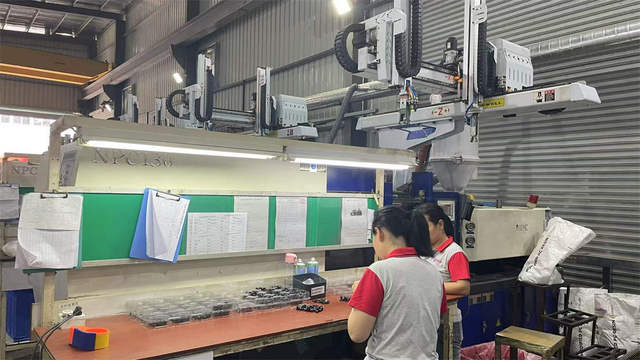
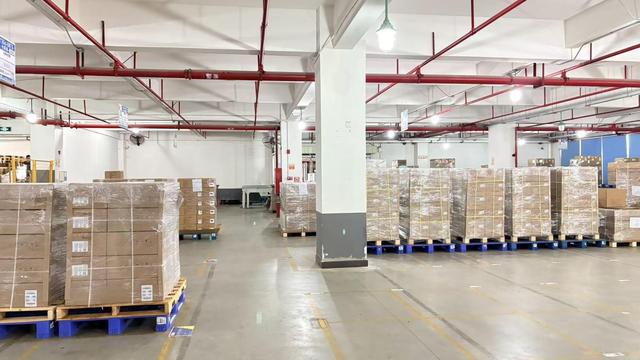
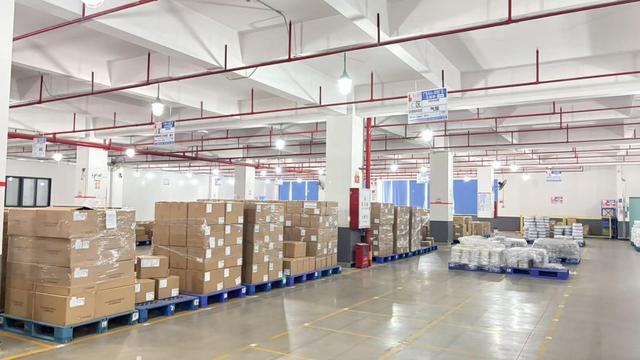
For procurement heads in Brazil dealing with import logistics at the Port of Santos, our advanced logistical partnerships offer predictable delivery timelines. We run a vertically integrated process—from mechanical steel stamping and plastic injection molding to wireless IoT board assembly. This translates to reduced overheads, faster OEM prototyping, and robust warranty programs that local distributors can count on.
Certified Quality Standards for Medical Equipment
Tailored dimensions, colors, and system interfaces
Browse our complete catalog of physical support structures, vehicle transfer lifts, and recovery platforms designed for heavy clinical duty in South America.
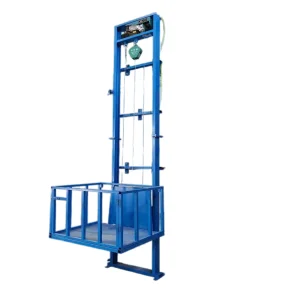
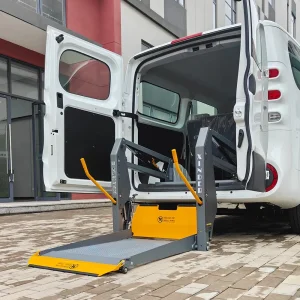
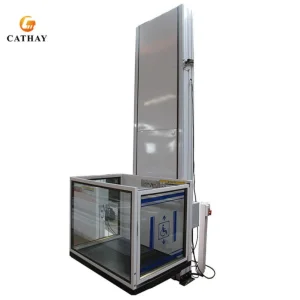
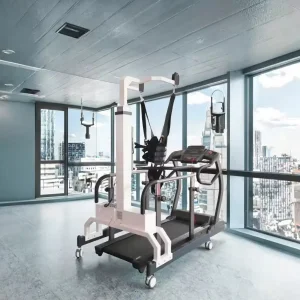
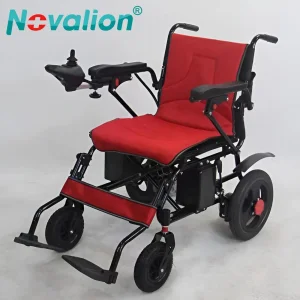
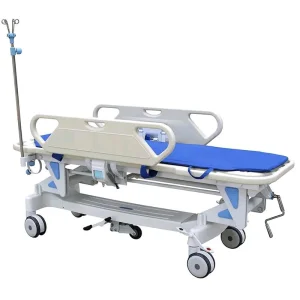
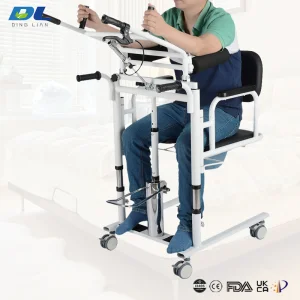
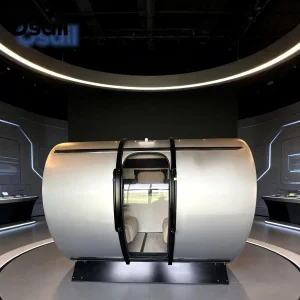
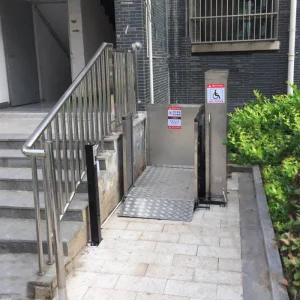
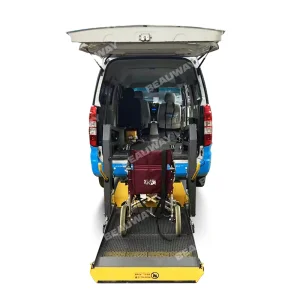
Modern clinical recovery demands a high integration of hardware stability and sensory data collection. The convergence of physical patient beds, stretchers, and mechanical lifts with medical IoT systems has changed patient care paradigms. When clinical managers buy mechanical platforms, they also evaluate how well these platforms adapt to telemetry systems. A solid PP bed deck or an ambulance lift is no longer just metal and plastic; it is the framework that secures the patient during intensive monitoring procedures. Having standard mounting surfaces and functional structural bases guarantees that clinical units can mount sensors, screens, and drip lines directly onto the patient setup.
Exporting to Brazil requires a deep understanding of standard certification paths. The National Health Surveillance Agency (ANVISA) enforces strict directives on chemical biocompatibility (ensuring plastic platforms do not release harmful toxins on skin contact), electrical isolation, and load-bearing safety parameters. Materials must handle commercial-grade sterilization agents, including hydrogen peroxide mist and concentrated alcohol washes, without warping or degrading. At Shenzhen Ocent Monitor, our production processes are designed to meet these safety requirements, simplifying import clearance for our regional partners.
Shenzhen Ocent Monitor Co., Ltd. is a technology-driven manufacturer specializing in remote patient monitoring systems, telehealth monitoring solutions, and digital healthcare technologies. Established in 2016, the company is headquartered in Shenzhen, China, one of the world's leading innovation and electronics manufacturing hubs.
With a modern production facility covering more than 8,000 square meters and a workforce of over 180 employees, Ocent Monitor focuses on the design, development, and manufacturing of intelligent healthcare monitoring solutions for hospitals, clinics, long-term care facilities, and home healthcare providers worldwide.
The company's product portfolio includes remote patient monitoring systems, wireless vital sign monitoring devices, telehealth platforms, chronic disease management solutions, wearable health monitoring technologies, and healthcare IoT integration systems. By combining advanced sensor technology, cloud connectivity, and data management capabilities, Ocent Monitor helps healthcare organizations improve patient engagement, enhance care efficiency, and support continuous health monitoring beyond traditional clinical settings.
Supported by an experienced engineering team and rigorous quality management processes, the company maintains strict production standards throughout product development and manufacturing. Ocent Monitor is committed to continuous innovation in connected healthcare technologies, enabling healthcare professionals to access real-time patient information and make informed clinical decisions.
Serving customers across North America, Europe, Asia, the Middle East, and other international markets, Shenzhen Ocent Monitor Co., Ltd. provides OEM and ODM services tailored to diverse healthcare applications and market requirements. Through ongoing investment in research and development, the company strives to deliver reliable, scalable, and future-oriented remote healthcare solutions that support the evolving needs of modern healthcare systems worldwide.

Crucial information regarding compliance, procurement, and customization of patient platforms for São Paulo importers.
Yes. We build all medical platforms, structural frames, and electronic telemetry systems in compliance with key ISO 13485 guidelines. Our materials undergo rigorous biocompatibility, mechanical durability, and electrical isolation testing, helping São Paulo distributors secure local ANVISA registrations easily.
Typically, custom production runs take between 25 to 40 days, depending on order size. Shipping from China to the Port of Santos takes around 35 to 45 days. We coordinate directly with freight forwarders to ensure all customs and billing declarations are filed correctly, minimizing delays in Brazilian ports.
Yes. Our engineering division in Shenzhen specializes in custom sizing, local labeling, color branding, and mechanical changes. We can alter dimensions, use customized structural metals, or integrate specific sensor mount brackets to match your target local system requirements.
Our telemetry and monitoring software systems use end-to-end encryption protocols (AES-256) and secure API endpoints. We ensure all data collection complies with the Brazilian General Data Protection Law (LGPD), securing patient information during transfer and storage.
Our stretchers, bed frames, and vehicle lifts use heavy-duty aluminum alloys and reinforced polypropylene (PP). These materials offer high load capacities and are resistant to corrosion from industrial sanitizers, maintaining structural integrity over years of use.
 Ocent Monitor