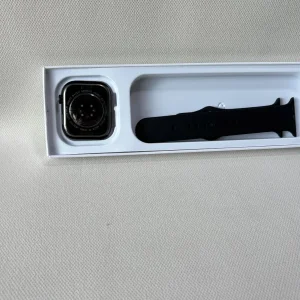
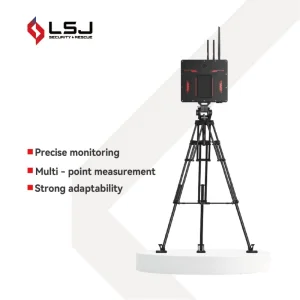
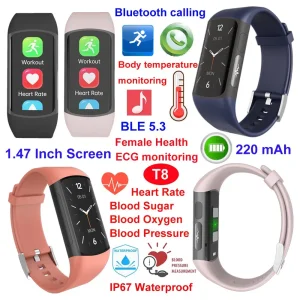
Mobile Health Monitoring Manufacturer & Exporter for Latvia

Empowering Baltic Telehealth Ecosystems with Medical-Grade Wearables, IoT Infrastructures, and Intelligent Remote Patient Care Systems

Featured Mobile Health Solutions

Latvian Digital Healthcare & Telehealth Landscape

Latvia, located in the Baltic region of Northern Europe, is rapidly digitalizing its national healthcare infrastructure. Backed by the national e-health initiative (E-veselība) managed by the National Health Service (Nacionālais veselības dienests - NVD), Latvian healthcare providers are shifting focus towards preventative care, outpatient management, and home hospital solutions. The country's demographic profile displays a growing elderly population coupled with a high prevalence of chronic cardiovascular diseases, creating an urgent demand for reliable Mobile Health Monitoring Systems.

Regional municipalities in areas such as Kurzeme, Zemgale, Vidzeme, and Latgale encounter logistical hurdles when delivering persistent clinical care to remote rural areas. By integrating smart wearables and continuous biosensors, Latvian medical centers can relieve hospital ward congestion and transition patients to home care with comprehensive physiological transparency.

Information Gain Insight: The Baltic digital health market demands device interoperability. Successful mHealth hardware must natively support HL7/FHIR protocols to bridge data pipelines with regional EHR hubs and ensure compliance with strict European Health Data Space (EHDS) frameworks.

Key Industry Performance Indicators

8,000+
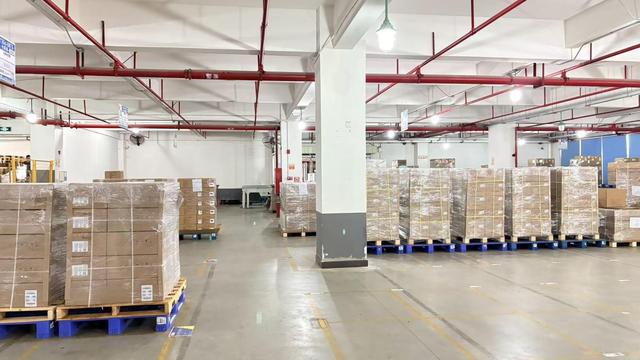
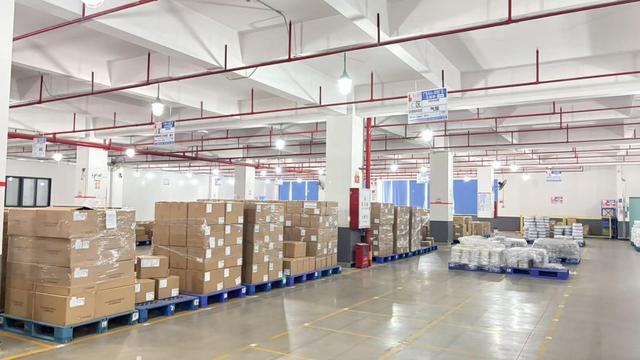
Sqm Modern Production Facility
180+
Skilled Professional Employees
CE & MDR
European Compliance Standards
2016
Established in Tech-Hub Shenzhen

Localized Application Scenarios in Latvia

The applications for mobile patient telemetry in Latvia span clinical, home-care, and municipal nursing home contexts:

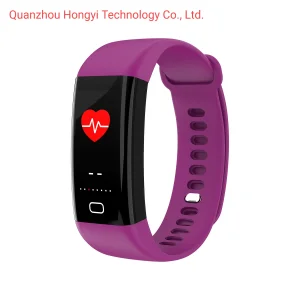
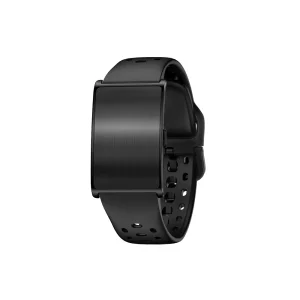
  • Post-Acute Cardiovascular Care in Riga Hospitals: High-risk cardiac patients discharged from Pauls Stradiņš Clinical University Hospital can be tracked continuously using wearable photoplethysmography (PPG) and ECG-enabled wristbands, transmitting real-time heart rate variability (HRV) and SpO2 profiles directly to telemetry dashboards.
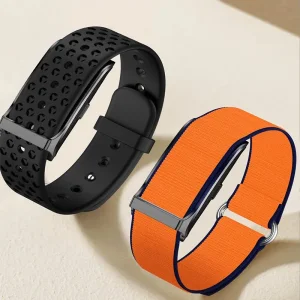
  • Rural Senior Home Safety in Latgale: Municipal home-nursing agencies deploy screenless GPS tracking wristbands and fall-detection radar sensors in senior residences, creating automatic alert bubbles if anomalies are detected.
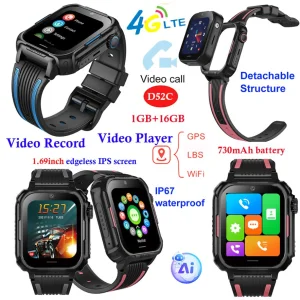
  • Sub-Zero Outdoor Activity Tracking: Device robustness is key in the cold Baltic climate. The IP67/IP68 waterproof and dustproof structural designs ensure reliable tracking and diagnostic recording for outpatient rehabilitation programs even during snowy winter months in Sigulda or Cēsis.

OEM & ODM Supply Chain Resilience: The Shenzhen Advantage

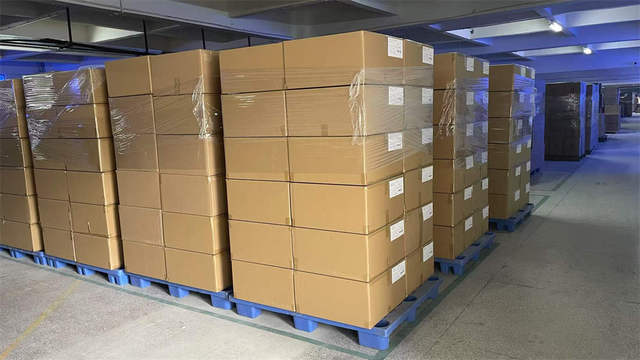
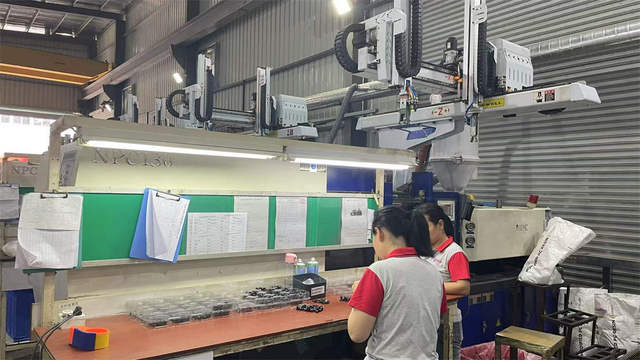
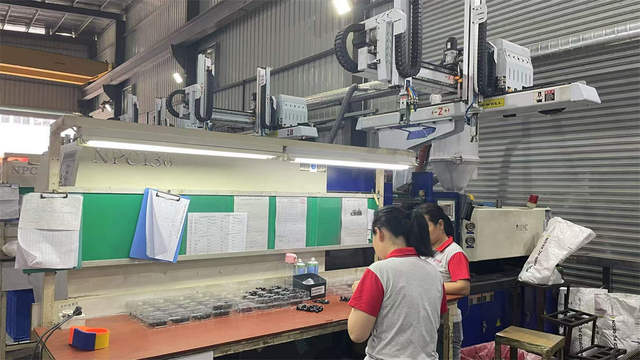
Headquartered in Shenzhen, China, the global capital of electronics fabrication and component innovation, Shenzhen Ocent Monitor Co., Ltd. leverages a highly concentrated supply chain. Our raw material sourcing, rapid prototyping, precision SMT (Surface Mount Technology), and automated assembly lines operate within a close geographic radius.

This structural proximity permits agile design cycles (reducing schematic-to-sample lead times to under 30 days) and dynamic volume scaling. Our factory is equipped with advanced testing systems, ensuring that every wearable sensor, radar monitor, or IoT power unit matches rigorous clinical telemetry calibrations. Ocent Monitor maintains full component traceability from silicon wafers to final casing assembly.

Data Protection, GDPR & CE Compliance for Latvia

Data privacy is paramount under European Union regulations. Any mobile monitoring device deployed in Latvia must align with the General Data Protection Regulation (GDPR). Our platforms feature end-to-end data encryption using AES-256 for resting data and TLS 1.3 for transmitting data. We ensure that our SDKs and firmware components allow Latvian healthcare providers to control data routing, keeping Personal Health Information (PHI) within EU-hosted local servers (such as local cloud hubs in Riga or regional European database centers).

Furthermore, our vital sign monitoring devices are CE and MDR certified, confirming compliance with strict European medical device safety and diagnostic accuracy mandates.

Technology Roadmap and Future Outlook

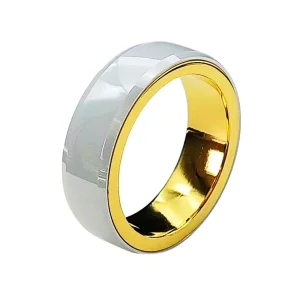
As mHealth shifts towards proactive diagnostics, Ocent Monitor's technology roadmap integrates AI-on-chip technology directly within smart rings and wearable bands. This enables local edge-computing detection of cardiac anomalies like atrial fibrillation without constant reliance on cloud backend servers, conserving battery life and reducing transmission latency. In parallel, our non-wearable radar systems are incorporating vital signal extraction from skeletal micro-motions, allowing precise respiration and heartbeat tracking without physical contact.

Frequently Asked Questions (FAQ)

Can your wearables integrate directly with Latvia's E-veselība (E-Health) system?
Yes. Our telehealth platforms and wearable devices are engineered to output data via standardized APIs using HL7/FHIR protocols. This allows Latvian health network developers to construct interfaces that feed monitored data streams directly into electronic health records in accordance with National Health Service guidelines.
What SDK options do you provide for customized local app development in Latvia?
We provide comprehensive, well-documented SDKs for both iOS and Android platforms. These SDKs allow local software developers to access raw sensor data (such as raw PPG waves, acceleration vectors, and heart rate points) from our screenless bands and smart rings, facilitating custom application development tailored to Latvian clinical or senior-care projects.
How do you guarantee GDPR compliance for patient data collected via your devices?
Our hardware does not store identifiable personal data. The telemetry pipeline utilizes randomized device identifiers. During transmission, data is encrypted via TLS 1.3, and when integrating with cloud applications, we utilize client-specified servers situated within the European Union territory to ensure no medical data leaves the European jurisdiction.
Do you support OEM and ODM custom branding for Baltic health insurance or hospital brands?
Yes, Ocent Monitor is a specialized OEM/ODM manufacturer. We offer deep customization options, including private logo printing, customized packaging, customized housing colors, custom firmware boots, and white-label applications designed to match the branding of Latvian hospitals, clinics, or private health insurers.
What is the typical shipping lead time from Shenzhen to Riga, Latvia?
For standard OEM batch orders, manufacturing takes 25 to 35 days. Shipping to Riga via express air freight takes 5 to 7 business days, while rail or sea freight channels via European ports typically take 30 to 40 days, depending on container consolidation options.

All Telehealth & Infrastructure Products