Leading-edge clinical monitoring equipment and smart wearables integrated with real-time health data sync platforms.
The global healthcare sector is moving fast toward virtual-first care, driven by an aging population, rising chronic conditions, and the need to lower hospital readmissions. Remote Patient Monitoring (RPM) and telehealth hardware are no longer optional tools; they are now essential medical infrastructure. Designing and manufacturing reliable, secure, and compliant RPM hardware requires a specialized combination of medical electronics expertise, complex firmware programming, wireless engineering, and strict regulatory adherence.
As global technology partners and medical device distributors look to scale their virtual care offerings, finding a specialized factory in China becomes a top strategic priority. Selecting the right supplier involves looking far beyond low prices. It requires evaluating their end-to-end engineering capabilities, cleanroom production quality control, supply chain resilience, and global regulatory compliance.
Shenzhen Ocent Monitor Co., Ltd. is a technology-driven manufacturer specializing in remote patient monitoring systems, telehealth monitoring solutions, and digital healthcare technologies. Established in 2016, the company is headquartered in Shenzhen, China, one of the world's leading innovation and electronics manufacturing hubs.
With a modern production facility covering more than 8,000 square meters and a workforce of over 180 employees, Ocent Monitor focuses on the design, development, and manufacturing of intelligent healthcare monitoring solutions for hospitals, clinics, long-term care facilities, and home healthcare providers worldwide.
The company's product portfolio includes remote patient monitoring systems, wireless vital sign monitoring devices, telehealth platforms, chronic disease management solutions, wearable health monitoring technologies, and healthcare IoT integration systems. By combining advanced sensor technology, cloud connectivity, and data management capabilities, Ocent Monitor helps healthcare organizations improve patient engagement, enhance care efficiency, and support continuous health monitoring beyond traditional clinical settings.
Supported by an experienced engineering team and rigorous quality management processes, the company maintains strict production standards throughout product development and manufacturing. Ocent Monitor is committed to continuous innovation in connected healthcare technologies, enabling healthcare professionals to access real-time patient information and make informed clinical decisions.
Serving customers across North America, Europe, Asia, the Middle East, and other international markets, Shenzhen Ocent Monitor Co., Ltd. provides OEM and ODM services tailored to diverse healthcare applications and market requirements. Through ongoing investment in research and development, the company strives to deliver reliable, scalable, and future-oriented remote healthcare solutions that support the evolving needs of modern healthcare systems worldwide.
Established
Pioneering Digital Health IntegrationFactory Footprint
State-of-the-Art Cleanroom FacilitiesExpert Workers
Engineers, Technicians & QA SpecialistsGlobal Delivery
Serving EU, NA, LatAm & APAC MarketsWhy Shenzhen stands as the global epicentre for high-precision, scalable digital health technology development.
Shenzhen provides unparalleled access to component markets. From ultra-low power microcontrollers and multi-band 5G/LTE-M chipsets to high-precision biopotential sensors and optical modules, we procure components with unmatched speed and efficiency.
Our experienced R&D teams transform initial concepts into fully functional, production-ready prototypes in record time. Our agile development cycle includes advanced PCB design, localized industrial modeling, and rapid tooling creation.
Leveraging vast local economies of scale, vertical integration, and optimized manufacturing processes, we deliver cost benefits directly to our clients. This enables competitive consumer-end pricing without sacrificing clinical measurement quality.
Operating in the global remote patient monitoring market demands absolute compliance with regional medical regulations and strict data privacy standards. As a leading manufacturer, our production processes and electronic designs align closely with the following global standard frameworks:
Our engineering team helps clients handle and streamline the complex technical compliance verification process:
Connecting patients with clinical providers through responsive, targeted medical-grade hardware technologies.
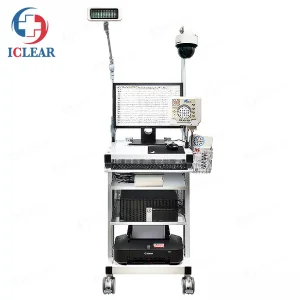
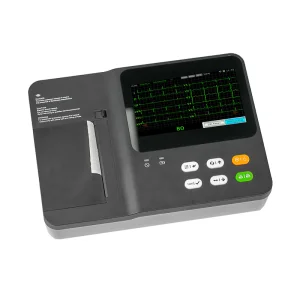
Our multi-lead wearable ECG systems capture, process, and transmit high-fidelity cardiac rhythms. They help detect transient cardiac conditions, post-operative anomalies, and support targeted early stroke prevention and response.
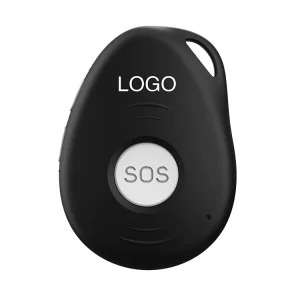
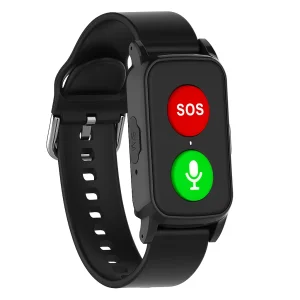
Using 3D accelerometers and gyroscopes combined with advanced fall detection algorithms, our SOS wearables identify impact events and automatically transmit cellular alert signals with accurate real-time GPS locations.
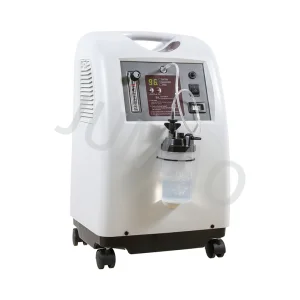
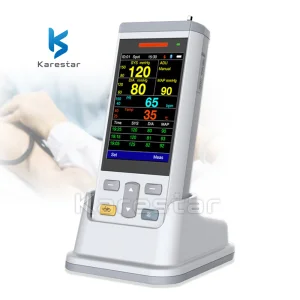
Designed for long-term monitoring of patients managing conditions like COPD, heart failure, and diabetes. Connected blood glucose sensors and oxygen concentrators seamlessly stream critical physiological metrics to health cloud services.
A technical roadmap detailing how next-generation connected healthcare is designed and engineered today.
Processing physiological waveforms locally on the wearable chip to detect arrhythmia and respiratory patterns before transmitting data.
Standardizing hardware outputs to allow direct integration with major EHR databases, including Epic, Cerner, and Athenahealth.
Extending wearable battery life up to 14 days on a single charge through smart power-saving states and optimized data transfer scheduling.
The future of Remote Patient Monitoring lies in transitioning from simple data collection to proactive, AI-driven insights. Rather than just reporting vital signs after an event, next-generation RPM systems dynamically analyze vital signs trends over time. This approach identifies subtle physiological declines early, helping prevent acute medical events.
By integrating dual-wavelength photoplethysmography (PPG), bioimpedance arrays, and high-frequency digital electroencephalography (EEG), our factories build high-precision devices that provide clean data arrays for clinical systems. With standard, low-latency API connections and custom firmware adaptations, we help clients quickly launch intelligent care platforms designed for modern medical needs.
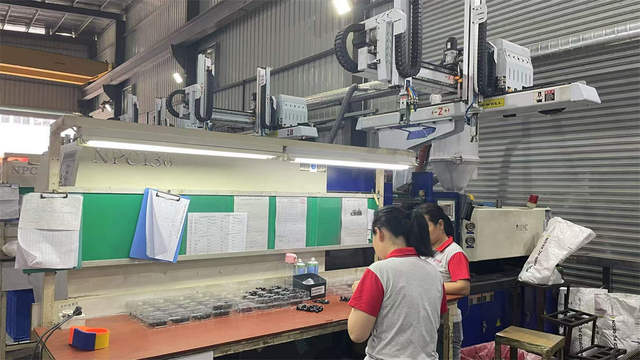
A photographic tour of Ocent Monitor's 8,000 m² advanced manufacturing facility, cleanrooms, and testing departments.


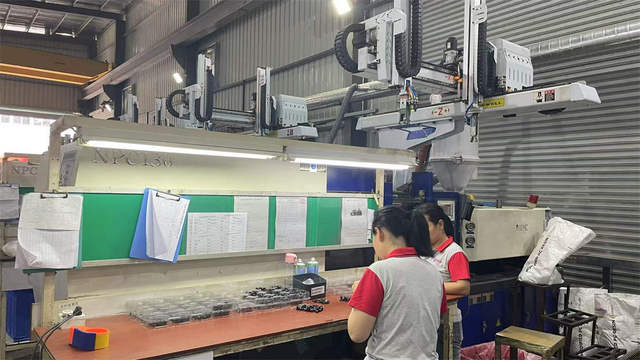
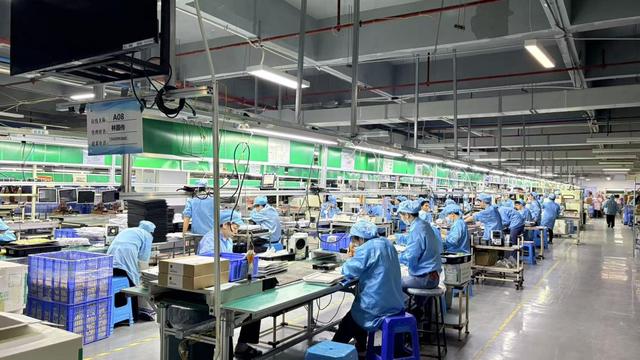
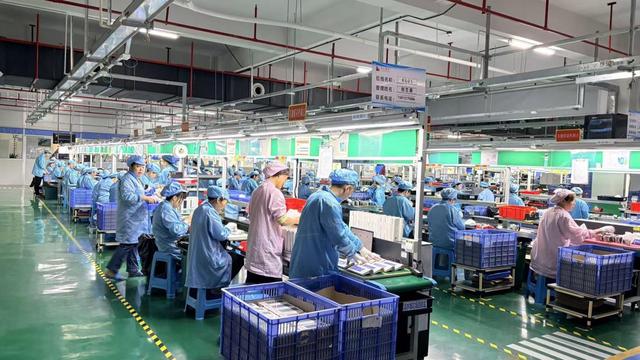

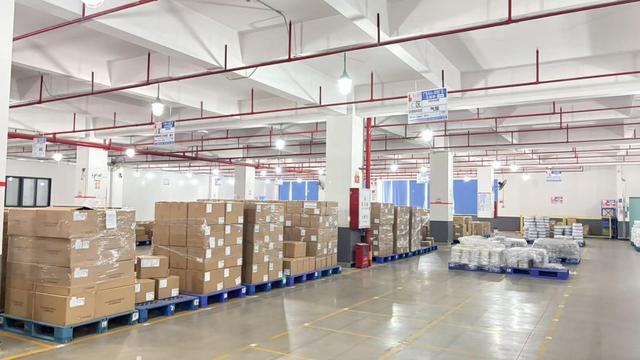
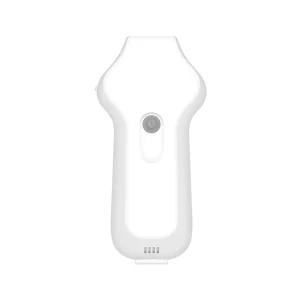
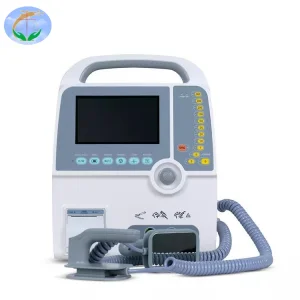
Explore our complete medical supply range, from diagnostic imaging sensors to emergency intervention systems.
A comprehensive procurement guide detailing the operational and technical parameters of top China RPM manufacturers.
Selecting a manufacturer in Shenzhen's electronics ecosystem goes beyond comparing product datasheets. Large-scale procurement teams must evaluate details like component traceability, quality verification processes, and production line flexibility. A top-tier RPM factory should feature:
Fully Automated SMT Manufacturing: Precise placement of microcomponents is essential for compact medical wearables. Modern surface-mount technology (SMT) lines minimize manual handling, reducing soldering errors and micro-component failure rates.
Comprehensive Testing Protocols: Every manufactured unit undergoes automated optical inspection (AOI), in-circuit testing (ICT), and functional testing inside RF shielding enclosures. Testing also includes high-temperature stress testing (burn-in testing) to screen out early component failures.
Traceability Systems: Quality systems track every component batch back to its silicon wafer or component distributor. In medical electronics, clear material and component tracking is vital for passing external audits and managing regulatory risks.
For global healthcare systems, standard Wi-Fi setups can sometimes present security risks and configuration challenges. Devices with direct cellular connectivity (LTE-M, NB-IoT, and 4G fallback) offer seamless, out-of-the-box operation for home patient use.
We resolve connectivity friction through partnerships with global virtual network enablers. This ensures our wearables automatically connect to local cellular carrier networks upon boot-up, eliminating manual Wi-Fi setup for elderly or remote users.
Every organization has unique development timelines, design philosophies, and budget structures. We accommodate these requirements through tailored manufacturing partnerships:
Original Equipment Manufacturer (OEM): Ideal for clients with existing industrial designs and working firmware, who need high-yield, ISO-certified medical assembly lines to scale their production.
Original Design Manufacturer (ODM): Best for clients looking to leverage our established hardware libraries. We customize existing medical board designs, enclosures, and sensor platforms to match your exact branding and performance needs, shortening your path to market.
Essential answers to critical technical, certification, and operational questions for professional RPM procurement teams.
 Ocent Monitor