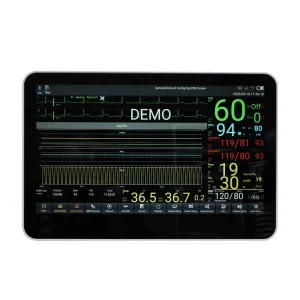
Reliable biosensing architectures and precision instruments for healthcare networks, research facilities, and medical distributors.
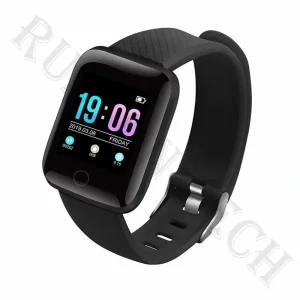
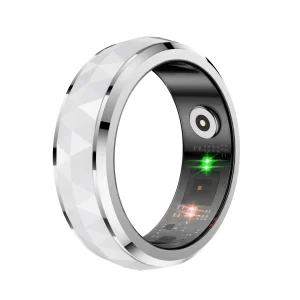

How clinical accuracy, Edge AI processing, and real-time medical IoT networks are redefining patient care paths on a global scale.
Transitioning from lifestyle wellness tracking to clinical decision support. Advanced multi-wavelength photoplethysmography (PPG), micro-electrocardiogram (ECG) engines, and bio-impedance sensors now deliver high-fidelity data suitable for chronic disease monitoring and clinical diagnostics.
Processing physiological anomalies directly on the device. Incorporating ultra-low-power microcontrollers equipped with neural network accelerators allows for real-time detection of arrhythmias, oxygen desaturation, and sudden fall events, drastically decreasing network latency.
Unifying wearable hardware with hospital enterprise software. Modern architectures leverage HL7 and FHIR (Fast Healthcare Interoperability Resources) protocols, enabling automated transmission of telemetry data directly into Electronic Health Records (EHR) platforms.
An institutional guide to evaluating medical-grade hardware suppliers for compliance, data security, and long-term scalability.
Global procurement teams demand suppliers with comprehensive regulatory pipelines, including FDA 510(k), CE MDR (Medical Device Regulation), ISO 13485 quality systems, RoHS, and FCC/CE-RED wireless certifications to ensure rapid regional approvals.
With patient information under continuous threat, hardware firmware must support end-to-end data encryption (AES-256), secure boot sequences, and HIPAA-compliant data routing architectures to protect Protected Health Information (PHI).
Enterprise buyers avoid locked platforms. The capacity to modify physical enclosures (biocompatible medical-grade silicone/titanium), adjust firmware parameters, customize communications protocols (NB-IoT/LTE-M/BLE), and configure white-label packaging is critical.
"Supported by an experienced engineering team and rigorous quality management processes, the company maintains strict production standards throughout product development and manufacturing."
Shenzhen Ocent Monitor Co., Ltd. is a technology-driven manufacturer specializing in remote patient monitoring systems, telehealth monitoring solutions, and digital healthcare technologies. Established in 2016, the company is headquartered in Shenzhen, China, one of the world's leading innovation and electronics manufacturing hubs.
With a modern production facility covering more than 8,000 square meters and a workforce of over 180 employees, Ocent Monitor focuses on the design, development, and manufacturing of intelligent healthcare monitoring solutions for hospitals, clinics, long-term care facilities, and home healthcare providers worldwide.
The company's product portfolio includes remote patient monitoring systems, wireless vital sign monitoring devices, telehealth platforms, chronic disease management solutions, wearable health monitoring technologies, and healthcare IoT integration systems. By combining advanced sensor technology, cloud connectivity, and data management capabilities, Ocent Monitor helps healthcare organizations improve patient engagement, enhance care efficiency, and support continuous health monitoring beyond traditional clinical settings.
Serving customers across North America, Europe, Asia, the Middle East, and other international markets, Shenzhen Ocent Monitor Co., Ltd. provides OEM and ODM services tailored to diverse healthcare applications and market requirements. Through ongoing investment in research and development, the company strives to deliver reliable, scalable, and future-oriented remote healthcare solutions that support the evolving needs of modern healthcare systems worldwide.
Tour our state-of-the-art facility featuring dust-free SMT lines, advanced calibration laboratories, and medical-grade testing chambers.
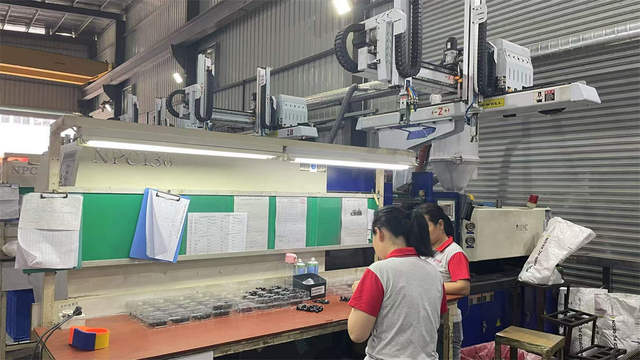

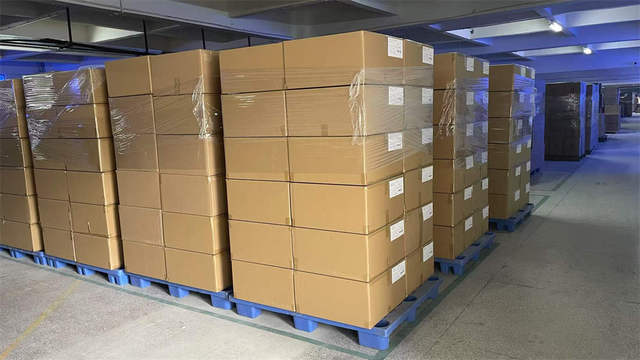
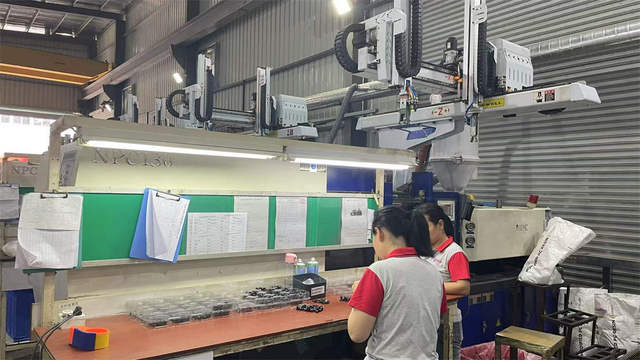
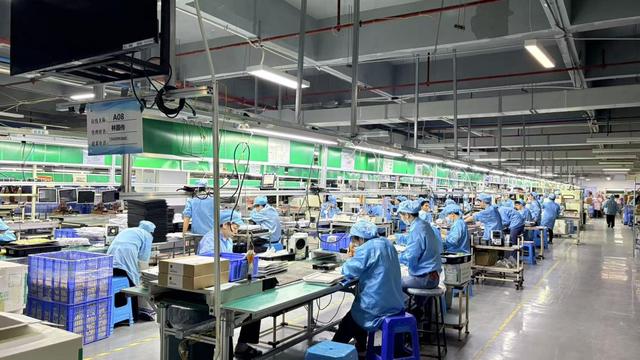
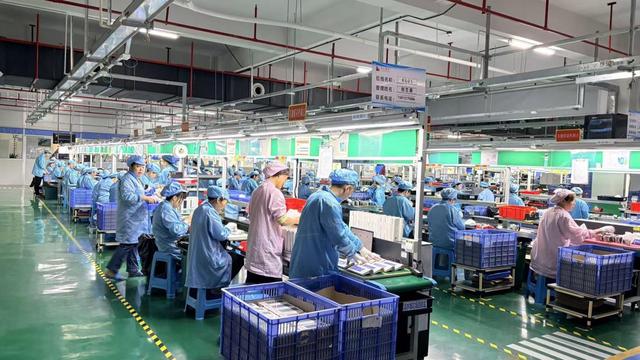

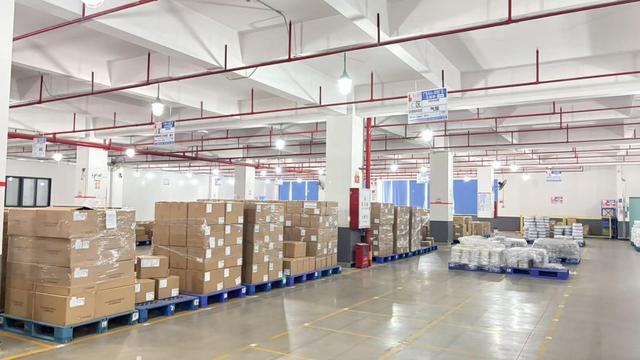
Leveraging Shenzhen's unparalleled hardware ecosystem to guarantee manufacturing speed, quality consistency, and cost-effective output.
By operating inside Shenzhen's premier industrial ecosystem, we source precision medical chips, optical sensors, high-density PCBs, and high-capacity lithium polymer batteries with minimal transit times, keeping lead times stable despite global supply shocks.
Utilizing high-speed SMT assembly, automated optical inspection (AOI), X-ray component verification, and automated medical calibration rigs. Every product undergoes strict validation to guarantee calibration accuracy down to medical tolerances.
Efficient resource allocation and optimized assembly tooling allow us to scale production runs seamlessly from small pilot batches for clinical validation to high-volume bulk runs of millions of units, maintaining pricing competitiveness.
Ensuring compliance, continuity, and technical performance in diverse global remote healthcare systems.
Supplying FDA/CE-cleared pulse oximetry, multi-lead ECG monitors, and blood pressure bands designed to interface directly with regional healthcare providers, enabling Medicare/Medicaid reimbursable services and reducing hospital readmissions.
Deploying comfortable health-monitoring rings, fall-detection bands, and vital-signs platforms in eldercare communities across Japan and Scandinavia, helping care managers track patient trends and dispatch assistance immediately.
Providing custom wearable hardware configurations with continuous, raw biosensing pipelines (raw photoplethysmography and accelerometer data) for researchers verifying efficacy and safety profiles during decentralized drug trials.
Addressing core technical, regulatory, and logistical considerations of enterprise-level medical hardware procurement.
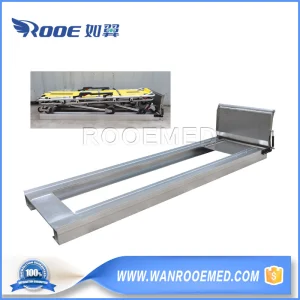
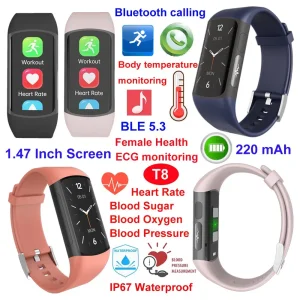
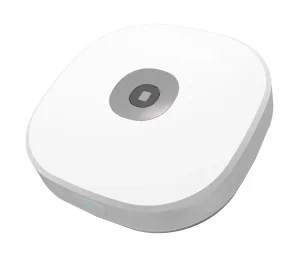
Integratable vital sign monitors, components, and hospital accessories optimized for clinical environments and outpatient monitoring.
 Ocent Monitor