In recent years, remote patient monitoring (RPM) has become a significant part of healthcare innovation. According to a report by Grand View Research, the global RPM market is expected to reach $175.57 billion by 2026, driven by an increasing demand for efficient healthcare services. This surge emphasizes the importance of understanding what technology is used in remote patient monitoring. Tools such as wearable devices, mobile health apps, and telehealth platforms are crucial in enabling patients and providers to communicate effectively.
The incorporation of these technologies allows for real-time data collection, enhancing patient engagement and outcomes. An analysis by the Journal of Medical Internet Research highlights that RPM can reduce hospital readmission rates by up to 57%. However, despite its advantages, there are challenges. Issues like data privacy, patient compliance, and the digital divide need to be addressed. As RPM technology evolves, navigating these obstacles remains crucial for its success in the healthcare landscape.
Understanding and implementing the right technologies can transform patient care. As we delve into the top 10 technologies in remote patient monitoring, it’s essential to reflect on both their potential and the pitfalls we face in this rapidly developing field.
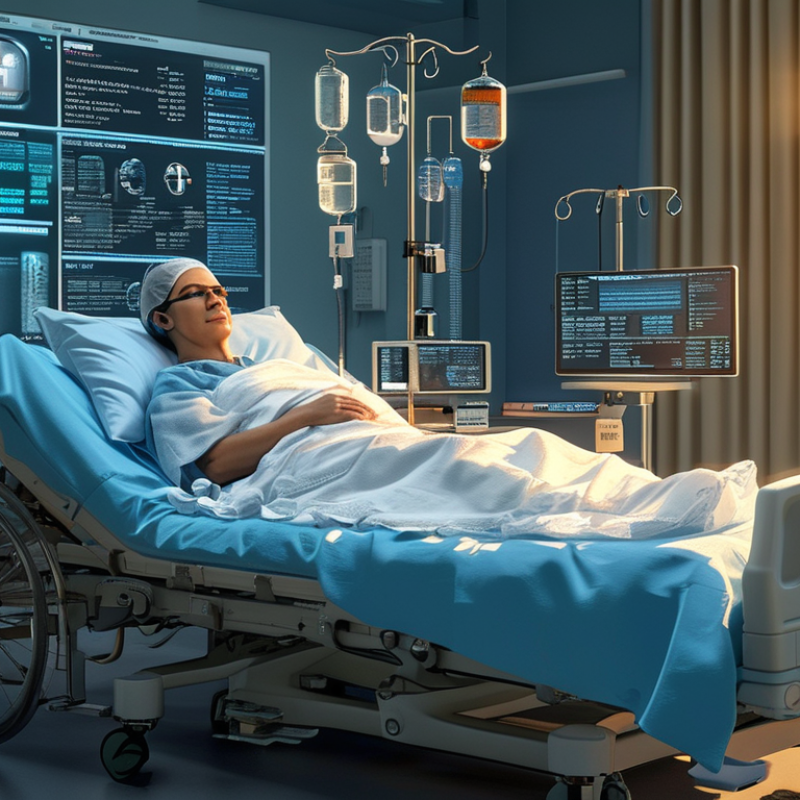
Remote patient monitoring (RPM) leverages technology to enhance healthcare delivery. It allows healthcare providers to track patients' health data in real-time. This approach improves patient engagement and leads to better health outcomes. Technologies used in RPM encompass a broad spectrum, each serving specific needs.
Wearable devices are a growing trend. They monitor vital signs like heart rate and oxygen levels. These devices empower patients to take charge of their health. However, accuracy can vary. Not every device provides reliable readings. This inconsistency can frustrate both patients and healthcare providers. It's crucial to choose devices with validated data.
Mobile health applications also play a significant role. These apps facilitate communication between patients and doctors. They can remind users to take medications or schedule appointments. But users often overlook notifications. Habit development is essential for effective use.
Tip: Always prioritize user-friendly interfaces in health apps. Simplified designs encourage more frequent usage.
Telehealth services integrate with RPM technologies effectively. Video consultations are convenient, but not everyone is comfortable using them. Limited tech-savvy among patients is a challenge. Continuous education about these tools is necessary.
Tip: Regularly offer training sessions for patients on how to use remote monitoring tools. This builds confidence and improves adherence to health programs.
Wearable devices are revolutionizing patient care in remote monitoring. These gadgets can track vital signs like heart rate and blood pressure in real-time. They collect data continuously, allowing healthcare providers to monitor patients' health without face-to-face visits. This convenience is crucial for managing chronic conditions.
Some devices are user-friendly. They can sync with smartphones, making data access easy for both patients and doctors. However, not all patients find them comfortable to wear. Long-term usage may lead to skin irritations or malfunctions.
Trust in data accuracy is essential. Patients and providers must ensure that the readings are reliable. Misleading data can lead to inappropriate treatment decisions. Balancing technology with human care is vital. Wearable devices should supplement, not replace, the human touch in healthcare.
| Technology | Description | Benefits | Challenges |
|---|---|---|---|
| Wearable ECG Monitors | Devices that continuously monitor heart rhythm and detect irregularities. | Early detection of arrhythmias, real-time data for doctors. | Data privacy concerns, battery life issues. |
| Smart Wearable Fitness Trackers | Devices that track physical activity, heart rate, and sleep patterns. | Promotes healthier lifestyles, boosts patient engagement. | Accuracy can vary, potential for data overload. |
| Telehealth Platforms | Online services that allow patients to consult healthcare providers remotely. | Increased accessibility, convenience for patients. | Technology literacy needed, limited to non-emergency situations. |
| Continuous Glucose Monitors (CGMs) | Devices that provide real-time glucose readings for diabetes management. | Minimizes fingerstick testing, better glucose control. | High cost, complexity of data interpretation. |
| Smart Pill Bottles | Bottles that remind patients to take medication and track adherence. | Increased medication adherence, improved health outcomes. | User resistance, potential technical errors. |
| Remote Patient Monitoring Software | Platforms that aggregate data from various devices to manage patient care. | Holistic patient view, better decision-making. | Integration challenges, data security risks. |
| SpO2 Monitors | Devices that measure blood oxygen levels, crucial for respiratory patients. | Early detection of hypoxia, non-invasive monitoring. | Calibration issues, dependence on device accuracy. |
| Blood Pressure Monitors | Devices for monitoring blood pressure at home. | Convenience and comfort, improved hypertension management. | User errors, potential inaccuracy in readings. |
| Mental Health Apps | Applications providing support and resources for mental health patients. | Increased access to mental health resources, anonymous support. | Quality of content varies, may not replace professional help. |
| Virtual Reality (VR) Therapy | Uses immersive VR experiences for therapy sessions. | Innovative treatment for phobias, anxiety, and PTSD. | Cost of technology, potential motion sickness in users. |
Mobile health applications are transforming patient engagement in remote patient monitoring.
According to a report by Grand View Research, the global mHealth market is
expected to reach $236 billion by 2026.
This growth highlights the increasing reliance on technology for health management.
Applications enable patients to monitor their health metrics in real-time.
This empowers them with knowledge and encourages proactive health decisions.
The user experience is critical for these applications.
A study published in the Journal of Medical Internet Research revealed that 87%
of users prefer engaging with user-friendly apps. Yet, many applications struggle with complex
navigation and overwhelming features. Simplicity is key,
but many developers overlook this essential aspect. Patients often express frustration when apps
fail to deliver straightforward information.
Patient engagement should also consider diverse populations.
Not every group has the same access to technology. A report from the Pew Research Center
notes that 30% of seniors lack smartphones. This gap poses challenges
for inclusive health management. Developers must seek feedback from various demographics to create
more accessible tools. Engaging patients on their terms can lead to better health outcomes
and satisfaction.
Telehealth platforms play a vital role in enhancing remote patient monitoring capabilities. They offer a seamless connection between patients and healthcare providers. With these platforms, patients can share health data in real-time, ensuring timely interventions. This immediate access to health information improves care quality and patient outcomes.
Many platforms incorporate wearable devices. These devices track vital signs and send alerts if abnormalities arise. Such technology empowers patients to take charge of their health. Yet, some patients struggle with technology adoption. Lack of familiarity can create barriers to effective monitoring. Providers must address these challenges through education and support.
Data security is another critical concern. As health information is shared digitally, protecting patient privacy is essential. Not all platforms meet the necessary security standards. Patients should be aware of these risks before engaging in telehealth services. Reflecting on these aspects can lead to improved experiences and trust in remote monitoring.
Data analytics and AI are transforming remote patient monitoring (RPM) systems. These technologies enable healthcare professionals to analyze vast amounts of data collected from wearable devices. Patients can now track vital signs like heart rate, glucose levels, and blood pressure in real time. This immediate feedback improves patient engagement and fosters proactive health management.
AI algorithms help in identifying patterns and trends within this data. They can predict potential health issues before they become critical. With machine learning models, RPM systems can adjust care plans based on individual patient needs. However, relying solely on these technologies can be risky. Data privacy concerns and algorithm biases need addressing. Not all predictive models are accurate in diverse populations. Continuous improvement and validation are crucial for maintaining trust in these systems.
Healthcare providers must approach these technologies with caution. Training staff to understand and interpret analytics correctly is vital. Misinterpretation of data could lead to unnecessary interventions or missed opportunities for care. The integration of data analytics and AI can significantly enhance RPM, but it requires careful oversight and ongoing evaluation. Balancing innovation with ethical considerations will determine the future of patient monitoring.
: They allow patients to monitor health metrics in real-time. This empowers proactive health decisions.
87% of users prefer engaging with user-friendly apps. Complexity often frustrates patients seeking straightforward information.
No, many struggle with technology. For example, 30% of seniors lack smartphones, affecting access to health tools.
They connect patients and providers, allowing real-time health data sharing for timely interventions.
They track vital signs and alert users to abnormalities. This helps patients take charge of their health.
Some patients find technology adoption difficult. This can create barriers to effective health monitoring.
Yes, protecting patient privacy is essential. Not all platforms meet required security standards.
They should seek feedback from diverse populations to create more accessible, user-friendly tools.
Understanding technology can lead to better health outcomes and more trust in these services.
Remote patient monitoring (RPM) has revolutionized healthcare by utilizing various technologies to enhance patient care and engagement. Key technologies in this field include wearable devices that continuously track vital signs, allowing healthcare providers to monitor patients' health remotely and make timely interventions. Mobile health applications play a crucial role in enhancing patient engagement, empowering individuals to take an active role in managing their health through real-time data access and communication with their healthcare teams.
Telehealth platforms further enhance remote monitoring capabilities by enabling virtual consultations and follow-ups, ensuring comprehensive patient support. Additionally, data analytics and artificial intelligence (AI) are increasingly integrated into RPM systems, allowing for advanced data interpretation and personalized patient care strategies. Overall, understanding what technology is used in remote patient monitoring is essential for leveraging these advances to improve health outcomes and patient satisfaction.

Ocent Monitor