Remote patient monitoring is changing how Chinese hospitals, clinics, and families follow chronic conditions beyond the consultation room. Small devices can capture blood pressure, glucose, oxygen saturation, heart rhythm, temperature, weight, and breathing patterns. The data travels through Bluetooth, mobile applications, or cellular networks. Clinicians can then review trends instead of relying only on one appointment measurement.
A practical question remains: what devices are used for remote patient monitoring? This guide examines ten widely used device categories in China, including connected blood pressure monitors, pulse oximeters, glucose meters, ECG patches, digital thermometers, smart scales, spirometers, activity wearables, fetal monitors, and sleep trackers. Each device serves a different clinical need. A pulse oximeter may support respiratory follow-up, while a connected scale can reveal sudden fluid gain in heart-failure patients.
Real-world performance depends on more than attractive hardware. Accuracy, sensor placement, calibration, battery life, user training, and network stability all matter. A rushed measurement can create misleading data. False alerts can also burden clinical teams. This is where experience becomes important: nurses often identify poor technique before software identifies an abnormal trend. Device selection should therefore consider validated performance, interoperability, patient age, language support, and local care pathways. Chinese manufacturers are advancing quickly, but not every product has equal clinical evidence or service support. That limitation deserves attention. The following overview focuses on practical use, measurable value, and the details that can determine whether remote monitoring genuinely helps patients.
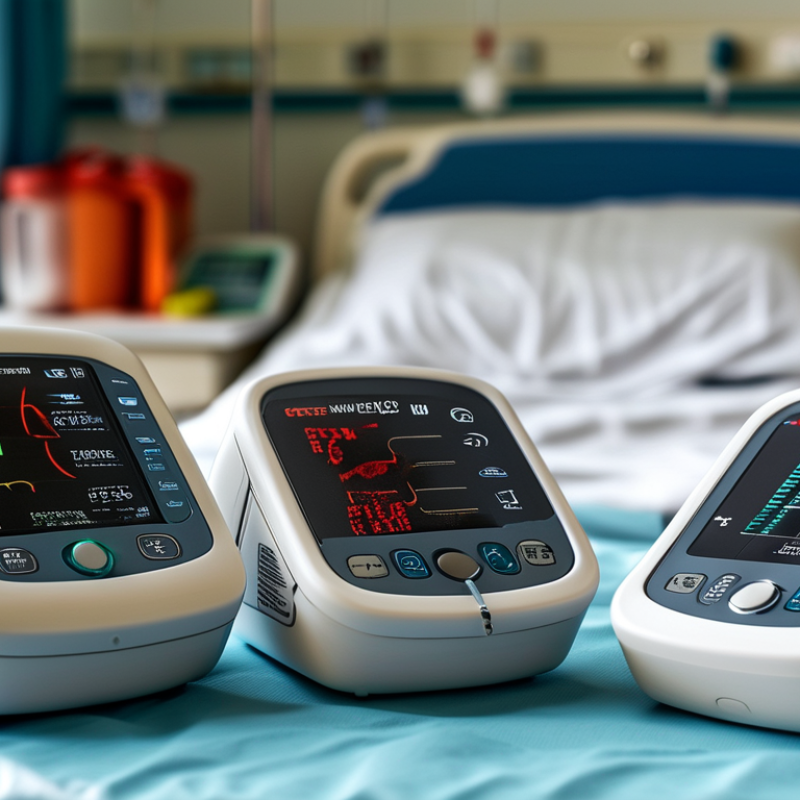
China’s remote patient monitoring market uses ten practical device types: blood pressure monitors, pulse oximeters, blood glucose meters, continuous glucose sensors, digital thermometers, ECG patches, body weight scales, spirometers, activity trackers, and fetal monitors. These tools collect measurements at home instead of requiring every check inside a clinic. Their value depends on accurate sensors, clear instructions, and timely clinical review.
A blood pressure cuff inflates around the arm and records pressure and pulse. A pulse oximeter shines light through a fingertip to estimate oxygen saturation. Glucose meters analyze a small blood sample, while continuous sensors measure fluid beneath the skin at regular intervals. ECG patches detect electrical signals during daily movement. Scales track weight changes, which may reveal fluid retention in some heart conditions. Spirometers measure breathing strength. Thermometers, activity trackers, and fetal monitors add temperature, movement, and fetal heart data.
Most devices send readings through Bluetooth, mobile networks, or a home gateway to a secure clinical dashboard. Care teams can review trends, contact patients, or adjust follow-up plans when readings cross agreed thresholds. A single number can mislead. Cold fingers may affect oxygen readings, and an incorrectly positioned cuff can distort blood pressure. Connectivity also fails in rural homes or crowded buildings. Human review remains essential, and patients need simple training, privacy protection, and a clear way to report symptoms that devices cannot measure.
Remote patient monitoring devices collect health data at home and transmit it to healthcare professionals for assessment. The chart compares the number of primary physiological signals commonly captured by each device type.
How they work: Sensors measure vital signs or health indicators, such as blood pressure, oxygen saturation, glucose, temperature, heart rhythm, lung function, weight, activity, and fetal heart rate. Data may be transferred through Bluetooth, mobile networks, Wi-Fi, or a connected patient-monitoring platform.
Remote patient monitoring in China uses practical devices for homes, clinics, and community health centers. Digital blood pressure monitors support routine checks for hypertension. Pulse oximeters track oxygen saturation during respiratory illness or recovery. Glucose meters help patients record blood sugar before meals, after meals, and at bedtime.
Other common devices include wearable electrocardiogram patches, digital thermometers, smart weight scales, and portable spirometers. Some home-care programs also use fetal monitors, sleep sensors, and medication reminder devices.
Each tool should connect with a qualified clinical workflow, not operate alone. A nurse may review an unusual result, call the patient, and request a second measurement.
Context matters greatly. A cold finger can distort an oxygen reading. An incorrectly positioned cuff can raise blood pressure values. Poor internet access may delay transmission. No device is flawless. Healthcare teams should check calibration records, battery status, data security, and user instructions. They should also confirm whether the device has suitable clinical evidence and regulatory approval for its intended use in China.
Patients often need simple guidance. Sit quietly before measuring. Keep the arm supported. Record symptoms beside the number. A single abnormal result may need repetition, while repeated changes deserve professional attention. The human review remains essential, especially for older adults managing several conditions at home.
China Top 10 Devices Used for Remote Patient Monitoring
Remote monitoring depends on more than collecting numbers. A digital blood pressure monitor measures cuff pressure and sends systolic, diastolic, and pulse readings through a phone or home hub. A pulse oximeter uses light to estimate oxygen saturation and heart rate, then uploads timestamped results. A connected thermometer records body temperature, while a digital glucometer sends blood glucose values after each finger-stick test. Each device should identify the patient, time, and measurement conditions clearly.
A wearable ECG patch captures electrical heart signals through skin electrodes and transmits rhythm data for clinical review. A smart weight scale measures body mass and may estimate fluid changes, which can support heart-failure monitoring. A spirometer records airflow during forced breathing and forwards volume measurements to a secure clinical platform. Activity and heart-rate wearables collect movement, pulse, and sometimes sleep patterns through optical sensors and accelerometers. A fetal monitor, used under appropriate clinical supervision, records fetal heart rate and uterine activity, then shares selected traces remotely. Sleep monitors use breathing, oxygen, movement, or pulse data to flag possible nighttime problems.
The transmission path matters. Bluetooth often connects the device to a phone, while cellular or Wi-Fi networks transfer data to authorized healthcare systems. Encryption, access controls, calibration, and patient consent reduce avoidable risks. Transmission is not magic. Weak signals, poor placement, low batteries, and incorrect technique can distort results. In practice, clinicians should review trends rather than trust one isolated reading. I would question any device that reports impressive precision without explaining its limits. Context matters.
| No. | Device Type | Patient Health Data Collected | How Data Is Collected | How Data Is Transmitted |
|---|---|---|---|---|
| 1 | Digital Blood Pressure Monitor | Systolic blood pressure, diastolic blood pressure, pulse rate, and sometimes irregular-heartbeat indicators. | An inflatable cuff applies controlled pressure around the upper arm or wrist. The device detects arterial pressure oscillations during cuff deflation and calculates blood pressure values. | Readings may be displayed on the device and transferred through Bluetooth Low Energy, Wi-Fi, or a connected mobile application to a remote monitoring platform. |
| 2 | Blood Glucose Meter | Blood glucose concentration, measurement time, and in some systems meal or medication notes. | A small capillary blood sample is placed on a disposable test strip. An electrochemical reaction generates a signal proportional to the glucose concentration. | The result can be entered manually or transferred automatically through Bluetooth, USB, cellular connectivity, or a paired mobile application. |
| 3 | Pulse Oximeter | Peripheral oxygen saturation, pulse rate, and sometimes a pulse waveform or perfusion index. | Red and infrared light pass through a fingertip, toe, or earlobe. The device estimates oxygen saturation from the different light absorption of oxygenated and deoxygenated hemoglobin. | Data may be sent via Bluetooth Low Energy to a smartphone, tablet, gateway, or clinical monitoring system. Some connected models also use Wi-Fi or cellular gateways. |
| 4 | Wearable ECG Monitor | Electrocardiographic waveform, heart rate, rhythm information, and possible irregular-rhythm or atrial-fibrillation alerts. | Skin-contact electrodes detect the heart's electrical activity. Depending on the design, the device records a single-lead or multi-lead ECG continuously or at scheduled intervals. | ECG recordings and event alerts are commonly synchronized through Bluetooth to a mobile device, then uploaded through Wi-Fi or cellular networks to a secure clinical platform. |
| 5 | Wearable Temperature Sensor | Skin temperature or body-temperature estimates, measurement time, and temperature trends. | A thermistor, thermocouple, or semiconductor temperature sensor measures heat at the skin or another designated body site. Algorithms may compensate for environmental effects. | Measurements are typically sent by Bluetooth Low Energy to a smartphone or dedicated gateway and then forwarded through Wi-Fi or cellular connectivity. |
| 6 | Digital Weight Scale | Body weight, weight trends, and, when supported, body-mass index or other estimated body-composition indicators. | Load cells measure the force exerted by the body on the scale. Weight is calculated from the measured force and may be associated with a registered user profile. | Data can be transmitted through Bluetooth to a mobile application or directly through Wi-Fi to a cloud-based remote monitoring service. |
| 7 | Connected Spirometer | Forced expiratory volume, forced vital capacity, peak expiratory flow, expiratory flow rates, and selected respiratory test quality indicators. | The patient exhales through a disposable or reusable mouthpiece. A flow sensor measures airflow and volume, while software derives standardized pulmonary-function parameters. | Test results may be transferred through Bluetooth or USB to a mobile application, computer, or clinical gateway for secure upload and review. |
| 8 | Continuous Glucose Monitor | Interstitial glucose readings, glucose trends, rate-of-change information, and high or low glucose alerts. | A small subcutaneous sensor measures glucose in interstitial fluid at regular intervals using an enzymatic electrochemical process. The sensor is generally worn for a defined service period. | A transmitter sends readings wirelessly to a receiver, smartphone, or dedicated gateway, which can upload the data through Wi-Fi or cellular networks to a remote care platform. |
| 9 | Electronic Stethoscope | Digitized heart sounds, lung sounds, respiratory sound patterns, and auscultation recording time. | A chestpiece microphone or piezoelectric sensor converts acoustic vibrations from the body into electrical signals. Digital filtering and amplification may improve the audibility of selected frequency ranges. | Audio recordings can be transferred through Bluetooth, USB, or a connected application and then shared with authorized clinicians through a secure network. |
| 10 | Fall Detection and Activity Monitor | Motion patterns, step count, activity level, sedentary time, posture changes, possible falls, and emergency-alert events. | Accelerometers and gyroscopes detect changes in movement, orientation, speed, and impact. Algorithms distinguish routine activity from unusual motion patterns that may indicate a fall. | The device may use Bluetooth to connect to a phone or home hub. Emergency alerts and summarized activity data can then be transmitted through Wi-Fi or cellular networks to caregivers or monitoring services. |
China’s leading remote patient monitoring devices include blood-pressure monitors, glucose meters, pulse oximeters, ECG patches, thermometers, weight scales, spirometers, wearable activity sensors, fetal monitors, and connected inhalers. Providers select devices according to clinical risk, not popularity. The World Health Organization reported that noncommunicable diseases caused 74% of global deaths in 2021. This burden makes home monitoring increasingly relevant for hypertension, diabetes, heart disease, and respiratory conditions.
In clinical care, nurses review blood-pressure readings after medication changes. Diabetes teams examine glucose trends before adjusting treatment. Cardiology departments use ECG patches to investigate intermittent palpitations. Weight scales can reveal fluid retention in heart-failure patients. Small changes matter. China’s National Health Commission has repeatedly emphasized chronic-disease management through primary healthcare services. Remote data can support that goal, especially for older patients living far from hospitals. However, a device reading is not a diagnosis. Providers must confirm symptoms, measurement technique, and clinical history.
The 2023 HIMSS Global Health Technology Survey identified remote monitoring as a continuing priority for healthcare organizations, although implementation barriers remain. False alerts can overload clinical teams. Patients may also stop measuring after several weeks. That weakness is easy to underestimate. In practice, staff need clear escalation rules, regular device checks, informed patient consent, and secure data handling. A 2022 American Medical Association survey found that 93% of physicians saw advantages in digital health tools, but workflow integration remained important. China’s hospitals still need better interoperability and training. The technology helps, but judgment remains human.
When choosing among China’s remote patient monitoring devices, match the device to the patient’s condition and daily routine. A blood pressure monitor suits hypertension follow-up, while a pulse oximeter may support patients with respiratory concerns. Do not select features simply because they look advanced. Accuracy matters most. Ask for clinical validation, measurement ranges, calibration records, and relevant medical-device registration. For older adults, large displays and one-button operation can prevent repeated errors.
Consider the home environment carefully. A clear voice prompt helps patients with poor vision. If setup takes more than a few minutes, adherence may decline. Real homes are untidy. Check battery life, cuff size, sensor comfort, and resistance to ordinary handling. Connectivity also matters. Devices should transfer readings through secure, stable channels, including situations with weak internet access. Prefer systems that work with existing clinical software and provide time-stamped records.
Data protection deserves equal attention. Request details about encryption, user permissions, storage location, and audit logs. Avoid devices that collect unnecessary information. A reliable device should also offer maintenance guidance and responsive technical support. In practice, care teams should test the equipment with several patients before wider adoption. I would not trust a polished demonstration alone. Some devices perform well in clinics but confuse users at home. The right choice balances clinical accuracy, usability, security, service support, and total operating cost. Perfect devices rarely exist. Reassess performance after real-world use.
: It uses home devices to collect health readings for clinical review. Patients measure blood pressure, oxygen, glucose, temperature, weight, breathing, or heart activity. Care teams review trends remotely. It is not perfect.
Common devices include blood pressure monitors, pulse oximeters, glucose meters, and continuous glucose sensors. Other options include ECG patches, thermometers, smart scales, spirometers, activity trackers, and fetal monitors. Each device serves a different measurement.
An inflatable cuff wraps around the upper arm. It records pressure and pulse while the cuff tightens. Sit quietly first. Keep the arm supported. A poorly positioned cuff can produce misleading results.
No. A single number may be affected by movement, stress, cold fingers, or incorrect setup. Repeat the measurement according to clinical guidance. Record symptoms beside the result. Repeated changes deserve professional attention.
Devices may use Bluetooth, mobile networks, or a home gateway. Readings can appear on a secure clinical dashboard. Weak internet may delay transmission. The system should keep time-stamped records.
Match the device to the patient’s condition and daily routine. Accuracy matters more than decorative features. Check clinical evidence, measurement range, calibration records, and intended approval. Large screens and one-button operation can help older adults.
Check battery life, cuff size, sensor comfort, and connection stability. Keep instructions nearby. Clean and store equipment as directed. A complicated setup may reduce regular use.
Ask how data is encrypted, stored, accessed, and audited. Use clear user permissions. Avoid devices collecting unnecessary information. Privacy safeguards need regular review. Convenience is not enough.
Remote patient monitoring (RPM) devices allow healthcare teams to collect, transmit, and review health data while patients remain at home or in other everyday settings. This article explains what devices are used for remote patient monitoring, including blood pressure monitors, blood glucose meters, pulse oximeters, thermometers, wearable ECG devices, weight scales, activity trackers, respiratory monitors, sleep monitors, and multifunctional home health terminals. Each device uses sensors to measure specific indicators and sends the data through secure wireless or mobile connections to a clinical platform.
The article also describes how healthcare providers use these readings to identify health changes, support chronic disease management, adjust care plans, and encourage timely communication when measurements fall outside expected ranges. It concludes with practical guidance for selecting a suitable device, focusing on measurement accuracy, ease of use, connectivity, data security, battery life, patient needs, and compatibility with clinical workflows.

Ocent Monitor