The growing trend of remote patient monitoring (RPM) significantly reshapes healthcare delivery. According to a recent report from the Global Market Insights, the RPM market is projected to exceed $2 billion by 2026. This growth reflects a pressing need for advanced healthcare solutions. The implementation of remote patient monitoring programs is crucial to improving patient outcomes and enhancing care efficiency.
Dr. Sarah Williams, a leading expert in telemedicine, emphasizes the importance of strategic implementation. She states, “Successful RPM requires meticulous planning and adaptation to patient needs.” Her insights highlight the necessity for healthcare providers to carefully consider how to implement remote patient monitoring programs effectively. The attention to detail in patient engagement and technology integration can lead to more robust outcomes.
However, the process is not without challenges. Many organizations face hurdles in technology adoption and patient adherence. Some healthcare teams may overlook the nuances of patient education and support. This often leads to underutilization of the programs. Thus, ongoing evaluation and feedback loops are essential for reflecting and refining these initiatives over time.
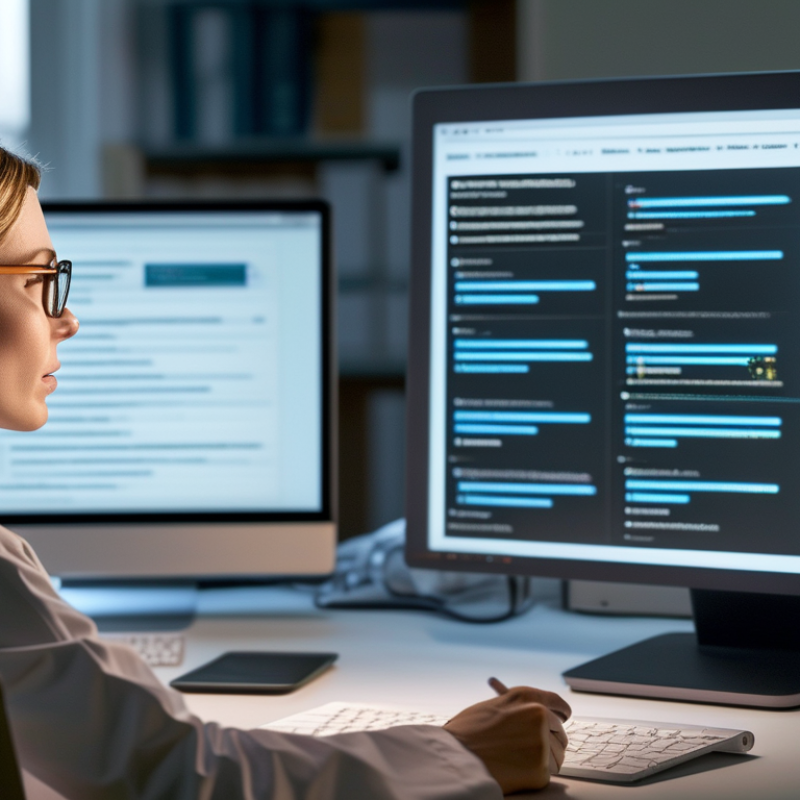
Remote Patient Monitoring (RPM) is revolutionizing healthcare. This innovative approach allows healthcare providers to monitor patients from afar. A recent report by ResearchAndMarkets predicts the RPM market will grow by 37% annually, driven by a surge in chronic diseases and the need for efficient care. RPM captures vital data through devices, giving a complete picture of a patient's health status.
Understanding the basics of RPM is crucial for successful implementation. It involves collecting real-time data like heart rate, blood pressure, and glucose levels. Patients use smart devices to transmit this information, enabling timely interventions. Yet, challenges exist. Not all patients are tech-savvy. Some may struggle with the technology, leading to incomplete data.
Tips for successful RPM include tailored patient education. Providers should offer simple instructions and support to build confidence. Engaging with patients regularly helps address their concerns and enhances compliance. Another important factor is data security. Ensuring patient information is protected builds trust and encourages participation. A study from the American Journal of Managed Care emphasizes that secure systems improve patient adherence to RPM programs.
Remote Patient Monitoring (RPM) leverages various technologies to enhance patient care. Key tools include wearable devices that track vital signs, mobile apps for patient feedback, and cloud-based platforms to store data. These technologies facilitate real-time monitoring and foster patient engagement. Wearables can help manage chronic conditions by providing continuous data. Each tool plays a role in creating a comprehensive RPM program.
Implementing RPM doesn’t come without challenges. Integration with existing healthcare systems is often complex. Data security is a critical issue that requires ongoing attention. Ensuring that data transmission is secure helps build trust. Additionally, healthcare professionals must receive proper training to interpret data effectively. Many practitioners feel overwhelmed by the influx of information from monitoring systems. Balancing technology use and patient interaction remains a work in progress. Frequent assessments can help identify gaps in training and system efficiency.
Potential pitfalls include technology overload for patients and inconsistent data quality. Not all patients embrace RPM easily. Some may struggle with using devices or apps. It’s essential to evaluate user-friendliness and the support provided to patients. Continual feedback can help improve these programs. Listening to patients helps shape more effective RPM strategies for better health outcomes.
This chart illustrates the frequency of usage for various technologies and tools in Remote Patient Monitoring (RPM) programs over a month. Notably, telehealth visits show the highest frequency, highlighting their importance in patient care.
Establishing clear goals and objectives is crucial for the success of Remote Patient Monitoring (RPM) programs. According to a study by Grand View Research, the global RPM market is projected to reach $2.4 billion by 2025, indicating significant growth. However, to leverage this potential, healthcare providers must define specific targets for patient outcomes, engagement levels, and cost savings.
One common goal could be reducing hospital readmission rates. Data from the Journal of Medical Internet Research shows that RPM can decrease readmissions by up to 30%. Setting measurable objectives, like achieving a 15% reduction over the next year, can create accountability. Additionally, identifying patient engagement as another objective can enhance program effectiveness. Research indicates that engaging patients through regular updates can improve adherence to treatment plans significantly.
Reflecting on these goals is essential. Many RPM initiatives fail due to vague objectives or unrealistic expectations. Regularly assessing the goals may reveal that patient feedback is not considered, leading to lower satisfaction and poor outcomes. By ensuring that established goals remain actionable and patient-centered, RPM programs can thrive in an increasingly digital healthcare landscape.
Engaging patients and healthcare providers in remote patient monitoring (RPM) initiatives is crucial for success. Effective communication fosters better relationships and encourages participation. Providers should aim to create personalized communication plans. Tailoring messages based on patient needs can increase engagement dramatically. Regular check-ins and updates help build trust.
Training healthcare providers on RPM tools is essential. They need to understand the technology and its benefits. This not only empowers them but also enhances their ability to support patients. Workshops and hands-on training sessions can address initial hesitations. Providers feel more comfortable when they can explore the technology in a supportive environment.
Patients also require clear instructions and encouragement. Many patients may feel overwhelmed by new technologies. Simple guides and visual aids can demystify RPM tools. Continuous feedback channels allow patients to voice their experiences and concerns. This adaptability is vital for successful RPM initiatives. Reflecting on both successes and challenges can drive ongoing improvements.
Remote Patient Monitoring (RPM)
programs are gaining traction in healthcare. Evaluating their success is essential for refining these initiatives.
Key metrics include patient engagement,
clinical outcomes, and cost-effectiveness.
Understanding these factors helps tailor programs to meet patient needs.
Patient engagement is a critical indicator of RPM effectiveness.
High compliance rates in monitoring tasks signal trust in the system. However, low engagement can raise concerns.
Factors like technology barriers or lack of awareness can contribute to this challenge.
Continuous feedback from patients can illuminate these issues and guide improvements.
Clinical outcomes also play a significant role in evaluation.
Monitoring chronic conditions can lead to fewer hospital visits and better disease management. Yet, not all RPM implementations yield positive results.
It is crucial to analyze the data thoroughly.
Are specific demographics responding better? What adjustments can enhance performance? Reflecting on these questions will foster a culture of improvement in RPM programs.
: RPM allows healthcare providers to monitor patients from a distance. It captures vital health data through devices.
RPM provides real-time monitoring of vital signs. This leads to timely interventions and better management of chronic diseases.
Not all patients are comfortable with technology. Some may struggle to use devices, leading to incomplete health data.
Tailored education is key. Provide simple instructions and regular check-ins to address concerns and build confidence.
Protecting patient information builds trust. Secure systems enhance patient adherence to RPM programs and improve outcomes.
Key tools include wearable devices and mobile apps. These technologies help track vital signs and store health data securely.
Professionals must learn to interpret data accurately. Training helps manage the influx of information effectively.
Technology overload can deter patients. Inconsistent data quality may also lead to challenges in monitoring health effectively.
Listening to patients helps refine strategies. Continuous feedback encourages program adjustments and better health outcomes.
Implementing remote patient monitoring (RPM) programs effectively requires a comprehensive understanding of the fundamentals, including the technologies and tools available for successful execution. To begin, it's essential to establish clear goals and objectives that align with the needs of both patients and healthcare providers. This ensures that the initiatives are focused and measurable.
Engaging all stakeholders is crucial for fostering participation and adherence to RPM initiatives. By actively involving patients and healthcare providers, the program can address concerns and enhance user satisfaction. Finally, measuring success through evaluating program outcomes and effectiveness helps refine the RPM strategy and demonstrates its value. These elements combined guide healthcare providers on how to implement remote patient monitoring programs that are efficient, patient-centered, and adaptable for future improvements.

Ocent Monitor