Why is Remote Patient Monitoring Essential for Effective Care?

Time:2026-06-07 Author:Sophia
0%

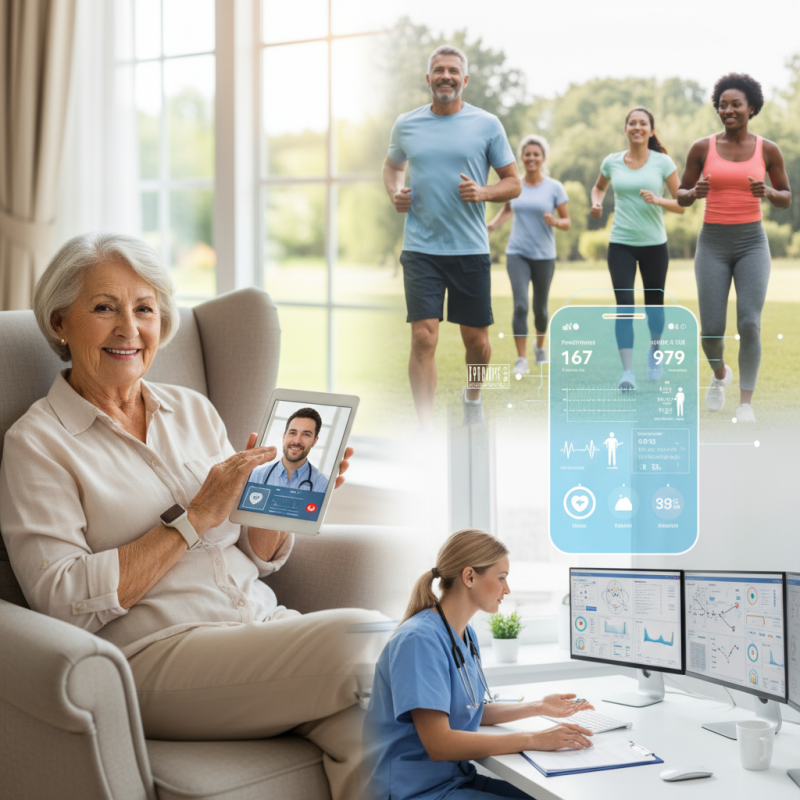
In recent years, healthcare has evolved rapidly, emphasizing the importance of technology in patient care. Remote Patient Monitoring (RPM) is at the forefront of this transformation. But why is remote patient monitoring important? This approach allows healthcare providers to track patient health outside traditional settings. It enhances patient engagement and improves health outcomes. Patients can share data in real-time, which leads to timely interventions.

Moreover, RPM provides convenience for patients. They can manage chronic conditions without frequent hospital visits. This approach saves time and reduces travel costs. However, reliance on technology poses challenges. Not everyone is comfortable using digital tools. Some patients may feel isolated or disconnected. These factors highlight the need for a balanced approach in implementing RPM.

Ultimately, understanding the significance of RPM requires exploration of both its benefits and limitations. By examining these aspects, healthcare professionals can better integrate RPM into care strategies. This ensures that technology enhances, rather than replaces, the human element of healthcare. The goal should always be to provide comprehensive and compassionate care to all patients.
Why is Remote Patient Monitoring Essential for Effective Care?

The Growing Importance of Remote Patient Monitoring in Healthcare

Remote patient monitoring (RPM) has become a vital part of healthcare. It allows doctors to track patients' health data in real-time. This system benefits those with chronic illnesses. Patients can send vital signs daily. This helps healthcare providers respond quickly to any issues. As a result, timely interventions can be made that prevent complications.


Incorporating RPM can enhance the doctor-patient relationship. Patients feel more engaged in their care. Health professionals can provide personalized advice instantly. However, it is crucial to have proper training for both parties. Doctors must understand the technology. Patients need guidance on using devices effectively. This learning curve is essential for successful implementation.


Tips for using RPM effectively include setting clear health goals. Patients should know what metrics to watch and why. Regular check-ins with healthcare providers can also reinforce adherence. Sometimes, technology can be tricky. Patients may face challenges like device malfunctions or incorrect data. Open communication is key to overcoming these hurdles.

Key Benefits of Remote Patient Monitoring for Chronic Disease Management

Remote Patient Monitoring (RPM) is transforming chronic disease management. A recent report by the American Telemedicine Association indicates that RPM can reduce hospitalizations by 32%. This technology allows healthcare providers to continuously track patient data, enhancing their ability to manage conditions like diabetes and heart disease. With real-time insights, healthcare teams can adjust treatments based on actual trends rather than waiting for scheduled appointments.

Patients benefit directly from RPM systems. Continuous monitoring helps identify potential health risks early. A study published by the National Institutes of Health found that 86% of patients with chronic illnesses felt more engaged in their care thanks to RPM. This increased engagement often leads to better adherence to treatment plans. However, challenges remain, such as ensuring the reliability of the devices used and the accuracy of the data collected.

**Tips:** Choose a monitoring device that fits your lifestyle. Regularly review the data to track your progress. Communicate with your healthcare provider about any concerns. Remember, effective usage of RPM can empower you to take control of your health, but ongoing dialogue with your care team is essential for optimal outcomes.

Benefits of Remote Patient Monitoring for Chronic Disease Management

Impact of Remote Patient Monitoring on Patient Engagement and Satisfaction

Remote patient monitoring (RPM) significantly enhances patient engagement and satisfaction. It empowers individuals to take control of their health. Patients can track vital signs in real-time. This constant feedback encourages them to be more proactive.

Many studies show that RPM improves communication between patients and healthcare providers. Patients feel more connected. They appreciate the timely check-ins and personalized advice. This interaction fosters trust. However, some patients may feel overwhelmed by the technology. The learning curve can be steep. It's essential to provide adequate support and training.

The data collected through RPM gives healthcare providers valuable insights. This leads to better-informed treatment decisions. Patients often report feeling more satisfied with their care. Yet, not all patients are equally comfortable with digital tools. Addressing the individual needs of each patient is crucial. Understanding their concerns can enhance the overall experience. Encouraging patient feedback helps refine RPM practices.

Statistical Evidence Supporting Cost-Effectiveness of Remote Monitoring

Remote patient monitoring (RPM) is gaining attention for its cost-effectiveness in healthcare. Studies show that RPM can save approximately 50% of hospital readmission costs. With effective oversight, clinicians can detect issues early, minimizing complications. This proactive approach often reduces hospitalization duration as well.

Data highlights that RPM can lower patient costs overall. Patients engaged in monitoring show improved medication adherence and lifestyle changes. Enhanced communication via RPM leads to better health outcomes. For instance, a diabetes patient using RPM technology can easily track their glucose levels. This access to real-time data encourages timely intervention.

Tips for effective RPM implementation:

  • Start with patient education. Teach patients how to properly use monitoring devices.
  • Regular check-ins can help them feel supported.
  • Integrate RPM data into electronic health records (EHR) to enhance continuity of care but require reliable systems.
  • Remain flexible: Not all patients respond the same; adapt strategies based on their unique needs.
  • Continually reassess the technology’s impact on patient health and satisfaction.

Technological Advancements Driving Remote Patient Monitoring Adoption

Technological advancements are reshaping healthcare, especially through remote patient monitoring (RPM). Devices like wearables track vital signs in real-time. This data helps doctors make informed decisions. Remote monitoring reduces hospital visits, easing patient stress. Patients can stay at home while receiving care.

Artificial intelligence plays a key role in RPM. Algorithms analyze health data quickly. They can alert healthcare providers to changes that need attention. However, healthcare professionals need to interpret these alerts carefully. Misinterpretation can lead to unnecessary anxiety for patients. Training and clear communication remain vital.

Accessibility is an ongoing challenge in RPM. Not all patients are tech-savvy. Some may struggle with device setup. This highlights the need for clear instructions and support. Despite progress, disparities in technology access may widen the healthcare gap. The focus should be on combining innovation with user-friendly solutions.

FAQS

: What is Remote Patient Monitoring (RPM)?

: RPM is a technology that allows continuous tracking of patient health data. It is especially useful for chronic disease management.

How does RPM benefit patients with chronic illnesses?

RPM helps patients feel more engaged. They can monitor their conditions in real-time, improving their adherence to treatment plans.

What statistical evidence supports RPM’s effectiveness?

RPM can reduce hospitalizations by 32%. It also saves around 50% of hospital readmission costs, according to various studies.

Why is communication important in RPM?

Effective communication fosters trust between patients and healthcare providers. It allows for timely check-ins and personalized advice.

What challenges do patients face with RPM?

Some patients may struggle with the technology. The learning curve can be steep, and support is vital for better outcomes.

How can patients ensure they are using RPM effectively?

Patients should choose devices that fit their lifestyle. Regularly reviewing their data and communicating with healthcare providers is essential.

What role does patient feedback play in RPM?

Encouraging feedback allows healthcare teams to understand individual needs. This can refine RPM practices and enhance patient experiences.

How can RPM impact healthcare costs overall?

RPM may lower overall patient costs by improving medication adherence and enabling early detection of health issues.

What is a crucial tip for implementing RPM?

Start with patient education on using monitoring devices. Regular support can help maximize the benefits of RPM technologies.

Is it normal for some patients to feel overwhelmed by RPM?

Yes, feeling overwhelmed is common. It's essential to provide adequate training and adjust strategies based on individual comfort levels.

Conclusion

Remote patient monitoring (RPM) is increasingly recognized as a vital component of modern healthcare, particularly in managing chronic diseases. By enabling real-time tracking of patients' health metrics, RPM enhances care quality and facilitates timely interventions, thereby addressing the question of why remote patient monitoring is important. Its benefits include improved patient engagement and satisfaction, which stem from increased access to healthcare providers and personalized care plans.

Moreover, statistical evidence supports the cost-effectiveness of remote monitoring, showing reductions in hospital readmissions and overall healthcare costs. The growing adoption of advanced technologies has further propelled RPM's integration into healthcare systems, making it easier for patients and providers to collaborate in managing health outcomes. As the landscape of healthcare continues to evolve, the significance of RPM in delivering effective, patient-centered care cannot be overstated.

Sophia

Sophia

Sophia is a dedicated marketing professional with an exceptional depth of knowledge about her company's products and services. With a keen understanding of market trends and customer needs, she crafts insightful blog posts that not only inform but also engage readers, enriching the company’s online......