Is Remote Patient Monitoring Covered by Insurance?

Time:2026-11-24 Author:Aria
0%

Is remote patient monitoring covered by insurance? Often, it can be, but coverage depends on your health plan, the service, and how care is delivered. Remote patient monitoring may involve a clinician reviewing data from a connected blood pressure cuff, glucose meter, or weight scale. A device alone does not guarantee payment. The plan may have rules about eligible conditions, clinician oversight, patient consent, and how often readings are reviewed.

The details matter. One patient’s plan may cover monitoring for a chronic condition, while another may face cost sharing or find that a particular service is excluded. Medicare and private insurers can apply different requirements, and those rules may change. Before starting, ask your insurer and care team whether the program is covered, what codes or services may be billed, and whether deductibles or copayments apply. Get the answer in writing when possible. A short phone call can still leave gaps.

This guide explains what to check, which questions to ask, and why coverage decisions vary. It is not a guarantee of payment or a substitute for your plan’s current benefit documents. Insurance language can be confusing. Even careful readers may miss a detail. Review the terms with your insurer or clinician before relying on an estimate, especially if monthly device or monitoring fees are involved.
Is Remote Patient Monitoring Covered by Insurance?

What Remote Patient Monitoring Includes

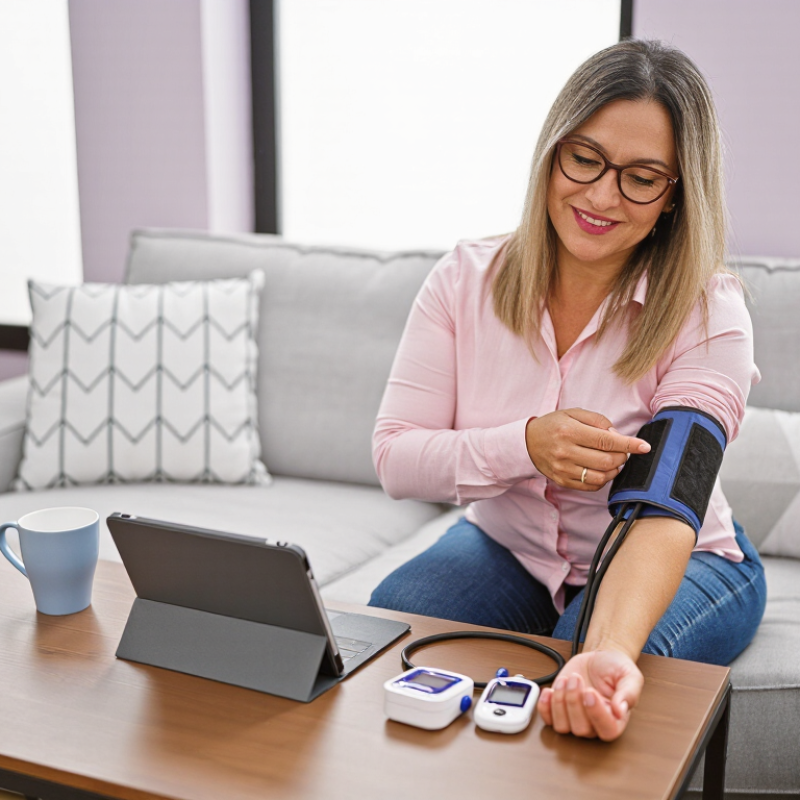
Remote patient monitoring (RPM) uses connected devices to collect health readings while a person is at home. The equipment depends on the condition being monitored. It may include a blood pressure cuff, scale, glucose meter, or pulse oximeter. Some setups send readings through a phone app; others use a separate hub. That is the basic kit.

RPM also includes people and follow-up. A care team may review readings, look for changes, and contact a patient when a result needs attention. Patients might receive instructions on when and how to take measurements, such as sitting quietly before using a blood pressure cuff. The routine matters. A rushed reading can be less useful, and remembering daily measurements is not always easy. That handoff can be clumsy.

Insurance coverage may depend on the plan, the patient’s needs, and how the service is delivered. Coverage rules and out-of-pocket costs can differ, even when the same type of device is used. Ask the insurer whether the monitoring service, equipment, and clinical review are covered. The provider’s office can also explain what participation involves, including how often readings must be sent and who reviews them. A device alone does not describe the whole service.

How Insurance Coverage for Remote Patient Monitoring Works

Remote patient monitoring (RPM) coverage depends on the insurer, the patient’s plan, and the service being billed. Medicare Part B may cover RPM when it is medically necessary and provided by an eligible clinician. CMS’s 2024 Physician Fee Schedule sets specific billing thresholds: for one common device-supply code, readings generally must be collected on at least 16 days within a 30-day period. A separate care-management service generally requires at least 20 minutes of clinical work in a month, including interactive communication with the patient.

Those numbers matter.

A blood pressure cuff sending readings is not enough by itself. The clinician may need to document the patient’s condition, explain how to use the device, review the readings, and record follow-up care. Coverage is not automatic. Commercial plans can use different rules, require prior authorization, or apply deductibles and copays. Patients should ask whether their plan covers both the device and ongoing monitoring, and whether out-of-pocket costs apply. CMS’s fee schedule explains Medicare billing rules, but it does not determine every private plan’s benefits. The details can be frustratingly plan-specific. Check the current plan documents and confirm the billing codes with the clinician’s office before monitoring begins.

Which Insurance Plans May Cover Remote Patient Monitoring

Which Insurance Plans May Cover Remote Patient Monitoring

Several types of health insurance may cover remote patient monitoring, but coverage depends on the plan and the patient’s needs. In the United States, traditional Medicare may pay for certain monitoring services when its requirements are met. Medicare Advantage plans may offer coverage too, though their networks, approvals, and cost-sharing can differ. Some Medicaid programs cover remote monitoring, but rules vary by state. Private employer and individual plans may also include it.

The details matter. A plan may require a clinician to order monitoring for a specific health concern, such as tracking blood pressure or blood glucose at home. It may also require approved equipment, regular data transmission, and clinical review. Coverage for the device does not always mean every related service is covered. A monthly app fee or internet costs, for example, may remain the patient’s responsibility.

Before starting, ask the insurer whether remote monitoring is covered for the relevant diagnosis and which services are included. Check for referral or prior-authorization rules, network restrictions, and copayments. Ask the clinic how often readings must be sent and reviewed. These questions can feel tedious. Still, a written estimate may prevent a surprise bill. Coverage policies change, and even similar plans can treat the same service differently.

Is Remote Patient Monitoring Covered by Insurance? — Which Insurance Plans May Cover Remote Patient Monitoring

In the United States, remote patient monitoring (RPM) may be covered when it is medically appropriate and the plan’s billing and documentation requirements are met. Coverage, patient costs, and eligibility vary by insurer, state, plan, and service.

Insurance plan type How RPM may be covered Common requirements or considerations What to verify
Original Medicare Medicare Part B may cover eligible RPM services when furnished and billed according to current Medicare rules. Services generally need to be medically necessary and provided under an appropriate clinician’s care. Applicable billing rules may include device, data-transmission, time, and documentation requirements. Whether the service is covered for the patient’s condition, any Part B deductible or coinsurance, and whether supplemental coverage may help with cost-sharing.
Medicare Advantage These plans must cover Medicare Part A and Part B benefits, including eligible services covered under Medicare rules; plan processes and costs can differ. Network participation, referrals, prior authorization, and plan-specific cost-sharing may apply. The plan’s evidence of coverage, in-network provider requirements, authorization rules, and estimated out-of-pocket costs.
Medicaid Coverage may be available, but Medicaid benefits and RPM policies are determined by each state and may differ across programs. State rules may specify eligible conditions, providers, devices, service limits, documentation, or prior authorization. The state Medicaid agency or managed-care plan’s current telehealth and RPM policy, including any member cost-sharing.
Employer-sponsored or individual commercial insurance Some plans cover RPM services, while others may restrict coverage or apply specific clinical and billing criteria. Coverage may depend on the plan contract, medical-necessity criteria, provider network, and any authorization requirements. The member’s benefit documents and the insurer’s current RPM policy; confirm whether device, setup, monitoring, and communication services are covered.
Self-funded employer health plan Coverage is determined by the employer’s plan terms and may differ from other commercial plans administered by the same insurer. Plan-specific exclusions, clinical criteria, network rules, and authorization processes may apply. Ask the plan administrator or benefits team to confirm the applicable benefit and member responsibility.
Workers’ compensation RPM may be considered when it is related to an accepted work injury and authorized under the applicable workers’ compensation rules. Coverage depends on jurisdiction, claim status, medical necessity, and authorization by the responsible payer or claims administrator. Confirm authorization and billing instructions before services begin.
Common billing context: RPM claims may involve services for device setup and patient education, supplying a qualifying connected device and collecting data, and clinical monitoring or management. Medicare billing commonly uses CPT codes 99453, 99454, 99457, and 99458 when applicable; code rules and payer policies can change. Coverage is not guaranteed by a code alone. Patients should confirm benefits, authorization, provider network status, and likely costs with their plan before starting RPM.

Eligibility Rules and Covered Monitoring Services

Remote patient monitoring (RPM) coverage depends on your insurer, plan, diagnosis, and the service being billed. A clinician usually needs to determine that monitoring is medically necessary and relevant to an ongoing condition. Examples may include tracking blood pressure for hypertension or blood glucose for diabetes. A device must meet the plan’s requirements; a general-purpose smartwatch may not qualify.

Details matter. Some plans require prior authorization, an established clinician relationship, or evidence that readings are transmitted regularly. Medicare and commercial plans can apply different billing rules, while Medicaid coverage varies by state. Ask your insurer whether the specific device, setup, and monitoring visits are covered, and whether you will owe a copayment or deductible. Get the answer in writing when possible.

Covered services may include device setup, instructions, review of transmitted readings, and clinician follow-up when results call for action. Coverage is not automatic just because a device records data. Keep a log of readings and save relevant messages or bills; these can help clarify a denial. The rules can feel oddly specific, and even a careful clinic may need to check your plan’s latest policy.

How to Verify Coverage, Costs, and Billing Requirements

Remote patient monitoring may be covered, but coverage is not automatic. Your plan, diagnosis, clinician, and service details can affect payment. Call the number on your insurance card and ask whether monitoring is covered for your specific condition. Request the answer in writing, including any prior authorization requirements. A representative’s estimate is helpful, but it is not a guarantee of payment.

Ask the clinic which services it plans to bill, such as device setup, reviewing readings, or time spent communicating with you. Billing requirements can vary by plan and may include medical-necessity rules, eligible clinicians, or minimum data and time thresholds. Confirm that the clinic participates in your plan and can meet its requirements. Small details matter. A missing authorization or incomplete record may affect a claim.

Before starting, ask for an estimate of your deductible, copayment, or coinsurance, and whether the device is included or billed separately. Check how often charges may appear and what happens if you stop using the service. Keep notes of calls, dates, and representative names, and save written messages. Even after careful checking, the final decision may depend on how the claim is processed. That uncertainty is frustrating, but asking specific questions can make potential costs clearer.

Is Remote Patient Monitoring Covered by Insurance?

Coverage depends on your health plan, eligibility, and billing rules. These selected Medicare Part B RPM thresholds are useful points to verify—not a guarantee of coverage or payment.

Before starting: Ask your insurer whether RPM is covered, which codes and devices are accepted, whether prior authorization or in-network providers are required, and what deductible, copayment, or coinsurance may apply. Thresholds and payment rules can change; confirm current requirements with your payer and billing provider.

FAQS

Which insurance plans may cover remote patient monitoring?

Public, state-administered, employer, and individual plans may cover it. Coverage depends on the specific plan and medical need.

What health conditions might qualify for monitoring?

A clinician may recommend tracking an ongoing condition, such as high blood pressure or diabetes. The reason must be relevant to your care.

Does owning a monitoring device mean the service is covered?

No. A general-purpose smartwatch may not meet a plan’s requirements. The device may need to transmit readings for clinical review.

Can plans require approval before monitoring begins?

Yes. Some plans require prior authorization, a referral, or an established relationship with a clinician. Check before starting.

Which parts of remote monitoring might be covered?

Coverage may include device setup, instructions, review of readings, and follow-up. A device alone does not guarantee coverage for every service.

Could I still have out-of-pocket costs?

Yes. Copayments, deductibles, app fees, and internet costs may apply. Ask which charges are included.

How often might I need to send readings?

The clinic may set a schedule based on your plan and care needs. Ask how often readings must arrive and be reviewed.

What should I do if coverage details are unclear?

Ask the insurer and clinic about the diagnosis, device, approvals, network rules, and expected costs. Request a written estimate. The paperwork can feel tedious, but guessing may be worse.

Do coverage rules stay the same across plans?

No. Rules can vary by insurer, state, and plan, and policies may change. Keep reading logs and save bills or messages. A careful clinic may still need to check.

Conclusion

Is remote patient monitoring covered by insurance? In many cases, coverage may be available, but it depends on the patient’s plan, medical needs, and the services provided. Remote patient monitoring can include connected devices that collect health measurements, the secure sharing of those readings with a care team, and ongoing review or follow-up. Coverage may differ among public and private insurance plans, and not every device or monitoring service is necessarily included.

Eligibility often depends on whether monitoring is medically appropriate, whether a healthcare professional orders or oversees it, and whether the patient meets the plan’s requirements. Before starting, patients should contact their insurer and care provider to confirm covered services, participating providers, authorization rules, and any limits on monitoring. They should also ask about deductibles, copayments, coinsurance, device charges, and billing frequency. Checking these details in advance can help clarify likely costs and reduce unexpected bills.

Aria

Aria

Aria is a dedicated marketing professional with a deep passion for innovative strategies and a keen understanding of our company's product offerings. With a wealth of experience in the industry, Aria excels at crafting engaging content that highlights the unique features and benefits of our......