How Accurate Is Remote Patient Monitoring?

Time:2026-11-03 Author:Charlotte
0%

How accurate is remote patient monitoring? The honest answer depends on the device, the measurement, and the person using it. A home blood-pressure cuff can produce useful trends, while a wrist sensor may miss changes that require clinical attention. One accuracy score cannot describe every device or patient.

The FDA warns that pulse oximeter readings can be affected by factors such as circulation, skin temperature, and skin pigmentation. A 2020 study in The New England Journal of Medicine found occult hypoxemia in 11.7% of measurements for Black patients, compared with 3.6% for White patients, despite similar displayed oxygen levels. That finding concerned specific hospital data, not every home monitor. Still, it shows why a neat number on a screen is not always the whole story. Small differences matter.

Digital-health expert Dr. Joseph Kvedar has said, “We have to move from a system of sick care to a system of health care.” Remote monitoring may support that shift, but reliable care also needs validated devices, clear instructions, and clinician review. A loose cuff, cold fingers, or a missed upload can change what a care team sees. The evidence is promising, but not perfect. This introduction examines how accurate is remote patient monitoring across common measurements, what can weaken its readings, and how patients and clinicians can interpret results carefully. A reading is information—not a diagnosis.
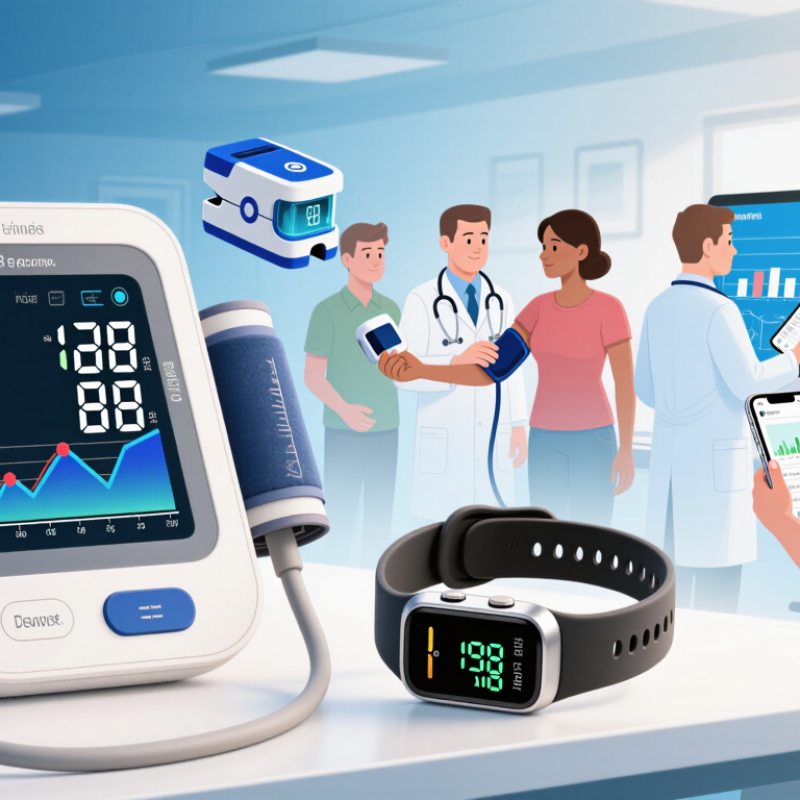
How Accurate Is Remote Patient Monitoring?

Defining Accuracy in Remote Patient Monitoring

Accuracy in remote patient monitoring is not one number. It describes how closely a device’s reading matches a trustworthy reference measurement. A pulse reading, blood pressure value, and oxygen level each need separate evaluation. The reference must also be taken under comparable conditions. A clinic measurement hours apart may not explain a home reading taken after climbing stairs.

Agreement is only part of the picture. Repeatability asks whether the device gives similar results when conditions stay steady. Completeness tracks whether readings arrive consistently, while timeliness shows whether they reach care teams soon enough to matter. Small details count: a loose sensor, cold fingers, movement, or an incorrectly positioned cuff can shift a result. Real homes are not controlled laboratories.

Performance should be checked across different users, routines, and signal conditions, not just in ideal testing. A device may work well for one person and less reliably for another. That gap deserves attention. Clinicians also need to interpret trends alongside symptoms and other measurements, rather than treating every isolated reading as fact. Even a technically accurate reading can mislead when its context is missing. A missed measurement is not the same as a normal one.

How Accurate Is Remote Patient Monitoring? — Defining Accuracy

Accuracy means how closely a device’s readings agree with a suitable reference measurement. For automated blood pressure monitors, ISO 81060-2:2018 validation criteria include a mean difference no greater than 5 mmHg and a standard deviation no greater than 8 mmHg.

These are validation limits for a specific type of blood pressure monitor, not a guarantee of any individual reading or a measure of every remote-monitoring device. Accuracy depends on the device, measurement technique, and comparison reference.

How Remote Monitoring Data Is Collected and Validated

Remote patient monitoring is only as useful as the measurements behind it. Data may come from a blood pressure cuff, thermometer, scale, or wearable sensor. Each device captures a specific signal, not a complete picture of someone’s health. A loose cuff, cold hands, or movement during a reading can distort results. Small details matter.

Reliable programs check how devices perform against established measurement methods and follow manufacturer instructions for setup and maintenance. Readings also need context: staff may review unexpected changes, compare trends with earlier measurements, and ask patients to repeat a result when appropriate. Data transmission checks help identify missing timestamps or incomplete uploads. Still, a clean-looking dashboard does not guarantee an accurate reading. Devices and people can both make mistakes, and validation cannot remove every source of uncertainty.

Tips: Sit quietly before taking a reading, use the device as instructed, and keep it positioned correctly. Record symptoms or unusual circumstances alongside measurements. If a number seems surprising, repeat it after checking your technique, then contact your care team when advised. These small steps help, but they are not foolproof.

Factors That Influence Measurement Accuracy

Remote patient monitoring accuracy depends on more than the device itself. Fit, placement, setup, and daily habits all matter. A blood pressure cuff worn over a sleeve may give a different result from one placed on bare skin. A loose sensor can also shift during movement. Small details matter.

The person taking the measurement matters, too. Cold fingers, nail coverings, or hand movement can affect a pulse oximeter reading. Speaking, crossing the legs, or measuring right after climbing stairs may influence a blood pressure result. Follow the care team’s instructions, and note unusual conditions rather than quietly repeating readings until one looks reassuring. That can hide useful information.

Device quality and maintenance play a role. Damaged cuffs, low batteries, and sensors that need cleaning can reduce reliability. Readings may also vary naturally with stress, medication timing, and changes in health. Trends are often more informative than one isolated number, but they are not automatically accurate. I would treat remote readings as helpful evidence, not a perfect substitute for clinical judgment. If results conflict with symptoms or seem persistently unusual, contact a healthcare professional.

Accuracy Across Common Devices and Health Conditions

Remote patient monitoring is not equally accurate across devices or conditions. A home blood-pressure cuff can provide useful readings when it fits properly and the user rests quietly for five minutes. A cuff that is too small, or an arm held below heart level, can distort results. Small details matter.

Pulse oximeters may be less dependable when fingers are cold, circulation is poor, or movement disrupts the sensor. Readings can also differ from a person’s true oxygen level, so symptoms matter alongside the number. Wearable devices can flag unusual heart rhythms, but a brief alert is not a diagnosis. For diabetes, continuous glucose sensors are useful for spotting patterns, yet readings may lag behind blood glucose, especially during rapid changes. Trends help. One reading rarely tells the whole story.

Tips: Follow the device instructions, keep a simple log, and note symptoms or unusual conditions, such as exercise or cold hands. Bring repeated readings to a clinician and compare them with measurements taken during an appointment. Even a careful routine can drift; that is easy to overlook. Don’t wait for a device reading to seek help for severe or worsening symptoms.

How Accurate Is Remote Patient Monitoring? — Accuracy Across Common Devices and Health Conditions
Health condition Common remote-monitoring device Evidence-based accuracy benchmark What can affect accuracy How to interpret the result
High blood pressure Automated upper-arm blood pressure monitor Under the ISO 81060-2:2018 validation protocol, a device must meet specified population-level criteria, including a mean difference from reference of no more than 5 mmHg and a standard deviation no more than 8 mmHg. Incorrect cuff size or placement, unsupported posture, talking, recent exercise, and a single reading rather than repeated measurements. The validation limits describe performance across a study group, not a guaranteed error margin for every individual reading. Use a validated device and follow a consistent measurement procedure.
Low blood oxygen Fingertip pulse oximeter FDA guidance uses an accuracy benchmark of an Arms value of 3% or less for certain medical pulse oximeters over the 70%–100% saturation range. Arms is a population-level measure of error, not a promise that every reading is within 3 percentage points. Movement, cold hands or poor circulation, nail products, skin pigmentation, device quality, and readings near or below the device’s validated range. A pulse-oximeter reading is an estimate and should be interpreted alongside symptoms and clinical advice. Consumer devices may not have the same testing or oversight as medical devices.
Diabetes and glucose management Continuous glucose monitor (CGM) Many current-generation CGMs report a mean absolute relative difference (MARD) of roughly 8%–12% in pivotal studies. MARD varies by device and study; it is an average comparison with a reference method, not the expected error for every reading. Rapid glucose changes, sensor warm-up, sensor placement, compression during sleep, and differences between glucose in interstitial fluid and blood. CGMs are useful for tracking trends and time in range. Follow the device’s instructions for symptoms or readings that do not match how the person feels; confirmatory testing may be needed.
Atrial fibrillation (AF) Single-lead wearable ECG There is no single accuracy figure that applies to all wearable ECG devices and algorithms. Performance depends on the specific algorithm and whether the recording is interpretable; published studies report different sensitivity and specificity estimates. Motion, poor electrode contact, short recordings, other heart rhythms, and automated classification limits. A wearable ECG can flag a rhythm for clinical review but does not replace a diagnostic ECG or clinician assessment. An inconclusive or normal recording does not rule out AF.
Heart failure and fluid changes Connected digital weight scale There is no universal clinical accuracy benchmark for all home scales. Display resolution is not the same as measurement accuracy, and scale performance varies by model and surface. Scale placement, clothing, time of day, recent meals, and inconsistent weighing routines. Repeated measurements under similar conditions can help identify weight trends. Weight alone does not measure fluid overload or diagnose worsening heart failure; use the care team’s action thresholds.
Fever and temperature monitoring Digital contact or infrared thermometer Accuracy depends on the thermometer type and its validated operating range; there is no single benchmark that applies to all home temperature devices. Measurement site, technique, distance and positioning for infrared devices, ambient conditions, and recent hot or cold drinks for oral readings. Use the same measurement method consistently and follow its instructions. If a reading conflicts with symptoms or would change care, repeat it correctly or seek clinical guidance.

Key takeaway: Remote-monitoring accuracy is device-, condition-, and context-dependent. Validation results describe performance under specified study conditions; they do not guarantee an individual reading. Clinical decisions should consider measurement technique, repeated trends, symptoms, and professional guidance.

Reference basis: ISO 81060-2:2018 for automated non-invasive sphygmomanometer validation; FDA pulse-oximeter performance guidance; and published CGM pivotal-study reporting conventions. Benchmarks are summarized for context and are not endorsements of any device or brand.

How Clinicians Interpret and Improve Remote Monitoring Data

Remote patient monitoring does not produce a verdict; it produces clues. Clinicians interpret readings alongside symptoms, medical history, medications, and changes in daily routine. A blood pressure value taken after climbing stairs means something different from one recorded after five quiet minutes. Context matters.

They look for patterns rather than reacting to every isolated number. A week of rising morning readings may deserve attention. One unexpected value might reflect a loose cuff, cold hands, movement, or a missed measurement step. Small details matter. Clinicians also check whether devices are used consistently and whether home readings align with measurements taken during visits. If a result seems unusual, repeating it correctly or comparing it with an in-clinic reading can clarify the picture.

Better data starts with practical habits: measure at a similar time, follow device instructions, sit still, and note symptoms or relevant changes. Care teams can ask how readings were taken, review gaps, and explain which changes warrant contact. These routines are not perfect. People forget, devices can misread, and too many alerts may hide meaningful trends. A concerning pattern may still need clinical verification before a care plan changes.

FAQS

What does accuracy mean in remote patient monitoring?

It describes how closely a device reading matches a trustworthy reference measurement. A blood pressure reading and an oxygen reading need separate checks.

Does one accurate reading prove a device is reliable?

No. Repeatability, complete uploads, and timely delivery also matter. One good result is not enough.

What can affect a home measurement?

A loose cuff, cold fingers, movement, or poor sensor placement can shift a result. Small details matter.

How should a surprising reading be checked?

Check your position and technique, then repeat the measurement when appropriate. If advised, contact your care team.

Why does context matter when reviewing readings?

Symptoms, earlier measurements, and recent activity can change what a number means. A reading after climbing stairs may not compare well with one taken at rest.

Does a complete dashboard guarantee accurate data?

No. Missing timestamps or uploads may be detected, but a clean dashboard cannot confirm every measurement is correct.

Should clinicians rely on a single reading?

They should consider trends alongside symptoms and other measurements. An isolated number can mislead when context is missing.

Are home monitoring devices equally reliable for everyone?

Not always. Performance can vary across users, routines, and signal conditions. That gap deserves attention.

Conclusion

How accurate is remote patient monitoring depends on what is measured, how the device is used, and how the resulting data is reviewed. Accuracy means more than a reading that appears precise: measurements should be consistent and useful for understanding a person’s health. Data may be collected through home-use devices and transmitted for review, with validation involving checks for completeness, reliability, and readings that seem inconsistent with a patient’s usual pattern.

Several factors can affect results, including device quality, correct placement and technique, calibration, movement, connectivity, and individual differences. Accuracy also varies by device type and health condition, so readings should be interpreted in context rather than treated as definitive on their own. Clinicians can improve the value of remote monitoring by comparing trends with symptoms and other clinical information, checking unusual results, and guiding patients on proper measurement practices. Used thoughtfully, remote data can support care, while still requiring professional judgment and confirmation when needed.

Charlotte

Charlotte

Charlotte is a seasoned marketing professional with a deep understanding of the company's portfolio and a passion for elevating its presence in the market. With a keen eye for detail and a commitment to excellence, she ensures that our professional blog is regularly updated with insightful articles......