As healthcare rapidly evolves, remote monitoring solutions have gained prominence. These technologies offer a way to keep patients engaged and improve outcomes. However, navigating this landscape can be challenging. Providers often wonder what should healthcare providers look for in remote monitoring solutions to maximize benefits for both patients and practices.
A reliable remote monitoring system should prioritize patient data security. With increasing concerns over privacy, ensuring robust encryption methods is essential for gaining trust. Additionally, ease of use plays a critical role. Both patients and healthcare professionals need intuitive interfaces to facilitate smooth interactions. Yet, it's common to find solutions that fail in this regard, leading to frustration and disengagement.
Furthermore, integration with existing systems is vital. Clinicians benefit when new tools complement their current workflows. Solutions lacking compatibility can disrupt operations, causing delays and inefficiencies. Therefore, assessing these factors is crucial. Each consideration contributes to the overall effectiveness of remote monitoring. It is clear that not every available option will suit all needs. Reflecting on these aspects can guide healthcare providers toward informed decisions.
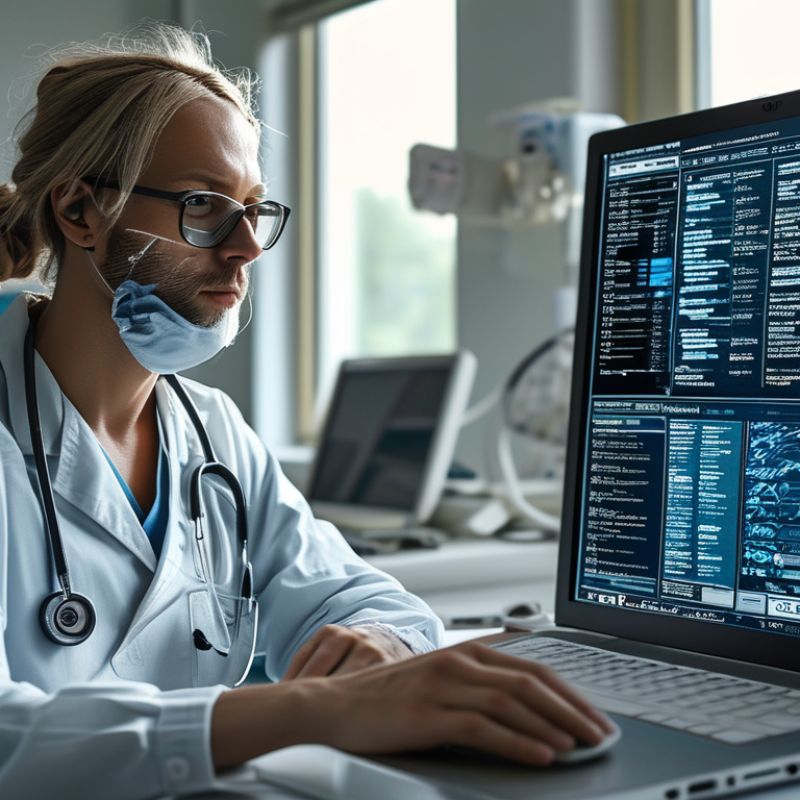
Remote monitoring technologies can enhance patient care, but various factors affect their effectiveness. One key consideration is patient engagement. Without active participation, even the best technology may underperform. Healthcare providers need strategies to motivate patients. Training sessions and clear communication can make a significant difference.
Another important factor is data accuracy. Accurate readings are vital for effective remote monitoring. Providers must ensure that devices are reliable and regularly maintained. Training staff to troubleshoot common issues can prevent data inconsistencies. However, this area often lacks focus, leading to potential misinterpretations of patient health.
Integration with existing health systems is also crucial. Without seamless connections, crucial data might be lost. Providers should seek solutions that facilitate interoperability. Challenges in technology adoption can create gaps in patient care. Balancing innovation with realistic implementation strategies can ensure more effective remote monitoring systems.
Remote patient monitoring (RPM) offers significant benefits. Healthcare providers must assess various metrics to ensure success. Patient engagement is a crucial factor. High engagement levels can lead to better outcomes. Monitoring technology should be user-friendly. Complicated systems may deter patients. The ease of use elevates consistency in monitoring.
Clinical outcomes should be evaluated. Providers can track changes in patient health. Metrics such as reduced hospital readmission rates are vital. Gathering data over time helps understand the effectiveness of RPM solutions. It's essential to analyze the impact on chronic disease management. This insight can guide improvements.
Cost-effectiveness also demands attention. Providers need to assess the financial implications. Are the savings from decreased hospital visits significant? Patient satisfaction is another metric to consider. Feedback can illuminate areas for improvement. Some patients may feel uneasy with technology. Providers must ensure support is available. Balancing these metrics will strengthen RPM strategies and enhance patient care.
This chart displays the percentage of healthcare providers who consider various key metrics important for evaluating the success of remote monitoring solutions. The metrics include Patient Engagement, Cost Reduction, Clinical Outcomes, and Data Security.
Remote monitoring solutions in healthcare hold great promise, yet integration challenges persist. A significant barrier is the compatibility of these systems with existing healthcare IT. According to a report from the Healthcare Information and Management Systems Society (HIMSS), nearly 68% of healthcare organizations struggle to integrate new technology with legacy systems. This disconnect can lead to data silos, preventing comprehensive patient insights and quality care.
Data interoperability is a critical aspect of effective remote monitoring. A 2022 survey by the Office of the National Coordinator for Health Information Technology revealed that 40% of healthcare professionals identified data exchange issues as a primary concern. These challenges affect care coordination and result in fragmented patient experiences. When monitoring tools cannot seamlessly share data with electronic health records (EHRs), clinicians may miss vital information.
Moreover, security concerns complicate integration efforts. Many healthcare providers worry about data breaches as they adopt new technologies. The Ponemon Institute reported that over 60% of healthcare organizations experienced a data breach in the past two years. This ongoing threat calls for stringent cybersecurity measures alongside technology integration. Balancing efficient monitoring and patient data protection remains a complex dilemma in the healthcare landscape.
| Challenge | Description | Potential Solution |
|---|---|---|
| Data Interoperability | Different healthcare systems using varying data formats and protocols can hinder seamless data exchange. | Utilizing standardized data formats such as HL7 and FHIR can help facilitate better interoperability. |
| User Training | Healthcare providers often require training to effectively use new remote monitoring technologies. | Implementing comprehensive training programs and user-friendly interfaces can mitigate these issues. |
| Data Security | Remote monitoring solutions pose risks related to patient data breaches and cyberattacks. | Adopting strong encryption and secure data storage practices can enhance data security. |
| Real-time Data Processing | Delayed data transmission can affect the timeliness of patient care decisions. | Investing in robust infrastructure that supports real-time analytics can address this challenge. |
| Patient Engagement | Patients may struggle to engage with remote monitoring tools effectively. | Tailoring solutions to be user-friendly and providing support can enhance patient participation. |
In remote monitoring solutions, patient engagement is crucial for achieving optimal outcomes. Providers must cultivate a sense of ownership in patients regarding their health data. For example, using simple and clear interfaces can help patients track their vital signs. Interactive dashboards can turn complex information into easy-to-understand visuals, enhancing their understanding.
Moreover, communication strategies can make a significant difference. Regular check-ins through texts or calls remind patients of their goals. Creating virtual support groups encourages shared experiences among patients, fostering community. Personalization also plays a role; tailoring reminders or notifications based on individual needs increases engagement.
Healthcare providers need to reflect on the challenges in this journey. Some patients may feel overwhelmed by technology, while others might resist tracking their health. Balancing technology with human touch is necessary. Frequent feedback loops where patients voice their concerns should be integral to refining these solutions. Ultimately, understanding patient perspectives ensures a more effective monitoring experience.
Remote monitoring solutions have become essential in healthcare. However, data security and privacy remain critical concerns. Healthcare providers must focus on safeguarding sensitive patient information. Cyber threats are rising, making it imperative to adopt robust security measures.
Tips for ensuring data security: Utilize encryption protocols for data storage and transmission. Regularly update software to protect against vulnerabilities. Implement multi-factor authentication to enhance access security. These practices bolster trust between providers and patients.
It's vital to stay informed about evolving data regulations. Compliance with laws such as HIPAA is a must. Regular audits can help identify areas needing improvement. Providers should be prepared to address potential data breaches swiftly. A transparent policy builds patient confidence. Reflecting on these aspects can lead to better care outcomes and a more secure healthcare environment.
: High patient engagement leads to better health outcomes and compliance with monitoring schedules.
User-friendly monitoring technology encourages consistency. Complicated systems may deter patients from using them.
Providers should assess changes in patient health and reduced hospital readmission rates over time.
They should analyze savings from decreased hospital visits versus the costs of implementing RPM solutions.
Feedback from patients reveals areas for improvement and potential barriers to technology adoption.
Regular check-ins through texts or calls can keep patients focused on their health goals.
Tailoring reminders or notifications based on individual needs can help boost patient involvement in their care.
Some patients may feel overwhelmed or resistant to tracking their health, impacting compliance.
Creating virtual support groups fosters shared experiences and can enhance patient motivation and engagement.
Regular feedback loops that allow patients to voice concerns can guide improvements to the monitoring experience.
In the growing landscape of healthcare, remote monitoring solutions have emerged as a crucial tool for patient management. When considering these technologies, what should healthcare providers look for in remote monitoring solutions? Key factors influencing their effectiveness include the integration capabilities with existing healthcare IT systems, which present significant operational challenges. Additionally, evaluating key metrics for assessing the success of remote patient monitoring is essential, allowing for measurable outcomes in patient care.
Moreover, patient engagement strategies play a vital role in enhancing monitoring outcomes, ensuring that patients remain active participants in their healthcare journey. Finally, addressing data security and privacy concerns is paramount, as safeguarding sensitive information is crucial for maintaining trust in remote monitoring solutions. By thoroughly evaluating these dimensions, healthcare providers can make informed decisions that optimize patient care through effective remote monitoring practices.

Ocent Monitor