In recent years, the integration of artificial intelligence in healthcare has sparked interest and debate. One of the most transformative applications is in remote patient monitoring. Experts in the field, like Dr. Emily Harris, a renowned AI healthcare solutions researcher, emphasize the potential benefits. She states, “AI can turn data into actionable insights, enhancing patient care significantly.” Her words reflect a growing acknowledgment of the role AI plays in improving health outcomes.
How does AI improve remote patient monitoring? This question aims at uncovering the depth of AI's influence. By analyzing patient data in real-time, AI can help detect health deterioration before it becomes critical. Additionally, AI-driven solutions can personalize treatment plans, adjusting them based on a patient’s unique needs. However, the technology is not without challenges. Ensuring data privacy and establishing trust with patients remain crucial issues.
Continuous advancements in AI present a mixed outlook. While promising, they also raise questions about dependence on technology. As healthcare professionals increasingly rely on these tools, the importance of human oversight cannot be overlooked. The journey towards enhanced remote patient monitoring is ongoing, reflecting a blend of hope and uncertainty.
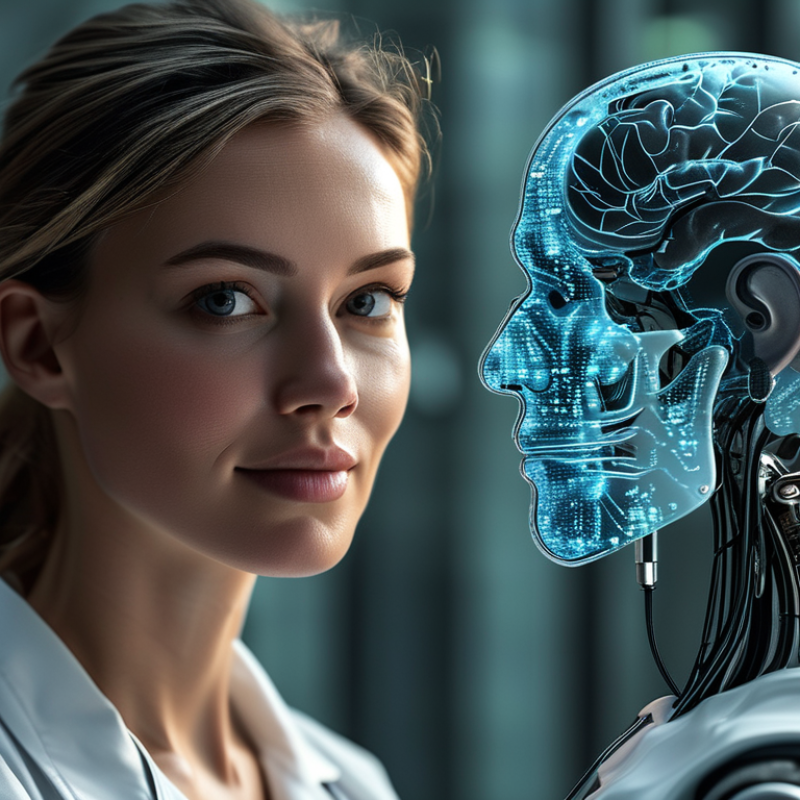
AI-Driven Data Analysis for Enhanced Patient Insights
AI-driven data analysis is transforming remote patient monitoring solutions. It allows healthcare providers to derive richer insights from vast amounts of data. According to a recent report from the Journal of Medical Internet Research, AI can enhance data accuracy by up to 90%. This capability helps clinicians make better decisions, improving patient outcomes.
With advanced algorithms, AI can identify patterns that humans might miss. For instance, it can analyze the heart rate trends of patients over time, predicting potential complications. A study conducted by the American Medical Association found that AI observation reduces hospitalization rates by 20%. However, the reliance on AI may raise concerns. Data privacy and technical errors can pose significant risks.
Moreover, while AI offers impressive analysis capabilities, it cannot replace the human touch in healthcare. Patients may feel anxious about the technology replacing personal interactions with their doctors. The balance between automation and empathy remains crucial. Continuous updates and training for healthcare professionals are necessary to ensure optimal use of AI tools.
Real-Time Monitoring through AI-Powered Wearable Devices
AI-powered wearable devices are revolutionizing remote patient monitoring. These devices provide real-time data, allowing healthcare providers to track vital signs continuously. For instance, a wearable can monitor heart rate, blood pressure, and oxygen levels throughout the day. This constant flow of information can alert doctors to potential health issues before they escalate.
However, this technology is not without its challenges. The accuracy of data is crucial. Sometimes, wearables may show discrepancies, leading to confusion in diagnosis. Patients must also be educated on using devices properly. Misunderstandings in how to wear or maintain the device can lead to incorrect readings.
Despite these hurdles, the potential of AI in enhancing patient care is significant. Many patients appreciate the immediate feedback provided by these devices. Real-time data allows for personalized treatment plans that adapt to individual needs. It creates a proactive approach to health management, encouraging patients to engage in their care actively. Care must be taken, though, to ensure these solutions remain reliable and effective as technology continues to evolve.
Predictive Analytics for Early Detection of Health Issues
Predictive analytics is transforming remote patient monitoring in remarkable ways. It enables healthcare providers to analyze data from various sources, identifying patterns that signal potential health issues. By examining patient data collected in real-time, AI algorithms can predict risks such as heart disease, diabetes, or respiratory complications. This early detection allows for timely interventions, improving patient outcomes.
However, the integration of predictive analytics isn’t without challenges. Data quality can vary significantly, affecting accuracy. Inconsistent data collection methods across different platforms can lead to unreliable predictions. Additionally, healthcare practitioners must understand AI’s limitations. Over-reliance on technology may result in overlooking essential human insights in patient care.
Despite these hurdles, the benefits of predictive analytics remain significant. It offers personalized insights, enabling tailored care plans that adapt to individual needs. By anticipating health issues, healthcare providers can focus their resources effectively, potentially reducing hospital admissions. The continuous evolution of these technologies presents exciting opportunities for enhancing patient safety and care quality while also raising critical questions about data security and ethical use.
Automated Alerts and Notifications for Proactive Care Management
Automated alerts and notifications are transforming remote patient monitoring. They offer timely interventions and improved compliance. A 2022 study found that 69% of patients adhered better when alerted via automated systems. These alerts serve as reminders for medication, upcoming appointments, or vital checks.
Proactive care management can reduce hospital admissions by 30% when coupled with automated alerts. These notifications allow healthcare providers to identify changes in a patient's condition swiftly. For instance, if a patient's blood pressure readings exceed normal limits, the system can alert the care team immediately. However, reliance on technology can lead to alert fatigue, which diminishes the overall effectiveness.
Healthcare professionals need to navigate these challenges carefully. The balance between automation and human oversight remains crucial. While automated systems can improve care coordination, they should complement clinical judgment, not replace it. This nuanced approach ensures that patients receive optimal care while preventing potential oversights in critical situations.
Top 10 Ways AI Enhances Remote Patient Monitoring Solutions
Improving Patient Engagement with AI-Based Communication Tools
In the era of digital health, AI is transforming remote patient monitoring. One major area is patient engagement. Traditional methods can feel impersonal and detached. AI-based communication tools can bridge this gap, making interactions more relatable and meaningful.
Personalized messaging is one feature that enhances engagement. For instance, AI can analyze patient data to send tailored reminders about medication or appointments. This makes patients feel valued and understood. Additionally, virtual health assistants can provide instant responses to common questions, reducing anxiety and encouraging proactive health management. Many patients will appreciate the quick access to information.
However, it is important to acknowledge challenges in AI communication. Some patients may feel overwhelmed by technology. A lack of tech-savviness can hinder their engagement. Ensuring accessibility and simplicity is crucial. Healthcare providers must focus on equipping patients with the tools and knowledge they need to benefit fully from these innovations. Balancing technology with human touch remains essential for a truly effective monitoring solution.
FAQS
Advanced algorithms identify unrecognized patterns in data. They can analyze heart rate trends to forecast potential issues.
Yes, they continuously track vital signs, alerting doctors early to any emerging health concerns.
Data accuracy can vary. Misinterpretations or device misusage may lead to incorrect health readings.
It analyzes real-time data to identify risks early, allowing for timely health interventions and better care.
AI cannot replace human interaction. There may be anxiety about technology overshadowing personal care.
Inconsistent data can lead to unreliable predictions, affecting patient care decisions significantly.
AI-powered tools encourage participation by providing immediate feedback and personalized health insights.
Data privacy and potential technical errors could pose risks, necessitating careful management and training.
Continuous training is crucial to balance technology usage with essential human insights in patient care.
Conclusion
Artificial Intelligence (AI) significantly enhances remote patient monitoring by providing advanced tools and insights that drive better health outcomes. By employing AI-driven data analysis, healthcare providers can gain deeper patient insights, which facilitates personalized care plans. Real-time monitoring through AI-powered wearable devices ensures continuous tracking of health metrics, allowing for swift interventions when necessary.
Moreover, predictive analytics plays a crucial role in early detection of potential health issues, enabling timely actions before conditions escalate. Automated alerts and notifications further contribute to proactive care management, ensuring that patients receive immediate attention when anomalies are detected. Lastly, AI-based communication tools improve patient engagement, fostering stronger relationships between patients and healthcare providers. Ultimately, understanding how does AI improve remote patient monitoring reveals a transformative shift towards more efficient, responsive, and personalized healthcare solutions.

 Ocent Monitor