Remote patient monitoring is changing how clinicians observe health beyond hospital walls. But how does remote patient monitoring work in daily practice? The answer begins with connected devices, reliable data, and thoughtful clinical review. A patient may measure blood pressure each morning, record glucose after meals, or wear a sensor during sleep. These readings travel through a secure app or monitoring platform. The care team then reviews trends, rather than relying only on one appointment.
Dr. Joseph Kvedar, a leading digital health physician and former president of the American Telemedicine Association, said, “The future of health care is virtual.” His observation explains RPM’s direction, but it should not promise perfection. Virtual care still depends on device accuracy, internet access, patient confidence, and clinician response. A missed reading may reflect fatigue, confusion, or a technical problem. It should not automatically suggest improvement.
This 2026 guide examines how does remote patient monitoring work across common conditions, including hypertension, diabetes, heart failure, and respiratory disease. It follows the patient’s journey from enrollment to device setup, data transmission, alert review, and follow-up care. You will also see what happens when a blood pressure value suddenly rises at 7:10 a.m., or when repeated glucose readings slowly drift upward. Those details matter. RPM is not simply “data collection.” It is a clinical workflow requiring trained professionals, clear escalation rules, privacy safeguards, and patient education. The technology can support earlier attention, yet it cannot replace medical judgment. Sometimes, the system needs improvement. That is an important part of honest evaluation.
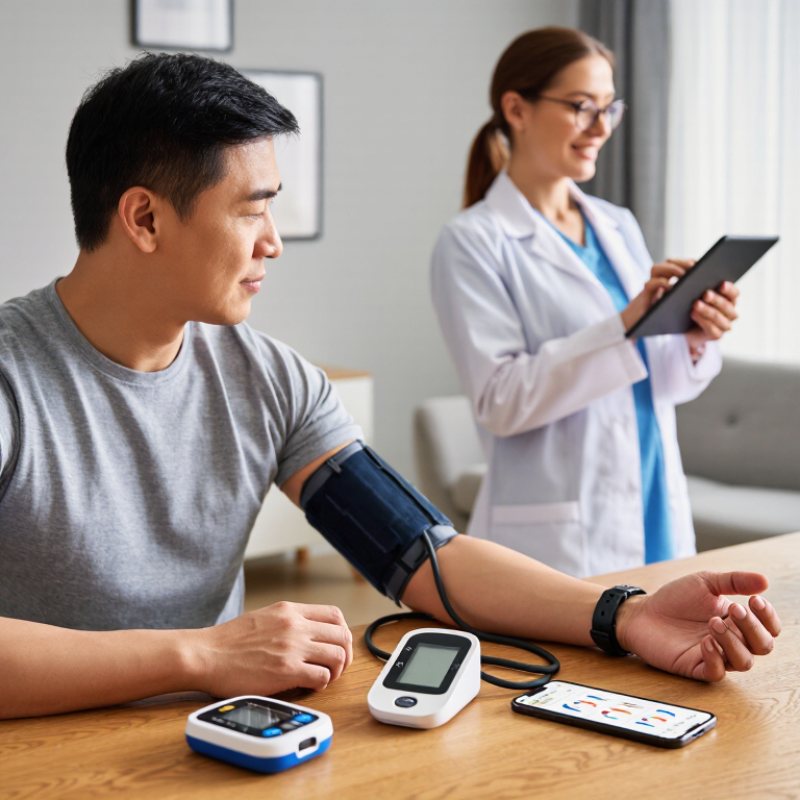
Remote patient monitoring in 2026 means collecting health information outside a clinic and turning it into timely clinical attention. A patient may use a connected blood pressure cuff, pulse oximeter, glucose meter, or weight scale at home. Readings travel through a secure health platform for review. The important change is not the device itself. It is the care pathway around the data.
A nurse or clinician sets a measurement schedule based on the patient’s condition, treatment plan, and ability to participate. Clear thresholds can flag repeated high readings, sudden weight gain, or falling oxygen levels. Staff then check the context before contacting the patient. A poor reading may reflect a loose sensor, a rushed measurement, or a real medical concern. Human judgment still matters. So does patient education.
Effective programs explain who reviews the data and when patients should expect a response. They protect information with access controls, secure transmission, and documented procedures. They also measure outcomes, such as fewer avoidable visits or faster treatment adjustments. Remote monitoring is useful, but it is not flawless. Some patients lack reliable internet, confidence, or quiet space. Ignoring those barriers can widen gaps in care. In 2026, responsible monitoring should combine practical technology with clinical accountability, informed consent, and honest limits.
Remote patient monitoring devices turn daily body signals into clinical data. Blood pressure cuffs measure systolic and diastolic pressure. Pulse oximeters estimate oxygen saturation and heart rate. Glucose meters record readings from a small blood sample. Scales capture weight changes that may signal fluid retention. Many devices send results through Bluetooth or cellular networks. The data then reaches a secure clinical platform.
Timing matters. Each reading receives a timestamp, device identifier, and patient record link. Software checks missing values, unusual changes, and repeated entries. Clinicians can review trends instead of isolated numbers. The FDA’s 2023 guidance on digital health technologies stresses data quality, patient safety, and reliable device performance. Poor technique can still distort results. A cuff over clothing may produce a misleading reading. Human behavior remains the weak link.
The need is substantial. The CDC’s National Diabetes Statistics Report 2024 estimates that 38.4 million Americans have diabetes. Regular home measurements can help clinicians identify deterioration earlier, especially between appointments. The American Medical Association’s 2022 Digital Health Study found that 93% of physicians viewed digital health tools as offering clinical advantages. That figure supports wider adoption, but it does not prove every device improves outcomes. More data is not automatically better data. Clear instructions, calibrated equipment, patient consent, and timely clinical review remain essential. Sometimes, the quiet missing reading matters most.
Illustrative 24-hour trend of remotely collected resting heart rate and blood oxygen saturation (SpO₂). Pulse oximeters commonly use optical sensors, while connected blood-pressure cuffs and thermometers transmit additional readings to a monitoring platform.
The example values are representative adult resting readings, not a clinical record. Resting heart rate is commonly referenced at 60–100 bpm, while SpO₂ is generally expected to be approximately 95–100% in healthy adults at sea level. Individual interpretation should be performed by a qualified healthcare professional.
2026 Best Remote Patient Monitoring: How Does It Work?
Remote patient monitoring begins at home. A patient measures blood pressure, glucose, oxygen saturation, weight, or heart rate. A connected device records each reading, time, and patient identifier. The data then travels through an encrypted mobile connection or home internet. It reaches a secure clinical platform for review.
The route is not always smooth. Weak signals can delay readings. Incorrect cuff placement can create false alerts. A 2023 report from the Office of the National Coordinator for Health Information Technology found that about seven in ten hospitals routinely exchanged health information across organizational boundaries. That progress matters, but exchange does not guarantee useful interpretation. Clinical teams still need clear thresholds, reliable timestamps, and patient context.
A monitoring nurse or physician reviews the incoming data. Stable readings may be logged automatically. Concerning trends can trigger a call, medication review, or an in-person appointment. The American Medical Association’s 2022 Digital Health Study reported that 93% of physicians saw advantages in digital health tools, while many remained concerned about workflow and data quality. That tension remains real. More data is not always better care. Patient notes, symptoms, missed readings, and daily circumstances must travel with the numbers. Otherwise, a quiet dashboard can hide a serious problem.
2026 Best Remote Patient Monitoring: How Does It Work?
Clinicians do not simply watch numbers appear on a screen. They review readings alongside symptoms, medical history, prescribed targets, and recent changes. A care team may check blood pressure, oxygen levels, weight, or glucose during a scheduled review. Context matters. A higher reading after activity may require a different response than repeated elevation at rest.
Review begins with data quality. Clinicians check whether the device was used correctly and whether several readings show the same pattern. If results look concerning, they may ask the patient to repeat the measurement, describe symptoms, or confirm recent medication changes. A single abnormal value rarely explains the whole situation. Still, delayed action can create risk. Clear escalation pathways help staff decide when to arrange a same-day consultation or contact the supervising clinician.
Responses should match the patient’s condition. Mild changes may lead to coaching about positioning, rest, hydration, or measurement technique. Worsening trends may require medication review, laboratory testing, or an in-person assessment. Severe symptoms require immediate local emergency care. Every decision should be documented, including attempted calls and patient instructions. The process is not flawless. Devices can lose connection, patients can forget readings, and alerts can be overlooked. Regular audits and honest review of missed signals can improve safety.
| Workflow Dimension | What Is Collected or Done | Typical Review Approach | Possible Clinical Response | Important Consideration |
|---|---|---|---|---|
| Patient Enrollment | A clinician confirms that the patient has a condition or monitoring need that can be assessed using connected devices or structured symptom reports. | The care team records baseline measurements, relevant medical history, medications, and the patient’s usual range. | The team establishes an individualized monitoring plan and explains when the patient should seek urgent help. | RPM supports clinical care but does not replace emergency services or an in-person assessment when needed. |
| Blood Pressure | Systolic pressure, diastolic pressure, pulse rate, measurement time, and sometimes symptoms such as dizziness or headache. | Clinicians review trends, repeated readings, medication timing, and whether measurements were taken correctly rather than relying on one isolated value. | They may repeat the measurement, provide technique guidance, review adherence, adjust treatment, or arrange an appointment. | A single high reading may require confirmation; severe readings with concerning symptoms require urgent evaluation. |
| Blood Glucose | Glucose values, testing time, relation to meals or medication, and symptoms of low or high blood sugar. | The care team evaluates patterns, repeated highs or lows, fasting versus post-meal results, and changes from the patient’s individualized target. | The team may provide dietary or medication guidance, request confirmatory testing, or escalate persistent or symptomatic abnormalities. | Target ranges differ according to diagnosis, age, pregnancy status, treatment, and clinician direction. |
| Weight and Fluid Status | Daily or scheduled weight, swelling, shortness of breath, fatigue, and other symptoms associated with fluid retention. | Clinicians compare current results with the patient’s baseline and look for rapid changes combined with symptoms. | They may contact the patient, review sodium or fluid guidance, assess medication use, or arrange same-day evaluation. | Weight changes should be interpreted with symptoms and clinical history; measurement conditions should remain consistent. |
| Oxygen Saturation and Pulse | Oxygen saturation, pulse rate, symptoms, activity level, and whether the patient is using prescribed oxygen. | The reviewer checks repeated values, signal quality, skin temperature, circulation, symptoms, and the patient’s established baseline. | The patient may be asked to repeat the reading correctly, speak with a clinician, or seek urgent assessment for persistent low readings or serious symptoms. | Home pulse oximeter readings can be affected by motion, poor circulation, cold fingers, nail products, and device limitations. |
| Temperature and Infection Symptoms | Temperature, chills, cough, pain, fatigue, breathing difficulty, and other condition-specific symptoms. | Clinicians examine the direction and duration of change and compare the data with symptoms and recent clinical events. | They may recommend observation, testing, a virtual consultation, an in-person visit, or urgent care based on severity. | Symptoms and overall condition may be more clinically important than a single temperature reading. |
| Symptom Questionnaires | Patient-reported symptoms, pain level, activity tolerance, medication effects, mood, and functional changes. | The care team reviews changes from prior responses and identifies combinations of symptoms that may indicate deterioration. | A nurse or clinician may call the patient, update the care plan, arrange testing, or escalate to emergency services when appropriate. | Clear questions, accessible language, and timely patient responses improve the usefulness of symptom data. |
| Data Transmission | Measurements are entered manually or transferred through a connected device, mobile application, cellular connection, or patient portal. | Staff verify whether the data are complete, timely, plausible, and associated with the correct patient. | The team may troubleshoot connectivity, replace equipment, repeat a measurement, or use another communication method. | Missing data do not necessarily mean the patient is stable; technical problems and barriers to use must be considered. |
| Alert Triage | Automated notifications based on clinician-defined thresholds, trend rules, missed readings, or reported symptoms. | A qualified team member validates the alert, checks context, reviews recent trends, and determines the level of risk. | Actions can include no change, patient education, repeat testing, medication review, scheduled follow-up, or urgent escalation. | Thresholds should be individualized to reduce false alarms and should never be treated as an automatic diagnosis. |
| Clinical Documentation | Reviewed readings, patient contacts, assessment, advice, care-plan changes, referrals, and follow-up instructions. | The record shows what was reviewed, when it was reviewed, who acted, and why the response was selected. | The care team schedules follow-up and communicates clear instructions, including emergency warning signs. | Accurate documentation supports continuity, accountability, patient safety, and evaluation of the monitoring program. |
| Follow-Up and Escalation | A defined plan for routine review, patient outreach, clinician consultation, in-person assessment, and emergency escalation. | The team monitors whether the intervention improved the trend and whether the patient understood the instructions. | The plan may be continued, modified, paused, or escalated according to clinical response and patient needs. | Every program should clearly state response times and what patients should do outside monitoring hours. |
Note: Remote patient monitoring workflows, review intervals, alert thresholds, and escalation procedures should be individualized by qualified clinicians and aligned with the patient’s condition, care plan, and local clinical requirements.
Remote patient monitoring supports ongoing care by bringing selected health data into the clinical workflow. A patient may use a blood pressure cuff, glucose meter, pulse oximeter, or weight scale at home. The device records a reading and sends it through a secure connection. Care teams review trends rather than relying on one isolated number.
Small changes can matter. A gradual weight increase may suggest fluid retention in a patient with heart disease. Repeated high readings may prompt a medication review or a scheduled consultation. Nurses can contact patients when readings move outside an agreed range. Patients also receive practical guidance, such as checking equipment placement or recording symptoms beside each measurement.
The process needs human judgment. A reading can look precise but still reflect a loose cuff, poor signal, or rushed technique. That part is easy to underestimate. Care teams should confirm unusual results and consider the patient’s symptoms, history, and daily conditions. Clear instructions, consent, data privacy, and regular follow-up help make monitoring reliable. Yet remote data cannot replace every examination. Some patients need hands-on assessment, and some may struggle with devices, internet access, or health literacy. Reviewing these barriers openly can reveal gaps before they affect care.
It collects health information outside a clinic. Devices may measure blood pressure, glucose, oxygen, weight, or heart rate. The data reaches a secure clinical platform for review. The care process matters more than the device alone.
A connected device records the reading, time, and patient identifier. Encrypted mobile networks or home internet transmit the information. Weak signals may delay it. The clinical team then reviews the data and patient context.
Common examples include blood pressure cuffs, glucose meters, pulse oximeters, and weight scales. Each device should match the patient’s care plan. A loose cuff can produce a misleading result. Small setup mistakes matter.
Staff compare readings with agreed thresholds and previous trends. They may call the patient, review treatment, or arrange an appointment. They should confirm unusual results first. One alarming number is not always the full story.
Yes, it can reveal gradual changes between clinic visits. Rising weight may suggest fluid retention. Repeated high readings may support a treatment review. Symptoms should travel with the numbers. Otherwise, the dashboard may look falsely calm.
A nurse, physician, or assigned clinical team should review it. Patients need clear response expectations. They should know who responds and how quickly. Vague responsibility creates avoidable confusion.
No. Some patients need hands-on assessment or immediate clinical attention. Remote data cannot show everything. It supports care, but it does not replace judgment. That limit deserves more honesty.
Some patients lack reliable internet, device confidence, privacy, or quiet space. Health literacy can also affect measurement accuracy. Care teams should offer simple instructions and practical support. Ignoring these barriers may widen care gaps.
Remote patient monitoring in 2026 is a practical way for healthcare teams to follow a patient’s health outside traditional clinic visits. So, how does remote patient monitoring work? Connected devices collect information such as blood pressure, blood glucose, heart rate, oxygen levels, weight, or other relevant measurements. Depending on the device and care plan, data may be recorded automatically or entered by the patient and then securely transmitted through a digital system.
Healthcare providers review the information through a clinical platform, where readings can be organized over time and compared with personalized care targets. When results show a concerning change, clinicians may contact the patient, provide guidance, adjust the care plan, or recommend an in-person evaluation. By supporting regular observation and timely communication, remote patient monitoring helps identify potential problems earlier, encourages patients to participate in their care, and supports ongoing management of chronic conditions and recovery at home.

Ocent Monitor